Vienna, with its beautiful architecture, extensive bike lanes, and green spaces, is one of the most bike-friendly cities in Europe. Whether you’re a tourist wanting to explore the city or a local seeking a convenient transportation option, renting a bike in Vienna is affordable and accessible. In this guide, we’ll break down the costs of bike rental in Vienna, the factors that influence pricing, and tips to get the best deals.
Average Bike Rental Prices in Vienna
Bike rental prices in Vienna can vary based on the type of bike, rental duration, and additional services. Here’s an overview of average prices:
1. City Bikes
City bikes are the most popular choice for urban exploration.
Hourly Rate: €2–€5
Daily Rate: €10–€15
Weekly Rate: €50–€70
2. Electric Bikes (E-Bikes)
E-bikes are perfect for longer rides or tackling hilly terrain.
Hourly Rate: €8–€12
Daily Rate: €30–€45
Weekly Rate: €150–€200
3. Mountain Bikes
Ideal for off-road adventures or exploring trails outside the city.
Hourly Rate: €6–€10
Daily Rate: €20–€35
Weekly Rate: €100–€140
4. Family Bikes & Tandems
Perfect for families or couples looking to share the biking experience.
Hourly Rate: €10–€15
Daily Rate: €30–€50
5. Specialty Bikes (Cargo Bikes, Kids’ Bikes)
For transporting goods or ensuring kids can join the fun.
Hourly Rate: €5–€8
Daily Rate: €20–€40
Bike Rental Prices in Local Bike Parks
Vienna is surrounded by beautiful parks and trails that offer bike rentals tailored to outdoor adventures. Here are some examples:
Lainzer Tiergarten
Mountain Bikes: €10 per hour, €30 per day.
Electric Bikes: €15 per hour, €50 per day.
Details: Known for its serene trails and family-friendly atmosphere, this park is perfect for nature enthusiasts.
Prater Park
City Bikes: €5 per hour, €20 per day.
Tandem Bikes: €12 per hour, €40 per day.
Details: With flat, expansive paths, Prater Park is ideal for relaxed rides and group outings.
Vienna Woods (Wienerwald)
Mountain Bikes: €12 per hour, €40 per day.
Electric Mountain Bikes: €20 per hour, €70 per day.
Details: A paradise for mountain bikers, offering trails of varying difficulty levels.
Danube Island (Donauinsel)
City Bikes: €4 per hour, €15 per day.
Family Bikes: €10 per hour, €35 per day.
Details: This long, narrow island offers scenic views of the Danube River and plenty of cycling routes.
Cobenzl Hill
Mountain Bikes: €8 per hour, €25 per day.
Details: A short distance from Vienna, Cobenzl Hill features trails with stunning city views.
Bike Rental Prices in Bike Parks Across Austria
Austria’s mountainous terrain and dedicated bike parks make it a haven for cyclists. Many parks offer bike rental services tailored for their unique trails. Here’s what you can expect:
Bike Republic Sölden
Mountain Bikes: €40 per day.
Electric Mountain Bikes: €60 per day.
Details: Known for its well-maintained trails and alpine views, Sölden offers something for riders of all levels.
Saalbach Hinterglemm Bike Park
Downhill Bikes: €50 per day.
E-Bikes: €55 per day.
Details: Famous for its diverse trails, including technical downhill runs and smooth flow trails.
Leogang Bike Park
Mountain Bikes: €45 per day.
Electric Mountain Bikes: €65 per day.
Details: A world-class destination for mountain biking, hosting events like the UCI Mountain Bike World Cup.
Planai Bike Park, Schladming
Downhill Bikes: €50 per day.
E-Bikes: €60 per day.
Details: Offers challenging trails with stunning views of the Dachstein massif.
Serfaus-Fiss-Ladis Bike Park
Mountain Bikes: €45 per day.
Kids’ Bikes: €25 per day.
Details: Family-friendly with trails and facilities suitable for all ages.
Kitzbühel Alps
Mountain Bikes: €35 per day.
Electric Mountain Bikes: €50 per day.
Details: A scenic area perfect for exploring on two wheels, with plenty of single trails and panoramic views.
Wagrain Bike Park
Mountain Bikes: €40 per day.
Downhill Bikes: €50 per day.
Details: Popular for its flow trails and technical challenges.
Paznaun Valley (Ischgl)
E-Bikes: €55 per day.
Mountain Bikes: €40 per day.
Details: Offers high-altitude trails with breathtaking alpine scenery.
Factors Influencing Bike Rental Price in Vienna
Type of Bike: E-bikes and specialty bikes typically cost more than standard city bikes due to their advanced features.
Duration: Longer rentals usually come with discounts. Weekly rates are often more economical than daily rates.
Season: Prices may rise during peak tourist seasons (spring and summer).
Location: Rentals near popular tourist spots might charge a premium.
Additional Services: Some companies include helmets, locks, and maps in the rental price, while others charge extra.
Top Bike Rental Services and Their Prices
1. Citybike Wien
Pricing: Free for the first hour, €1 per additional hour.
Details: Perfect for short city trips with numerous stations across Vienna.
Book in Advance: Secure your rental online, especially during peak seasons.
Compare Prices: Check multiple providers to find the best deal.
Check Inclusions: Ensure the rental includes essentials like helmets, locks, and lights.
Inspect the Bike: Test the bike before heading out to ensure it’s in good condition.
Use Discounts: Look for promotions, especially for group rentals or long-term bookings.
Best e-bike and mountain Bike Rental Price in Vienna
Renting a bike in Vienna is an affordable and eco-friendly way to experience the city’s charm. With a variety of options ranging from city bikes to high-performance e-bikes, there’s something for everyone. By understanding the pricing structure and exploring the top rental services, you can find the perfect bike for your adventure. For those venturing beyond Vienna, Austria’s bike parks offer thrilling trails and tailored rental options, making the country a cyclist’s paradise. Happy cycling!
Top 10 Bike Rentals in Vienna for an Unforgettable Ride
Vienna, with its charming streets, scenic parks, and iconic landmarks, is a cyclist’s dream. The city is incredibly bike-friendly, boasting an extensive network of cycling paths and numerous bike rental services. Whether you’re a tourist looking to explore or a local in need of a ride, here’s a list of the 10 best bike rentals in Vienna, complete with their addresses, unique offerings, and standout features.
1. Citybike Wien
Citybike Wien is Vienna’s official bike-sharing system, perfect for quick rides and urban exploration.
Address: Multiple stations across Vienna (e.g., Karlsplatz, Stephansplatz)
Features:
Affordable pricing: Free for the first hour.
24/7 availability.
Easy-to-use online registration.
Bikes Offered: Standard city bikes for short-term use.
Plan Ahead: Some rentals require advance bookings, especially during peak seasons.
Check Requirements: Bring an ID and check if a deposit is needed.
Explore Safely: Use Vienna’s dedicated bike lanes and follow traffic rules.
Whether you’re cycling through Vienna’s historic streets or exploring its green spaces, these top 10 bike rentals have you covered. Each offers unique services to ensure your biking experience in Vienna is both enjoyable and memorable. Happy cycling!
Single Trails in Austria. TOP10 for Mountain Biking Enthusiasts
Austria, with its stunning alpine landscapes, is a paradise for mountain biking enthusiasts. While bike parks are popular, the true thrill lies in exploring Austria’s single trails. These narrow, natural trails wind through forests, mountains, and valleys, offering riders a mix of technical challenges and breathtaking scenery. Here are the top 10 single trails in Austria you must explore. Dont forget to hire the mountain bike when you need it !
1. Plamort Trail, Tyrol
Located near the Reschen Pass, the Plamort Trail offers a mix of history and nature. This single trail starts with a steep climb before leading to panoramic views of Lake Resia and WWII bunkers. The descent is flowy, with natural features like roots and rocks adding excitement.
Distance: 5 km
Elevation Gain: 300 m
Difficulty: Intermediate
Highlight: Stunning views of Lake Resia and the surrounding Alps.
Copyright: Markus Greber Altostrasse 33 82319 Leutstetten
One of Austria’s most famous single trails, the Hacklberg Trail is all about flow. Starting from the Westgipfelbahn cable car station, the trail offers endless turns, jumps, and berms, all set against the stunning backdrop of the Pinzgau mountains.
Distance: 10 km
Elevation Gain: 200 m (mostly downhill)
Difficulty: Intermediate
Highlight: Smooth flow and incredible alpine views.
This long and challenging single trail descends from Ehrenbachhöhe to Kirchberg. Riders can expect a mix of technical sections, steep descents, and flowy turns through dense forests.
Distance: 7.5 km
Elevation Gain: 1,100 m (descent)
Difficulty: Advanced
Highlight: A thrilling mix of technical and flowy sections.
For those seeking a trail close to the city, Naturtrail Tirol is perfect. It’s a natural single trail that winds through forests and open meadows, offering technical challenges and beautiful views of Innsbruck. This is our hometrail and the best place for mountain biking in Vienna and Lower Austria.
Distance: 5 km
Elevation Gain: 100 m, elevation drop 500m
Difficulty: Intermediate
Highlight: Close proximity to Vienna with stunning city views.
Part of the Bike Republic Sölden network, this single trail offers a thrilling ride from the Gaislachkogl mountain. The trail features tight switchbacks, rocky sections, and breathtaking alpine vistas.
Distance: 6 km
Elevation Gain: 800 m (descent)
Difficulty: Advanced
Highlight: Technical challenges paired with stunning glacier views.
Named after the legendary cyclist, this single trail combines natural terrain with man-made features. It’s a great option for riders looking to test their skills on roots, rocks, and flowy berms.
Höllen Trail, meaning “Hell Trail,” lives up to its name with steep descents, tight turns, and technical features. Despite its challenges, the trail rewards riders with incredible views of the Dachstein massif.
Distance: 5 km
Elevation Gain: 600 m (descent)
Difficulty: Advanced
Highlight: A thrilling ride for experienced bikers.
Close to Graz, the Bachler Trail offers a mix of technical and flowy sections. This trail is ideal for riders who enjoy a natural single trails in Austria experience without traveling too far from the city.
This hidden gem in Vorarlberg offers a serene ride through alpine meadows and forests. The Alpkogel Trail is less crowded, making it perfect for those seeking solitude.
Distance: 6 km
Elevation Gain: 400 m
Difficulty: Intermediate
Highlight: Peaceful surroundings and pristine nature.
While part of a multi-day route, the Stoneman Taurista also features incredible single trail sections that can be ridden as a one-day adventure. Expect challenging climbs and exhilarating descents.
Distance: 7 km (selected section)
Elevation Gain: 500 m
Difficulty: Advanced
Highlight: Epic alpine views and technical terrain.
Gear Up: Ensure your bike is well-maintained and suitable for technical terrain.
Check Weather: Alpine weather can change quickly, so be prepared.
Respect Nature: Stay on designated trails and leave no trace.
Whether you’re an experienced rider or just starting out, Austria’s single trails offer something for everyone. Plan your next adventure and experience the thrill of riding through some of the most beautiful landscapes in Europe!
Cycling Tourism in Austria: A Guide to Exploring on Two Wheels
Austria’s breathtaking landscapes, well-developed infrastructure, and rich cultural heritage make it a premier destination for cycling tourism. From scenic trails along pristine rivers to challenging alpine routes, Austria offers something for every type of cyclist. This guide delves into the vibrant world of cycling tourism in Austria, exploring its key attractions, the companies driving the industry, and the diversity of tours available.
Why Austria is Perfect for Cycling Tourism
Austria’s appeal to cycling enthusiasts lies in its combination of natural beauty and modern amenities:
Diverse Landscapes: The country’s geography ranges from the flat Danube Valley to the towering Alps, catering to both leisurely riders and thrill-seekers.
Cycling-Friendly Infrastructure: With well-maintained trails, bike rental services, and cyclist-friendly accommodations, Austria is equipped for hassle-free cycling adventures.
Rich Cultural Experiences: Cyclists can combine outdoor exploration with visits to Austria’s historic towns, castles, and wineries.
Key Players in Austrian Cycling Tourism
Several companies and organizations specialize in providing top-notch cycling experiences in Austria:
1. Austria Trails Rentals and Tours
Customer friendly small family bike tour agency Austria Trails focused on private mountain bike tours and professional E-Bike, mountain bike and gravel bike rental. Special services as free bike delivery amd pick-up, affordable prices for privat half-day and day bike tours.
2. Eurobike
A pioneer in cycling tourism, Eurobike offers self-guided and guided tours across Austria, focusing on comfort and convenience. Their tours often include luggage transport, making it easier for cyclists to enjoy the ride.
3. Radreisen (Bike Tours)
Radreisen specializes in tailor-made cycling packages, particularly along the Danube Cycle Path. Their services cater to families, couples, and solo travelers.
4. Bike Austria Tours & Rentals
This Vienna-based company provides high-quality bike rentals and guided tours, including city tours and multi-day adventures in the countryside. Check out their offerings here.
5. Freeride Austria
For mountain biking enthusiasts, Freeride Austria offers adrenaline-pumping downhill and enduro tours in the Alps.
6. Green Pedal Tours
This eco-conscious company emphasizes sustainable travel, offering electric bike tours to explore Austria’s nature without leaving a carbon footprint. Learn more here.
Types of Cycling Tours in Austria
1. Leisurely River Routes
Danube Cycle Path (Donauradweg): One of Europe’s most famous cycling routes, this path stretches over 300 km from Passau (Germany) to Vienna. It’s flat, scenic, and ideal for families. More details here.
Inn Cycle Path: Following the Inn River, this route offers charming alpine villages and panoramic views. Learn about it here.
2. Challenging Alpine Adventures
Grossglockner High Alpine Road: A bucket-list route for experienced cyclists, featuring steep climbs and breathtaking views of Austria’s highest peak. More information here.
Tyrolean Mountain Trails: Explore the rugged beauty of Tirol with its network of mountain biking paths. Discover routes here.
3. Themed Cycling Tours
Wine Country Rides: Tours through the Wachau Valley or Burgenland combine cycling with wine tasting. Details on Wachau cycling here.
Cultural Routes: Paths like the Mozart Cycle Path link historical landmarks with natural beauty.
4. City Cycling Tours
Vienna by Bike: Explore Austria’s capital on a bike, visiting landmarks like the Ringstrasse, Prater Park, and the Vienna Woods. Learn more here.
Salzburg City Tour: Discover the birthplace of Mozart and its baroque charm on two wheels. Details here.
Mountain Biking Tours in Austria
Mountain biking in Austria offers a thrilling mix of challenging terrains, breathtaking alpine scenery, and well-maintained trails. Here’s what you can expect:
Popular Mountain Biking Destinations
Saalbach-Hinterglemm Known as a mountain biking paradise, Saalbach-Hinterglemm features over 400 km of trails, including downhill, freeride, and single tracks. Discover more here.
Schladming-Dachstein Home to the famous Planai Bike Park, this region offers trails for all skill levels, set against the stunning backdrop of the Dachstein Glacier. Learn about the park here.
Kitzbühel Alps The Kitzbühel Alps boast an extensive network of trails, including scenic forest paths and technical climbs. Explore routes here.
Types of Mountain Biking Tours
Enduro Tours: These tours combine challenging climbs with rewarding descents.
Downhill Adventures: Perfect for thrill-seekers, these tours often include bike park access and lift tickets.
Cross-Country Trails: Ideal for those looking to explore diverse terrains over long distances.
Pricing for Mountain Bike Tours
Half-Day Guided Tours: €50-€80, including bike rental.
Full-Day Guided Tours: €100-€150, with optional e-bike upgrades.
Multi-Day Tours: Starting at €300, often including accommodations and meals.
Best Time for Mountain Biking
Mountain biking season runs from May to October, with peak conditions in summer. Always check trail and weather updates before planning your trip.
What to Expect from a Cycling Tour
Tour Structure
Duration: Tours range from half-day city excursions to multi-day adventures.
Group Size: Options include private tours, small group tours, and larger guided groups.
Support: Most tours provide support vehicles, guides, and detailed maps or GPS navigation.
Pricing
Average Costs: €50-€100 per day for self-guided tours; guided tours start at around €100 per day.
Inclusions: Prices often cover bike rental, accommodations, meals, and sometimes entry fees to attractions.
Customization: Add-ons like e-bikes, child seats, or luxury accommodations can increase costs.
Best Time to Visit
The cycling season in Austria typically runs from April to October, with peak conditions in late spring and early autumn. High-altitude routes may open later due to snow.
Unique Experiences for Cyclists
Cycling Through Film Locations Austria’s cinematic landscapes have been featured in films like The Sound of Music and James Bond: Spectre. Specialized tours take cyclists to these iconic locations.
Festival Rides Participate in events like the Wachau Cycle Festival or the Lake Neusiedl Bike Marathon for a blend of sport and culture.
Electric Bike Adventures E-bikes are revolutionizing cycling tourism, allowing riders to tackle challenging routes with ease.
Family-Friendly Excursions Trails like the Mur Cycle Path offer safe, flat paths with plenty of attractions for kids.
Tips for Planning Your Cycling Trip
Choose the Right Route: Match your fitness level and interests with the appropriate trail.
Pack Smart: Essentials include a helmet, water bottle, sunscreen, and a basic repair kit.
Book Early: Popular tours and accommodations fill up quickly, especially in peak season.
Check the Weather: Mountain regions can be unpredictable; prepare for sudden changes.
Respect Local Rules: Stick to marked trails and follow cycling regulations.
Cycling tourism in Austria offers a harmonious blend of adventure, culture, and natural beauty. Whether you’re gliding along riverbanks, climbing alpine passes, or exploring historic towns, a cycling tour here promises unforgettable memories. So gear up, hit the trails, and discover Austria on two wheels!
Austria’s stunning landscapes and historic architecture have made it a favorite backdrop for filmmakers worldwide. Whether you’re a movie buff or a cycling enthusiast, exploring Austria’s iconic film locations by bike offers a unique blend of cinematic magic and outdoor adventure. Here’s a guide to Film Locations in Austria of the most memorable and how you can cycle your way through them.
1. Mirabell Gardens, Salzburg
Featured In: The Sound of Music
Relive the iconic “Do-Re-Mi” scene from The Sound of Music by cycling to the Mirabell Gardens in Salzburg. The well-maintained bike paths in the city make it easy to visit this picturesque location, surrounded by fountains and flowerbeds.
Cycling Route: Start at Salzburg Hauptbahnhof and follow the Salzach River cycling path to the gardens. Start Point: Mirabell Gardens
2. Hintertux Glacier
Featured In: James Bond: Spectre
The Hintertux Glacier’s dramatic ice formations were a key filming location for the action-packed James Bond: Spectre. Cycle through the Zillertal Valley to reach the glacier, enjoying breathtaking alpine views along the way.
Cycling Route: Begin in Mayrhofen and take the scenic Zillertal Cycle Path towards the glacier. Start Point: Hintertux Glacier
3. Vienna State Opera
Featured In: Mission: Impossible – Rogue Nation
This iconic opera house played a central role in Mission: Impossible – Rogue Nation. Pedal through Vienna’s bike-friendly streets to admire its grand façade and step into the world of international espionage.
Cycling Route: Follow the Ringstrasse, a cyclist-friendly boulevard encircling the city center. Start Point: Vienna State Opera
4. Schloss Fuschl, Salzburg
Featured In: The Sound of Music
Schloss Fuschl, a luxurious lakeside castle, appears briefly in The Sound of Music. Cycle around Lake Fuschlsee for a relaxing ride with incredible views of the castle and the surrounding mountains.
Cycling Route: Take the Salzkammergut Cycle Path, which loops around Lake Fuschlsee. Start Point: Schloss Fuschl
5. Eisriesenwelt, Werfen
Featured In: Where Eagles Dare
The dramatic ice caves of Eisriesenwelt provided a stunning backdrop for Where Eagles Dare. Reach this natural wonder by cycling through the scenic Salzach Valley.
Cycling Route: Start in Werfen and follow the Tauern Cycle Path to the Eisriesenwelt trailhead. Start Point: Eisriesenwelt
6. Mondsee Basilica
Featured In: The Sound of Music
The beautiful basilica in Mondsee is where Maria and Captain von Trapp’s wedding scene was filmed. Enjoy a leisurely ride along the Mondsee Loop to visit this iconic church.
Cycling Route: Begin in Mondsee town and follow the Mondsee Cycle Path. Start Point: Mondsee Basilica
7. Seefeld in Tirol
Featured In: The Silent Mountain
This idyllic alpine village served as a location for The Silent Mountain, showcasing its rustic charm and stunning mountain scenery. Cycle the Seefeld Plateau for a mix of moderate climbs and panoramic views.
Cycling Route: Start in Innsbruck and take the Inn Valley Cycle Path to Seefeld. Start Point: Seefeld in Tirol
8. Krimml Waterfalls
Featured In: The Shining
While The Shining’s exterior shots were primarily filmed in the US, Krimml Waterfalls provided inspiration for its hauntingly beautiful settings. Cycle to the falls via the Tauern Cycle Path.
Cycling Route: Start in Zell am See and follow the trail to Krimml. Start Point: Krimml Waterfalls
9. Melk Abbey
Featured In: The Name of the Rose
Melk Abbey’s baroque architecture played a role in inspiring scenes from The Name of the Rose. Cycle along the Danube Cycle Path to experience its grandeur firsthand.
Cycling Route: Begin in Krems and follow the Danube Cycle Path westward. Start Point: Melk Abbey
10. Hallstatt Village
Featured In: The Silent World
Hallstatt’s enchanting lakeside setting is famous worldwide. It’s been featured in numerous films, including The Silent World. Cycle around Lake Hallstatt to soak in the beauty of this UNESCO World Heritage Site.
Cycling Route: Follow the Salzkammergut Cycle Path from Bad Ischl to Hallstatt. Start Point: Hallstatt Village
11. Schafberg Mountain
Featured In: The Sound of Music
Film Locations in Austria – The famous Schafberg cog railway appears in The Sound of Music. While you can’t bike up the steep railway, the surrounding cycling trails offer panoramic alpine views.
Cycling Route: Start in St. Wolfgang and follow local mountain bike trails. Start Point: Schafberg Railway
12. Dürnstein Castle
Featured In: The Lion in Winter
The ruins of Dürnstein Castle provide a dramatic backdrop for The Lion in Winter. Cycle along the Wachau Valley, a UNESCO World Heritage Site, to reach this iconic location.
Cycling Route: Take the Danube Cycle Path from Krems to Dürnstein. Start Point: Dürnstein Castle
13. Schönbrunn Palace, Vienna
Featured In: A Dangerous Method
Schönbrunn Palace has been featured in several films, including A Dangerous Method. Cycle through its expansive gardens or along Vienna’s city bike paths.
Cycling Route: Follow Vienna’s Ringstrasse and head towards Schönbrunn. Start Point: Schönbrunn Palace
14. Fortress Hohensalzburg
Featured In: The Sound of Music
This towering fortress dominates Salzburg’s skyline and is featured in several shots of The Sound of Music. The area offers several bike-friendly paths.
Cycling Route: Start at Mirabell Gardens and take city bike paths to the fortress. Start Point: Fortress Hohensalzburg
15. Zell am See
Featured In: Edelweiss
The serene Lake Zell and surrounding mountains appear in Edelweiss. Cycle the loop trail around the lake for a relaxing and scenic ride.
Cycling Route: Begin in Zell am See and follow the Zell am See Cycle Path. Start Point: Zell am See
16. Traunsee Lake
Featured In: Sissi
Traunsee’s picturesque setting was used in the Sissi films. Ride along Film Locations in Austria the lakeside paths to immerse yourself in imperial-era beauty.
Cycling Route: Start in Gmunden and follow the Salzkammergut Cycle Path. Start Point: Traunsee Lake
17. Burg Kreuzenstein
Featured In: The Three Musketeers
This medieval castle near Vienna served as a filming location for The Three Musketeers. Cycle through the Leiser Berge Nature Park to reach it.
Cycling Route: Begin in Korneuburg and follow the Burg Kreuzenstein bike trail. Start Point: Burg Kreuzenstein
18. Lienz Dolomites
Featured In: Point Break
The rugged beauty of the Lienz Dolomites appears in Point Break. Cycle the Drauradweg for a mix of alpine scenery and thrilling descents. One of the best Film Locations in Austria
Cycling Route: Start in Lienz and follow the Drau Cycle Path. Start Point: Lienz Dolomites
19. Achensee
Featured In: Downhill
Achensee’s turquoise waters and dramatic mountain backdrop are featured in Downhill. Cycle around the lake for unforgettable views.
Cycling Route: Begin in Pertisau and follow the Achensee Cycle Path. Start Point: Achensee
20. Kufstein Fortress
Featured In: The Trapp Family
This historic fortress appears in The Trapp Family, the German precursor to The Sound of Music. Cycle along the Inn Cycle Path to reach Kufstein.
Cycling Route: Start in Innsbruck and follow the Innradweg. Start Point: Kufstein Fortress
Exploring Austria’s film locations by bike is an unforgettable experience that combines the magic of cinema with the joy of cycling. Whether you’re a fan of classic musicals or modern action films, these routes will transport you to the heart of movie history while showcasing Austria’s breathtaking scenery. For these purposes you can rent a bike from us.
Austria is a paradise for mountain biking enthusiasts, offering breathtaking landscapes, diverse terrains, and well-maintained trails for all skill levels. Whether you’re a beginner or a seasoned rider, the Austrian Alps and surrounding regions have something to offer. Here are the 20 best mountain bike tours in Austria, complete with distances, elevation gains, and estimated durations.
1. Salzkammergut Trophy Loop
Location: Salzkammergut Region Distance: 53 km Elevation Gain: 1,650 m Time: 4–6 hours Start Point
This iconic loop takes you through the picturesque lakes and valleys of the Salzkammergut region. With challenging climbs and thrilling descents, this trail offers stunning views of Lake Hallstatt and the Dachstein Mountains. Ideal for intermediate and advanced riders.
2. Zillertal Arena MTB Route
Location: Zillertal Valley Distance: 45 km Elevation Gain: 1,200 m Time: 4 hours Start Point
Ride through the scenic landscapes of the Zillertal Arena with well-marked trails. The route includes alpine meadows, dense forests, and panoramic views of the Tyrolean Alps. Perfect for intermediate riders.
3. Schladming Planai Downhill Trail
Location: Schladming Distance: 8 km Elevation Gain: 1,000 m (downhill) Time: 30–45 minutes Start Point
This adrenaline-pumping downhill trail is a must-visit for experienced riders. The professionally designed route includes technical sections, jumps, and berms, catering to advanced bikers.
4. Arlberg MTB Trail
Location: Arlberg Region Distance: 38 km Elevation Gain: 1,400 m Time: 3–5 hours Start Point
The Arlberg MTB Trail offers a mix of technical singletracks and wider gravel paths. Enjoy views of the rugged Lechtal Alps and charming mountain villages.
5. Grossglockner High Alpine Road
Location: Hohe Tauern National Park Distance: 47 km Elevation Gain: 1,900 m Time: 6–8 hours Start Point
This iconic road offers breathtaking alpine scenery and challenging ascents. While primarily paved, the trail is popular among mountain bikers for its spectacular vistas and rewarding climbs.
6. Bregenzerwald Cheese Route
Location: Vorarlberg Distance: 70 km Elevation Gain: 1,200 m Time: 6–7 hours Start Point
Combine biking with gastronomy on this unique route. Ride through lush pastures and charming villages, stopping at local cheesemakers to sample traditional Bregenzerwald cheese.
7. Kitzbühel Horn MTB Trail
Location: Kitzbühel Distance: 20 km Elevation Gain: 870 m Time: 2 hours Start Point
This steep trail is famous for its challenging climbs and rewarding summit views of the Kitzbühel Alps. A short but demanding route for experienced riders.
8. Stubaital Wilder Freeride Trail
Location: Stubaital Distance: 12 km Elevation Gain: 1,000 m (downhill) Time: 1 hour Start Point
A freeride favorite, this trail features natural terrain, rooty sections, and breathtaking alpine views. It’s a technical descent suited for advanced riders.
9. Lake Neusiedl Circuit
Location: Burgenland Distance: 125 km Elevation Gain: 200 m Time: 8–10 hours Start Point
This flat circuit around Lake Neusiedl is perfect for a leisurely ride. Enjoy vineyards, wetlands, and picturesque villages along the way.
10. Wilder Kaiser Trail
Location: Tyrol Distance: 60 km Elevation Gain: 1,500 m Time: 5–7 hours Start Point
Ride through the rugged beauty of the Wilder Kaiser range, with diverse terrain ranging from gravel paths to forest trails. Suitable for intermediate to advanced riders.
11. Karwendel Loop
Location: Karwendel Mountains Distance: 50 km Elevation Gain: 1,300 m Time: 4–6 hours Start Point
Experience the pristine wilderness of the Karwendel range. This loop features a mix of technical trails and breathtaking alpine scenery.
12. Alpbachtal Seenland Route
Location: Alpbachtal Distance: 35 km Elevation Gain: 900 m Time: 3–4 hours Start Point
Explore crystal-clear mountain lakes and quaint villages on this moderate trail. A great choice for intermediate riders.
13. Dachstein Runde
Location: Dachstein Region Distance: 182 km Elevation Gain: 4,700 m Time: 3–4 days Start Point
A multi-day adventure around the Dachstein massif, this route combines technical trails, stunning glaciers, and charming alpine huts. Suitable for experienced riders.
14. Millstätter See Trail
Location: Carinthia Distance: 35 km Elevation Gain: 800 m Time: 3 hours Start Point
This scenic trail around Lake Millstätter offers a mix of lakeside paths and forested climbs. Ideal for all skill levels.
15. Seefeld Plateau Circuit
Location: Seefeld Distance: 40 km Elevation Gain: 1,100 m Time: 4–5 hours Start Point
A high-altitude trail with panoramic views of the Wetterstein Mountains and Leutasch Valley. A moderate ride with a mix of terrain.
16. Gailtal Bike Route
Location: Carinthia Distance: 90 km Elevation Gain: 1,500 m Time: 6–8 hours Start Point
This long-distance trail follows the Gail River, offering diverse landscapes from alpine meadows to dramatic gorges.
17. Hohe Wand MTB Trail
Location: Lower Austria Distance: 25 km Elevation Gain: 700 m Time: 2–3 hours Start Point
This short but rewarding trail offers stunning views of the Hohe Wand cliffs. Ideal for intermediate riders.
18. Pitztal Glacier Trail
Location: Pitztal Distance: 20 km Elevation Gain: 500 m Time: 2 hours Start Point
A high-altitude trail with incredible glacier views and technical descents. Best for experienced riders.
19. Montafon Mountain Loop
Location: Vorarlberg Distance: 55 km Elevation Gain: 1,800 m Time: 5–7 hours Start Point
Explore the dramatic landscapes of Montafon with challenging climbs and thrilling singletracks.
20. Vienna Woods MTB Trail
Location: Vienna Distance: 30 km Elevation Gain: 600 m Time: 3 hours Start Point
Just outside Vienna, this trail offers a mix of forest paths and technical sections. Perfect for a day trip from the city.
These Best Mountain Bike Tours in Austria showcase the best of Austria’s natural beauty and challenging terrains. Whether you’re seeking adrenaline-pumping descents or leisurely scenic routes, there’s a trail for everyone. Don’t forget to check local regulations and weather conditions before heading out!
Discover the Convenience of Bike Rentals with Free Delivery in Vienna and Lower Austria!
Are you planning to explore the scenic beauty of Vienna and Lower Austria on two wheels? Look no further! We offer an unparalleled bike rental service with a unique perk: free delivery of rented bikes for orders over €100. This article will delve into the benefits of our service, why cycling in this region is a must, and how you can make the most of your biking adventure.
Why Choose Our E-bike rent in Vienna Service?
1. Free Delivery for Orders Over €100
One of our standout features is the convenience of free delivery. Whether you’re staying in Vienna or a cozy village in Lower Austria, we bring the bikes directly to your doorstep. This hassle-free option ensures you can focus on planning your journey without worrying about logistics.
2. Wide Selection of Bikes
From city bikes for urban explorers to mountain bikes for adventurers and e-bikes for effortless travel, our inventory caters to all types of cyclists. Families can also enjoy our selection of children’s bikes and trailers.
3. Flexible Rental Periods
Whether you need a bike for a day, a weekend, or a longer holiday, we offer flexible rental plans tailored to your needs.
4. Affordable Prices
With competitive pricing and discounts for group rentals, our service is designed to be budget-friendly without compromising quality.
5. Top-Notch Equipment
All our bikes are regularly maintained to ensure a safe and smooth ride. Helmets, locks, and maps are also available to enhance your experience.
Cycling in Vienna and Lower Austria: A Unique Experience
1. Vienna: A Cyclist’s Paradise
Vienna boasts an impressive cycling infrastructure with over 1,400 kilometers of bike paths. Explore the iconic landmarks such as:
The Ringstrasse: Ride along this historic boulevard and marvel at Vienna’s architectural gems, including the State Opera and the Hofburg Palace.
Danube Island (Donauinsel): A haven for nature lovers, this island offers picturesque trails perfect for leisurely rides.
Prater Park: Cycle through this vast green space and visit the iconic Ferris wheel.
2. Lower Austria: Nature at Its Best
Just outside Vienna lies the stunning countryside of Lower Austria, known for its vineyards, forests, and charming villages. Must-visit cycling routes include:
The Danube Cycle Path (Donauradweg): One of Europe’s most popular cycling routes, it’s perfect for families and long-distance cyclists.
The Wachau Valley: Cycle through UNESCO World Heritage vineyards and stop for a glass of local wine.
Vienna Woods (Wienerwald): For mountain biking enthusiasts, the trails here offer an adrenaline-filled adventure.
How Free Delivery Enhances Your Experience with E-bike rent in Vienna
1. Convenience for Travelers
Free delivery means you don’t have to find a rental shop or worry about transportation. Your bikes arrive ready to go, saving you time and effort.
2. Tailored to Your Schedule
We coordinate delivery times and locations based on your itinerary, ensuring a seamless start to your cycling adventure.
3. Perfect for Groups and Families
Planning a group outing or family trip? Free delivery for orders over €100 makes logistics easier and more cost-effective.
Tips for an Unforgettable Cycling Adventure
1. Plan Your Route
Take advantage of the well-marked cycling paths in Vienna and Lower Austria. Use online maps or ask our team for route recommendations.
2. Dress Comfortably
Wear breathable clothing and comfortable shoes. Don’t forget sunscreen and sunglasses for sunny days!
3. Stay Hydrated and Energized
Pack water bottles and snacks, especially if you’re embarking on longer rides. Local bakeries and cafes are perfect for a quick refreshment stop.
4. Respect Local Rules
Follow traffic regulations and be mindful of pedestrians. Use designated bike paths whenever possible.
5. Capture the Moment
Bring a camera or smartphone to document your journey. The landscapes and landmarks you’ll encounter are nothing short of breathtaking.
Book Your Bike Today!
Embark on a cycling adventure in Vienna and Lower Austria with ease and style. With our free delivery service for orders over €100, exploring this beautiful region has never been more convenient.
Reserve your bike now and let us take care of the rest. Whether you’re a solo traveler, a couple, or a group, we’re here to make your cycling experience unforgettable.
Radler is a beloved beer-based beverage that has gained popularity across Europe and beyond. Known for its refreshing taste, it is especially cherished in summer and after physical activities like cycling. This article dives deep into the origins, recipes, cultural significance, and the Austrian brands producing Radler, along with fun facts and quirky stories to make your exploration even more engaging.
What is Radler?
Radler, which translates to “cyclist” in German, is a mix of beer and lemonade or soda, typically in a 50-50 ratio. The drink is light, crisp, and slightly sweet, with a lower alcohol content compared to traditional beers, making it an excellent choice for hydration and refreshment.
Radler Fun Fact:
In some regions, Radler beer drink is affectionately nicknamed “biker’s brew” due to its historical association with cyclists. It’s also considered a “gateway beer” for people who usually avoid stronger ales.
The History of Radler
The origins of Radler beer drink date back to early 20th-century Germany. The story goes that Franz Xaver Kugler, an innkeeper in Deisenhofen near Munich, invented the Radler in 1922. He ran a pub frequented by cyclists and, one hot summer day, ran out of beer. To ensure his patrons didn’t leave thirsty, he mixed beer with lemon soda and named it “Radlermass,” meaning “cyclist’s liter.”
The concept quickly gained traction in Germany and Austria, where it became a staple at beer gardens and outdoor events. Its popularity later spread to other countries, each adding its unique twist to the beverage.
Quirky Trivia:
Legend has it that Kugler exaggerated the number of cyclists at his pub, claiming thousands flocked there, thus creating a need for his improvised drink. Whether fact or fiction, it makes for a fun story to share over a glass of Radler!
Why Radler and Cycling Go Hand-in-Hand
Radler’s association with cycling is rooted in its origin and characteristics. Cyclists, looking for a refreshing and hydrating drink after long rides, found Radler to be the perfect choice. Its low alcohol content means it can be enjoyed responsibly without impairing physical activity. Additionally, the sweet and tangy flavor makes it an ideal thirst quencher.
In Austria, where cycling is a popular recreational activity, Radler has become synonymous with post-ride relaxation. Many cycling trails, especially in regions like the Danube Valley and Salzkammergut, have pubs and beer gardens offering locally brewed Radler.
Cycling Events and Radler Stops:
The Danube Cycle Path is dotted with beer gardens offering Radler.
Bike festivals in Vienna often feature Radler tastings.
Several Austrian breweries sponsor cycling events, using Radler as a post-race recovery drink.
How is Radler Made?
Radler is simple to prepare at home, and its versatility allows for numerous variations. Here’s a basic recipe:
Classic Radler Recipe
Ingredients:
1 part lager or pilsner beer
1 part lemonade (non-carbonated or sparkling)
Ice cubes (optional)
Lemon slices for garnish
Instructions:
Chill the beer and lemonade thoroughly.
Mix equal parts of beer and lemonade in a large glass.
Add ice cubes if desired.
Garnish with a lemon slice and serve immediately.
Popular Variations:
Grapefruit Radler: Substitute lemonade with grapefruit soda for a tangier flavor.
Herbal Radler: Add a splash of elderflower syrup or mint leaves.
Non-Alcoholic Radler: Use alcohol-free beer for a completely non-alcoholic version.
Berry Twist Radler: Mix in raspberry or cranberry soda for a fruity kick.
Fun Experiment:
Create a layered Radler by pouring the lemonade first, then slowly adding the beer. The two layers will separate, creating an eye-catching effect before mixing.
Austrian Radler Makers
Austria has a strong beer culture, and its Radler offerings reflect a blend of traditional craftsmanship and innovative flavors. Below are some notable Austrian brands producing Radler:
1. Gösser Radler
Gösser is one of Austria’s most popular beer brands. Their Radler range includes:
Gösser NaturRadler: Made with natural lemon juice, offering a refreshing and authentic taste.
Gösser Zitronen-Radler: A sweeter version with a stronger lemon flavor.
2. Stiegl Radler
Stiegl, based in Salzburg, is known for its high-quality Radler:
Stiegl Grapefruit Radler: A blend of Stiegl Goldbräu and grapefruit soda, known for its tangy sweetness.
Stiegl Lemon Radler: A more traditional take with natural lemon juice.
3. Ottakringer Radler
This Vienna-based brewery offers a variety of Radlers:
Ottakringer Citrus Radler: A zesty and crisp option for summer days.
Ottakringer Himbeer Radler: A unique raspberry-flavored Radler.
4. Egger Radler
Egger Brewery, located in Lower Austria, is another notable producer:
Hirter’s Radlers are crafted with a focus on natural ingredients:
Hirter Bio-Radler: Made with organic ingredients for health-conscious drinkers.
Unique Austrian Offerings:
Some breweries experiment with seasonal fruits, like apricot or elderberry.
“Winter Radler” with spices like cinnamon and cloves is gaining traction.
Radler in Sports Culture
Radler’s connection to sports, especially cycling, is celebrated across Austria. Many cycling events and marathons feature Radler as the drink of choice at finish lines or refreshment stations. The drink’s light and hydrating qualities make it an excellent choice for both participants and spectators.
Sporty Fun Fact about Radler:
The term “Radler” was once humorously misinterpreted in English-speaking countries as “Rattler,” leading to some brands experimenting with snake-themed marketing!
And moreover, we have special beer bike tour where you can taste local a lot of local Radler sorts.
Health Benefits of Radler beer drink
While Radler is not a health drink, its moderate consumption can have some benefits:
Hydration: The lemonade component provides water and electrolytes.
Lower alcohol content: Makes it a safer option for casual drinking.
Refreshing taste: Encourages hydration, especially after physical exertion.
Radler Beyond Austria
Though Radler beer drink originated in Germany, it has inspired similar drinks worldwide. In Britain, the “shandy” combines beer with lemonade or soda. In the United States, craft breweries have introduced their takes on Radler, experimenting with flavors like cherry, lime, and even cucumber.
Global Innovations:
Japanese breweries have created “yuzu Radlers” using citrus native to Asia.
South American versions often include tropical fruits like passionfruit or guava.
Conclusion
Radler is more than just a drink; it’s a cultural icon that embodies refreshment, relaxation, and community. Whether enjoyed after a cycling adventure, at a summer festival, or in the comfort of your home, Radler offers a taste of Austria’s rich beer tradition. With its diverse flavors and accessibility, this beer-based beverage continues to win hearts around the world.
So next time you’re in Austria, don’t forget to try a locally crafted Radler and experience the perfect blend of tradition and refreshment. Cheers! 🍺🚴
El ciclismo y el alquiler de bicicletas en Austria: Una guía completa
Austria, conocida por sus paisajes alpinos y ciudades históricas, también es un paraíso para los amantes del ciclismo. Con una infraestructura ciclista de primera clase, rutas escénicas y servicios de alquiler de bicicletas bien desarrollados, el país ofrece experiencias inolvidables para ciclistas de todos los niveles. Este artículo explora todos los aspectos del ciclismo en Austria, desde las mejores rutas hasta consejos sobre cómo alquilar bicicletas.
La infraestructura ciclista en Austria
Austria cuenta con una de las redes de infraestructura ciclista más completas de Europa. Desde carriles bici en ciudades hasta rutas de larga distancia, el país está diseñado para ser explorado sobre dos ruedas.
Carriles bici urbanos: Viena, Salzburgo y Graz cuentan con carriles bici bien señalizados que conectan las principales atracciones turísticas.
Rutas de larga distancia: Las rutas ciclistas como el Danube Cycle Path (Donauradweg) y la Alpe-Adria Radweg son famosas por sus vistas impresionantes y su fácil navegación.
Señalización: Las rutas están bien marcadas con señales que indican distancias, direcciones y servicios cercanos.
Estaciones de servicio: Numerosos puntos de descanso, estaciones de reparación y restaurantes a lo largo de las rutas.
Las mejores rutas ciclistas de Austria
1. Ruta del Danubio (Donauradweg)
La Ruta del Danubio es una de las rutas ciclistas más famosas de Europa, que atraviesa Austria desde Passau hasta Viena.
Longitud: 300 km.
Dificultad: Fácil, ideal para familias.
Puntos destacados:
Wachau Valley: un paisaje declarado Patrimonio de la Humanidad por la UNESCO.
Ciudad de Linz y la histórica Viena.
Servicios: Muchas estaciones de alquiler y talleres de reparación.
2. Salzkammergut Radweg
Esta ruta atraviesa la región de los lagos de Salzkammergut, ofreciendo paisajes idílicos y pueblos pintorescos.
Longitud: 345 km.
Dificultad: Moderada.
Puntos destacados:
Lago Hallstatt y el pueblo de Hallstatt.
Monte Schafberg y Wolfgangsee.
3. Tauernradweg
La Tauernradweg conecta los Alpes de Salzburgo con el valle del Inn.
Esta ruta conecta Salzburgo con Grado, en Italia, atravesando los Alpes.
Longitud: 410 km.
Dificultad: Avanzada.
Puntos destacados:
Túnel ferroviario convertido en carril bici.
Paisajes alpinos y del Mediterráneo.
5. Ciclovía del Mürz (Murradweg)
La Murradweg sigue el río Mur desde Salzburgo hasta Estiria.
Longitud: 365 km.
Dificultad: Moderada.
Puntos destacados:
Graz, una ciudad declarada Patrimonio de la Humanidad.
Valles vinícolas en el sur de Estiria.
6. Ruta de los Lagos de Carintia
Explora las aguas cristalinas de los lagos alpinos de Carintia.
Longitud: 350 km.
Dificultad: Fácil a moderada.
Puntos destacados:
Lago Wörthersee y su vibrante vida cultural.
Senderos rodeados de montañas y bosques.
7. Ruta Iron Curtain Trail (EuroVelo 13)
Esta ruta histórica sigue la antigua Cortina de Hierro a través de Austria.
Longitud: 700 km en Austria.
Dificultad: Moderada a avanzada.
Puntos destacados:
Paisajes históricos y monumentos de la Guerra Fría.
Conexión con Hungría y Eslovaquia.
8. Ruta del Tirol
Recorre los pintorescos paisajes alpinos del Tirol.
Longitud: Variable según el itinerario.
Dificultad: Moderada a avanzada.
Puntos destacados:
Pueblos tradicionales y arquitectura alpina.
Parque Nacional Hohe Tauern.
Alquiler de bicicletas en Austria
Austria ofrece una amplia gama de opciones de alquiler de bicicletas, desde tiendas locales hasta grandes cadenas y sistemas de bicicletas compartidas.
Tipos de bicicletas disponibles
Bicicletas de ciudad: Ideales para explorar áreas urbanas.
Bicicletas de carretera: Diseñadas para rutas de larga distancia.
Bicicletas eléctricas (e-bikes): Populares para rutas alpinas.
Bicicletas de montaña: Para los más aventureros que desean explorar senderos.
Principales servicios de alquiler
Nextbike: Sistema de bicicletas compartidas presente en varias ciudades.
Bikesharing Wien: Servicio urbano de Viena. Cicloturismo en Austria
Tirol Bikes: Especializado en bicicletas de montaña y eléctricas.
Tiendas locales: En las principales regiones turísticas como el Salzkammergut y el Tirol.
Planificación: Use aplicaciones como Komoot o Bikemap para planificar rutas.
Equipamiento: Lleve casco, guantes y kit de reparación.
Clima: Revise el pronóstico antes de salir, especialmente en zonas alpinas.
Reglas de tránsito: Siga las normas locales, como usar luces por la noche y respetar las zonas peatonales.
Hidratación y alimentación: Lleve suficiente agua y snacks, especialmente en rutas largas o remotas.
Eventos ciclistas en Austria
Tour de Austria: Una competición de ciclismo profesional.
Bike Festival en Viena: Una celebración anual con exhibiciones y carreras.
Gran Fondo Alpes Austriacos: Una carrera de larga distancia para ciclistas aficionados.
Cicloturismo en Wachau: Eventos enfocados en cicloturismo y catas de vino.
Ciclismo sostenible y turismo ecológico
El cicloturismo en Austria también promueve el turismo sostenible. Muchas regiones están comprometidas con la conservación del medio ambiente, ofreciendo rutas ecológicas y alojamientos certificados como “amigos del ciclista”.
Estaciones de carga para e-bikes: Abundantes en zonas rurales y urbanas.
Alojamientos ecológicos: Casas rurales y hoteles diseñados para cicloturistas.
Proyectos de biodiversidad: Promovidos a lo largo de rutas como la Wachau y el Tirol.
Conclusión
El cicloturismo en Austria combina aventura, cultura y paisajes inolvidables. Con rutas bien diseñadas, opciones de alquiler accesibles y una rica oferta de actividades, el país es ideal tanto para ciclistas casuales como para entusiastas experimentados. Planifique su próxima aventura ciclista y descubra todo lo que Austria tiene para ofrecer.
Vienna and Lower Austria offer a rich tapestry of natural attractions that blend scenic landscapes, historical significance, and outdoor adventures. This guide covers the most remarkable spots for nature enthusiasts, complete with detailed descriptions, activities, and tips to make the most of your visit.
Vienna’s Natural Gems
1. The Vienna Woods (Wienerwald)
The Vienna Woods, a UNESCO Biosphere Reserve, is a sprawling natural area on the outskirts of Vienna. This lush forest is perfect for hiking, biking (rent a bike), and wildlife spotting.
Highlights:
Hermannskogel: The highest point in Vienna with panoramic views.
Lainzer Tiergarten: A wildlife reserve home to deer and boars.
Historic Heuriger: Visit traditional wine taverns nestled in the woods.
Tips: Explore the City Hiking Trails for varying levels of difficulty.
Vienna and Lower Austria boast some of the most beautiful natural attractions in Europe. From the urban green spaces of Vienna to the alpine landscapes of Lower Austria, there’s something for everyone. Whether you’re seeking adventure, relaxation, or cultural exploration, these destinations promise unforgettable experiences. Explore more and immerse yourself in Austria’s natural splendor.
Ready to Plan Your Trip to Vienna attractions? Explore these attractions with our detailed itineraries and booking services.
Since December 1, 2024, we offer a unique service on the bike rental market in Austria. This is free delivery and collection of rental bikes for orders over 100 euros.
How does it work?
Once you have selected the bike you need and the rental period, you can place an order on the website or contact us in any convenient way to place an order for bike rental. If the total cost of your order is 100 euros or more, we will deliver and collect the bike after use for free.
Where can we deliver the bike you rented for free?
Free delivery of rental bikes can be carried out within Vienna, Wiener Neustadt, Baden, Mödling and other nearby towns.
Can I choose the time of free delivery and collection of the rental bike?
The free delivery function only works at a certain time. Namely, delivery is carried out at 8.00 am. Bike pickup at 19:00
All rental bikes are delivered fully prepared and configured for riding with a full set of documents (rental agreement and receipt)
If you decide to rent a bike, but the rental cost does not reach 100 euros, we can offer a paid delivery service for rental bikes. Its cost is calculated individually, depending on your location. On average, it costs 15-25 euros.
We will be happy to offer you our unique high-quality free rental bike delivery service. Because we value each of our new clients and try to satisfy their needs as much as possible.
Top 10 Austrian Cyclists. Legends of Austrian Cycling
Austria has a rich history in competitive cycling, boasting a mix of accomplished road racers, mountain bikers, and track cyclists. These athletes have represented their country on the international stage, bringing home numerous accolades and inspiring a new generation of cyclists. Here’s a deep dive into the top 10 Austrian cyclists who have made a significant impact in the sport.
Bernhard Eisel is one of Austria’s most prominent road cyclists, known for his role as a domestique and sprinter. Throughout his career, Eisel was a critical team member in the Tour de France and other major races.
Career Highlights:
Multiple stage wins at Paris-Nice and other UCI World Tour events.
Longtime member of top teams like Team Sky and Dimension Data.
Played a pivotal role in supporting Mark Cavendish’s sprint victories.
Eisel’s versatility and endurance have earned him the reputation of being one of the most reliable riders of his generation.
2. Anna Kiesenhofer
Anna Kiesenhofer made history with her stunning victory in the Women’s Road Race at the 2020 Tokyo Olympics. Her solo breakaway shocked the cycling world and demonstrated her strategic brilliance.
Career Highlights:
Olympic Gold Medalist, Tokyo 2020.
Multiple Austrian National Championships in both road and time trial events.
Doctorate in mathematics, showing her prowess both on and off the bike.
Kiesenhofer’s Olympic win is regarded as one of the greatest underdog stories in cycling history.
3. Georg Totschnig
Georg Totschnig is another Austrian legend, particularly celebrated for his performances in the Grand Tours.
Career Highlights:
Stage winner in the 2005 Tour de France, marking a rare Austrian triumph in cycling’s most prestigious race.
Consistent top-10 finishes in the Giro d’Italia.
Multiple-time Austrian National Champion.
Totschnig’s resilience in the mountains earned him widespread respect among fans and competitors alike.
4. Michael Gogl
Michael Gogl is a rising star in Austrian cycling, excelling in both classics and stage races. Known for his climbing and all-rounder abilities, Gogl has been a strong team player for squads like Alpecin-Deceuninck.
Career Highlights:
Top performances in classics like Strade Bianche and Tour of Flanders.
Key support rider in Grand Tours.
Austrian National Champion in road racing.
Gogl represents the future of Austrian cycling, consistently delivering strong results on the World Tour.
5. Hermann Pernsteiner
Hermann Pernsteiner transitioned from mountain biking to road cycling, quickly making a name for himself as a climber.
Career Highlights:
Top-10 finishes in the Vuelta a España.
Podium finishes in prestigious mountain stages.
Successful mountain bike career before switching to road racing.
Pernsteiner’s adaptability across cycling disciplines showcases his exceptional athletic talent.
6. Matthias Brändle
Matthias Brändle is a time-trial specialist and a former world record holder in the Hour Record.
Career Highlights:
Held the UCI Hour Record in 2014.
Multiple Austrian National Time Trial Champion.
Stage wins in UCI Europe Tour races.
Brändle’s ability to maintain high power output over long durations makes him one of Austria’s premier cyclists.
7. Felix Gall
Felix Gall burst onto the scene with impressive performances in Grand Tours and one-day races.
Career Highlights:
2023 Tour de France stage win.
Podium finishes in mountainous one-day races.
Junior World Champion in 2015.
Gall’s recent successes highlight his potential as a future star in Austrian and global cycling.
8. Lisi Osl
Lisi Osl is a household name in Austrian mountain biking, dominating the cross-country discipline for years.
Career Highlights:
UCI Cross-Country World Cup victories.
Multiple Austrian National Championships.
Represented Austria in the Olympics.
Osl’s dedication and skill in mountain biking have inspired many young riders in Austria.
9. Stefan Denifl
Stefan Denifl was known for his climbing abilities and strong performances in stage races.
Career Highlights:
Stage win at the 2017 Vuelta a España.
Austrian National Champion in road racing.
Successful stints with various UCI World Tour teams.
Despite controversies later in his career, Denifl’s achievements remain significant in Austrian cycling history.
10. Wilfried Peffgen
Wilfried Peffgen was a versatile cyclist, excelling in both road and track disciplines during his career.
Career Highlights:
Multiple European track cycling championships.
Consistent top finishes in road races.
One of Austria’s pioneering cyclists in the international arena.
Peffgen paved the way for future generations of Austrian cyclists with his trailblazing efforts.
Why Austrian Cyclists Stand Out
Austrian cyclists have proven their mettle in diverse disciplines, from grueling mountain climbs to high-speed sprints. The country’s mountainous terrain and cycling culture provide a perfect training ground for both aspiring and professional riders.
Training in Alpine Terrain: Austria’s challenging climbs foster exceptional endurance and climbing abilities.
Strong National Competitions: Events like the Tour of Austria offer local talent a platform to shine.
Global Recognition: Athletes like Anna Kiesenhofer and Felix Gall have elevated Austria’s reputation in the cycling world.
Resume of Austrian Cyclists. Top 10
The top 10 Austrian cyclists have left an indelible mark on the sport, showcasing remarkable talent and determination. From Bernhard Eisel’s leadership to Anna Kiesenhofer’s groundbreaking Olympic victory, these athletes embody the spirit of Austrian cycling. Their stories inspire not only their compatriots but also cycling enthusiasts worldwide.
Whether you’re an avid fan or just discovering Austrian cycling, these legends demonstrate the grit and glory that define the sport. Keep an eye out for the next generation of Austrian cyclists—they’re bound to continue this legacy of excellence.
Vienna, known for its stunning architecture, rich cultural heritage, and vibrant city life, is also a paradise for outdoor enthusiasts. Beyond its urban charm, the city offers picturesque trails and routes perfect for mountain e-biking, blending nature with adrenaline. If you’re planning a mountain e-bike adventure in Vienna, this guide provides all the essential information, including rentals, charging stations, trails, routes, water sources, events, and more.
Why Choose Mountain E-Biking in Vienna?
Vienna’s unique location, nestled between the Danube River and the Vienna Woods (Wienerwald), makes it ideal for mountain biking. E-bikes open these trails to riders of all fitness levels, allowing more people to explore the natural beauty and challenging terrain around the city.
Top Reasons to Mountain E-Bike in Vienna
Accessibility: A wide network of trails suitable for all skill levels.
Scenic Beauty: Panoramic views of Vienna, lush forests, and charming vineyards.
Eco-Friendly Fun: Combines outdoor adventure with sustainable tourism.
Cultural Richness: Trails often lead to historical landmarks and quaint villages.
E-Bike Rentals in Vienna
If you don’t own a mountain e-bike, there are numerous rental options in Vienna. These providers offer high-quality bikes suitable for varied terrains.
Popular Rental Shops
E-Bike Verleih Wien
Location: Near Vienna Woods
Features: Mountain e-bikes, hybrid bikes, and protective gear rental.
Price Range: €40–€70/day
Citybike Wien
Location: Multiple spots around Vienna
Features: Affordable e-bike rentals, primarily for urban use but adaptable for trails.
Price Range: €15–€30/day
Greenride E-Bikes
Location: Central Vienna
Features: High-end e-MTBs, group packages, and guided tours available.
What: E-bike exhibitions, group rides, and competitions.
Guided Tours
Green Vienna Tours: Offers e-MTB tours through the Vienna Woods with expert guides.
E-Bike Trails Adventure: Specialized in custom routes combining cultural landmarks and natural beauty.
Practical Tips for Mountain E-Biking in Vienna
Plan Your Route: Use apps like Komoot or AllTrails for detailed maps and trail recommendations.
Check Weather Conditions: Trails can get muddy and slippery after rain.
Pack Essentials: Include a first aid kit, repair tools, and a power bank.
Know the Rules: Follow local regulations regarding speed limits and trail usage.
Respect Nature: Stay on designated paths and minimize your ecological footprint.
Where to Eat and Rest
Mountain e-biking can be exhausting, so plan stops at Vienna’s renowned eateries:
Wine Taverns (Heurigen)
Heuriger Mayer am Pfarrplatz: Recharge with local wines and hearty Austrian fare.
Grinzing’s Heurigen: A cozy spot with bike parking and charging stations.
Trail Huts and Cafés
Sophienalpe: A popular rest stop in the Vienna Woods.
Schloss Wilhelminenberg Café: Scenic views with coffee and pastries.
Future of Mountain E-Biking in Vienna
Vienna continues to invest in sustainable tourism and outdoor activities, making it increasingly friendly for e-bikers. Planned developments include more charging stations, improved trail markings, and new e-bike-specific events.
Mountain e-biking in Vienna offers a unique combination of adventure, nature, and culture. Whether you’re tackling steep trails in the Vienna Woods or cruising along the Danube, there’s something for everyone. With this guide, you’re well-equipped to explore Vienna’s e-biking scene. So, rent a bike, charge up, and hit the trails!
Professional bike guides play a crucial role in delivering memorable cycling experiences, whether on thrilling mountain trails or scenic city tours. Here are the ten principles that every professional bike guide should follow, with detailed insights into each:
1. Prioritize Safety
Safety is paramount in guiding. A professional bike guide ensures:
Pre-ride safety briefings, including trail conditions and potential hazards.
By prioritizing safety, guides foster trust and reduce the likelihood of accidents.
2. Knowledge of Routes
An in-depth understanding of the trails, roadways, or city routes is essential. This includes:
Alternative paths in case of weather changes or roadblocks.
Knowledge of historical and cultural landmarks along the way.
Familiarity with local flora, fauna, and terrain challenges.
This expertise enhances the experience and ensures the guide can handle unforeseen situations.
3. Adaptability to Group Needs
Professional guides tailor their tours to accommodate diverse skill levels and interests:
Adjusting pace and distance for varied fitness levels.
Offering advanced routes for seasoned cyclists or easier rides for beginners.
Ensuring inclusivity for riders of all ages and abilities.
Adaptability leads to higher customer satisfaction.
4. Effective Communication
Clear, concise, and engaging communication is a must:
Providing instructions in multiple languages, if necessary.
Using radios or hand signals in challenging conditions.
Offering engaging narratives about the tour’s highlights.
This ensures that all participants are well-informed and connected.
5. Environmental Responsibility
Professional guides embrace sustainable tourism practices:
Staying on designated trails to avoid damaging ecosystems.
Promoting a “leave no trace” policy among participants.
Advocating for eco-friendly cycling practices, such as reusable bottles and minimal waste.
Sustainability ensures long-term enjoyment of natural resources.
6. Problem-Solving Skills
Guides must handle unexpected issues with ease:
Quick fixes for mechanical problems like flat tires or chain issues.
Managing medical emergencies with first aid knowledge.
De-escalating conflicts within groups or with other trail users.
A problem-solving mindset keeps the tour on track and participants comfortable.
7. Passion for Cycling
Enthusiasm is contagious. Guides passionate about cycling:
Share tips for improving biking techniques.
Inspire participants with personal anecdotes or cycling achievements.
Create a positive, motivating atmosphere for the group.
Passion enhances the overall experience and fosters a love for cycling.
8. Professionalism and Punctuality
Timeliness and a professional demeanor are essential:
Starting and ending tours on time.
Dressing in appropriate, branded attire to represent the service.
Remaining courteous and approachable at all times.
Professionalism reflects the quality of the guiding service.
9. First Aid Certification
Emergencies happen, and guides must be prepared:
Holding up-to-date certifications in first aid and CPR.
Carrying a well-stocked first aid kit.
Knowing the locations of nearby medical facilities or emergency contacts.
Health and safety preparedness instill confidence in participants.
10. Continuous Learning
The best guides never stop improving:
Staying updated on the latest bike technology and gear.
Attending workshops on trail management or customer service.
Learning from feedback to refine future tours.
Commitment to growth ensures the guide stays at the top of their profession.
Being a professional bike guide requires a blend of technical skills, interpersonal abilities, and a deep passion for cycling. By following these ten principles, guides can ensure they deliver safe, memorable, and enriching experiences for all participants. These principles not only elevate the guiding profession but also promote cycling as an enjoyable and sustainable way to explore the world.
Mountain biking in Austria offers a spectacular mix of thrilling descents, scenic routes, and well-maintained trails that attract enthusiasts worldwide. However, the country’s dedication to preserving nature and promoting shared trail use has led to clear rules and guidelines for mountain biking. Understanding these regulations ensures a safe and enjoyable experience while protecting the Alpine environment.
Key Rules for Mountain Biking on Austrian Trails
Trail Access
Not all trails are open to mountain biking. Specific paths marked for cyclists, such as designated mountain bike trails or bike parks, are the only legal routes for biking. Always look for signage indicating access permissions.
Unauthorized riding on walking trails can lead to fines or confrontations with hikers.
Respect for Nature
Avoid creating new trails or shortcuts, as these can damage fragile ecosystems.
Stay on designated trails to prevent erosion and disruption of wildlife habitats.
Carry all waste out of the mountains, ensuring you leave no trace behind.
Interaction with Other Trail Users
Yield to hikers and equestrians where applicable. Slowing down or stopping to give way is a sign of respect and promotes safety.
Use a bell or call out when approaching others from behind, particularly on shared trails.
Seasonal and Time Restrictions
Some trails are closed during specific seasons to protect nature or due to snow coverage. Always check the trail status beforehand.
In many regions, biking is restricted to daylight hours to minimize risks and disturbances to wildlife.
Safety Measures
Helmets are strongly recommended for all riders and mandatory in bike parks.
Bikers should equip themselves with repair kits, first aid supplies, and weather-appropriate gear, as conditions in mountainous areas can change rapidly.
Regional Highlights and Regulations
Tirol
Tirol boasts over 6,000 km of signposted mountain bike routes and around 300 km of singletracks. Regions like Ischgl-Paznaun, Kitzbühel Alps, and Bike Republic Sölden offer specialized infrastructure for bikers, including lift-assisted trails and bike-friendly hotels. However, riders must adhere to strict rules on staying within designated areas to protect the environment and shared trail access【129】【130】.
Saalbach Hinterglemm
Known as Austria’s largest bike region, Saalbach Hinterglemm features over 90 km of trails and modern lift systems. Rules emphasize proper use of marked trails and respect for nature. Riders with the “Joker Card” can transport their bikes free on cable cars, but regulations still apply for trail etiquette and safety.
Legal Framework
The Austrian Forestry Act (Forstgesetz) governs land use and trail access. It prohibits unauthorized biking on forest paths unless specifically permitted. Penalties for violations may include fines or legal actions. Regional governments and trail operators provide updated maps and guidelines for permitted biking areas.
Tips for Responsible Riding in Austria
Plan Ahead: Use official trail maps, apps, or local information centers to confirm trail conditions and regulations.
Support Sustainable Tourism: Opt for bike-friendly accommodations and services that adhere to eco-friendly practices.
Engage Locally: Many regions host mountain biking events or festivals that include guided tours and skill workshops, providing a safe way to explore new areas.
By following these rules and respecting Austria’s emphasis on sustainable tourism, mountain bikers can enjoy an incredible riding experience in harmony with nature and other trail users. For further details on trail networks and specific rules, consult local resources or regional websites like Saalbach.com and Tyrol.com.
Bikes Made in Austria: Austrian Bicycle Brands and Innovation
Austria has long been known for its outdoor culture and beautiful landscapes, making it an ideal location for cycling enthusiasts. Over the years, the country has produced a wide variety of bicycles, from mountain bikes to e-bikes, which have gained recognition not just in Austria, but internationally. Austrian bicycle manufacturers are known for their innovation, quality, and commitment to sustainability.
In this article, we’ll explore some of the most notable Austrian bike brands that are shaping the cycling world, offering something for every type of rider—whether you’re into mountain biking, road cycling, or the growing trend of e-bikes.
1. KTM – Bikes Made in Austria
One of Austria’s most iconic bike manufacturers, KTM, originally known for its motorcycles, entered the bicycle market in the 1960s. Over the decades, KTM has built a reputation for high-performance bikes. Today, the brand is best known for its diverse range of bicycles including mountain bikes, road bikes, and e-bikes. The company’s dedication to quality and innovation is evident in their use of Bosch motors in their e-bikes, making them a popular choice for both recreational riders and serious cyclists.
KTM offers a wide variety of bicycles tailored to different needs. Their KTM Macina e-bike series is especially popular, featuring powerful motors and a smooth, enjoyable ride. With their continued commitment to technological advancements and high-performance designs, KTM is a leading player in the Austrian cycling scene and continues to innovate with bikes for all terrains
Another longstanding Austrian brand, Puch, has been around since 1903. Initially known for its motorcycles and mopeds, Puch shifted its focus to bicycles in the mid-20th century. Today, Puch bicycles are renowned for their reliability and versatility, offering a range of city bikes, mountain bikes, and e-bikes.
The Puch brand represents a blend of tradition and innovation. Their modern e-bikes feature integrated electric motors, making them an excellent option for commuting or casual cycling. Puch bikes have remained a symbol of quality and are beloved for their durable frames and comfortable rides, especially among cyclists who value reliability
Though originally a German brand, Bergamont has a strong presence in Austria and continues to produce top-tier bicycles. Known for their premium mountain bikes, e-bikes, and hybrid bikes, Bergamont emphasizes performance and innovation. The company has made a name for itself by producing bikes that are both durable and lightweight, perfect for cyclists looking to tackle challenging terrains.
In addition to mountain bikes, Bergamont has ventured into e-bikes, with their E-Horizon and E-Revox series standing out for their powerful motors and cutting-edge technology. The company has successfully built a reputation for creating bikes that are as high-performance as they are stylish
Radon, a relatively younger brand, offers bicycles designed for a wide range of cycling needs. From road bikes to mountain bikes and e-bikes, Radon has gained a reputation for delivering high-quality bikes at competitive prices. One of the key aspects that sets Radon apart is their ability to offer bikes with superior performance without the high price tag typically associated with premium bikes.
The brand’s Radon MTB and Radon e-bikes are particularly popular for their strength and versatility on both off-road and city trails. Known for their sturdy construction and value for money, Radon bikes are an excellent choice for cyclists who want high performance without breaking the bank
Known for producing some of the highest-quality bikes on the market, Simplon is a premium Austrian manufacturer that focuses on road bikes, mountain bikes, and e-bikes. Simplon is particularly famous for its use of carbon fiber frames, which are lightweight yet incredibly strong, making them ideal for competitive cycling.
The Simplon Rapcon and Simplon Kross mountain bike series, as well as their high-end e-bikes, represent the pinnacle of Austrian bike engineering. These bikes are designed for riders who seek cutting-edge technology and performance. With a commitment to sustainability and innovation, Simplon remains a top choice for discerning cyclists looking for top-tier bicycles
A niche but rapidly growing brand, M1 Sporttechnik focuses on custom-built, high-performance mountain bikes. They are known for their innovation, using carbon frames and advanced suspension systems to create bikes that handle challenging terrains with ease.
M1 Sporttechnik is also a leader in the e-bike segment, offering e-mountain bikes with top-tier motors and advanced suspension. Their M1 DB1 and M1 Sporttechnik e-MTB models cater to serious mountain biking enthusiasts looking for superior performance
Although originally a German brand, Haibike operates extensively in Austria and is an important part of the e-bike scene in the country. Haibike produces some of the best electric mountain bikes (e-MTBs) on the market, and their partnership with Bosch motors ensures that their e-bikes are among the most powerful and efficient on the market.
Haibike’s XDURO and Sduro series of e-bikes are especially popular, offering incredible power and durability for off-road riders. Haibike has earned a reputation for creating bikes that are both powerful and stylish, making them a top choice for serious cyclists
Though Pirelli is better known for its tires, the Italian company has ventured into the Austrian bicycle market, specializing in premium tires and wheel systems. Pirelli’s tires are used by top cycling teams and professional cyclists looking for the best performance. The brand offers a range of tires for road bikes, mountain bikes, and e-bikes, all designed for maximum speed and durability
Austria’s cycling industry is incredibly diverse, with manufacturers offering everything from high-performance mountain bikes to cutting-edge electric bicycles. Brands like KTM, Puch, and Simplon are staples in the cycling world, known for their engineering excellence and innovative designs. Whether you’re an amateur cyclist, a competitive rider, or someone looking to explore the world of e-bikes, Austrian bike manufacturers offer some of the best bikes on the market. With a strong focus on sustainability, performance, and quality, these brands continue to push the boundaries of what bicycles can achieve, making Austria a top destination for cycling enthusiasts.
This updated article now includes a more comprehensive list of Austrian bike manufacturers, providing insights into their unique contributions to the cycling industry. From well-established names like KTM and Puch to newer innovators like M1 Sporttechnik, these Austrian brands represent the country’s commitment to cycling excellence.
Die schönsten Routen und Tipps für Anfänger und Fortgeschrittene
Einleitung: E-Mountainbiking in Österreich bietet einzigartige Erlebnisse für Outdoor-Begeisterte und Naturfreunde. Mit unzähligen gut ausgebauten Trails, majestätischen Alpenlandschaften und einer beeindruckenden Naturkulisse ist Österreich ein Paradies für E-Biker. Dieser Artikel zeigt die besten E-Mountainbike-Strecken in Österreich, erklärt die Vorteile des E-Mountainbikings und gibt hilfreiche Tipps für alle, die in die Welt des E-Bikens eintauchen möchten.
1. Was ist E-Mountainbiking?
E-Mountainbiking verbindet den klassischen Mountainbike-Sport mit moderner Elektro-Unterstützung. Der elektrische Antrieb erlaubt es, längere Distanzen und steilere Anstiege mit weniger Anstrengung zu überwinden. Besonders in bergigen Regionen wie Österreich wird E-Mountainbiking immer beliebter. Durch den E-Antrieb können auch Anfänger anspruchsvolle Routen erleben, die sonst Profis vorbehalten wären.
2. Die Vorteile des E-Mountainbikings
Erreichbarkeit für alle Fitnesslevel: Die elektrische Unterstützung senkt die Einstiegshürde für weniger trainierte Fahrer.
Längere Touren: E-Bikes ermöglichen es, längere Strecken und Höhenmeter zu bewältigen.
Schutz der Gelenke: Da weniger Kraft benötigt wird, sind E-Bikes besonders gelenkschonend.
Spaß für die ganze Familie: Durch den Motor können Menschen mit unterschiedlichen Fitnesslevels gemeinsam fahren.
3. Die besten E-Mountainbike Regionen in Österreich
a. Tirol
Tirol ist das Herz der österreichischen Alpen und bietet atemberaubende E-Mountainbike-Strecken für jedes Niveau. Bekannte Routen wie die „Tirol Mountain Bike Safari“ führen durch das ganze Bundesland und bieten Zugang zu über 32 Etappen und 660 Kilometern Radweg.
Salzburg ist bekannt für seine malerischen Seen und Berge. Besonders die Region Zell am See-Kaprun bietet zahlreiche Möglichkeiten für E-Mountainbiker. Die Trails rund um den Zeller See bieten atemberaubende Aussichten und abwechslungsreiche Strecken.
c. Vorarlberg
Vorarlberg bietet anspruchsvolle Trails und eine abwechslungsreiche Landschaft. Die Region rund um den Arlberg und den Bregenzerwald ist bekannt für ihre anspruchsvollen Strecken und ihre alpinen Ausblicke.
d. Kärnten
In Kärnten können E-Mountainbiker eine einzigartige Kombination aus Berg- und Seelandschaften genießen. Die Touren rund um den Wörthersee und den Millstätter See bieten eine entspannende Kulisse und eine Vielzahl an Strecken.
e. Wien
Dies ist unser Lieblingsort zum Fahren mit dem Elektrofahrrad. Hier finden Sie die besten E-Mountainbike-Touren in Wien
4. Die besten E-Mountainbike-Touren für Anfänger
Österreich bietet auch viele Strecken, die sich für E-Mountainbike-Anfänger eignen. Hier einige besonders empfehlenswerte Touren:
Rund um den Zeller See: Diese einfache Tour führt entlang des Zeller Sees und bietet herrliche Blicke auf die Berge.
Glemmtal-Trail in Saalbach-Hinterglemm: Dieser Trail ist ideal für Anfänger und führt durch idyllische Landschaften.
Tannheimer Tal: Im Tannheimer Tal gibt es leichte Touren mit sanften Anstiegen und grandiosen Ausblicken.
5. Tipps zur Planung einer E-Mountainbike-Tour
Reichweite prüfen: Die Reichweite des Akkus hängt von verschiedenen Faktoren ab. Planen Sie Ihre Route entsprechend.
Auf das Wetter achten: In den Bergen kann das Wetter schnell umschlagen, was besonders für E-Biker wichtig ist.
Ausrüstung: Helm, Handschuhe und passende Kleidung sind Pflicht. E-Bikes sind schwerer, daher ist ein Helm unerlässlich.
Akku-Ladestationen: Informieren Sie sich im Voraus über Ladestationen entlang Ihrer Strecke.
6. Die besten E-Mountainbike-Modelle für den Einsatz in Österreich
Die Auswahl des richtigen E-Mountainbikes ist entscheidend. Hier sind einige beliebte Modelle:
Bosch Performance Line CX: Ideal für steile Anstiege.
Yamaha PW-X2: Hohe Leistung und robustes Design.
Brose Drive S: Ein leiser Motor mit großer Reichweite.
Shimano Steps E8000: Zuverlässig und ideal für längere Strecken.
7. Umweltfreundliches E-Mountainbiking: Nachhaltigkeit und Schutz der Natur
Beim E-Mountainbiking ist Rücksicht auf die Natur besonders wichtig. Hier einige Tipps, um umweltfreundlich zu fahren:
Bleiben Sie auf den Wegen: Vermeiden Sie das Fahren abseits markierter Wege, um die Natur zu schützen.
Achten Sie auf die Tierwelt: In Österreichs Wäldern leben zahlreiche Tiere, die nicht gestört werden sollten.
Akkus umweltbewusst aufladen: Nutzen Sie, wenn möglich, Ökostrom und reduzieren Sie so den CO₂-Fußabdruck.
8. Die besten Jahreszeiten für E-Mountainbiking in Österreich
Frühling (März bis Mai): Ideal, wenn die Schneedecke in höheren Lagen schmilzt und die Wege wieder zugänglich werden.
Sommer (Juni bis August): Die beliebtesten Monate für Mountainbiker, jedoch auch die am meisten besuchten.
Herbst (September bis November): Weniger Andrang und eine wunderschöne Farbenpracht machen den Herbst zur perfekten Saison.
Winter: In einigen Regionen gibt es Wintertrails, die speziell für E-Bikes präpariert sind.
9. Sicherheit beim E-Mountainbiking
Sicherheit ist ein wesentlicher Faktor beim Mountainbiken. Neben einem gut gewarteten E-Bike sind Helm, Erste-Hilfe-Ausrüstung und die Kenntnis des Geländes von entscheidender Bedeutung.
a. Fahrsicherheit
Üben Sie das Fahren und Bremsen auf verschiedenen Untergründen, um das Verhalten des E-Bikes besser einschätzen zu können.
b. Erste-Hilfe-Maßnahmen
Eine kleine Erste-Hilfe-Ausrüstung sollte immer im Rucksack sein, um bei Unfällen oder Verletzungen vorbereitet zu sein.
10. Fazit: E-Mountainbiking in Österreich – Ein Abenteuer für jeden
E-Mountainbiking in Österreich bietet eine einzigartige Möglichkeit, die Natur zu erleben und gleichzeitig sportlich aktiv zu sein. Die Vielfalt der Landschaften, die gut gepflegten Strecken und die moderne Infrastruktur machen Österreich zu einem idealen Ziel für E-Mountainbike-Liebhaber aller Erfahrungsstufen. Ob Sie auf der Suche nach einer anspruchsvollen Alpentour oder einer entspannten Familientour sind – in Österreich finden Sie die perfekte Strecke.
Durch diese SEO-Optimierung und die Verwendung relevanter Keywords wie „E-Mountainbike“, „Österreich“, „Touren“, „Anfänger“, und „Natur“ wird der Artikel gut in Suchmaschinen gefunden und bietet umfassende Informationen für Interessierte.
Mountain E-Biking in Austria. Tours, rentals and more
Austria, with its breathtaking alpine scenery, well-maintained trails, and extensive network of mountain paths, is a paradise for mountain biking enthusiasts. In recent years, mountain e-biking has gained popularity, offering riders of all skill levels a thrilling yet accessible way to explore Austria’s mountainous terrain. With the electric motor’s assistance, mountain e-bikes open up challenging trails to riders who want a bit of extra support climbing steep hills and covering longer distances. Here’s your ultimate guide to mountain e-biking in Austria, covering the best trails, must-visit regions, and essential tips.
Why Choose Mountain E-Biking in Austria?
Mountain e-biking combines the excitement of traditional mountain biking with the convenience of electric assistance, making it easier to tackle Austria’s steep alpine routes and longer distances. Here’s why mountain e-biking is a great way to experience Austria’s natural beauty:
Accessible to All: The added power from an e-bike motor makes mountainous terrain accessible for beginners and those who may not be able to conquer steep climbs on a regular bike.
Eco-Friendly Adventure: Mountain e-biking is a sustainable way to enjoy Austria’s great outdoors without relying on fuel-based transportation.
Explore More in Less Time: The motorized assistance helps you cover more ground, allowing you to visit multiple trails and scenic spots in a single day.
Top Regions for Mountain E-Biking in Austria
Austria offers a wide variety of mountain trails for all experience levels, with each region boasting unique landscapes and routes.
1. Tyrol – The Heart of the Alps
Tyrol is Austria’s premier destination for mountain e-biking, offering a vast network of trails that wind through lush alpine meadows, past sparkling lakes, and up to stunning mountain peaks. With routes suitable for both beginners and seasoned riders, Tyrol’s trails are perfect for e-biking.
Recommended Trails: Arzler Alm Trail (easy to moderate) and Nordkette Singletrail (challenging).
Best Time to Visit: May to October.
Highlights: Beautiful alpine villages, scenic viewpoints, and a variety of e-bike-friendly routes.
The Salzkammergut region, known for its sparkling lakes and gentle mountains, is a fantastic destination for e-bikers looking to combine mountain trails with lakeside relaxation. The trails around Hallstatt, Bad Ischl, and Lake Wolfgangsee provide a mix of gentle paths and more technical routes, making it a great region for riders of all skill levels.
Recommended Trails: St. Wolfgang Loop (beginner-friendly) and Echerntal Valley Trail (intermediate).
Best Time to Visit: Late spring through early fall.
Highlights: Stunning lakeside views, historic towns, and trails that take you from mountains to water’s edge.
3. Carinthia – Sunny Trails with Panoramic Views
Carinthia, Austria’s southernmost region, offers sun-drenched trails with incredible views of the Alps and neighboring Slovenia and Italy. This area has a wide range of trails, from easy lake loops to challenging mountain routes, allowing riders to experience everything from alpine forests to crystal-clear lakes.
Recommended Trails: Nockberge Trail (advanced) and Drauradweg (easy).
Best Time to Visit: Summer months for warmer weather.
Highlights: Panoramic mountain views, lakeside trails, and plenty of sunny days for e-biking.
For those based in or visiting Vienna, the Vienna Woods (Wienerwald) offer a great option for mountain e-biking close to the city. With a variety of trails suitable for beginners and intermediate riders, the Vienna Woods provide scenic routes that take you through lush forests, past historic landmarks, and up gentle hills.
Recommended Trails: Kahlenberg Trail (easy to moderate) and Sophienalpe Trail (moderate).
Best Time to Visit: Year-round, though spring and fall offer the best conditions.
Highlights: Proximity to Vienna, lush forest paths, and views of the city.
Essential Tips for Mountain E-Biking in Austria
Plan for Battery Management: Mountain e-biking requires careful battery management, especially on long trails or in remote areas. Always charge your battery fully before heading out and consider bringing a backup battery if you’re planning an extended ride.
Follow Local Trail Rules: Austria has designated e-bike trails and paths, and it’s important to respect local regulations. Some trails are off-limits to e-bikes to protect sensitive ecosystems and minimize erosion.
Be Prepared for Weather Changes: The alpine climate can be unpredictable, with sudden weather shifts, especially in higher altitudes. Dress in layers, bring a waterproof jacket, and carry essential gear.
Consider Guided E-Bike Tours: Many regions in Austria offer guided mountain e-bike tours, which can be a great way to learn about the local landscape, access lesser-known routes, and enjoy a worry-free adventure.
Austria’s popular mountain biking regions are equipped with e-bike rental shops and tour providers. Here are some of the most reputable options:
Sport Rent Austria: With locations in Tyrol, Salzburg, and other top destinations, Sport Rent Austria offers high-quality e-bikes and equipment rentals.
Intersport Rent: A well-known rental provider with branches in several regions, offering everything from standard e-bikes to high-performance mountain e-bikes.
Mountain High Adventures (Tyrol): Specializes in guided mountain e-bike tours in the Tyrolean Alps, with both half-day and full-day options.
Rental costs typically range from €40 to €60 per day, with discounts for multi-day rentals. Most rental packages include helmets, locks, and in some cases, maps or GPS devices to help you navigate Austria’s extensive trail networks.
The Environmental Benefits of Mountain E-Biking
Mountain e-biking is not only an exciting way to experience Austria’s landscapes, but it’s also an eco-friendly form of adventure. By using electric bikes, you reduce your carbon footprint compared to car travel, helping to preserve Austria’s pristine nature. Many Austrian regions are increasingly encouraging e-biking as part of their sustainability efforts, and some trails now even offer solar-powered e-bike charging stations.
Mountain E-Biking Events and Festivals in Austria
Austria hosts several e-biking events and festivals throughout the year, where enthusiasts can test new bikes, participate in group rides, and enjoy the company of fellow cyclists. Here are some popular events:
E-Bike Fest Kitzbühel: Held in Tyrol, this annual event includes test rides, guided tours, and competitions for e-biking enthusiasts.
Salzburg E-Bike Days: A fun event where riders of all levels can explore Salzburg’s trails, join workshops, and learn about the latest in e-bike technology.
E-Bike World Cup: Held in locations across Austria, this race allows participants to compete in timed trials on e-bikes, attracting international riders and visitors.
These events are a great way to connect with the e-biking community, test out different e-bike models, and gain tips from experienced riders and industry experts.
Best Time for Mountain E-Biking in Austria
Mountain e-biking in Austria is best enjoyed during the warmer months, from late spring (May) through early autumn (October). This period offers ideal conditions for trail riding, with comfortable temperatures and longer daylight hours. For those looking to avoid crowds, visiting in May or September is recommended, as you’ll still enjoy pleasant weather without peak-season tourism.
Conclusion: Discover Austria on a Mountain E-Bike
With its spectacular mountain scenery, well-marked trails, and a growing network of e-bike rental and tour options, Austria offers a fantastic destination for mountain e-biking. Whether you’re tackling challenging alpine routes in Tyrol or enjoying scenic lakeside trails in Salzkammergut, mountain e-biking provides a fun and accessible way to explore the best of Austria’s natural beauty. So grab an e-bike, gear up, and get ready for an unforgettable adventure in the Austrian Alps.
Mountain biking is a beloved sport that continues to evolve, with the introduction of mountain e-bikes (electric bikes) offering a new way to experience trails and off-road adventures. While traditional mountain bikes have long been the go-to choice for cycling enthusiasts, mountain e-bikes have gained popularity due to their motor-assisted capabilities. This article explores the advantages and disadvantages of mountain e-bikes compared to traditional mountain bikes, helping potential buyers make an informed decision.
What is a Mountain E-Bike?
A mountain e-bike is a bicycle equipped with an electric motor and battery, designed to assist the rider by providing additional power when pedaling. Unlike fully electric motorcycles, mountain e-bikes still require the rider to pedal, but the motor assistance makes it easier to climb hills, cover longer distances, and reduce fatigue. The power assistance can be adjusted based on the rider’s preference or turned off entirely for a traditional cycling experience.
Traditional mountain bikes, on the other hand, do not have any motorized components and rely solely on the rider’s physical effort to move forward. This distinction forms the basis for the pros and cons of each type of bike.
Pros of Mountain E-Bikes
1. Easier Climbing and Overcoming Steep Terrain
One of the most significant advantages of mountain e-bikes is the ease with which they tackle steep inclines and challenging terrains. The electric motor provides extra power, reducing the effort required to climb hills. This feature is particularly beneficial for riders who may struggle with the physical demands of traditional mountain biking or those who want to explore more challenging trails without excessive fatigue.
With a mountain e-bike, riders can enjoy long ascents without having to dismount or push their bikes, allowing them to conserve energy for the downhill or more technical sections of the trail. This capability can make mountain biking accessible to a broader range of individuals, including those with limited fitness levels or physical limitations.
2. Extended Riding Range on E-Bike tours
Mountain e-bikes allow riders to cover longer distances compared to traditional mountain bikes, thanks to the motor assistance. This is ideal for cyclists who want to explore more extensive trail networks or multi-day bikepacking trips without worrying about running out of energy. The extended range also makes mountain e-bikes suitable for commuters who combine off-road trails with urban riding.
The ability to ride farther can enhance the overall experience, enabling cyclists to discover new areas and enjoy more diverse trails in a single outing. For adventurous riders, mountain e-bikes open up possibilities for exploration that would be difficult to achieve on a traditional bike.
3. Reduces Physical Strain and Fatigue
The motor assistance in mountain e-bikes significantly reduces the physical strain on riders, especially during challenging climbs or technical sections. This feature can help prevent muscle fatigue and joint stress, making mountain biking more enjoyable and sustainable in the long term. Older riders or those recovering from injuries can particularly benefit from the reduced physical demand of e-bikes.
Furthermore, the lower strain allows cyclists to ride more frequently and for longer periods, contributing to an active lifestyle without the risk of overexertion. It can also encourage beginners to take up mountain biking, as the initial learning curve is less daunting.
4. Great for Commuting and Multi-Purpose Use
While primarily designed for off-road use, mountain e-bikes can also be an excellent choice for commuting. The electric motor helps riders navigate through traffic and tackle hills with ease, making the daily commute less tiring. Many mountain e-bikes come equipped with features like suspension, wider tires, and robust frames, which provide comfort and safety on rough city roads.
The versatility of mountain e-bikes means they can be used for a variety of purposes, from commuting and recreational riding to bikepacking and even light touring.
The best way to explore Vienna the and best mountain bike spots in Austria.
Cons of Mountain E-Bikes
1. Higher Cost
One of the main disadvantages of mountain e-bikes is their cost. They are generally more expensive than traditional mountain bikes due to the added components like the motor, battery, and specialized electronics. A quality mountain e-bike can easily cost twice as much as a traditional mountain bike of similar specifications.
This higher price point can be a barrier for some cyclists, especially those who are new to mountain biking or are unsure if they will fully utilize the features of an e-bike. Additionally, maintenance and repair costs may be higher due to the complexity of the electronic components.
2. Heavier Weight
Mountain e-bikes are significantly heavier than traditional mountain bikes, primarily due to the added weight of the motor and battery. This extra weight can make the bike feel cumbersome, especially when navigating technical trails or carrying it over obstacles. While the motor assistance compensates for the added weight during riding, there are situations where the weight becomes a disadvantage, such as when lifting the bike onto a car rack or traversing non-rideable sections of a trail.
The additional weight also affects handling, making mountain e-bikes less agile than traditional mountain bikes. For experienced riders who value precise control and a lightweight feel, the heavier weight of e-bikes may detract from the overall riding experience.
3. Limited Battery Life and Range Anxiety
Although mountain e-bikes offer an extended riding range compared to traditional bikes, the battery life is still limited and depends on factors such as the level of motor assistance, terrain, rider weight, and weather conditions. Once the battery is depleted, the extra weight of the bike can make pedaling significantly more challenging than on a traditional mountain bike.
Range anxiety is a concern for many e-bike riders, as running out of battery power far from home can turn an enjoyable ride into a physically demanding ordeal. To mitigate this, riders need to carefully plan their routes and monitor battery usage, which may detract from the sense of freedom often associated with mountain biking.
4. Potential Trail Restrictions with E-Bike tours
Mountain e-bikes are subject to different regulations than traditional mountain bikes, and some trails may restrict or prohibit e-bike use. The reason behind these restrictions often involves concerns about trail erosion, user conflicts, and the higher speeds that e-bikes can achieve. Riders should always check local regulations before heading out on a trail to ensure they are compliant.
Access limitations can reduce the number of available trails for e-bike riders, making it more challenging to find suitable routes. Traditional mountain bikes, on the other hand, are typically allowed on most trails.
Pros of Traditional Mountain Bikes
1. Lightweight and Agile
Traditional mountain bikes are generally much lighter than e-bikes, allowing for more agile handling and easier maneuverability. This is particularly beneficial on technical trails that require precise control and quick adjustments. The lightweight nature of traditional bikes also makes them easier to transport, carry, and store.
2. Lower Cost and Maintenance
Traditional mountain bikes are usually more affordable than e-bikes and have fewer components that can break or need servicing. Maintenance is typically limited to standard bike components like brakes, tires, and gears, making it more accessible for riders who prefer to do their own repairs.
3. No Battery Limitations
Riders of traditional mountain bikes do not need to worry about battery life, range anxiety, or charging times. This makes them more suitable for long-distance adventures, remote trails, and multi-day bikepacking trips.
4. Wide Trail Access
Traditional mountain bikes are generally allowed on all types of trails, with fewer restrictions compared to e-bikes. This provides greater freedom in choosing where to ride.
Cons of Traditional Mountain Bikes
1. More Physically Demanding
Mountain biking on a traditional bike requires more physical effort, especially on steep climbs or challenging terrains. This can be a deterrent for beginners, older riders, or those with health issues.
2. Limited Versatility
Traditional mountain bikes are less versatile for commuting or urban use compared to e-bikes. They may not provide the same level of comfort or efficiency for everyday riding, especially on longer routes.
Both mountain e-bikes and traditional mountain bikes offer unique advantages and drawbacks. The choice ultimately depends on the rider’s preferences, fitness level, and intended use. For those seeking easier climbs, extended range, and a less physically demanding ride, mountain e-bikes are a great option. However, riders who prioritize agility, simplicity, and unrestricted trail access may prefer traditional mountain bikes.
The Vienna Woods (Wienerwald) is a vast forested region stretching west of Austria’s capital, Vienna, and forms part of the northeastern edge of the Alps. This picturesque area has a rich history, diverse natural beauty, and offers a variety of recreational and sporting activities. Below is a detailed exploration of the Vienna Woods, focusing on its history, current state, flora, fauna, and the many ways visitors can enjoy this natural gem.
The History of Vienna Woods
The Vienna Woods has long been an essential part of the region’s cultural and natural heritage. References to the area date back to Roman times, when it was known as “Silva Nortica,” forming a natural boundary. During the Middle Ages, the forest was under the protection of the Babenberg dynasty and later the Habsburgs, serving as a hunting ground for the nobility.
In the 19th century, the rise of industrialization and urban expansion posed threats to the Vienna Woods. However, influential figures, including the famous composer Ludwig van Beethoven and Austrian writer Ferdinand Raimund, were vocal in their efforts to protect the area, emphasizing its cultural significance and natural beauty. In 1905, the Vienna Woods were officially declared a protected landscape, ensuring its conservation for future generations.
More recently, in 2005, the Vienna Woods was recognized as a UNESCO Biosphere Reserve, further cementing its importance as a haven for biodiversity and sustainable development. This designation reflects ongoing conservation efforts, emphasizing sustainable use of natural resources while maintaining the balance between human activity and nature.
Current State of the Vienna Woods
Today, the Vienna Woods cover an area of approximately 1,350 square kilometers, making it one of the most significant forested regions in Austria. The forest serves as a green lung for Vienna and the surrounding Lower Austria region, providing clean air, moderating the local climate, and serving as a vital watershed.
The area is managed with a focus on sustainable forestry and conservation practices, allowing for the coexistence of wildlife, recreation, and limited economic activity. Continuous monitoring ensures that the natural environment remains undisturbed by urbanization, while still being accessible for public enjoyment.
Flora of the Vienna Woods
The flora of the Vienna Woods is diverse, with a mixture of broadleaf and coniferous trees. Oak, beech, hornbeam, and maple are some of the dominant species, with scattered patches of pine and spruce adding to the forest’s variety. The undergrowth is rich with shrubs, ferns, and a variety of mosses, providing a lush ground cover that supports a healthy ecosystem.
In spring and early summer, the forest floor is carpeted with a multitude of wildflowers, including snowdrops, primroses, and lilies. These flowering plants not only add to the aesthetic appeal of the area but also play a crucial role in supporting pollinators such as bees and butterflies.
The Vienna Woods also house some rare and protected plant species, including orchids like the lady’s slipper, which is under strict conservation regulations due to its vulnerable status.
Fauna of the Vienna Woods
The Vienna Woods are home to a diverse range of animal species. Among mammals, one can find roe deer, red deer, wild boars, foxes, and hares. These animals thrive in the mixed forest environment, where they can find plenty of food and shelter.
Birdwatchers will be delighted by the avian diversity; the Vienna Woods provide habitat for many bird species, including woodpeckers, owls, and various songbirds. Notably, the region is home to several protected bird species such as the black stork and the peregrine falcon.
Reptiles and amphibians, such as common lizards, smooth snakes, and various types of frogs, are also found in the area. Additionally, numerous insects, including rare beetles and butterflies, contribute to the biodiversity of the region.
Recreational Opportunities in the Vienna Woods
The Vienna Woods offer a wide range of recreational activities, making it a popular destination for locals and tourists alike. The extensive network of trails, covering over 2,000 kilometers, allows for hiking, mountain biking, and horseback riding. These trails cater to all levels of fitness, from leisurely walks along gentle paths to challenging hikes up steep hills.
For those interested in history and culture, the Vienna Woods feature several attractions, such as historic monasteries, ruins, and viewing towers that provide panoramic views of Vienna and the surrounding landscape. The Cistercian Abbey of Heiligenkreuz, one of the oldest continuously occupied monasteries in the world, is a particularly popular site. There are also numerous “Heurigen” (traditional wine taverns) along the edges of the forest, where visitors can enjoy local wines and traditional Austrian cuisine.
In winter, the forest transforms into a serene wonderland, offering opportunities for cross-country skiing and snowshoeing. Though the region is not known for downhill skiing, its natural beauty and peaceful atmosphere make it ideal for winter walks and nature photography.
Sports and Adventure in the Vienna Woods
The Vienna Woods provide ample opportunities for sports enthusiasts to engage in various outdoor activities. Mountain biking is particularly popular, with trails designed specifically for different skill levels, from beginners to advanced riders. The annual Wienerwald Mountain Bike Marathon attracts participants from all over the world, highlighting the region’s appeal to cycling fans.
Rock climbing and bouldering are other adventurous activities available in the area, especially around the steep limestone cliffs and rocky outcrops. Sites such as Peilstein offer well-maintained climbing routes suitable for both beginners and experienced climbers.
Trail running has also gained popularity in the Vienna Woods, with numerous well-marked routes that traverse through forests, hills, and open meadows. The varied terrain presents a challenge for runners while providing stunning scenery as a backdrop.
Environmental Challenges and Conservation Efforts
Despite its protected status, the Vienna Woods face several environmental challenges, such as the impact of climate change, invasive species, and increased human activity. Warmer temperatures and changing precipitation patterns have affected the health of some tree species, leading to more frequent pest outbreaks. Efforts are being made to address these challenges through adaptive forest management practices, reforestation with resilient tree species, and monitoring of wildlife populations.
Conservation programs also focus on maintaining the balance between recreation and nature conservation. Visitors are encouraged to stay on designated trails to minimize the impact on wildlife and fragile ecosystems. Educational programs and guided tours are offered to raise awareness about the importance of the forest and its biodiversity.
The Vienna Woods is more than just a forest; it is a living monument to nature, history, and culture. Its rich biodiversity, historical significance, and recreational opportunities make it a treasured destination for outdoor enthusiasts, nature lovers, and those seeking a peaceful retreat. As a UNESCO Biosphere Reserve, the Vienna Woods continues to be a model for sustainable development, ensuring that this beautiful natural landscape remains preserved for generations to come.
Whether you’re interested in a challenging hike, a leisurely wine tasting, or an exploration of Austria’s cultural heritage, the Vienna Woods offers something for everyone.
Vienna, Austria’s bustling capital, is not only a hub for culture and history but also an incredibly bike-friendly city. With an extensive cycling infrastructure, over 1,400 kilometers of bike paths, and a strong cycling community, biking is a popular way to navigate the city. Whether you’re a daily commuter, a cycling enthusiast, or a tourist wanting to see the sights on two wheels, Vienna offers plenty of quality bike shops to cater to all your needs.
Below, you’ll find a comprehensive list of the top 20 bike shops in Vienna, covering everything from high-end road bikes to rental services for tourists.
1. Bike City
Located in central Vienna, Bike City is a go-to for cyclists seeking a wide variety of bikes, including mountain bikes, road bikes, e-bikes, and even children’s bikes. The store also offers rentals and repairs, making it a convenient one-stop shop for both tourists and locals.
Why Choose Bike City? Wide selection and experienced staff who provide helpful advice for beginners and seasoned cyclists.
2. Stadtradler
Specializing in city and e-bikes, Stadtradler emphasizes sustainability and innovative cycling solutions. Their selection includes some of the most eco-friendly and stylish bikes on the market, making it ideal for urban commuters.
Services Offered: Sales, rentals, bike accessories, e-bike conversions
Why Choose Stadtradler? Great for eco-conscious riders and those looking for modern city bikes.
3. Velobis
Velobis is a charming combination of a bike shop and café near the Danube Canal. It offers new, vintage, and custom-built bikes. The unique atmosphere and quality selection make it a great choice for those seeking a personalized touch.
Why Choose Velobis? A relaxed atmosphere with an artistic touch, perfect for custom bike seekers.
4. Lassnig Bikes
This shop specializes in high-performance road and racing bikes. Known for its professional bike fittings and personalized service, Lassnig Bikes is a great choice for athletes and cycling enthusiasts who need top-quality equipment.
Why Choose Lassnig Bikes? High-end road bikes and custom fittings for a perfect ride.
5. CycleWiz
CycleWiz is a popular choice for tourists due to its excellent rental services and guided tours. They offer a wide range of bikes, including electric bikes, touring bikes, and city bikes, perfect for exploring Vienna’s scenic routes.
Services Offered: Rentals, sales, guided bike tours, repairs
Why Choose CycleWiz? Ideal for visitors wanting to see Vienna on a bike, with tour options available.
6. Bikes & More
As the name suggests, Bikes & More offers a wide variety of cycling products, from bikes to gear and accessories. Their experienced staff can assist with customizations and help you find the perfect bike to suit your needs.
Services Offered: Sales, customizations, bike repairs, accessories
Why Choose Bikes & More? A broad range of products and experienced staff.
7. MountainBike Shop Vienna
If mountain biking is your passion, this specialized shop has everything you need for your next adventure. They offer a selection of high-quality mountain bikes, parts, and gear for both beginners and pros.
Why Choose MountainBike Shop Vienna? Focused on mountain biking with top brands and expert advice.
8. E-Bike & Fun
Dedicated to electric bikes, E-Bike & Fun provides a variety of e-bikes and conversion kits. They are known for their knowledgeable staff and extensive selection, making it easy to find the right electric bike for urban commuting or longer trips.
Why Choose E-Bike & Fun? Ideal for anyone interested in electric mobility.
9. Bike+Co
This bike shop is known for offering affordable prices on both new and second-hand bikes. They also provide a buy-back program, which is especially popular among students and tourists who need a temporary solution.
Services Offered: Sales, used bikes, repairs, buy-back program
Why Choose Bike+Co? Great deals on used bikes and flexible buying options.
10. Radlager
Radlager combines a love for cycling and coffee, with a bike repair shop and café under one roof. Their expert mechanics can handle repairs and custom builds, while the café serves as a meeting place for Vienna’s cycling community.
Services Offered: Repairs, custom builds, café
Why Choose Radlager? A community-driven spot for bike enthusiasts with quality repair services.
11. FixDich
Specializing in fixed-gear and single-speed bikes, FixDich caters to those who appreciate simplicity and style. The shop also sells bike accessories and provides custom paint jobs.
Why Choose FixDich? Perfect for fixed-gear fans looking for unique styles.
12. Bikepalast
Bikepalast is one of Vienna’s largest bike stores, with a vast selection of bikes for different purposes. From road bikes to mountain bikes and e-bikes, they have something for every cyclist.
Services Offered: Sales, rentals, accessories, professional advice
Why Choose Bikepalast? One-stop-shop with a huge selection and expert service.
13. Citybike Wien
Citybike Wien is known for its extensive bike-sharing program, which operates at stations throughout Vienna. While not a traditional bike shop, it provides a practical and budget-friendly option for locals and tourists to rent bikes.
Services Offered: Bike rentals, bike-sharing stations
Why Choose Citybike Wien? Ideal for quick and affordable bike rentals around the city.
14. Lehner Bike
Lehner Bike is a traditional shop that has served the Vienna cycling community for decades. It offers bikes for all age groups and skill levels, as well as expert repairs and fittings.
Why Choose Lehner Bike? Long-standing reputation and family-friendly options.
15. Happy Bike
As the name implies, Happy Bike strives to bring joy to cyclists by offering quality bikes, gear, and accessories. They also offer free tune-ups with every bike purchase.
Why Choose Happy Bike? Great deals and complimentary tune-up services.
16. Rad Fuchs
Rad Fuchs is a small, independent shop focusing on high-quality bikes and personalized service. Their mechanics specialize in repair and maintenance, offering meticulous care for your bike.
Why Choose Rad Fuchs? Personalized service and expert repairs.
17. Funbikes
Perfect for families, Funbikes offers bikes for all ages, including children’s bikes, cargo bikes, and tandems. They also provide rental services, making it convenient for tourists.
Services Offered: Sales, rentals, kids’ bikes
Why Choose Funbikes? Family-friendly options and flexible rentals.
18. e-mobility
Specializing in electric mobility solutions, this shop offers electric bikes and scooters. They also provide conversion services for those looking to upgrade a traditional bike to electric.
Why Choose e-mobility? Focused on the latest electric mobility solutions.
19. Freie Fahrt
Known for promoting cycling advocacy, Freie Fahrt also offers a variety of city bikes and touring bikes. They are actively involved in Vienna’s cycling community, organizing events and workshops.
Services Offered: Sales, rentals, cycling events
Why Choose Freie Fahrt? Community-focused and engaged in cycling culture.
20. Elektrobiker
Elektrobiker specializes in high-performance e-bikes and electric mountain bikes. Ideal for adventurers, their bikes can handle both city streets and challenging trails.
Why Choose Elektrobiker? Great selection of electric bikes for different terrains.
Why Support Local Bike Shops in Vienna?
Supporting local bike shops helps strengthen the city’s cycling culture and sustain small businesses. Unlike chain stores, local shops often provide expert advice, personalized service, and unique bikes, offering a more tailored experience.
Final Thoughts
Vienna’s cycling scene is as diverse as the city itself, with bike shops catering to all kinds of riders. Whether you’re in need of a reliable city bike, a high-performance road bike, or an electric option, there is a shop that can meet your needs.
SEO Keywords: bike shops in Vienna, Vienna cycling, top bike shops in Vienna, bike rentals Vienna, electric bikes Vienna, cycling in Vienna, best bike shops Vienna, mountain bikes Vienna, bicycle repair Vienna, rent a bike Vienna
This article aims to help users find the best bike shops in Vienna, enhancing the overall cycling experience by offering options for sales, rentals, repairs, and customizations.
Understanding Hydraulic Disc Brake Squeezing on Bicycles: Causes and Solutions
Hydraulic disc brakes are renowned for their superior braking performance and reliability compared to traditional rim brakes. However, cyclists occasionally encounter issues such as brake squeaking or squealing, which can be both annoying and potentially indicate underlying problems. Let’s delve into the common reasons why hydraulic disc brakes might squeal and how to resolve these issues effectively.
Common Reasons for Hydraulic Disc Brake Squeezing:
Contaminated Brake Pads:
Cause: Oil, grease, or other contaminants on the brake pads can reduce friction and cause squealing.
Solution: Clean or replace the brake pads as necessary. Use brake-specific cleaning agents and ensure the rotor surface is also clean.
Worn Brake Pads:
Cause:Brake pads worn down to their wear indicators or beyond can cause squealing due to reduced contact area or improper alignment.
Solution: Replace worn brake pads promptly. Check alignment and adjust if necessary to ensure proper contact with the rotor.
Rotor Contamination:
Cause: Oil, dirt, or residue buildup on the rotor surface can lead to inconsistent braking and noise.
Solution: Clean the rotor with isopropyl alcohol or a dedicated rotor cleaner. Ensure no contaminants are left on the rotor or brake pads.
Brake Caliper Alignment:
Cause: Misaligned brake calipers can cause uneven pressure on the rotor, leading to noise during braking.
Solution: Adjust the brake caliper alignment to ensure it is centered over the rotor. Use manufacturer-recommended tools for precise adjustments.
Brake Fluid Issues:
Cause: Air bubbles or contaminated brake fluid can affect hydraulic brake performance, causing noise and reduced braking efficiency.
Solution: Bleed the brake system to remove air bubbles and replace old or contaminated brake fluid with fresh fluid recommended by the manufacturer.
Rotor Warp or Damage:
Cause: A bent or damaged rotor can cause irregular contact with the brake pads, resulting in noise.
Solution: Replace the rotor if it is warped or damaged. Ensure the new rotor is compatible with your brake system and properly installed.
Brake Lever Adjustment:
Cause: Improper adjustment of brake lever reach or bite point can affect brake performance and cause noise.
Solution: Adjust the brake lever reach and bite point according to manufacturer specifications. This can improve braking efficiency and reduce noise.
Temperature and Weather Conditions:
Cause: Extreme temperatures or wet weather can affect brake performance and contribute to noise.
Solution: Adjust riding techniques in adverse conditions and allow brakes to warm up gently in cold weather to minimize noise.
Pad Material Compatibility:
Cause: Using brake pads not designed for your specific rotor or brake system can lead to noise and reduced braking effectiveness.
Solution: Use brake pads recommended by the brake manufacturer for optimal performance and compatibility with your rotor.
Brake System Break-in Period:
Cause: New brake pads or rotors may require a break-in period to achieve optimal performance.
Solution: Follow manufacturer guidelines for breaking in new brake components. This often involves gentle braking to bed in the pads and rotors without overheating them.
What to do ?
Addressing hydraulic disc brake squealing requires systematic troubleshooting to identify and resolve the underlying causes. Regular maintenance, proper installation, and using compatible components are key to maintaining optimal brake performance and minimizing noise. By understanding these common issues and implementing the suggested solutions, cyclists can enjoy quieter, more effective braking from their hydraulic disc brake systems.
For further assistance or if issues persist, consulting a professional bike mechanic or referring to the bicycle’s owner manual can provide additional guidance tailored to specific brake systems.
Austria, with its breathtaking landscapes, alpine trails, and charming villages, has long been a hub for outdoor activities, particularly cycling. Whether you’re an avid cyclist, a road biking enthusiast, or a mountain biking adventurer, Austria has something for everyone. In 2025, Austria will host an array of exciting cycling events, from professional races to scenic tours, attracting both locals and international cyclists. This article delves into the major cycling events in Austria in 2025, exploring the variety of competitions, tours, and experiences the country has to offer.
1. Overview of Cycling in Austria
Cycling is a beloved sport and pastime in Austria, with the country offering an extensive network of bike-friendly paths, scenic routes, and a challenging terrain for mountain bikers. Austria’s stunning geography, including the Alps, the Danube River, and picturesque countryside, makes it a premier destination for both casual riders and competitive cyclists.
In recent years, Austria has become a key player in international cycling competitions, hosting world-class events such as the UCI Road World Championships, as well as major mountain biking championships. The year 2025 will continue this tradition with a packed calendar of cycling events.
2. Major bike events 2025 in Austria
Austria’s cycling calendar is filled with professional road races, mountain biking competitions, and leisurely cycling tours. Here are some of the most notable events for 2025:
Category: Professional Road Race (UCI Europe Tour)
Location: Nationwide
The Tour of Austria, known as the “Österreich-Rundfahrt,” is the country’s most prestigious professional road cycling race. Held annually, it attracts top international teams and cyclists who race across Austria’s diverse landscapes. This multi-stage race covers over 1,000 kilometers, passing through the country’s most iconic locations, including the Alps, Vienna, and the Tyrolean region.
In 2025, the race promises an exciting spectacle with new challenging routes, including steeper mountain climbs and scenic stages through Austria’s UNESCO-listed landscapes. The race is part of the UCI Europe Tour, making it an important event for international rankings.
Cycling enthusiasts can expect dramatic Alpine ascents, exhilarating sprints, and a competitive field of world-class riders. The race is also a great way for fans to witness the beauty of Austria while enjoying top-tier cycling action.
2.2. UCI Mountain Bike World Cup – Leogang
Date: bike events 2025 June 2025
Category: Mountain Bike (Cross-Country, Downhill)
Location: Leogang, Salzburg
The UCI Mountain Bike World Cup returns to Leogang in 2025, one of the most renowned mountain biking destinations in the world. Leogang offers a stunning backdrop with its dramatic alpine scenery and world-class biking infrastructure.
The event will feature both Cross-Country (XCO) and Downhill (DHI) competitions, attracting elite mountain bikers from across the globe. The Cross-Country race will test riders’ endurance and technical skills, while the Downhill race will provide spectators with adrenaline-pumping action as riders navigate steep, technical descents at high speeds.
Leogang is part of the Saalfelden-Leogang Bike Park, one of Europe’s largest and most popular bike parks. The venue is known for its challenging trails, making it a perfect location for this prestigious event. Fans can expect exciting racing action, alongside opportunities to enjoy the region’s outdoor activities, including hiking and recreational mountain biking.
2.3. Crankworx Innsbruck (bike events 2025)
Date: June 2025
Category: Freeride Mountain Bike Festival
Location: Innsbruck, Tyrol
Crankworx Innsbruck is a major highlight for mountain biking enthusiasts, offering an exciting mix of competitions, demos, and cultural events. As part of the international Crankworx series, the Innsbruck event attracts top freeride and slopestyle riders from around the world.
The 2025 edition will feature disciplines such as slopestyle, dual slalom, speed & style, and downhill, providing spectators with an array of gravity-defying tricks and high-speed racing. With the Alps as a backdrop, Crankworx Innsbruck blends extreme sports with stunning natural beauty.
Beyond the competitions, Crankworx offers bike demos, clinics for amateur riders, and an expo area showcasing the latest gear and technology. This event draws both seasoned mountain bikers and curious newcomers, making it one of the most anticipated cycling festivals in Austria.
2.4. St. Pölten Ironman 70.3
Date: May 2025
Category: Triathlon (Cycling, Swimming, Running)
Location: St. Pölten, Lower Austria
The St. Pölten Ironman 70.3 is a well-known triathlon event, with participants competing in swimming, cycling, and running disciplines. The cycling portion of the race takes competitors through the scenic rolling hills and vineyards of Lower Austria.
The 90 km bike leg is one of the most challenging aspects of the triathlon, as athletes must maintain speed while navigating steep inclines and technical descents. This event offers a fantastic opportunity for endurance athletes to test their limits, while spectators can enjoy the vibrant atmosphere and picturesque setting of St. Pölten.
2.5. Großglockner Bike Challenge (bike events 2025)
Date: August 2025
Category: Amateur Road Race
Location: Großglockner High Alpine Road, Carinthia
The Großglockner Bike Challenge is a legendary event for amateur cyclists, held annually on Austria’s highest mountain pass, the Großglockner High Alpine Road. In 2025, the event will once again provide cyclists with an opportunity to conquer one of the most demanding routes in Europe.
Participants in this event will cycle over 47 kilometers, with an elevation gain of more than 1,500 meters. The route takes riders through a series of hairpin turns, culminating in a breathtaking finish at the summit of the Großglockner.
The Großglockner Bike Challenge is not just a race; it’s a personal challenge for many cyclists, who come to test their endurance and experience the awe-inspiring beauty of the Alps. The event is open to both competitive riders and recreational cyclists, making it a bucket-list item for cycling enthusiasts.
While Austria’s competitive cycling events are a major draw, the country also offers a wide range of recreational cycling tours that cater to different skill levels and preferences. Here are some of the best cycling tours in Austria for 2025:
3.1. Danube Cycle Path (Donauradweg)
Category: Recreational Touring
Location: Along the Danube River, from Passau (Germany) to Vienna
The Danube Cycle Path is one of Europe’s most famous bike routes, offering a flat, scenic ride along the Danube River. The route stretches from Passau in Germany to Vienna, covering around 300 kilometers through Austria.
Cyclists can enjoy a leisurely journey through quaint towns, lush vineyards, and historic sites. The route is ideal for families, casual cyclists, and those who want to experience Austria at a slower pace. Along the way, there are plenty of opportunities to stop at traditional Austrian inns, sample local wines, and visit cultural landmarks.
3.2. Tauern Cycle Path
Category: Recreational Touring
Location: Salzburg to Passau
The Tauern Cycle Path takes cyclists from the city of Salzburg through the stunning landscapes of the Salzburg and Upper Austria regions, eventually connecting with the Danube Cycle Path at Passau. This route covers approximately 270 kilometers and offers breathtaking views of the Hohe Tauern mountain range, as well as famous landmarks such as Krimml Waterfalls and the historic town of Zell am See.
This tour is suitable for cyclists of varying abilities, with well-maintained paths and plenty of options for shorter rides or extended adventures. It’s a perfect way to explore Austria’s alpine scenery without the intensity of mountain biking.
3.3. Wachau Wine Region Cycling Tour
Category: Leisure Tour
Location: Wachau Valley, Lower Austria
The Wachau Wine Region Cycling Tour is a delightful experience for those who want to combine cycling with wine tasting. The Wachau Valley, a UNESCO World Heritage Site, is famous for its vineyards and charming villages, and this tour offers a relaxed pace through one of Austria’s most picturesque regions.
Cyclists can enjoy short rides between vineyards, stopping to sample local wines, visit medieval castles, and explore baroque monasteries. This tour is ideal for food and wine lovers who want to experience the culinary culture of Austria while enjoying leisurely rides along the river.
4. Practical Tips for Cyclists Visiting Austria in 2025
If you’re planning to participate in a cycling event or tour in Austria in 2025, here are some practical tips to ensure a smooth and enjoyable experience:
Bike Rentals: Many Austrian cities and towns offer bike rental services, including road bikes, e-bikes, and mountain bikes. Popular bike rental hubs include Vienna, Salzburg, and Innsbruck.
Weather Considerations: Austria’s weather can be unpredictable, especially in the mountains. Be prepared for sudden changes in temperature and pack appropriate clothing for both warm and cold conditions.
Accommodation: Austria has a wide range of accommodation options, from luxury hotels to bike-friendly guesthouses. Many cycling events offer packages that include accommodation and race registration.
Road Safety: Austria is generally very bike-friendly, with dedicated bike paths and well-maintained roads. However, always follow local traffic rules, wear a helmet, and be cautious when cycling in mountainous terrain.
Local Cuisine: Don’t miss the chance to refuel with Austrian specialties such as Wiener Schnitzel, Apfelstrudel, and locally brewed beer. Many cycling tours also include food tastings and visits to local restaurants.
Austria is set to host an exciting array of bike events 2025, from professional races like the Tour of Austria and the UCI Mountain Bike World Cup in Leogang to amateur challenges and leisurely tours along scenic routes. Whether you’re a competitive cyclist or simply looking to enjoy the beauty of Austria on two wheels, there’s something for everyone. Plan your trip, bring your bike, and get ready to experience the thrill of cycling in one of Europe’s most stunning countries.
Nothing is more frustrating for a cyclist than when your gears won’t shift smoothly or at all. Whether you ride your bike for leisure or sport, proper gear shifting is essential for an enjoyable and efficient ride. If your bike is struggling to shift gears, here are 15 common reasons why gear shifting on a bicycle doesn’t work and how you can resolve them.
1. Worn or Stretched Gear Cables
Gear cables are essential for precise gear shifting. Over time, these cables stretch or fray, which can result in delayed or missed shifts.
Solution: Inspect your cables regularly for wear and replace them if they show signs of fraying or stretching.
2. Dirty or Dry Chain
A dirty or unlubricated chain can significantly affect gear shifting, causing the chain to stick or skip between gears.
Solution: Clean your chain and the entire drivetrain with a degreaser and apply bike-specific chain lube to keep everything running smoothly.
3. Bent or Misaligned Derailleur Hanger
The derailleur hanger can become bent from a fall or hard knock, causing misalignment that affects shifting performance.
Solution: Check the hanger for bends and use a derailleur hanger alignment tool to fix the issue. If the hanger is damaged, replace it.
4. Loose or Worn Derailleur
A loose or damaged derailleur can cause problems with shifting, as it can’t move the chain accurately across the gears.
Solution: Tighten or replace any loose bolts on the derailleur. If the derailleur is damaged, consider replacing it for smooth gear changes.
5. Misadjusted Derailleur Limit Screws
Limit screws on the derailleur are designed to prevent the chain from shifting off the cogs. If they’re misadjusted, you may experience difficulty shifting to the highest or lowest gears.
Solution: Adjust the high and low limit screws on both the front and rear derailleurs to ensure smooth gear transitions.
6. Chain Rub on Front Derailleur
If your front derailleur is misaligned or mounted too high, the chain may rub against it, causing poor shifting and unnecessary noise.
Solution: Adjust the front derailleur height and alignment to ensure there’s no contact between the derailleur and the chain when shifting.
7. Stretched Chain
As chains wear and stretch over time, they can no longer fit properly on the cassette and chainrings, leading to poor shifting and skipping.
Solution: Use a chain-checking tool to measure wear and replace the chain if it’s too stretched.
8. Worn Cassette or Chainrings
Your cassette and chainrings are key components in gear shifting. When they wear down, they can cause problems like skipping gears or poor chain engagement.
Solution: Inspect the cassette and chainrings for worn or broken teeth. Replace them if they are heavily worn.
9. Insufficient Cable Tension
If your gear cables don’t have the correct tension, you may experience sluggish or inaccurate gear shifts.
Solution: Use the barrel adjuster to fine-tune cable tension, ensuring that shifts happen smoothly and efficiently.
10. Worn or Damaged Shifters
Over time, the internal mechanisms of your shifters can wear down, particularly if they’re exposed to dirt or moisture.
Solution: Regularly clean and lubricate the shifters. If they are worn beyond repair, consider replacing them.
11. Improper Chain Length
A chain that’s too long or too short can cause issues with gear shifting, particularly when shifting between the front chainrings.
Solution: Ensure that your chain is the correct length for your bike’s drivetrain setup. If in doubt, consult a bike mechanic or chain length calculator.
12. Cable Housing Friction
Old or damaged cable housing can increase friction, which makes it harder for the cable to move freely and smoothly, causing shifting problems.
Solution: Check the cable housing for wear and replace it if there are cracks or kinks. Always ensure your cables are properly lubricated inside the housing.
13. Misaligned Rear Derailleur
If your rear derailleur isn’t properly aligned with the cassette, you may experience skipping or missed shifts, especially in the middle cogs.
Solution: Adjust the derailleur alignment so it’s in line with the cassette cogs. You may need to tweak the B-tension screw to improve shifting.
14. External Debris on Components
Mud, dirt, and other debris can collect on your bike’s drivetrain, which impacts smooth gear shifting and can also cause premature wear of components.
Solution: Keep your drivetrain clean by regularly removing dirt and debris. Clean with a soft brush and degreaser, then re-lubricate.
15. Incompatible Components
If you’ve recently upgraded parts of your drivetrain, such as the cassette, shifters, or derailleurs, compatibility issues may be the reason behind poor shifting performance.
Solution: Ensure all components in your drivetrain are compatible. Consult the manufacturer’s guidelines or a bike mechanic to verify that your setup works together.
Gear shifting problems on your bike can stem from various sources, ranging from simple wear and tear to misalignments. By regularly inspecting and maintaining your bike’s drivetrain and components, you can avoid common shifting issues. If the problem persists despite these fixes, consider seeking professional help from a bike shop to diagnose more complex issues.
Keeping your bike in optimal condition ensures smoother, safer rides and prolongs the life of your components. Or use our mobile bike service
bike gear shifting problems, derailleur alignment, bike drivetrain issues, bicycle gear cable tension, reasons why bike gears don’t shift, how to fix bike gears, bike gear maintenance tips.
Winter Mountain Biking in Austria: A Unique Adventure in the Alps
Austria, renowned for its stunning alpine landscapes and world-class winter sports, is gaining popularity as a destination for winter mountain biking. As cyclists seek out new adventures, Austria’s snow-covered trails offer an exciting and unique alternative to traditional winter sports like skiing and snowboarding. This guide explores the growing trend of winter mountain biking in Austria, the best trails, essential tips, and why this sport is a must-try for adventure enthusiasts.
Why Winter Mountain Biking in Austria?
Winter mountain biking is a thrilling way to explore Austria’s majestic alpine scenery in a whole new light. With breathtaking snow-capped peaks, vast forests, and well-maintained biking trails, Austria offers something for every level of cyclist. Whether you’re a seasoned rider or a beginner, the country’s diverse terrain provides opportunities for exploration and adventure in winter’s serene beauty.
Snowy Trails with Stunning Views
Austria’s landscapes are truly magical in winter. Picture cycling through snow-covered valleys, with towering mountains all around and the crisp winter air filling your lungs. The contrast of the snow against the rugged beauty of the Alps makes for an unforgettable experience.
Winter Biking Trails for All Skill Levels
From challenging high-altitude trails to more leisurely paths through forests and valleys, Austria caters to a wide range of biking abilities. Ski resorts such as Saalbach-Hinterglemm, Leogang, and Kitzbühel are among the top spots where riders can find well-prepared trails, many of which are adapted for winter cycling.
Alternative to Traditional Winter Sports
While skiing and snowboarding dominate Austria’s winter tourism, mountain biking in winter is growing in appeal as a way to enjoy the outdoors without the crowds. For cyclists who prefer quieter trails and a slower pace to admire the scenery, this is a refreshing alternative.
Best Winter Mountain Biking Destinations in Austria
Austria is home to some of Europe’s best mountain biking regions, and many of these areas have adapted to the increasing demand for winter biking. Here are a few top locations:
1. Saalbach-Hinterglemm
Saalbach-Hinterglemm, known for its extensive network of ski slopes, also boasts excellent trails for winter mountain biking. With snow-packed paths, beautiful valleys, and bike-friendly infrastructure, it’s a haven for winter bikers.
Top trail: The Glemmtal Valley offers smooth paths perfect for beginners, while advanced riders can challenge themselves on higher elevation trails.
Facilities: Numerous bike rental shops, guided tours, and après-bike options like cozy mountain huts.
2. Leogang
Leogang is another premier destination, with its well-known bike park transitioning into winter trails. Many trails are groomed for fat biking, offering an exhilarating ride through snowy terrain.
Top trail: The Leogang-Steinberg Circuit provides stunning views of the Leogang Mountains, ideal for intermediate riders.
Facilities: Fat bike rentals and winter-friendly biking services are readily available.
3. Kitzbühel
Kitzbühel, famous for its ski culture, offers fantastic opportunities for those looking to explore on two wheels in winter. The region’s groomed winter trails offer a mix of challenging climbs and thrilling descents.
Top trail: The Bichlachrunde is a scenic loop through woods and meadows, great for all skill levels.
Facilities: Access to fat bike rentals, guided tours, and trail maps at local tourist centers.
4. Schladming-Dachstein
Known for its year-round outdoor activities, Schladming-Dachstein turns into a winter biking paradise when the snow falls. The region offers well-groomed trails that weave through forests and along frozen rivers.
Top trail: The Enns Valley Trail is a long, scenic route that’s perfect for winter exploration.
Facilities: Heated huts along the trails provide riders with a chance to warm up and enjoy traditional Austrian cuisine.
Essential Gear and Tips for Winter Mountain Biking
Winter biking requires specific gear to ensure safety and comfort on snowy, icy, and cold terrain. Here’s what you need to know:
Fat Bikes or Plus Bikes Are Key
Fat bikes, with their oversized tires designed to handle snow and ice, are essential for winter riding. Their wider tires provide extra grip and stability on snowy trails, making them a must-have for a smooth and safe ride. Here you can rent a bike in Vienna.
Dress in Layers
Dressing appropriately is crucial for winter mountain biking. Layering allows you to stay warm without overheating. Start with a moisture-wicking base layer, followed by an insulating layer, and finish with a waterproof and windproof outer layer.
Safety First
Winter trails can be unpredictable, so wearing a helmet is essential. Also, consider wearing protective gear, such as knee and elbow pads, especially on steeper trails. Always carry a first-aid kit and make sure your phone is fully charged in case of emergencies.
Adapt Your Riding Technique
Winter biking requires adjustments to your regular riding style. Ride slowly and maintain control to avoid slipping on icy patches. Use lower tire pressure for better grip and maintain a steady pace to navigate snow-packed trails.
Plan Ahead
Check weather forecasts and trail conditions before heading out. Not all trails are suitable for biking in deep snow or after heavy snowfall, so choose trails that are well-maintained for winter conditions. Additionally, many ski resorts provide updated trail information and weather warnings, so stay informed.
Conclusion: Experience the Magic of Winter Biking in Austria
Winter mountain biking in Austria is a thrilling, off-the-beaten-path adventure for those who love the outdoors. From the scenic trails of Saalbach-Hinterglemm to the challenging routes of Kitzbühel, Austria offers unparalleled winter biking experiences for all levels. Whether you’re an experienced cyclist looking for new thrills or a beginner seeking a different kind of winter sport, Austria’s snow-covered trails are ready to be explored. With the right gear, preparation, and a sense of adventure, you can enjoy the stunning beauty of the Austrian Alps on two wheels.
So, gear up, embrace the chill, and experience the unique excitement of winter mountain biking in Austria!
winter mountain biking Austria
fat biking in Austria
winter biking trails Austria
Austria alpine mountain biking
winter outdoor activities Austria
Saalbach winter mountain biking
Kitzbühel mountain biking
Велотуризм в Австрії для українців: Куди поїхати в Австрії з велосипедом ?
Австрія — це справжній рай для велолюбителів, і не дарма! Завдяки своїм горам, мальовничим долинам, озерам і річкам, ця країна пропонує безліч велосипедних маршрутів, що задовольняють туристів будь-якого рівня підготовки. Від досвідчених спортсменів до сімей із дітьми — кожен знайде тут щось для себе. Велотуризм стає дедалі популярнішим в Австрії, і ця стаття допоможе вам краще зрозуміти всі аспекти цієї захоплюючої активності.
Зміст статті:
1. Велотуризм в Австрії: загальний огляд
2. Найпопулярніші регіони для велоподорожей
1. Тіроль
2. Зальцбургерланд
3. Каринтія
4. Штирія
5. Відень і його околиці
3. Типи веломаршрутів
4. Рекомендації для новачків
5. Велосипедна інфраструктура Австрії
6. Велотури: як організувати самостійно чи через туроператора
7. Екотуризм і велоподорожі
8. Поради щодо безпеки
9. Висновки: чому варто обирати велотуризм в Австрії
1. Велотуризм в Австрії: загальний огляд
Австрія є однією з країн, яка активно розвиває велотуризм. Мережа велосипедних доріг тут вражаюча: понад 10 000 кілометрів добре маркованих шляхів, які проходять через найкрасивіші куточки країни. Від рівнинних маршрутів уздовж річок до крутих гірських стежок — кожен знайде варіант на свій смак.
Однією з переваг Австрії є різноманітність ландшафтів. Ви можете проїхати через мальовничі виноградники Віденського лісу, пізніше насолоджуючись краєвидами альпійських вершин в Тіролі. Особливу увагу тут приділяють збереженню навколишнього середовища, тому велотуризм часто поєднують із екотуризмом.
2. Найпопулярніші регіони для велоподорожей
2.1 Тіроль
гревелбайк австрія
Тіроль — це справжній рай для любителів гірських велосипедів. Цей регіон пропонує безліч маршрутів різної складності, як для новачків, так і для досвідчених райдерів. Найпопулярнішими є маршрути в долині Ціллерталь і навколо Інсбрука. Тут також проходять великі міжнародні змагання з маунтінбайку.
У Тіролі можна спробувати як довгі маршрути через долини, так і екстремальні спуски з гірських вершин. Велосипедні стежки тут добре обладнані, а також є численні місця для відпочинку і заправки водою.
2.2 Зальцбургерланд
Регіон Зальцбургерланд — це мальовничі пейзажі, серед яких прокладено безліч веломаршрутів. Ви можете проїхатись вздовж берегів озера Целлерзее, насолоджуючись чистим альпійським повітрям і видами на засніжені гори. Маршрут “Тауернрадвег”, що проходить через цей регіон, є одним із найпопулярніших серед велотуристів.
Зальцбургерланд ідеально підходить для сімейних велоподорожей, оскільки тут є багато рівнинних доріжок та спеціальних маршрутів для дітей. Також не пропустіть можливість відвідати Зальцбург — батьківщину Моцарта, поєднавши культурний відпочинок із велопрогулянками.
2.3 Каринтія
Каринтія, розташована на півдні Австрії, славиться своїми озерами та помірним кліматом, що робить її чудовим вибором для велотуризму. Однією з родзинок регіону є “Драурівег” — маршрут уздовж річки Драу, який проходить через всю Каринтію. Він ідеально підходить для сімейних поїздок і тих, хто хоче насолодитися спокійними краєвидами.
Каринтія також пропонує веломаршрути, що ведуть до термальних джерел та історичних пам’яток. Це ідеальне місце для тих, хто хоче поєднати активний відпочинок із релаксацією.
2.4 Штирія
Штирія відома своїми зеленими пагорбами, густими лісами і виноградниками. Цей регіон ідеально підходить для велотуризму, особливо для тих, хто любить насолоджуватися природою в поєднанні з дегустацією місцевих продуктів. Винні маршрути Штирії приваблюють тисячі туристів, які поєднують катання на велосипеді з гастрономічними зупинками.
Не пропустіть можливість проїхатись вздовж річки Мур, на однойменному маршруті “Муррадвег”. Це одна з найбільш живописних велодоріг у країні, що веде від кордону з Італією до столиці Штирії — Граца.
2.5 Відень і його околиці
Відень — це не лише культурна столиця Австрії, а й чудове місце для велотуризму. Місто має розвинену мережу велодоріжок, а поїздки на велосипеді вздовж Дунаю або через Віденський ліс дарують унікальні враження. Окрім цього, багато туристів вирушають на велопрогулянки до мальовничих виноградників, що знаходяться неподалік Відня.
3. Типи веломаршрутів
В Австрії існує три основні типи веломаршрутів:
1. **Рівнинні маршрути** — підходять для новачків і сімейних подорожей. Вони часто проходять уздовж річок (Дунай, Драу, Мур) і мають незначні перепади висоти.
2. **Гірські маршрути** — ідеальні для досвідчених райдерів. Прокладені через Альпи, ці маршрути вимагають високого рівня фізичної підготовки, але винагороджують неймовірними краєвидами.
3. **Міські маршрути** — веломаршрути у великих містах (Відень, Грац, Лінц) дозволяють поєднувати спортивний відпочинок із культурними заходами та відвідинами історичних місць.
4. Рекомендації для новачків
Якщо ви тільки починаєте займатись велотуризмом, ось декілька порад:
– **Обирайте маршрути відповідно до вашого рівня підготовки**. Почніть із рівнинних шляхів уздовж річок, таких як Дунай або Драу.
– **Плануйте зупинки**. Заздалегідь дізнайтесь, де знаходяться місця для відпочинку, ресторани та готелі.
– **Використовуйте електровелосипед**. Це чудовий варіант для тих, хто хоче проїхати довгі відстані без надмірного навантаження.
5. Велосипедна інфраструктура Австрії
Австрія може похвалитися чудовою інфраструктурою для велосипедистів. На кожному маршруті є чіткі вказівники, місця для відпочинку, заправки водою, а також готелі та кемпінги, що спеціалізуються на прийомі велотуристів.
Окрім цього, більшість великих міст мають розвинену мережу міських велодоріжок, що дозволяє легко пересуватися містом на велосипеді.
6. Велотури: як організувати самостійно чи через туроператора
Організація велотуру в Австрії може бути як самостійною, так і через спеціалізовані турфірми. Багато туристичних агентств пропонують готові пакети велоподорожей, що включають оренду велосипеда, проживання і навіть харчування. Саме такі варіанти ви зможете знайти на нашій сторінці присвяченій велотурам. Однак, самостійний план дає більше свободи у виборі маршруту.
7. Екотуризм і велоподорожі
Велотуризм є частиною екотуризму, оскільки він мінімально впливає на навколишнє середовище. Австрія активно підтримує цей напрям, надаючи можливості для подорожей без викидів СО2.
8. Поради щодо безпеки
– Носіть шолом. Навіть якщо він не є обов’язковим, це важливий елемент безпеки.
– Дотримуйтесь правил дорожнього руху. Велосипедисти повинні слідувати тим самим правилам, що й автомобілі.
– Перевіряйте свій велосипед перед кожною поїздкою.
9. Висновки: чому варто обирати велотуризм в Австрії
Австрія — це країна, де велотуризм є невід’ємною частиною культури активного відпочинку. Від високих Альп до рівнинних долин — кожен регіон має щось унікальне для велосипедистів. Добре розвинена інфраструктура, різноманітність маршрутів і дружнє ставлення до велолюбителів роблять Австрію ідеальним місцем для активного відпочинку.
10 Most Interesting Nature Attractions in Lower Austria for cycling
Lower Austria (Niederösterreich) is a region brimming with natural beauty, from verdant valleys to towering mountain peaks, serene lakes, and lush vineyards. As the largest state in Austria, it offers an extraordinary array of outdoor experiences that cater to adventurers, nature lovers, and history enthusiasts alike. Each corner of this region is imbued with its unique charm, showcasing not only the stunning landscapes but also a deep connection to Austrian culture and history. Here are the 10 most interesting nature attractions in Lower Austria that will leave you spellbound. And of course, the best way to reach these attractions is to take your own bike or rent a bike from our rental service.
1. Wachau Valley
aggstein castle
The Wachau Valley, stretching 40 kilometers along the Danube River between the towns of Krems and Melk, is undoubtedly one of the most captivating landscapes in Austria. This valley is famed for its terraced vineyards, historic castles, ancient monasteries, and quaint villages. The cultural landscape here is so unique and well-preserved that it was designated a UNESCO World Heritage Site in 2000.
One of the most iconic spots in the Wachau Valley is the Göttweig Abbey. An impressive Baroque monastery often referred to as the “Austrian Montecassino.” This 11th-century abbey sits atop a hill, offering panoramic views of the Wachau region. The valley is also famous for its wine production, especially for its Grüner Veltliner and Riesling wines, which are celebrated globally.
Visitors can explore the Wachau Valley in several ways—by cycling along the Danube Cycle Path, hiking through vineyards and forests, or taking a leisurely boat cruise on the Danube River. The Spitz-Dürnstein section is particularly scenic. Its offers views of ruined castles like Aggstein and Dürnstein, where Richard the Lionheart was once held captive.
Interesting Fact: The Wachau Valley is also known for its apricots, or “Marillen,” which are used to make a variety of local specialties, including schnapps, jams, and pastries.
“Wachau Valley wine tasting,” “Göttweig Abbey views,” “Wachau cycling tours,” and “UNESCO sites in Austria.”
2. Ötscher-Tormäuer Nature Park
Ötscher
Known as the “Grand Canyon of Austria,” Ötscher-Tormäuer Nature Park is a spectacular natural reserve that covers 170 square kilometers in the Mostviertel region. At the heart of the park is the Ötscher Mountain, standing tall at 1,893 meters. The park is characterized by deep gorges, rushing streams, and stunning waterfalls such as the Mirafall and Schleierfall, making it a paradise for nature lovers and adventurers.
The Ötschergräben gorge, often referred to as “Austria’s Grand Canyon,” is one of the park’s highlights. With towering cliffs and crystal-clear water, this gorge provides a stunning backdrop for hikers. There are several well-marked trails of varying difficulty levels, including the popular route from Wienerbruck to Erlaufklause, which takes hikers through dense forests, over wooden bridges, and past cascading waterfalls.
Interesting Fact: The area is also rich in fossils and unique geological formations, offering insights into the ancient history of the region. Additionally, the park is home to a diverse array of wildlife, including the golden eagle, red deer, and various species of bats.
“Ötschergräben hiking trails,” “waterfalls in Lower Austria,” “wildlife in Ötscher-Tormäuer,” and “Austrian Grand Canyon.”
3. Semmering Railway and Landscape
Semmering railway
The Semmering Railway, built between 1848 and 1854, is not only a masterpiece of civil engineering but also a gateway to one of the most scenic landscapes in Lower Austria. This railway was the first mountain railway in Europe to be constructed with a standard gauge track, and it became a UNESCO World Heritage Site in 1998 due to its significant historical and technical value.
The railway line traverses 41 kilometers of stunning mountainous terrain, featuring 14 tunnels, 16 viaducts, and over 100 stone bridges. The surrounding Semmering landscape is ideal for hiking, with well-marked trails such as the Semmeringbahn hiking path that follows the railway line, offering magnificent views of the viaducts and the surrounding pine forests.
Interesting Fact: The area around Semmering is also known for its historic villas and hotels, which were popular in the 19th century as health retreats for Vienna’s elite. The Hotel Panhans, built in 1888, is one of the most famous and still operates today, offering a glimpse into the region’s luxurious past.
“Semmering Railway UNESCO,” “historic hotels in Semmering,” “Semmering hiking trails,” and “mountain railways in Austria.”
4. Schneeberg Mountain as a Nature attractions in Lower Austria
Schneeberg mountainA
Schneeberg, meaning “Snow Mountain,” is the easternmost and highest mountain in the Alps, standing at 2,076 meters. It is an iconic destination for hiking, skiing, and mountaineering in Lower Austria. The Schneeberg Railway, known as the Salamander Train, has been ferrying passengers up the mountain since 1897. This cog railway takes visitors up to the Hochschneeberg, where they can enjoy breathtaking panoramic views of the surrounding landscapes, including Vienna on a clear day.
The mountain offers a variety of hiking trails, from easy family walks to challenging summit ascents. For those who reach the summit, the Fischerhütte, the highest mountain hut in Lower Austria, offers traditional Austrian dishes and a chance to rest.
Interesting Fact: Schneeberg is also home to several rare plant species that thrive in its unique alpine environment. Botanists and nature lovers will appreciate the diversity of flora that can be found along the hiking paths.
“Schneeberg Salamander Train,” “Schneeberg summit hike,” “highest mountains in Lower Austria,” and “alpine flora in Austria.”
5. Dürnstein and the Ruins of Kuenringer Castle
Duernstein castle
Dürnstein, located in the Wachau Valley, is one of the most charming towns in Lower Austria. It is famous for its blue Baroque tower of the Dürnstein Abbey and the ruins of Kuenringer Castle, which sit high above the town. The castle is historically significant as the place where King Richard the Lionheart was imprisoned in 1192 after his return from the Crusades.
The hike up to the castle ruins takes about 30 minutes and offers spectacular views of the Danube River and the surrounding vineyards. The trail is relatively easy and suitable for families. Along the way, you’ll find information boards detailing the history of the castle and the town of Dürnstein.
Interesting Fact: The legend of Richard the Lionheart’s imprisonment is so embedded in the local culture that it inspired countless folk tales, and the annual “Richard the Lionheart Festival” in Dürnstein attracts visitors from all over the world.
“Dürnstein castle history,” “Richard the Lionheart festival,” “views from Kuenringer Castle,” and “historic towns in Lower Austria.” Nature attractions in Lower Austria
6. Hohe Wand Nature Park
Hohe Wand
Hohe Wand Nature Park is an accessible nature reserve located near Vienna, known for its limestone cliffs, rich biodiversity, and outdoor activities. It is a popular destination for rock climbing, paragliding, and hiking. The Skywalk, a viewing platform that juts out from the cliffside, offers breathtaking views of the surrounding valleys and is a must-visit for any adventurer.
The park features several hiking trails, ranging from easy walks suitable for families to challenging routes for experienced hikers. There are also several themed paths, such as the Geo-Trail, which introduces visitors to the park’s geological features and the diverse flora and fauna of the region.
Interesting Fact: Hohe Wand Nature Park is also home to a wildlife reserve where visitors can see native species such as mouflons, red deer, and various birds of prey in a semi-natural environment.
“Hohe Wand Skywalk,” “rock climbing in Hohe Wand,” “Hohe Wand wildlife reserve,” and “nature parks near Vienna. Nature attractions in Lower Austria
7. Donauradweg (Danube Cycle Path)
doonauradweg
The Danube Cycle Path (Donauradweg) is one of Europe’s most famous long-distance cycling routes, running from the Black Forest in Germany to the Black Sea. The Lower Austrian section of the path, which passes through the Wachau Valley, is particularly scenic and ideal for cyclists of all levels. The route meanders along the Danube River, through lush vineyards, charming towns, and historic castles.
The cycling path is well-maintained and offers numerous rest stops, inns, and local taverns where cyclists can enjoy regional specialties and wines. There are also several ferries along the route, allowing cyclists to cross the Danube and explore different parts of the valley.
Interesting Fact: The Wachau section of the Donauradweg is famous for its Heurigen, traditional wine taverns where local vintners serve their latest wines directly from the barrel along with homemade Austrian dishes.
“Danube Cycle Path Wachau,” “best cycling routes in Austria,” “Heurigen in Wachau Valley,” and “Danube River bike tours.” Nature attractions in Lower Austria
8. Lunz am See
Lunzamsee
Lunz am See is a hidden gem in Lower Austria, located in the Ybbstal Alps. This crystal-clear alpine lake is the only natural lake in Lower Austria and is renowned for its serene beauty and recreational opportunities. Visitors can enjoy a variety of activities, such as swimming, kayaking, fishing, or taking a relaxing boat ride on the lake.
For hiking enthusiasts, there are several trails around Lunz am See that lead to scenic viewpoints. One of the most popular hikes is to the summit of the Dürrenstein, which offers panoramic views of the lake and the surrounding mountains. In winter, the area becomes a haven for ice skating and cross-country skiing.
Interesting Fact: The Seebühne Lunz, a floating stage on the lake, hosts cultural events and concerts during the summer months, creating a magical atmosphere with the lake and mountains as a backdrop.
“Lunz am See activities,” “Seebühne Lunz concerts,” “Dürrenstein hiking trails,” and “natural lakes in Lower Austria.”
9. Mayerling Valley and the Vienna Woods (Wienerwald)
Mayerling Valley, situated within the Vienna Woods (Wienerwald), is not only known for its natural beauty but also its tragic history. It was here that Crown Prince Rudolf of Austria and his lover, Baroness Mary Vetsera, died in a mysterious murder-suicide at the Mayerling hunting lodge in 1889. Today, the lodge has been converted into a Carmelite monastery, where visitors can learn about this intriguing chapter in Austrian history.
The Vienna Woods Nature attractions in Lower Austria themselves are a UNESCO Biosphere Reserve and offer an array of outdoor activities, such as hiking, mountain biking, and bird watching. The area is also dotted with charming villages, ancient monasteries, and vineyards, making it a perfect destination for a day trip from Vienna.
Interesting Fact: The Vienna Woods have inspired many composers and artists, including Beethoven, who composed parts of his famous “Pastoral Symphony” while walking through these forests.
“Mayerling hunting lodge history,” “Vienna Woods hiking trails,” “day trips to Wienerwald,” and “Carmelite monastery Mayerling.”
10. Rax-Schneeberg Group
The Rax-Schneeberg Group, located in the Northern Limestone Alps, is one of the most popular destinations for hiking and mountaineering in Lower Austria. The Rax cable car, which dates back to 1926, is the oldest cable car in Austria and takes visitors up to the Rax plateau. From here, numerous hiking trails lead through alpine meadows, deep gorges, and over rugged mountain ridges.
The area is famous for its alpine huts, such as the Ottohaus and the Habsburghaus, where hikers can enjoy hearty Austrian meals and overnight stays. These huts provide a great base for exploring the surrounding mountains and valleys.
Interesting Fact: The Rax-Schneeberg Group is also a significant historical area for Austrian mountaineering. The first recorded ascent of Schneeberg was in 1573, making it one of the earliest documented mountain climbs in the Alps.
“Rax cable car experience,” “alpine huts in Rax,” “Schneeberg mountaineering history,” and “hiking routes in the Northern Limestone Alps.”
Lower Austria is a region that captivates visitors with its diverse landscapes, rich history, and abundance of outdoor activities. From the cultural allure of the Wachau Valley and the engineering marvel of the Semmering Railway to the tranquil beauty of Lunz am See and the rugged terrain of the Rax-Schneeberg Group, there is something here for every nature enthusiast. Whether you are looking for a relaxing getaway or an adventurous escape, Lower Austria offers a unique blend of natural beauty and cultural experiences that will leave a lasting impression.
With so many remarkable Nature attractions in Lower Austria, it’s no wonder that this region remains a top destination for travelers seeking to explore the beauty and heritage of Austria. Be sure to visit these 10 must-see natural wonders to fully experience the breathtaking scenery and vibrant culture that this region has to offer.
Do you love mountain biking, can’t do without a gravel bike or love racing on the road? Finally, your weekend has come and you have decided to spend your free time in Vienna or its environs. But what to do in the capital of Austria without a bike? That’s right – almost nothing. Therefore, we recommend renting a bike and using your time with maximum efficiency for your health.
Where to start if you want to rent a mountain bike or gravel bike, but you are still outside of Austria?
It’s very simple. We have founded the most convenient online bike rental service for the client in Austria, or more precisely in Vienna, Mödling and Baden.
Considering that Austria is a rather conservative country and online services are developing here quite slowly, we decided to speed up this process. And we would like to point out below the main advantages of our online bike rental over regular bike shops that offer bike rental on site.
Austria Trails online bike rentals advantages
So, let’s start with why you should choose online bike rental in Vienna:
1. Extremely simple communication with us – you can ask any questions via WhatsApp, online chat, email.
2. The speed of receiving responses to your request for bike rental is measured in minutes, not days, as is usually the case in Austria.
3. No queues, terms and waiting for anything.
4. Everything you need – you can immediately see in our bike rental section on our website – price, availability, models.
5. The ability to pay and book the required bike model in advance (1 month or more) and be sure that this rental bike will be ready for the start of your journey.
6. Possibility of delivery and pick-up of rental bikes in Vienna and its environs.
7. Loyal cost of bike rental depending on the rental period.
8. Always perfect technical condition of the bikes and their appearance.
9. Multiple payment methods for a rented bike – online payment, cash, PayPal, credit card, etc.
10. Possibility of installing or removing the necessary accessories and components at the customer’s request.
11. Additional discounts on bike tours for our clients who rent bikes.
12. Adjusting the saddle height and fit for the client on the rented bike.
Go online for bike rent !
As you have noticed, the main advantage of online bike rental is that you can agree on everything, choose and book remotely. This primarily saves your time and makes our online bike rental service convenient for you. So lets rent a bike online !
If you want to rent a bike for several days, you can safely use our service for delivery and collection of rental bikes. We will agree in advance on an available and convenient time for you to receive it, and you will receive a fully prepared and equipped bike on the specified day and time.
Mountain bike trails Anninger MTB (Vienna, Austria). Extended description
Mountain bike trails at Anninger MTB (Vienna, Austria)
Anninger mounatin bike map
In one of our previous articles we talked in detail about one of the most interesting places for mountain biking in the Vienna area. We will repeat once again that this is a unique and interesting place for mountain biking almost within Vienna (a suburb of Vienna – Mödling).
This is not a bike park in the full sense of the word. There is no ski lift here, and a bus will not take you to the top of the mountain. The main advantage of this place is that here you can only meet cyclists or mountain hikers.
What do you need to know if you are planning to visit Anninger MTB with a bike?
There are at least 6 routes that can be used by mountain bikers for descent and many additional branches that will further diversify your cycling adventure.
How can you climb Anninger MTB by bike?
anninger mountain bike climb
From North
To reach the highest point of this mountain bike park, you can use one of the 5 dirt roads leading to the top of the Anninger House. The average lenght of every accsess trail is about 4 km. The first and main road starts from Mödling from a convenient parking lot called Parkplatz Preissnitztal
This accsess road is as comfortable as possible and does not have too high angles of climb for cycling to the very top, with the exception of a few sections closer to the top of the mountain. But if you’re on a mountain bike, just choose a comfortable gear and you’ll be able to climb even those tough sections. It will be less comfortable with a gravel bike as the gear ratio will be a bit heavy to climb to the top. But even on a gravel bike you can climb to the top calmly and without problems.
From South
The second option for getting to the top is closer to Baden. And it will be convenient for everyone who wants to drive to Anninger from the south.
This is also convenient parking and it’s called ParkPlatz Einode
Technically this climb is steeper than the main one from Mödling. Therefore, be prepared for the fact that it will not be too easy. Sufficiently steep ascent angles will accompany you for about a third of the way. But in any case with a mountain bike you will have enough gear ratio for the climb.
From West
You can use the third road if you have descended to the western part of the Anninger MTB and want to return back to the top of the mountain (for example along the cool and interesting Buchtal Trail)
In this case, you need to get to this point – Bergstrasse Gaaden
The climb is not too steep but not gentle either. Therefore, you will have to sweat.
The fourth road to the top of the mountain is in the village of Hinterbrühl.
It is usually used to return back to the mountain if you have descended one of the most interesting mountain bike trails on Anninger – the Kiental Trail
From East
An excellent gravel forest road with a slight incline all the way to the top.
You can get to the main area that leads to the vergina from different directions, so we will simply indicate the point in the forest that leads to the top.
These are the main roads that will allow you to climb Anninger with a bicycle. You can also use other paths, but there is a high probability that you will be pushing your mountain bike next to part of the path
Anninger mountain bike single trails (Non official trails included)
On the official Anninger Bike Park map you can find 4 official single trails, several transfers and 2 uphills. In fact, by spending some time you can find at least 2 times more interesting trail options. We have indicated options for climbing Anninger in the list above and now it’s time to reveal all the main Anninger trails, including those that are not marked on the official map (but this does not mean that riding on them is prohibited)
Alte Rodelbahn Trail
So, the first and most popular trail on Anninger is AlteRodelbahn.
Overview
The Alte Rodelbahn bike trail is one of the standout features in the Anninger MTB area, renowned for its historical significance and varied terrain. This trail, originally used as a sledding track, has been repurposed into a dynamic mountain biking route that offers a unique blend of natural beauty and technical challenges. It caters to a broad spectrum of riders, making it a must-visit trail in the region.
Length and Duration
Length: Approximately 4 kilometers (2.5 miles)
Duration: The average riding time ranges from 20 to 40 minutes, depending on the rider’s skill level and speed.
Alterodelbahn Mtb Trail
Difficulty Level
The Alte Rodelbahn trail is primarily classified as an intermediate (blue) trail but incorporates sections that verge on advanced (red) difficulty, providing a stimulating ride for a wide range of mountain bikers.
Trail Description
Starting Point
The trailhead is conveniently located near one of the main access points of the Anninger MTB area. Riders begin their journey in a serene forested area, characterized by a gentle incline that serves as a warm-up for the more challenging sections ahead.
Terrain and Features
Initial Segment: The trail starts with a broad, smooth path surrounded by dense foliage, offering a relatively easy ride. This section is ideal for getting accustomed to the terrain and warming up.
Mid Section: As riders progress, the trail narrows and begins to incorporate more varied features. The path includes moderate climbs and descents, interspersed with occasional roots and small rocks. This segment requires riders to employ basic technical skills and maintain control, especially around tighter corners and switchbacks.
Historical Descent: The descent that follows is where the trail’s historical roots as a sledding track become apparent. The path steepens, and riders encounter a series of sharp turns and switchbacks, reminiscent of the twists and turns of a toboggan run. This section requires intermediate to advanced skills to navigate safely, with riders needing to manage their speed and balance through the tighter sections.
Technical Features: The latter part of the trail introduces more technical challenges, including rocky patches, root clusters, and small drops. These features test the rider’s agility and bike-handling capabilities. The terrain remains predominantly downhill, with some undulating sections that add to the excitement.
Scenery and Environment
The Alte Rodelbahn trail winds through the heart of the Anninger forest, offering a tranquil escape into nature. Riders are treated to a lush canopy of trees, with sunlight filtering through the leaves, creating a serene and picturesque setting. The trail occasionally opens up to reveal stunning views of the surrounding hills and valleys, providing perfect spots for a brief rest and photo opportunities.
Ending Point
The trail concludes at a lower elevation point, where riders can easily loop back to the starting area or continue exploring other trails within the Anninger MTB network. The end of the Alte Rodelbahn trail is well-marked, ensuring riders can seamlessly transition to their next adventure.
Rent a bike to ride the trails on Anninger Mountain bike Area
Kiental Mountain Bike Trail: An Extended Description
Overview
The Kiental Mountain Bike trail is one of the most captivating routes in the Anninger MTB area, known for its scenic beauty and versatile terrain. This trail offers a balanced mix of challenging sections and enjoyable rides through lush forests and open meadows, making it a favorite among both intermediate and advanced mountain bikers.
Length and Duration
Length: Approximately 10 kilometers (6.2 miles)
Duration: Riders typically complete the trail in 1 to 2 hours, depending on their skill level, pace, and the time spent enjoying the scenic stops along the way.
Difficulty Level
The Kiental trail is primarily classified as an intermediate (blue) trail, with certain sections that approach advanced (red) difficulty. It is designed to provide a rewarding experience for riders with some mountain biking experience while still offering challenges for more seasoned bikers.
Trail Description
Starting Point
The trail begins at a well-marked trailhead near one of the main access points in the Anninger MTB area. The initial segment takes riders through a shaded forest, offering a gentle introduction with wide paths and mild gradients, perfect for warming up.
Terrain and Features
Initial Ascent: The trail starts with a moderate climb through a dense forest. The path is relatively smooth, with occasional roots and rocks that require careful navigation. This section helps riders get accustomed to the terrain and prepare for the more technical parts ahead.
Rolling Terrain: After the initial climb, the trail transitions into a series of rolling hills and gentle descents. This portion of the trail offers a mixture of flowing singletracks and wider paths, providing a delightful riding experience with enough variation to keep things interesting. The trail here is lined with a mix of beech and oak trees, creating a beautiful, shaded environment.
Technical Sections: Midway through the trail, riders encounter more technical features. These include narrow paths with tight switchbacks, rocky outcrops, and root-strewn sections. These parts demand higher bike-handling skills and careful navigation. The technical sections are interspersed with short, steep climbs that test the rider’s endurance and power.
Panoramic Views: As the trail winds its way through the Kiental valley, it opens up to provide breathtaking views of the surrounding landscape. Riders can take a moment to appreciate the rolling hills and verdant meadows that stretch out below. These scenic overlooks are perfect spots for a quick rest and some photos.
Descents and Flowy Sections: The latter part of the trail features more descents, including a mix of fast, flowy sections and technical downhills. The flowy sections allow riders to pick up speed and enjoy a thrilling ride, while the technical downhills require careful control and advanced maneuvering skills. Expect to encounter natural obstacles like rocks and roots, which add to the excitement.
Scenery and Environment
The Kiental trail meanders through some of the most picturesque parts of the Anninger MTB area. Riders are treated to a diverse landscape that includes dense forests, open meadows, and scenic valleys. The trail’s elevation changes provide different perspectives on the natural beauty of the region, from the cool, shaded forest floors to the sunlit expanses of open fields.
Ending Point
The trail concludes back near the starting point, making it a convenient loop for riders. The end of the trail features a gentle descent that brings riders back to the trailhead, where they can easily access facilities, rest areas, and other trails in the Anninger MTB network.
Hussartemple Black Bike Trail
Overview
The Hussartemple Black Bike Trail, situated in the Anninger MTB area, is one of the most exhilarating and challenging routes available to advanced mountain bikers in the region. Known for its technical demands and thrilling features, this trail is designed to test the skills of experienced riders who seek a high-adrenaline experience amidst the scenic beauty of the Austrian countryside.
Length and Duration
Length: Approximately 6 kilometers (3.7 miles)
Duration: Riders typically take between 40 to 60 minutes to complete the trail, depending on skill level, riding speed, and trail conditions.
Difficulty Level
The Hussartemple trail is classified as a black trail, denoting its high level of difficulty. It is specifically designed for expert riders who possess advanced technical skills and a high degree of bike handling expertise.
Hussar temple downhill trail
Trail Description
Starting Point
The Hussartemple trail begins at a well-marked trailhead near the Hussartemple, a historic site that lends the trail its name. The initial part of the trail is a brief climb through dense forest, serving as a warm-up before the more demanding sections ahead.
Terrain and Features
Initial Climb: The trail kicks off with a steep ascent that immediately tests riders’ endurance and climbing skills. The climb is rocky and uneven, requiring careful navigation and bike control. As you ascend, you are rewarded with glimpses of the stunning landscape below.
Technical Descent: After reaching the top, riders are faced with a rapid descent that features a mix of tight switchbacks and steep drops. This section is characterized by a series of challenging obstacles, including large rocks, sharp turns, and exposed tree roots. Precision and control are essential as you navigate through this technical terrain.
Rock Gardens: One of the highlights of the Hussartemple trail is its rock gardens. These sections are filled with large boulders and jagged rocks, creating a rugged and demanding environment. Riders must use advanced techniques to maneuver through these areas, balancing on narrow lines and avoiding potential pitfalls.
Technical Switchbacks: As the trail progresses, it includes a series of technical switchbacks that require sharp cornering and careful speed management. These tight turns are designed to test both the rider’s handling skills and their ability to maintain control on steep gradients.
Drop-offs and Jumps: The trail features several drop-offs and small jumps that add to the excitement. These features demand precise timing and bike handling skills to navigate safely. Riders should be prepared for sudden changes in terrain and be ready to react quickly.
Root Sections: Throughout the trail, there are sections where exposed tree roots create natural obstacles. These require careful maneuvering to avoid getting caught or losing control. Proper bike setup and technique are crucial to handling these challenging areas.
Scenery and Environment
The Hussartemple trail meanders through a diverse landscape that includes dense forests, rocky outcrops, and scenic overlooks. The dense canopy of trees provides shade and a feeling of seclusion, while occasional clearings offer breathtaking views of the surrounding hills and valleys. The natural beauty of the Anninger area is on full display, adding to the overall experience of the ride.
Ending Point
The trail concludes at a lower elevation, where riders can either take a leisurely ride back to the starting point or connect to other trails within the Anninger MTB area for further exploration. The ending area is well-marked, providing clear directions for those looking to continue their adventure.
Buchtal Trail
Buchtal bike trail on Anninger MTB
Overview
The Buchtal Mountain Bike Trail, located in the Anninger MTB area, is a trail that blends technical challenges with the natural beauty of the Vienna Woods. Known for its rugged terrain and immersive forest experience, this trail attracts mountain bikers looking for a moderately challenging ride with a strong connection to nature.
Length and Duration
Length: Approximately 5 kilometers (3.1 miles)
Duration: The average ride time is between 30 to 60 minutes, depending on the rider’s skill level and pace.
Difficulty Level
The Buchtal trail is classified as an intermediate (blue) trail with some sections that approach advanced (red) difficulty. It’s suitable for riders who have some experience with mountain biking and are comfortable with varied terrain and technical features.
Trail Description
Starting Point
The trail begins near one of the central access points of the Anninger MTB area, offering easy access for riders. The start is marked by a gentle slope, allowing bikers to ease into the ride with a few rolling hills that lead into the more wooded sections of the trail.
Terrain and Features
Initial Segment: The trail starts with a gentle ascent through a lush, densely forested area. The path is relatively wide at this stage, with a smooth surface that includes occasional roots and small rocks. It offers a good warm-up for the more challenging parts of the trail.
Narrow Singletrack: As the trail progresses, it narrows into a singletrack that weaves through the forest. This section requires careful navigation, with tight turns and low-hanging branches that demand attention and precise bike handling. The singletrack is flanked by tall trees, creating a serene and enclosed atmosphere as you ride deeper into the woods.
Technical Challenges: Midway through the trail, riders encounter more technical features, including rock gardens, root clusters, and sharp switchbacks. These sections require intermediate to advanced skills, particularly in maintaining balance and momentum over uneven terrain. Riders will need to carefully choose their lines and navigate the trail’s natural obstacles.
Steep Climbs and Descents: The trail features several short but steep climbs that test the rider’s endurance and technical climbing abilities. These are followed by equally steep descents, which are fast and require a firm control of the bike. The descents are interspersed with tight turns, adding an element of thrill and challenge.
Flowing Sections: After the more technical middle portion, the trail transitions into a series of flowing descents. These sections are less technical but allow for higher speeds and more dynamic riding. The flowy parts of the trail offer a chance to enjoy the rhythm of the ride, with smooth turns and rolling terrain that guide you naturally down the hillside.
Scenery and Environment
The Buchtal trail is set deep within the Vienna Woods, offering riders a true forest experience. The dense canopy provides shade throughout much of the trail, with sunlight filtering through the leaves to create a peaceful and picturesque setting. Along the way, riders might spot local wildlife, adding to the trail’s natural appeal.
Ending Point
The trail concludes with a descent that brings riders back to a broader path leading to the trailhead or other connecting trails within the Anninger MTB area. The ending is smooth and allows for a cool-down ride as you return to the starting point or continue exploring the network of trails available in the area.
Additional Information
Trail Conditions: The Buchtal trail is well-maintained but can become challenging after rain, as the forest floor can become slippery, particularly in the root and rock sections. Regular trail maintenance ensures that it remains rideable, but natural obstacles like fallen branches may occasionally be present.
Hidden mountain bike trails on Anninger MTB Area
Now we move on to one of the most interesting parts of this article – descriptions of mountain bike trails that are not included on the official map of the Anninger Bike Park.
Let’s start with those trails that are located at the very top, 5 minutes from the main blue and red trails.
In order to get to the start of 3 mountain bike trails that are known either to local mountain bikers. Or to those who have previously studied in detail the route and possible descent options on a bike
Vierjochkogel mountain bike trails (TV Antenna).
Right next to the tower at the very top of Mount Anninger is the start of 3 bike trails. They do not have a specific name, since they are approximately the same in difficulty and length.
Note that these are quite technical trails for riders of intermediate and advanced levels. One of the reasons for the difficulty is the constant rocky sections with quite sharp stones that require maximum concentration. All three trails go out onto the main bike route, which runs from the Panorama restaurant to Baden.
vierjochkogel bike trails
Kleiner Anninger mountain bike trail
One of the most interesting and technically adcanced trails in the whole Aniinger mountain bike Area. The start of the Kleiner Anninger is placed not too far from Hussar Temple and quite easy to reach with any type of the bike. The trail difficilty level is between red and black . The perfect combination of tough technical parts with rock, u turns and roots will make you happy if you brave enough and have at least advanced level of mountain biking. The trail start point is here
Just take a look on the filmed trail
The leiner Anninger trail is not so long (about 2 km) and will take you to the opposite side of the Anninger MTB Area
Pfaffstätner Kogel bike trail
This trail starts right from one of the 3 Heurigen located on the Anninger mountain range. The easiest way to get there is to use the short but steep enough for a bike climb from Einode. This climb will take about half an hour. After you can rest and get ready for the also not very long but interesting descent leading to Baden.
Pfaffstätner kögel
So, all these trails are available for mountain biking. This was not a full trail list, but just main and some of hidden trails. If you wabt to explore most of them you can rent a mountain bike or take a guided mountain bike tour in Vienna
Exploring Europe on Two Wheels: A Comprehensive Guide to EuroVelo Cycling Routes
Europe is a cyclist’s dream, offering diverse landscapes, rich cultural experiences, and well-developed cycling infrastructure. At the heart of this cycling paradise lies the EuroVelo network, a collection of 17 long-distance cycling routes that span the entire continent. Whether you’re an experienced cyclist or a casual rider looking for a new adventure, the EuroVelo routes provide an unparalleled way to explore Europe. This article delves into each of these routes, highlighting their unique features, attractions, and practical tips for cyclists.
Overview: EuroVelo 1, also known as the Atlantic Coast Route, stretches from Norway to Portugal, covering approximately 11,150 kilometers. This route offers stunning coastal scenery, charming fishing villages, and a mix of tranquil and rugged landscapes.
Highlights:
The fjords of Norway and the wild coastlines of Ireland.
The picturesque beaches of Brittany, France.
The historic towns and vibrant cities of northern Spain and Portugal.
Tips:
Be prepared for varied weather conditions, especially in the northern sections.
Coastal winds can be strong, so plan accordingly.
EuroVelo 2: The Capitals Route
Overview: Running from Galway, Ireland to Moscow, Russia, EuroVelo 2 spans about 5,500 kilometers. This route connects some of Europe’s most iconic capitals and cultural hubs.
Highlights:
Dublin’s vibrant streets and rich literary history.
Berlin’s historical landmarks and dynamic arts scene.
Warsaw’s resilient spirit and beautiful Old Town.
Tips:
Urban cycling can be busy; ensure you are familiar with city cycling rules and routes.
Take advantage of the cultural and historical attractions along the way.
EuroVelo 3: The Pilgrims Route
Overview: Known as the Pilgrims Route, EuroVelo 3 covers around 5,400 kilometers from Trondheim, Norway, to Santiago de Compostela, Spain. This route follows ancient pilgrimage paths through diverse European landscapes.
Highlights:
The historic Nidaros Cathedral in Trondheim.
Gothic cathedrals and medieval towns in France.
The spiritual destination of Santiago de Compostela.
Tips:
The route includes hilly sections; a reasonable fitness level is recommended.
Accommodation can be found in traditional pilgrim hostels along the way.
EuroVelo 4: Central Europe Route
Overview: EuroVelo 4 stretches 4,000 kilometers from Roscoff, France, to Kyiv, Ukraine. This route traverses the heart of Europe, offering a blend of natural beauty and historical landmarks.
Highlights:
Normandy’s dramatic coastlines and World War II sites.
The scenic beauty of the Ardennes.
The cultural richness of Prague and Krakow.
Tips:
Prepare for diverse terrains, including some mountainous regions.
Visa requirements may vary, especially towards the eastern end of the route.
EuroVelo 5: Via Romea Francigena
Overview: EuroVelo 5, or the Via Romea Francigena, covers approximately 3,900 kilometers from London to Brindisi, Italy. This route follows an ancient pilgrimage path that has connected northern Europe to Rome for centuries.
Highlights:
The historic sites of London and Canterbury.
The picturesque Swiss Alps.
The rich history and architecture of Rome.
Tips:
The route involves significant elevation changes, particularly in the Alps.
Plan visits to UNESCO World Heritage sites along the way.
EuroVelo 6: The Rivers Route
Overview: One of the most popular EuroVelo routes, EuroVelo 6 spans 4,450 kilometers from the Atlantic Ocean to the Black Sea, following some of Europe’s major rivers, including the Loire, Rhine, and Danube.
Highlights:
The châteaux of the Loire Valley.
The vineyards of the Rhine.
The diverse cultures along the Danube, from Vienna to Budapest.
Tips:
River paths are generally flat, making this route accessible for all cycling levels.
Take advantage of river cruises and ferries to enhance your journey.
EuroVelo 7: The Sun Route
Overview: EuroVelo 7, the Sun Route, extends 7,400 kilometers from the North Cape in Norway to Malta. This route offers a journey through Europe’s diverse climates and landscapes, from Arctic tundras to Mediterranean beaches.
Highlights:
The midnight sun in Norway.
The historic cities of Central Europe, such as Berlin and Prague.
The sunny coastlines of Italy and Malta.
Tips:
Prepare for a wide range of weather conditions.
Ensure your bike is equipped for long-distance travel, including suitable tires and brakes for varied terrains.
EuroVelo 8: The Mediterranean Route
Overview: Covering 7,500 kilometers, EuroVelo 8 runs from Cádiz, Spain, to Cyprus. This route offers cyclists the chance to experience the Mediterranean’s stunning coastal scenery, rich history, and vibrant cultures.
Highlights:
The beaches and seaside towns of the Costa Brava.
The ancient ruins of Greece.
The crystal-clear waters of the Adriatic Sea.
Tips:
Summer temperatures can be high; stay hydrated and plan for midday breaks.
Coastal winds can be challenging; check local weather forecasts.
EuroVelo 9: The Amber Route
Overview: EuroVelo 9, or the Amber Route, covers 1,930 kilometers from Gdańsk, Poland, to Pula, Croatia. This route historically connected the Baltic Sea with the Adriatic Sea, offering diverse landscapes and rich cultural experiences.
Highlights:
The historic city of Gdańsk.
The picturesque Czech countryside.
The beautiful coastline of the Istrian Peninsula.
Tips:
Be prepared for mixed terrain, including forest trails and mountain paths.
Ensure you have the necessary documents for crossing multiple borders.
EuroVelo 10: The Baltic Sea EuroVelo cycling routes
Overview: EuroVelo 10 is a 7,980-kilometer loop around the Baltic Sea, passing through nine countries, including Germany, Poland, and the Baltic States. This route offers a unique blend of coastal scenery, cultural heritage, and modern cities.
Highlights:
The Hanseatic cities of Germany.
The sandy beaches of the Baltic States.
The Nordic charm of Sweden and Denmark.
Tips:
Coastal winds can be strong; consider the wind direction when planning your route.
Ferry crossings are required in some sections; check schedules in advance.
EuroVelo 11: East Europe Route
Overview: EuroVelo 11 runs 6,000 kilometers from the North Cape in Norway to Athens, Greece. This route takes cyclists through the heart of Eastern Europe, offering a mix of natural beauty and historical significance.
Highlights:
The Arctic landscapes of northern Norway.
The cultural heritage of Central and Eastern European cities.
The ancient ruins of Greece.
Tips:
The route includes remote areas; carry sufficient supplies and be prepared for limited services.
Visa requirements vary; ensure you have the necessary documentation for each country.
EuroVelo 12: The North EuroVelo cycling routes
Overview: Spanning 5,932 kilometers, EuroVelo 12 loops around the North Sea, passing through countries like the UK, Belgium, and Norway. This route offers dramatic coastal views and the chance to explore some of Europe’s busiest ports and historic coastal towns.
Highlights:
The white cliffs of Dover.
The windmills and tulip fields of the Netherlands.
The rugged coastlines of Norway.
Tips:
Coastal weather can be unpredictable; pack appropriate clothing.
Check for ferry schedules and coastal path closures.
EuroVelo 13: The Iron Curtain Trail
Overview: EuroVelo 13, also known as the Iron Curtain Trail, covers 10,400 kilometers from the Barents Sea to the Black Sea. This route follows the former Iron Curtain, offering a journey through Europe’s divided past and diverse landscapes.
Highlights:
The remnants of the Berlin Wall.
The natural beauty of the Carpathian Mountains.
The cultural richness of the Balkan Peninsula.
Tips:
The route includes remote and mountainous areas; ensure your bike and gear are up to the challenge.
Be aware of varying road conditions and border crossings.
EuroVelo 14: Waters of Central Europe Route
Overview: EuroVelo 14 is a proposed route that aims to connect the waters of Central Europe. While still in development, this route will offer a unique journey through the heart of Europe, linking rivers, lakes, and canals.
Highlights:
The serene lakes of Austria.
The historic canals of Germany.
The natural beauty of Hungary’s water landscapes.
Tips:
Stay updated on the progress and availability of this route.
Plan for varied terrains and potential gaps in the cycling infrastructure.
EuroVelo 15: The Rhine Cycle Route
Overview: EuroVelo 15 follows the Rhine River for 1,233 kilometers from its source in the Swiss Alps to the North Sea in the Netherlands. This route offers a journey through some of Europe’s most iconic river landscapes and historic cities.
Highlights:
The stunning Rhine Gorge.
The vineyards and castles along the Middle Rhine.
The vibrant city of Rotterdam.
Tips:
River paths are generally flat, making this route accessible for all cycling levels.
Plan EuroVelo cycling routes for leisurely stops to enjoy the cultural and historical sites.
EuroVelo 17: The Rhone Cycle Route
Overview: EuroVelo 17, or the Rhone Cycle Route, stretches 1,115 kilometers from Andermatt, Switzerland, to the Mediterranean Sea. This route follows the Rhone River, offering stunning alpine scenery and Mediterranean charm.
Highlights:
The Swiss Alps and Lake Geneva.
The vineyards and lavender fields of Provence.
The historic city of Avignon.
Tips:
The route includes both mountainous and flat sections; ensure your fitness level matches the terrain.
Take time to explore the cultural and gastronomic delights along the way.
Conclusion: Discover Europe on EuroVelo Routes
The EuroVelo network offers an unparalleled way to explore Europe, combining adventure, cultural immersion, and physical activity. Whether you’re drawn to the coastal beauty of EuroVelo 1, the historical depth of EuroVelo 13, or the riverine charm of EuroVelo 15, there’s a route to suit every cyclist. So, gear up, plan your journey, and set off on an unforgettable cycling adventure across the diverse and enchanting landscapes of Europe.
To provide the best experiences, we use technologies like cookies to store and/or access device information. Consenting to these technologies will allow us to process data such as browsing behavior or unique IDs on this site. Not consenting or withdrawing consent, may adversely affect certain features and functions.
Functional
Always active
The technical storage or access is strictly necessary for the legitimate purpose of enabling the use of a specific service explicitly requested by the subscriber or user, or for the sole purpose of carrying out the transmission of a communication over an electronic communications network.
Preferences
The technical storage or access is necessary for the legitimate purpose of storing preferences that are not requested by the subscriber or user.
Statistics
The technical storage or access that is used exclusively for statistical purposes.The technical storage or access that is used exclusively for anonymous statistical purposes. Without a subpoena, voluntary compliance on the part of your Internet Service Provider, or additional records from a third party, information stored or retrieved for this purpose alone cannot usually be used to identify you.
Marketing
The technical storage or access is required to create user profiles to send advertising, or to track the user on a website or across several websites for similar marketing purposes.


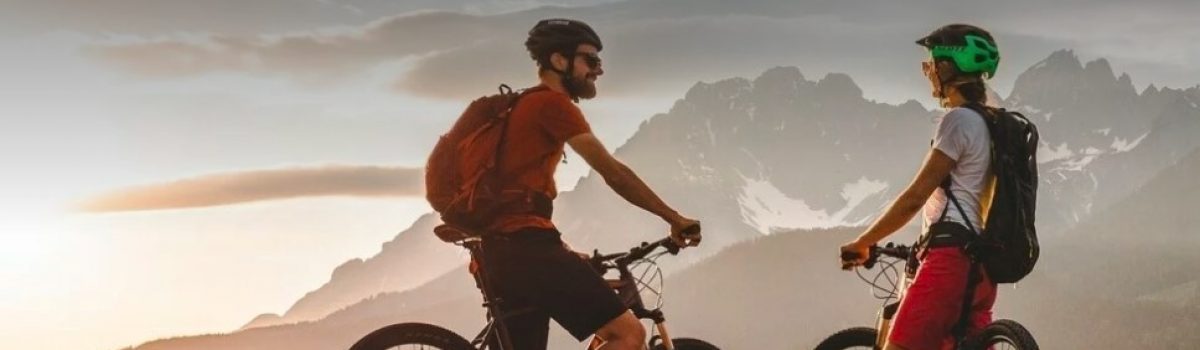
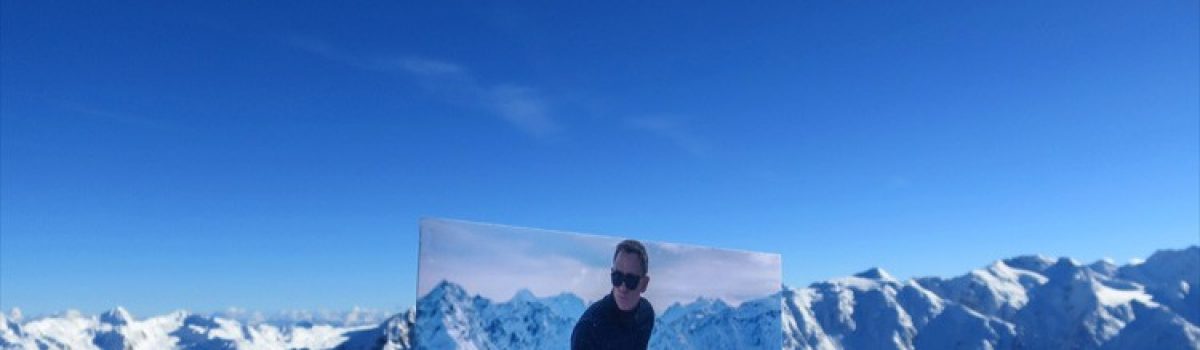
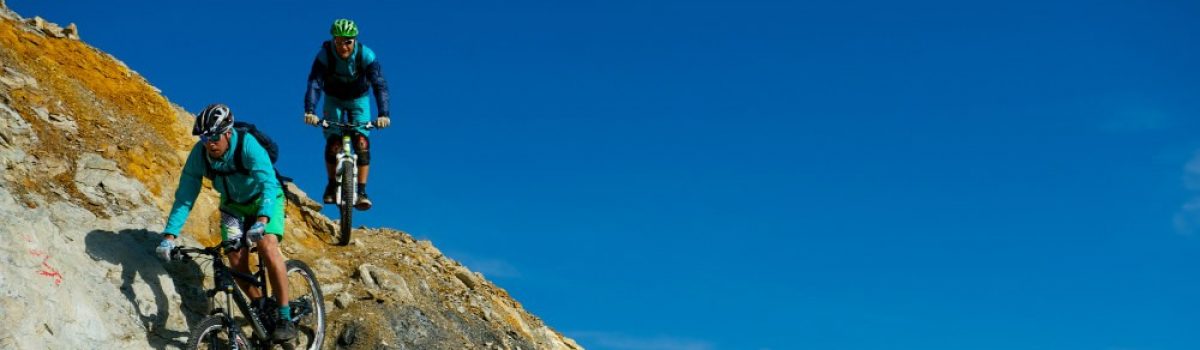
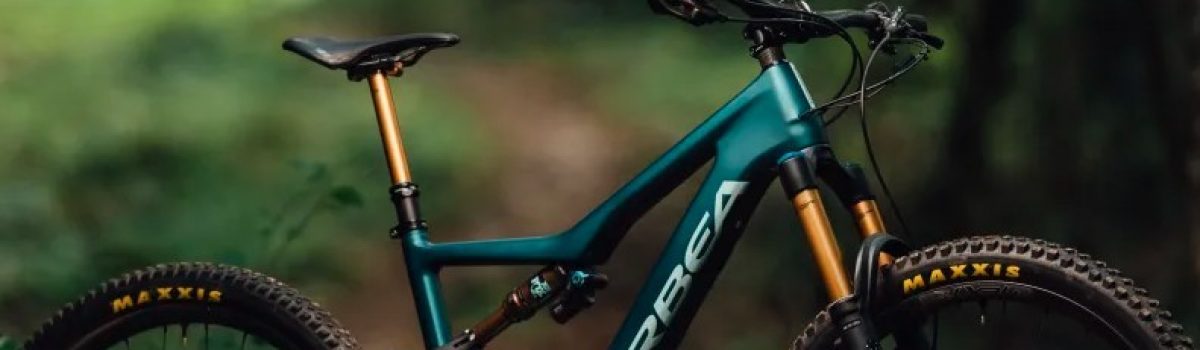
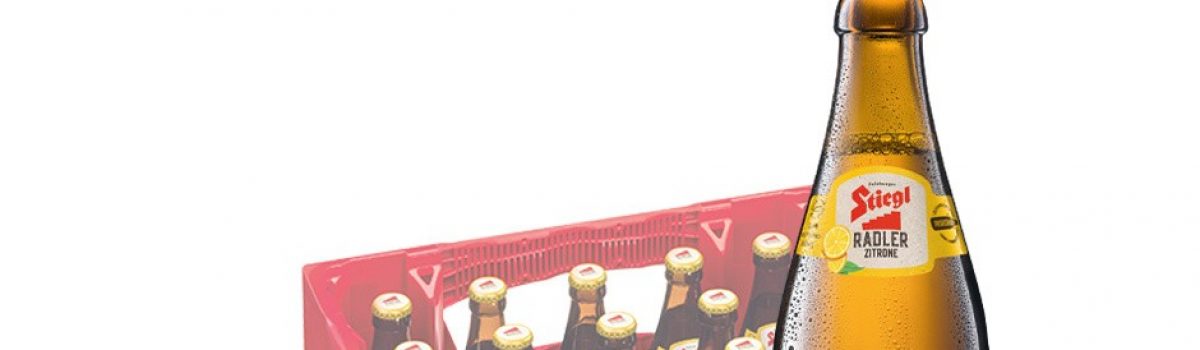
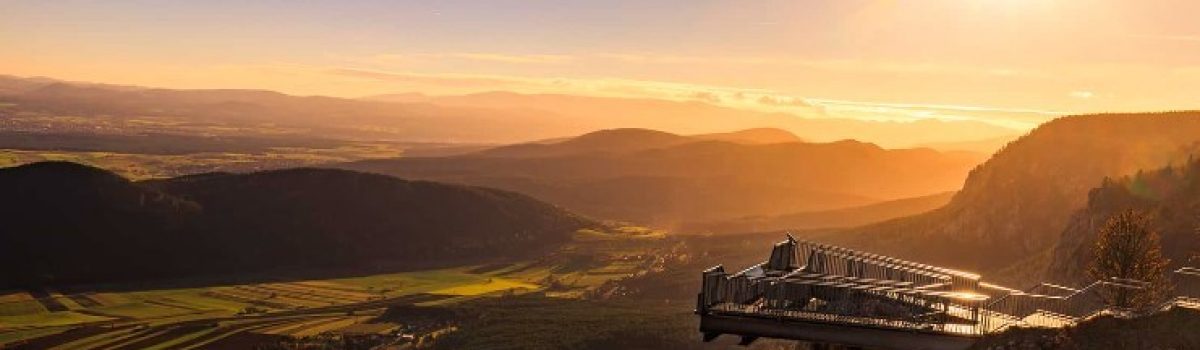



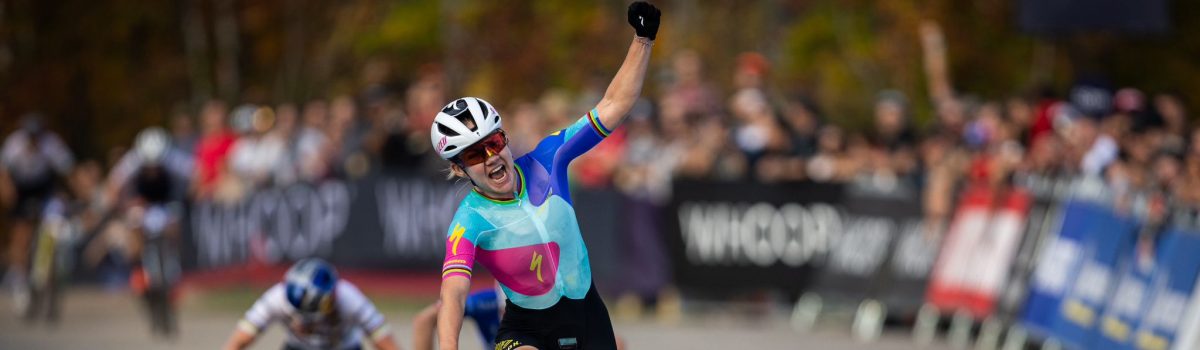
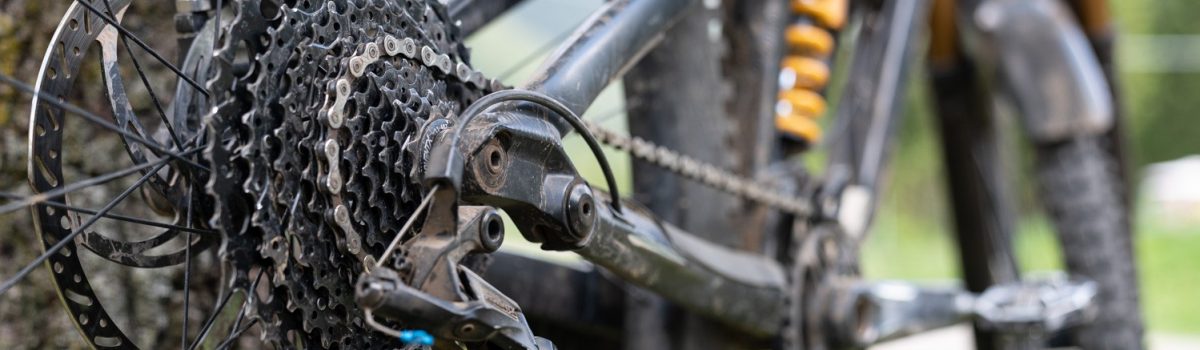


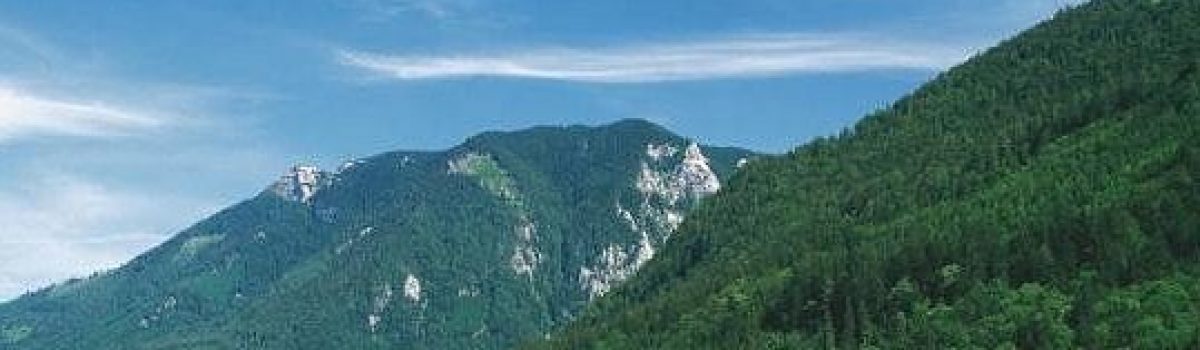



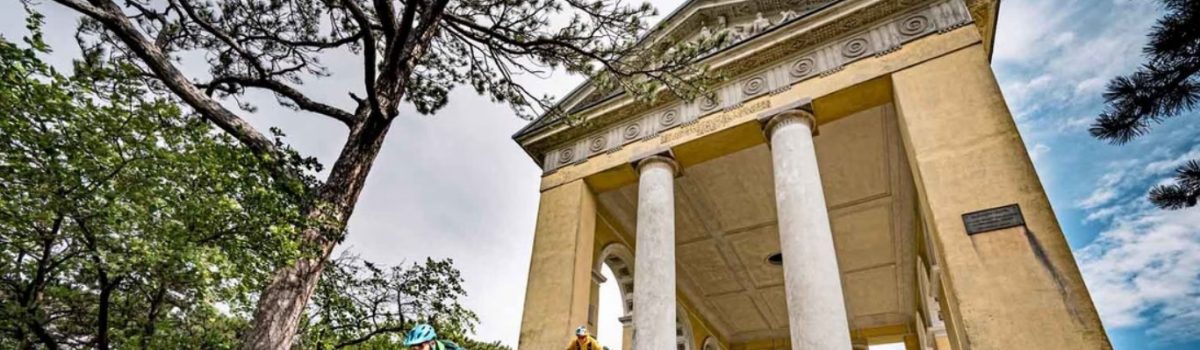



Follow Us