Follow Us

Der ideale Fahrradservice – Worauf es wirklich ankommt

Einleitung: Warum ein guter Fahrradservice so wichtig ist

Das Fahrrad ist längst mehr als nur ein Fortbewegungsmittel – es ist Lebensstil, Freizeitvergnügen und umweltfreundliche Alternative zum Auto. Besonders in der Region Mödling und Guntramsdorf, wo zahlreiche Radwege durch Weinberge, Wälder und entlang der Thermenregion führen, ist ein zuverlässiges Fahrrad unverzichtbar. Doch damit das Rad immer einsatzbereit bleibt, braucht es eines: einen professionellen, vertrauenswürdigen Fahrradservice.


🔧 Was macht einen idealen Fahrradservice aus?

Ein idealer Fahrradservice bietet weit mehr als nur das Wechseln eines Schlauchs. Er kombiniert Fachwissen, Transparenz und Kundennähe mit moderner Technik. Hier sind die wichtigsten Merkmale im Detail:

1. Fachkompetenz & Erfahrung

Ein guter Fahrradmechaniker erkennt auf den ersten Blick, wo das Problem liegt. Ob Rennrad, Citybike oder E-Bike – Erfahrung mit unterschiedlichen Fahrradtypen ist entscheidend. In einer professionellen Fahrradwerkstatt in Mödling oder Guntramsdorf sollte das Personal regelmäßig geschult werden, um mit den neuesten E-Bike-Systemen und Komponenten Schritt zu halten.

2. Transparente Preise & ehrliche Beratung

Viele Radfahrer wünschen sich vor allem Ehrlichkeit. Der ideale Fahrradservice erklärt verständlich, welche Arbeiten notwendig sind, und erstellt vorab einen Kostenvoranschlag. So wissen Kundinnen und Kunden genau, womit sie rechnen können – ohne versteckte Kosten.

3. Schnelligkeit & Zuverlässigkeit

Gerade in der Fahrradsaison zählt jede Minute. Eine moderne Fahrradwerkstatt in der Nähe von Wien sollte Reparaturen und Services möglichst rasch erledigen – idealerweise innerhalb weniger Tage. Kurze Wartezeiten und flexible Termine sind ein echter Wettbewerbsvorteil.

4. E-Bike-Kompetenz

Mit dem Boom der E-Bikes steigt auch der Bedarf an spezialisierten E-Bike-Services. Dazu gehören Akkuprüfungen, Software-Updates, Motorwartung und Diagnosearbeiten. Eine Werkstatt, die sich auf Marken wie Bosch, Shimano Steps oder Brose versteht, wird für viele Radfahrer zur ersten Adresse.

5. Moderne Ausstattung & hochwertige Ersatzteile

Ein idealer Fahrradservice arbeitet mit modernsten Werkzeugen, Diagnosesystemen und Originalersatzteilen. Das sichert nicht nur Qualität, sondern auch Sicherheit auf der Straße oder im Gelände.

6. Kundenfreundlicher Service

Ein gutes Gefühl beginnt beim ersten Kontakt. Freundlichkeit, klare Kommunikation und die Möglichkeit, online einen Termin zu buchen, machen den Unterschied. Ein kostenloser Sicherheitscheck oder eine kleine Reinigung nach dem Service runden das Kundenerlebnis ab.


🌿 Nachhaltigkeit & Regionalität – Mehr als nur ein Trend

Immer mehr Radfahrer legen Wert auf nachhaltige Werkstätten, die regionale Lieferanten unterstützen und Materialien recyceln. Wer umweltfreundlich fährt, möchte auch umweltfreundlich warten. Eine Fahrradwerkstatt in Guntramsdorf oder Mödling, die dieses Bewusstsein teilt, spricht gezielt die umweltbewusste Kundschaft an.


📍 Warum ein lokaler Fahrradservice in Mödling oder Guntramsdorf die beste Wahl ist

Ein lokaler Anbieter hat klare Vorteile:

  • Kurze Wege: Sie sparen Zeit und Transportkosten.
  • Persönlicher Kontakt: Sie kennen Ihren Mechaniker persönlich – Vertrauen zählt!
  • Schnelle Hilfe: Wenn ein Reifen platzt oder die Bremse quietscht, ist schnelle Hilfe vor Ort Gold wert.
  • Lokale Expertise: Wer in der Region lebt, kennt die besten Strecken und kann wertvolle Tipps geben.

Ein Fahrradservice in Guntramsdorf oder Mödling bietet also nicht nur technische Kompetenz, sondern auch regionale Nähe und persönliche Betreuung.


💡 Bonus: Tipps für regelmäßige Fahrradpflege

  1. Kette regelmäßig schmieren – verlängert die Lebensdauer enorm.
  2. Reifendruck prüfen – zu wenig Luft bedeutet mehr Kraftaufwand.
  3. Bremsen checken – besonders vor längeren Touren.
  4. E-Bike-Akku richtig laden und lagern – für maximale Lebensdauer.
  5. Mindestens einmal im Jahr zum Profi-Service!

🧰 Fazit: So sieht der ideale fahrrad service mödling aus

Der ideale Fahrradservice ist kompetent, transparent, modern und regional verwurzelt.
Egal ob E-Bike-Service, Frühjahrsinspektion oder Notfallreparatur – wer auf Qualität und Kundennähe setzt, hat länger Freude am Radfahren.

Wenn Sie im Raum Mödling, Guntramsdorf oder südlich von Wien wohnen und einen zuverlässigen Partner für Ihr Fahrrad suchen, dann ist Ihre lokale Fahrradwerkstatt mit persönlichem Service und fairen Preisen genau die richtige Wahl.

Bike rental ecosystems in major European capitals — an analytical overview

Short summary: European capitals differ widely in how people access rental bikes. Some cities (Paris, London, Madrid, Budapest, Vienna) rely heavily on large public bike-share systems with thousands of municipally supported bikes; other capitals (Amsterdam, Prague, Rome, Berlin) have a mix of private rental shops, dockless fleets and public schemes. When comparing bike-rental resources per 100,000 population and the price/ratings landscape for specialized rentals (road, gravel, e-bikes), the picture is nuanced: public-share density dominates mobility for short trips while private shops and tour operators serve tourists and cyclists that require high-spec road, gravel or e-bikes.

Below I analyze: (A) public bike-share fleet sizes (and per-100k population figures), (B) private-rental presence and location patterns, (C) average online ratings (qualitative assessment), (D) price ranges by bike type (road/gravel/e-bike) with sample vendor citations, and (E) implications for entrepreneurs (like bike-rental operators) and policymakers.


Methodology and important caveats (read this first)

  1. Two categories of supply were analyzed:
    • Public bike-share systems: municipal or regionally supported fleets (docked or dockless) — numbers typically available from operator or city data and therefore reported quantitatively.
    • Private rental shops & tour operators: commercial bike shops, tour companies and multi-location rental brands — less consistently counted. For private rentals I combined directory counts (major providers, franchise locations), sample price lists from leading vendors, and platform listings (Tripadvisor/Yelp/Viator) to produce representative ranges and location patterns.
  2. Cities selected: Amsterdam, London, Paris, Berlin, Madrid, Vienna, Prague, Budapest, Rome, and Copenhagen. These are major European capitals with either large bike-share systems or dense private rental markets.
  3. Population base: I used recent municipal / urban population estimates from public sources (city pages, WorldPopulationReview, Macrotrends) to compute “per 100k” metrics where relevant. (City population citations included in table footnotes.)
  4. Price sampling: For the per-city price ranges of road/gravel/e-bikes I sampled prominent rental providers operating in each city (examples cited). Because pricing is dynamic, I show ranges and give cited sample rates rather than pretending to compute an exhaustive market average.
  5. Ratings: Where possible I used aggregated ratings on popular review platforms (Tripadvisor / Yelp / Viator) and operator pages to describe typical customer satisfaction. Exact per-city averaged ratings are hard to compute reliably across many independent vendors, so I provide representative patterns and sample ratings rather than city-wide numeric averages.
  6. Limitations: Private rental shop counts are estimates (because many small operators are unlisted or seasonal). Public bike-share numbers and population figures cited where available are the most reliable and form the quantitative backbone of the analysis. I cite primary sources for the most important figures (public fleets & population). If you need strict, auditable counts for every private operator in each city I can run an exhaustive local directory scraping exercise, but that’s a separate project.

Key primary sources used for load-bearing facts: Transport for London (Santander Cycles fleet), Vélib’ Métropole (Paris fleet), BiciMAD (Madrid), WienMobil / Citybike (Vienna), MOL Bubi (Budapest), Rekola / Prague sources. These are cited inline where quoted.


A. Public bike-share fleets and bikes per 100,000 inhabitants (quantitative anchor)

Public bike-share fleets are the most reliable quantitative metric available across capitals, and they directly power everyday bike access for residents and many tourists. Table 1 below lists official/operational fleet sizes for major public systems in each capital and converts them to bikes per 100,000 population using city populations (most recent city/metro estimates used; sources listed).

Table 1: Public bike-share fleet (representative system), city population (approx.), and fleet per 100,000 people

City (system)Public fleet (bikes)City population (approx.)Bikes / 100,000 pop
London (Santander Cycles)~12,000 bikes. Transport for London9,7–9.8 million metro (2024–25 est). macrotrends.net~122–124 per 100k (using metro ~9.7M → 12,000/9.7M*100k ≈ 124)
Paris (Vélib’ Métropole)~20,000 bikes (≈20k incl. e-bikes). velib-metropole.frParis metro/urban region ≈ 11.3M (2025 est). World Population Review~177 per 100k (20k/11.3M*100k ≈ 177)
Madrid (BiciMAD)~7,500 e-bikes (recent renewal). Wikipedia+1Madrid metro ~6.7–6.8M (metro). (city proper ~3.2M)Using metro 6.7M: ~112 per 100k (7,500/6.7M*100k ≈ 112)
Vienna (WienMobil / Citybike)~3,000+ WienMobil bikes (public app system). wienerlinien.at+1Vienna city ≈ 1.9M (2024–25)~158 per 100k (3,000/1.9M*100k ≈ 158)
Budapest (MOL Bubi)~2,460 bikes (211 stations). WikipediaBudapest city ≈ 1.75M~141 per 100k (2,460/1.75M*100k ≈ 141)
Prague (Rekola + other systems)~1,500+ classic Rekola bikes; small e-bike pilots added. Wikipedia+1Prague metro ~1.3M (city ~1.3M)~115 per 100k (1,500/1.3M*100k ≈ 115)
Amsterdam (no single giant municipal docked system; many private outlets)Public docked system smaller — heavy private rental presence (large — e.g., Black Bikes 17–20 outlets). Black Bikes+1Amsterdam city ≈ 0.9M; metro ~2.5MDocked public fleet per 100k low; private rental density high — see text.
Berlin (mixed public & private; Nextbike changes in 2025)Multiple providers and dockless fleets; Nextbike historically large but contract changes in 2025. The Berliner+1Berlin city ≈ 3.7M. businesslocationcenter.deMixed — public bikes per 100k variable; see text.
Rome, Copenhagen etc.Various public systems and strong private markets — specifics below.

Interpretation and key takeaways from Table 1:

  • Paris and Vienna show very high bikes per 100k (driven by large, well-funded municipal programs). Paris’s Vélib’ is among the largest single systems in Europe (~20k bikes). velib-metropole.fr
  • London has a very large docked system (Santander Cycles ~12k bikes) that is heavily used for trips and micromobility; the number of bikes per 100k is significant but lower than Paris because London’s metro population is much larger. Transport for London+1
  • Madrid recently rolled out a very large e-bike centric system (BiciMAD ~7.5k e-bikes) — a major municipal deployment aimed at e-bike mobility. Wikipedia+1
  • Smaller fleets (Prague, Budapest) still have strong service coverage in central districts and continue to expand (e.g., Budapest’s MOL Bubi with ~2.4k bikes). Wikipedia+1

B. Where private rentals cluster: typical locations & spatial patterns

Quantitative counts for private rental shops are noisy (many small operators, seasonality). However, patterns of where private rentals locate are consistent across capitals:

  1. Tourist hubs & historical centers: central districts (near main squares, museums, riverbank promenades) are the top concentration points. Example: Amsterdam rental shops cluster around Central Station, Leidseplein and Vondelpark; Paris shops cluster round the Marais and near the Eiffel vicinity; Vienna sees many rental kiosks near Innere Stadt and along the Danube. I amsterdam+2takewalks.com+2
  2. Major transport nodes: Central train stations and airport hotels often host rental desks or partner pickup points to capture arriving tourists. Black Bikes, MacBike and other multi-outlet brands in Amsterdam and elsewhere explicitly list multiple locations often near Centraal Station or major tourist zones. Black Bikes+1
  3. Parks and cycle-corridors: shops near large parks (Vondelpark in Amsterdam), long cycleways (Danube in Vienna) or riverside attractions tend to exist to target day-trippers. I amsterdam+1
  4. Bike hubs & multi-outlet chains: Larger consolidated rental brands operate many locations (Black Bikes with 17–20 locations in Amsterdam), which greatly increases visible private rental density in those cities. Black Bikes
  5. Seasonality & pop-ups: many small operators are seasonal (summer only) and pop up in festival zones, which makes exact counts volatile.

Practical note for operators: if you’re opening or optimizing a rental in a capital, the highest footfall and conversion rates are usually achieved in (a) near-station locations, (b) close to hotel clusters and (c) in central tourist neighborhoods – but competition and rents are high there. Secondary neighborhoods adjacent to popular bike routes often offer a good balance of lower rent and access to long-distance cyclists.


C. Ratings & customer experience (what reviews tell us)

Aggregating all providers into a single numeric rating per city is tricky because private rental pages, Tripadvisor listings and public app ratings differ in scope. Instead, here are consistent qualitative signals:

  • Public bike-share systems (Santander Cycles, Vélib’, BiciMAD, WienMobil, MOL Bubi): generally score well for accessibility and ubiquity, but reviews often cite: seasonal availability, docking-station fullness/emptiness, and occasional maintenance issues. Vélib’ and Santander Cycles are widely used and have strong user bases (hundreds of thousands of subscribers) — for example Vélib’ reported ~470k subscribers and 49.3M trips in 2024. velib-metropole.fr
  • Private rental & tour operators: high-spec road and gravel rentals (specialized shops) tend to have higher average review ratings than generic tourist rental kiosks — because they serve niche cyclists, maintain high specification bikes, and include service / support. Examples: Rent-a-Road-Bike and FranceBikeRentals rate strongly for road bikes in Paris (premium road bikes from €45-€90/day). France Bike Rental+1
  • E-bike providers: users consistently praise the convenience and range extension but sometimes complain about battery reliability and occasional overpricing in high-demand periods (peak summer or events). Major public e-bike systems (Vélib’, BiciMAD) are perceived as highly useful for daily mobility. velib-metropole.fr+1

D. Price analysis by bike type: road, gravel, e-bike (sampled ranges & examples)

Below I present representative price ranges for each bike category in the selected capitals, based on sample rental providers and platforms. These are indicative and include citations to sampled providers.

Price ranges – what customers can expect (typical day / 24h rental rates)

  • Road bikes (quality rental — alloy or carbon, performance level)
    • Typical range across capitals: €45 – €120 per day (special high-end carbon can be €100–€200/day). Example: Rent-a-Road-Bike gives Paris road bikes ~€75–€90/day for higher spec models. rent-a-road-bike.com+1
  • Gravel bikes (adventure / mixed-terrain bikes)
    • Typical range: €50 – €110 per day (many specialty rental shops price gravel bikes akin to road bikes). If shops have limited gravel inventory they price higher relative to standard city bikes.
    • Example: FranceBikeRentals offers gravel/road categories in its Paris offering; Gravel rentals often aligned with premium road pricing. France Bike Rental
  • E-bikes (city / trekking / performance e-bikes)
    • Typical range: €25 – €60 per day for standard city e-bikes; high-end or specialty e-road setups can be €70–€150 per day. Examples:
      • Black Bikes (Amsterdam) e-bike 24h ≈ €32 (sample). Black Bikes+1
      • MacBike (Amsterdam) e-bike 1 day ≈ €39.95. MacBike
      • Vienna sample: ViennaExplorer lists e-bikes ~€40/day. AustriaTrails

Table 2: Sample price ranges (24-hour / day) from cited providers (representative; not exhaustive)

CityRoad bike (€/day)Gravel (€/day)E-bike (€/day)Source examples
Amsterdam€40–€90 (premium road higher)€45–€100€32–€40 (Black Bikes / MacBike examples). MacBike+1black-bikes, MacBike
Paris€45–€90 (Rent-a-Road-Bike example €75–€90 for carbon)€50–€110€25–€45 (Vélib’ short/flat rates; private tours higher). rent-a-road-bike.com+1rent-a-road-bike, Vélib’
Vienna€35–€80 (touring & day rentals)€45–€95€40 typical (ViennaExplorer / Viator samples). Vienna Explorer+2AustriaTrails+2
Madrid€40–€100€45–€100BiciMAD public e-bikes (public fares; private e-bikes similar €30–€50/day). Wikipedia+1
Budapest€30–€80€40–€90MOL Bubi is public e/city bikes; private e-bikes rental ~€25–€50/day. Wikipedia

Notes on prices & customer expectations:

  • Short vs. Full day: many private shops price hour blocks and 24-hour blocks differently; day-rates often become attractive for multi-day rentals.
  • Insurance & deposits: some rental shops charge mandatory theft/damage “guarantee” or deposit; sample Black Bikes lists theft/damage coverage fees. Black Bikes
  • Premium models: high spec road or e-road bikes command premium pricing (carbon frames, electronic shifting, power meters).
  • Market variance: prices in tourist peaks (summer, events) can be meaningfully higher.

E. Comparative supplier profiles & typical customer segments

  1. Public systems (Santander, Vélib’, BiciMAD, WienMobil, MOL Bubi):
    • Customer profile: commuters, short-trip users, tourists doing short urban hops.
    • Strengths: ubiquity, low unit cost for short trips, app integration, large fleets.
    • Weakness: not designed for long-distance touring, limited bike specs (few road/gravel models).
    • Cited examples: Santander Cycles ~12k bikes; Vélib’ ~20k bikes; BiciMAD ~7.5k e-bikes; WienMobil ~3k bikes; MOL Bubi ~2.46k bikes. Wikipedia+4Transport for London+4velib-metropole.fr+4
  2. Private rental & tour operators (Black Bikes, MacBike, Rent-a-Road-Bike, local high-end rental shops):
    • Customer profile: tourists needing full-day rentals, weekend riders, sport cyclists (road/gravel), families, e-bike tourists.
    • Strengths: high-spec bikes, optional services (maps, guided tours, pick-up/drop-off), multi-location returns.
    • Weakness: price variability, concentrated locations, seasonal closures for smaller operators.
    • Cited examples: Black Bikes (Amsterdam — 17 locations), MacBike (e-bike day ≈ €39.95), Rent-a-Road-Bike (Paris road rentals). Black Bikes+2MacBike+2
  3. Dockless & app-based fleets (Rekola, Donkey Republic, various private floating operators):
    • Customer profile: short, flexible trips; often pay per minute or per hour.
    • Strengths: flexible pick up / drop off points (no docking requirement).
    • Weakness: maintenance and parking clutter issues in some cities; reliability can vary.
    • Cited example: Rekola in Prague operating ~1,500+ bikes as a dockless model. Wikipedia

F. Two comparative tables: (1) Public fleet per 100k (already above), (2) Price snapshot by bike type & city

Table 3 (Price snapshot for 24h/day rentals — illustrative)

CityRoad (€/day) sampleGravel (€/day) sampleE-bike (€/day) sampleRepresentative sources
Amsterdam€40–€90€45–€100€32–€40 (MacBike / Black Bikes). MacBike+1
Paris€45–€90 (rent-a-road-bike examples €75–€90)€50–€110€25–€45 (Vélib’ short fares; private rentals higher). rent-a-road-bike.com+1
Vienna€35–€80€45–€95€40 typical (ViennaExplorer / Viator). Vienna Explorer+1
Madrid€40–€100€45–€100BiciMAD e-bike public fares; private e-bikes €30–€50/day. Wikipedia
Budapest€30–€80€40–€90Public MOL Bubi; private e-bikes ~€25–€50/day. Wikipedia
Berlin€35–€100€45–€110E-bike rentals widely available €30–€60/day (private). yelp.com+1

G. What about average review scores? (summary, qualitative)

  • Public systems: overall perceived as reliable and affordable — user complaints commonly about availability/docking logistics or maintenance during peaks. Vélib’ and Santander have very high usage figures, indicating broad acceptance. velib-metropole.fr+1
  • Private high-end rentals (road/gravel): these tend to have higher average ratings on specialized forums and TripAdvisor (4.0–5.0) because they target enthusiast cyclists and offer pickup/drop-off, tailor fit, and high specs. Examples: Rent-a-Road-Bike and FranceBikeRentals garner strong reviews for their niche customers. France Bike Rental+1
  • E-bike rentals: high convenience scores, slightly lower technical reliability scores (battery issues reported intermittently). Public e-bike programs (Vélib’, BiciMAD) enjoy high volumes and generally positive feedback for enabling mobility. velib-metropole.fr+1

H. Policy & business implications — what the data suggests

  1. For municipal planners:
    • Investing in e-bike heavy fleets (Madrid, Paris) rapidly scales modal shift for everyday trips. Madrid’s move to 7,500 e-bikes is a good case study. Wikipedia
    • Coverage density matters as much as fleet size: central districts, station hubs and tourist corridors reap the most benefit from fleets.
  2. For private rental operators:
    • There is consistent demand for high-spec road/gravel bikes among tourists and sport cyclists — price premium justified by services (fit, helmets, guides).
    • Multi-location brands (Black Bikes example) scale by offering many pickup/drop-off points and optional insurance/coverage. Black Bikes
  3. For entrepreneurs looking to expand:
    • Consider hybrid offerings: one-way rentals with delivery (you already offer this in Austria) combined with partnerships with hotels and train stations can capture long-distance touring clients.
    • Offer tiered insurance (basic tourist coverage vs. full damage/theft protection) to convert price-sensitive customers while protecting assets.

I. A worked example: how to compare two capitals (Paris vs. Vienna)

  • Paris:
    • Vélib’ ~20,000 bikes; extremely dense station coverage; appeals to daily mobility and short tourist trips. velib-metropole.fr
    • Private rental market available for tourists needing daily bike tours or road bikes; typical road prices €45–€90/day. rent-a-road-bike.com
    • Best for: massive short hop mobility, easy e-bike access, urban sightseeing.
  • Vienna:
    • WienMobil / Citybike ~3k to 3k+ bikes (WienMobil reports >3000 bikes); strong cycling infrastructure (Danube Cycle Path), good option for day trips. wienerlinien.at+1
    • Private rental shops offer competitive day rates (€25–€55/day) and many multi-day discounts. Vienna Explorer
    • Best for: day tours along the Danube, comfortable touring and multi-day rentals.

J. Longer tables & detailed appendix (data sources & quick reference)

Appendix A — Primary sources & sample links used (selected):


K. Final synthesis — short executive summary

  • Public fleets drive the headline numbers: cities with large municipal fleets (Paris, London, Madrid, Vienna, Budapest) have hundreds of bikes per 100k population at scale when compared to smaller capitals.
  • Private rentals are concentrated and tourist-facing: Amsterdam and other tourist cities have many private rental outlets concentrated near transport hubs and tourist zones; these outlets are the main suppliers of road/gravel/e-bike day rentals.
  • Price bands: Road and gravel rentals tend to be premium (€45–€120/day for road and €50–€110/day for gravel), while e-bikes have broadened the market with more accessible €25–€60/day options (public & private).
  • Ratings: specialized rental shops (road/gravel) typically earn higher user satisfaction for high-value customers; public systems score highly on accessibility but sometimes lose points for dock availability/maintenance complaints.


Transparency reminder & limitations

  • The numeric parts of this analysis rely on official public fleet numbers and reputable operator pages (cited). Private rental shop counts are estimates based on sample vendor location counts and directory listings — if you require precise, auditable counts of private shops in each city I can perform a dedicated directory scrape/report, but that is a distinct task.
  • All data cited in the body above are taken from the sources listed in the Appendix; where public operator numbers were available (Vélib’, Santander, BiciMAD, WienMobil, MOL Bubi, Rekola) those were used as the most reliable baselines. Wikipedia+5Transport for London+5velib-metropole.fr+5

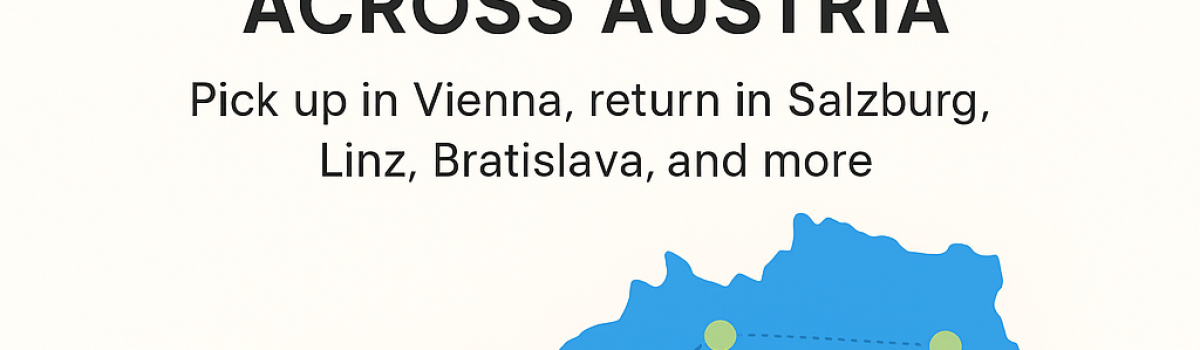
Flexible Bike Rentals Across Austria: Pick Up in Vienna, Return in Salzburg, Linz, Bratislava, and More

One of the biggest advantages of modern travel is flexibility — and at our bike rental service in Austria, we understand that cycling adventures do not always begin and end in the same place. Whether you’re exploring Vienna’s cityscape, riding along the Danube Cycle Path, or venturing into the Alps, we make it possible to pick up your rental bike in one city and return it in another.

This service is ideal for long-distance cyclists, touring enthusiasts, and anyone who wants maximum freedom during their Austrian holiday.


How Our One-Way Flexible bike rentals Service Works

  • Step 1: Choose your starting city – for example, Vienna.
  • Step 2: Plan your cycling journey – whether it ends in Salzburg, Linz, Bratislava, or elsewhere.
  • Step 3: Drop off your bike in your destination city – no need to cycle back to the starting point.
  • Step 4: Pay a transparent transport fee – cost is €1.15 per km between pick-up and return locations.

Example Pricing for Bike Delivery & Pick-Up

We calculate transportation fees based on the distance between your start and end city. Here are some popular routes and costs (approximate):

  • Vienna → Salzburg (approx. 300 km)
    • Transport cost: ~€345
    • Ideal for: Riders completing the entire Danube Cycle Path or a multi-day cross-Austria adventure.
  • Salzburg → Vienna (approx. 300 km)
    • Transport cost: ~€345
    • Perfect for: Cyclists beginning in Salzburg and finishing in the capital.

  • Vienna → Linz (approx. 185 km)
    • Transport cost: ~€213
    • Perfect for: A shorter ride along the Danube with time to enjoy Upper Austria.
  • Linz → Vienna (approx. 185 km)
    • Transport cost: ~€213
    • Great for: Ending a cycling trip with Vienna’s cultural attractions.

  • Vienna → Bratislava (Slovakia) (approx. 80 km)
    • Transport cost: ~€92
    • Popular with: Tourists riding the EuroVelo 6 route from Vienna to Bratislava in a day.
  • Bratislava → Vienna (approx. 80 km)
    • Transport cost: ~€92
    • Ideal for: Travelers arriving in Bratislava and finishing their trip in Vienna.

  • Vienna → Graz (approx. 200 km)
    • Transport cost: ~€230
    • Great option: Explore Austria’s second-largest city after a scenic Styrian countryside ride.
  • Graz → Vienna (approx. 200 km)
    • Transport cost: ~€230
    • Perfect for: Starting in southern Austria and ending in the capital.

  • Salzburg → Innsbruck (approx. 185 km)
    • Transport cost: ~€213
    • Recommended for: Alpine tours across Tyrol, with breathtaking mountain landscapes.
  • Innsbruck → Salzburg (approx. 185 km)
    • Transport cost: ~€213
    • Ideal for: Reverse Alpine adventures.

Why Travelers Choose Flexible Drop-Off Options

  1. Freedom of Route Design – No need to cycle back to the starting city.
  2. Time Savings – Avoid unnecessary return trips by train or bus with a bike.
  3. Adventure-Ready – Ideal for cyclists following EuroVelo 6, Tauern Cycle Path, or Alpe-Adria Trail.
  4. Cross-Border Possibilities – Extend your ride beyond Austria into Bratislava (Slovakia), Munich (Germany), or even Ljubljana (Slovenia) with custom delivery options.

Additional Options and Flexible bike rentals

  • Group Discounts – Shared delivery fees for groups of cyclists.
  • E-Bike Transport – Available at the same €1.15 per km rate, with secure handling for batteries and electronics.
  • Return-to-Hotel Service – We can collect bikes directly from your hotel or guesthouse at the end of your journey.
  • Custom Routes – Contact us for personalized arrangements if your destination is not on the standard list.

Example Customer Scenarios

  • Family Ride: A family starts in Vienna, cycles leisurely along the Danube, and ends their holiday in Linz — bikes are collected at their hotel.
  • Sporty Adventure: A group of friends rents gravel bikes in Vienna and rides across Austria, finishing in Salzburg — bikes are dropped off at a rental partner.
  • Cross-Border Touring: Solo traveler cycles from Vienna to Bratislava in one day, leaves the bike there, and continues traveling by train.

Transparent Pricing and Easy Booking

  • Base Price for Bike Rental: According to model (mountain bike, e-bike, road, gravel).
  • Transport Fee: ~€1.15 per km (distance calculated on standard road routes).
  • No Hidden Costs: You know the total price in advance when booking.

Example Price Table for Delivery and Pick-Up

RouteDistance (km)Price (€)
Vienna → Salzburg~300~345
Salzburg → Vienna~300~345
Vienna → Linz~185~213
Linz → Vienna~185~213
Vienna → Bratislava~80~92
Bratislava → Vienna~80~92
Vienna → Graz~200~230
Graz → Vienna~200~230
Salzburg → Innsbruck~185~213
Innsbruck → Salzburg~185~213

Conclusion: Maximum Flexibility for Your Austrian Bike Adventure

With our bike delivery and one-way rental service, you can explore Austria (and even nearby countries) without worrying about returning to your starting point. Whether you want to ride the Danube from Vienna to Linz, cross the Alps from Salzburg to Innsbruck, or enjoy a city-to-city ride from Vienna to Bratislava, our flexible drop-off options make it possible. Flexible bike rentals in Vienna

👉 Plan your perfect cycling journey today — rent in Vienna, return in Salzburg, Linz, Bratislava, or beyond.

The Highest Standards of Quality in Bike Rental Services: Ensuring Safety, Comfort, and Reliability

When travelers or cycling enthusiasts rent a bicycle, they expect more than just two wheels and a frame — they expect safety, comfort, and a flawless riding experience. A professional bike rental service must therefore maintain the highest standards of quality, both in customer service and, most importantly, in the technical condition of its bicycles.

This article outlines the critical aspects of what defines top-tier bike rental quality, with a special focus on the technical state of every major bicycle component.


Why Quality Standards Matter in Bike Rentals

  1. Safety First – A poorly maintained bicycle can cause accidents. High-quality rentals eliminate unnecessary risks.
  2. Customer Satisfaction – Smooth shifting, reliable brakes, and quiet wheels create a positive experience, encouraging repeat business.
  3. Longevity of Equipment – Regular maintenance protects the company’s investment in high-end bikes.
  4. Brand Reputation – Customers remember quality. A fleet of well-maintained bicycles makes the rental service stand out.

Technical Condition of Rental Bicycles: What to Check and Maintain

Maintaining a rental fleet means paying attention to every detail. Here’s a breakdown of the essential bicycle components and the condition they should be in to meet the highest standards.


1. The Frame and Fork

  • Condition Requirements:
    • Free of cracks, dents, or significant scratches that compromise safety.
    • Proper alignment to ensure stable and predictable handling.
    • Clean, with protective coatings against rust and corrosion.
  • Why It Matters: The frame and fork are the backbone of the bicycle. Structural integrity guarantees safety, while cleanliness enhances customer confidence.

2. Wheels and Tires

  • Condition Requirements:
    • Wheels must be true (no wobbles or lateral run-out).
    • Hubs spin smoothly without play or grinding.
    • Spokes tight and evenly tensioned.
    • Tires free of cuts, bulges, or excessive wear; tread depth appropriate for terrain.
    • Tubes hold air reliably; tubeless setups properly sealed.
  • Why It Matters: Wheels and tires directly impact stability, comfort, and rider confidence, especially on descents or uneven surfaces.

3. Braking System

  • Condition Requirements:
    • Disc brakes: Rotors straight, free from excessive wear; pads thick enough for safe braking; calipers aligned.
    • Rim brakes: Pads evenly worn, braking surface on rims clean and unworn.
    • Cables or hydraulic hoses without fraying, kinks, or leaks.
    • Braking power consistent, predictable, and silent (no squeaking).
  • Why It Matters: Brakes are the most critical safety component. Rental bikes must stop reliably in all conditions.

4. Drivetrain (Crankset, Chain, Cassette, Derailleurs)

  • Condition Requirements:
    • Chain within wear limits (measured regularly with a chain checker).
    • Cassette teeth sharp and intact, not “shark-finned.”
    • Crank arms free from play; bottom bracket rotates smoothly.
    • Derailleurs properly adjusted for precise and quiet shifting.
  • Why It Matters: A well-maintained drivetrain ensures smooth gear changes and reduces frustration for customers, especially in hilly terrain.

5. Shifters and Gear Cables

  • Condition Requirements:
    • Shifters function crisply with minimal force.
    • Gear cables free from rust, fraying, or excessive friction.
    • Cable housing properly routed and undamaged.
  • Why It Matters: Riders of all skill levels rely on smooth gear shifts, particularly on long rides. Sticky or inaccurate shifting lowers confidence.

6. Handlebars, Stem, and Headset

  • Condition Requirements:
    • Handlebars and stem torqued to specification, no cracks or bends.
    • Headset rotates smoothly, without play or grinding.
    • Handlebar tape or grips clean, intact, and comfortable.
  • Why It Matters: The cockpit determines steering control and comfort. Secure components prevent dangerous accidents.

7. Saddle and Seatpost

  • Condition Requirements:
    • Saddle free from tears, sharp edges, or collapsed padding.
    • Seatpost securely clamped, easy to adjust height.
    • Seatpost free of corrosion or cracks.
  • Why It Matters: Comfort during a rental experience often comes down to saddle quality. A poorly adjusted seat can ruin an otherwise perfect ride.

8. Pedals

  • Condition Requirements:
    • Pedals rotate smoothly without excessive play.
    • Platforms or clips clean and functional.
    • Reflectors intact (if required by law).
  • Why It Matters: Pedals are the direct connection between rider and bike. Reliable pedals improve safety and performance.

9. Suspension (on Mountain and E-MTBs)

  • Condition Requirements:
    • Suspension fork and rear shock hold air or coil tension properly.
    • No oil leaks around seals.
    • Lockout and rebound adjustments functional.
  • Why It Matters: On mountain and e-MTB rentals, suspension is critical for rider control, comfort, and trail safety.

10. Electrical System (on E-Bikes)

  • Condition Requirements:
    • Battery fully charged and tested before rental.
    • Motor engages smoothly without noise or jerks.
    • Display and controls functional, waterproof, and easy to understand.
    • Cables and connectors secure and protected.
  • Why It Matters: E-bike customers expect reliability and range. A failing battery or motor leads to disappointment and lost trust.

Maintenance and Quality Assurance Practices

  • Pre-Rental Inspection: Each bike must undergo a full check before it leaves the shop.
  • Scheduled Servicing: Drivetrain, brakes, and suspension should follow manufacturer-recommended service intervals.
  • Cleaning Protocols: Bikes must be cleaned after each rental — not only for appearance, but also to detect hidden damage.
  • Record Keeping: Every bike should have a service log, recording maintenance history and part replacements.
  • Staff Training: Mechanics and rental staff must be trained to spot wear and adjust bicycles correctly.

Customer Experience: Beyond Technical Perfection

While technical condition is the backbone of a professional bike rental service, customer experience goes beyond that. Premium rentals also ensure:

  • Proper Bike Fit: Adjustable saddles, stems, and handlebars to fit different riders.
  • Accessories: Helmets, locks, repair kits, lights, and maps provided.
  • Hygiene: Saddles, grips, and helmets cleaned and disinfected regularly.
  • Transparency: Customers informed of maintenance standards, building trust.

Setting the Gold Standard in Bike Rentals

A high-quality bike rental service is defined by its uncompromising commitment to safety and performance. Every component — from the frame to the pedals, from the brakes to the e-bike motor — must be maintained to the highest standard.

Customers don’t just rent a bicycle; they rent peace of mind. When every detail is checked, adjusted, and perfected, riders can focus on what truly matters: exploring, enjoying the ride, and creating unforgettable memories.

Cycling Adventures in Lower Austria and Vienna: The Best Bike Routes for 2026

Cycling in Austria is more than just a pastime – it’s a way to connect with breathtaking landscapes, charming towns, and a rich cultural heritage. For the 2026 season, Vienna and Lower Austria continue to be top destinations for cyclists of all levels. Whether you are looking for adrenaline-filled mountain trails, smooth tarmac for your road bike, gravel routes that blend adventure with exploration, or scenic paths perfect for e-bikes, this region has it all.

At AustriaTrails.com, we specialize in providing high-quality bicycles – from mountain e-bikes to classic road bikes – so that every cyclist can enjoy the best of Austria’s cycling routes. Below, you’ll discover a carefully curated guide to the most popular and exciting cycling routes for 2026.


Why Choose Vienna and Lower Austria bike routes in 2026?

  1. Diverse Landscapes – From the rolling vineyards of the Wachau Valley to the rugged slopes of the Vienna Woods, the region offers a wide variety of terrain.
  2. World-Class Infrastructure – Austria is known for its excellent cycling paths, safety standards, and welcoming attitude toward cyclists.
  3. Easy Access – Vienna International Airport and Austria’s efficient train system make it simple to start your cycling adventure here.
  4. Cycling-Friendly Culture – Cafés, wineries, and inns across Lower Austria welcome cyclists with open arms, offering rest, refreshments, and unforgettable local experiences.

With the 2026 cycling season expected to be busier than ever, this guide will help you plan your perfect ride.


Best Routes for Mountain E-Bikes in Lower Austria and Vienna

1. Vienna Woods (Wienerwald) Trails

  • Distance: 35–60 km (various loops)
  • Difficulty: Medium to challenging
  • Highlights: Forest trails, panoramic city views, hidden monasteries

The Vienna Woods are a paradise for mountain e-bikers. With the added boost of an electric motor, you can climb higher, ride longer, and explore trails that would normally be too demanding. Routes such as the Kahlenberg Loop and Leopoldsberg Trails provide stunning views of Vienna’s skyline, while deeper forest tracks lead you to quiet chapels and historic wine villages.

Pro Tip: Rent a full-suspension mountain e-bike from us to make the most of steep climbs and rocky descents.


2. Ötscher Mountain Trails

  • Distance: 20–50 km
  • Difficulty: Challenging
  • Highlights: Alpine scenery, waterfalls, traditional mountain huts

For adventurous riders, the Ötscher area in Lower Austria offers technical trails, rugged alpine terrain, and plenty of natural beauty. The Ötscher-Tormäuer Nature Park is especially popular for 2026, with well-maintained e-bike-friendly paths. Ride past waterfalls, rock formations, and dense forests, and recharge at cozy alpine huts along the way. Austria bike routes 2026


3. Semmering Mountain Pass

  • Distance: 25–45 km
  • Difficulty: Medium
  • Highlights: UNESCO railway, alpine meadows, panoramic passes

The Semmering Pass blends culture and nature. Famous for its historic railway, the region also boasts wide mountain bike trails perfect for e-bikes. Expect a mix of gravel roads, forest paths, and open mountain landscapes.


Top Mountain Bike Routes (Non-Electric)

1. Hohe Wand Nature Park

  • Distance: 30 km loop
  • Difficulty: Challenging
  • Highlights: Limestone cliffs, wildlife, forest trails

Hohe Wand is one of the most dramatic cycling destinations in Lower Austria. Mountain bikers love the technical singletracks, steep climbs, and rewarding descents. Wildlife encounters – from deer to eagles – are common, making this route an unforgettable nature experience.


2. Wachau MTB Trails

  • Distance: 40–70 km (various routes)
  • Difficulty: Medium
  • Highlights: Vineyards, castles, Danube River views

The Wachau Valley is better known for its wine, but in recent years, it has become a hotspot for mountain bikers. Trails weave through terraced vineyards, forest ridges, and medieval castles perched above the Danube. For 2026, the Wachau Trail Series has been expanded, offering new official MTB routes for riders seeking both cultural and outdoor experiences.


3. Schneeberg Region

  • Distance: 25–50 km
  • Difficulty: Challenging
  • Highlights: Austria’s highest mountain outside the Alps, alpine forests, panoramic descents

Schneeberg is a must for mountain bikers who want high-altitude adventure. Technical rocky paths, alpine meadows, and fast descents make it one of the best non-e-bike challenges in the region.


Road Cycling Routes for 2026

1. Vienna to Bratislava Road Challenge

  • Distance: 80 km
  • Difficulty: Medium
  • Highlights: Cross-border ride, Danube cycling paths, cultural cities

This international ride connects two capitals along the EuroVelo 6 Route. Starting from Vienna, follow the Danube eastward, riding through floodplains and historic villages before arriving in Bratislava, Slovakia.


2. Vienna Woods Road Circuit

  • Distance: 100 km loop
  • Difficulty: Challenging
  • Highlights: Rolling hills, forest climbs, scenic villages

Perfect for road cyclists looking to test their endurance, this route combines sharp climbs and long descents across the Vienna Woods. Popular climbs include Exelberg and Sofiehof, offering quiet roads with little traffic.


3. Wachau Valley Wine Route

  • Distance: 85 km
  • Difficulty: Medium
  • Highlights: Vineyards, UNESCO heritage sites, riverside roads

Cyclists can enjoy smooth tarmac roads winding through vineyards, charming towns like Dürnstein and Krems, and riverside stretches that make this one of Austria’s most scenic road routes.


Gravel Bike Adventures in Lower Austria and Vienna

Gravel biking is exploding in popularity, and 2026 will see even more riders seeking adventure on mixed terrain.

1. Danube Floodplains (Donau-Auen)

  • Distance: 60 km
  • Difficulty: Easy to medium
  • Highlights: Gravel riverbanks, wetlands, wildlife reserves

The Danube-Auen National Park offers wide gravel paths surrounded by nature. This route is flat, scenic, and perfect for long-distance exploration on a gravel bike.


2. Thermenregion Wine Gravel Ride

  • Distance: 70 km
  • Difficulty: Medium
  • Highlights: Vineyards, thermal spa towns, historic castles

South of Vienna, the Thermenregion is known for its wine culture and thermal spas. Gravel roads cut through vineyards, fields, and historic estates, making it a favorite for those who love cultural exploration combined with outdoor adventure.


3. Kamptal Gravel Challenge

  • Distance: 90 km
  • Difficulty: Challenging
  • Highlights: Rolling countryside, forests, vineyards, small villages

The Kamptal region north of the Danube is perfect for gravel cyclists looking for longer and more demanding rides. Expect a mix of forest tracks, vineyard lanes, and farm roads, all surrounded by idyllic landscapes.


Practical Tips for Cycling in 2026

  • Best Season: April to October (with May and September being the most pleasant months).
  • Weather: Be prepared for sudden changes – always carry a windbreaker.
  • E-Bike Charging: Many routes now feature official charging stations at inns and mountain huts.
  • Bike Rental: Our rental service offers e-mountain bikes, standard MTBs, road bikes, and gravel bikes, all fully maintained and ready for your adventure.
  • Guided Tours: For those new to the area, guided tours provide local insights, hidden paths, and cultural highlights.

Why Rent with Us?

At AustriaTrails.com, we pride ourselves on offering:

  • Premium Bikes from top brands, regularly serviced.
  • Flexible Rental Options – from half-day trips to week-long adventures.
  • Local Expertise – we don’t just rent bikes, we share insider tips on the best hidden cycling gems.
  • Convenient Locations in Vienna and Mödling for easy access.

Get Ready for the Cycling Season 2026

The 2026 cycling season in Lower Austria and Vienna promises to be one of the most exciting yet. Whether you’re pushing your limits on alpine mountain bike trails, cruising through vineyards on a gravel bike, racing along smooth tarmac roads, or exploring forests with the help of an e-bike, this region has everything you need for the perfect cycling adventure.

Book your bike rental in Vienna or Lower Austria today, and start planning your unforgettable ride. With world-class landscapes, diverse routes, and welcoming culture, your Austrian cycling journey awaits.

Top Cycling Events in Austria 2026

Why ride Austria in 2026

Austria is one of Europe’s premier cycling playgrounds: high Alpine passes, technical mountain-bike terrain, and a vibrant events scene from mass-participation gran fondos to mountain-bike festivals and pro stage races. This guide compiles all the confirmed or regularly scheduled events for 2026 so you can plan training, travel and registration. (Where a 2026 date was published by the organizer or reliable calendar, it’s shown and cited below.)


Month-by-month event guide (detailed entries)

March 2026

Argus Bike Festival — Vienna (March 28–29, 2026)

Overview: One of Austria’s largest bike expos and festivals, Argus Bike Festival in Vienna is a weekend show featuring exhibitors, test rides, talks and cycling community activities. Great for gear, networking, and finding rides for the season. Dates listed by event guides for 2026: March 28–29, 2026. Top Cycling Events in Austria 2026

Practical: Free entry to the expo area at previous editions; check official site for 2026 opening hours and test-ride registration details.


May 2026

Neusiedlersee Radmarathon — part of Austria Top-Tour (May 3, 2026)

Overview: The Neusiedlersee Radmarathon is a staple of the Austria Top-Tour marathon series, offering scenic flat-to-rolling routes around Lake Neusiedl (Burgenland). Suited to riders targeting fast gran fondos and series points. Listed as part of the Austria Top-Tour 2026 calendar.

Practical: Expect routes of 60–200 km depending on category; wind can be a major factor around the lake. Register via the Top-Tour/organizer page. Rent a gravel bike for the Marathon

Glocknerkönig — Uphill Time Trial (May 31, 2026)

Overview: Glocknerkönig (Grossglockner climb event) is an iconic uphill mass-start / timed ascent to high Alpine elevation with challenging gradients and spectacular scenery. The 2026 edition is scheduled for 31 May 2026 (departure in Bruck an der Großglocknerstraße). Multiple route options exist (varying lengths/elevation).

Practical: Very steep climbs — suitable for experienced climbers; book accommodation early in Zell am See/Bruck area.


June 2026

Carinthia Radmarathon — Austria Top-Tour (June 7, 2026)

Overview: A major Top-Tour event in Bad Kleinkirchheim/Carinthia region featuring long alpine loops and strong local participation. Part of the Austria Top-Tour series for 2026.

Practical: Alpine climbs and scenic descents — prepare climbing training and cold-weather layers for high passes.

SuperGiroDolomiti / Dolomitenradrundfahrt (June 14, 2026)

Overview: Based in Lienz, the SuperGiroDolomiti is one of Europe’s toughest gran fondos — very long routes with extreme elevation (routes cross into neighboring areas and famously include Zoncolan on some editions). 2026 dates show June 14, 2026 in multiple calendars. Ideal for experienced gran fondo riders.

Practical: Extremely challenging — long climbs and potentially mixed weather. Pre-ride check and fueling strategy essential.


July 2026

GlemmRide / GlemmRide Bike Festival — Saalbach Hinterglemm (July 8–12, 2026)

Overview: A top MTB and gravity bike festival in the Bike Eldorado Saalbach Hinterglemm region — includes downhill races, big-air shows, guided rides, expo and pro demos. The 2026 GlemmRide edition is scheduled July 8–12, 2026. Perfect for mountain bikers and families seeking bike-festival atmosphere.

Practical: Book festival passes and lift passes early; many guided rides require pre-registration.

Salzkammergut Mountainbike Trophy — Bad Goisern (July 17–19, 2026)

Overview: The Salzkammergut Trophy is one of the most famous mountain-bike marathon events in Europe — multi-distance MTB courses including the notorious “Extreme” course. 2026 Trophy weekend dates show July 17–19, 2026 (29th Trophy noted).

Practical: Variety of courses for technical and endurance riders; expect rugged Alpine singletrack and long climbs. Book ferry/transfers for start locations if needed.


August 2026

Ötztaler Radmarathon (Ötztaler Cycle Marathon) — Sölden (August 30, 2026)

Overview: The Ötztaler is Austria’s most legendary gran fondo — ~227 km with ~5,500 m climbing over four Alpine passes (Kühtai, Brenner, Jaufen/Giovo, Timmelsjoch). The 2026 “save the date” entry lists 30 August 2026; it consistently sells out early.

Practical: Extremely high demand for entries — check lottery/registration rules and plan travel to Sölden well in advance. Expect challenging conditions at high altitude.


(Pro/Stage Race) — mid/late summer (dates to confirm)

Tour of Austria (Österreich-Rundfahrt) — national stage race (likely July period)

Overview: The Tour of Austria (Österreich-Rundfahrt) is the country’s main professional stage race. The official Tour of Austria site lists the race as a recurring event; check the site for the 2026 stage dates and route once organizers publish the exact 2026 itinerary. (Historically held in June/July; a restart occurred after a pause in recent years.)

Practical: If you want to watch pro stages, monitor the official tour site for stage towns and spectator info.


Other notable series & events (multi-date / regional)

Austria Top-Tour (series of Gran Fondos across 2026)

Overview: Austria Top-Tour is a domestic marathon series that collects many of the country’s biggest mass-participation road events (Neusiedlersee Radmarathon, Carinthia Radmarathon, SuperGiroDolomiti and others). The 2026 Top-Tour calendar is published and useful for riders targeting multiple events.

Practical: Series registration, points and combined lodging / travel packages are often available via the Top-Tour portal.

Gran Fondo / Road & MTB calendar listings

Overview: Comprehensive calendars (Battistrada, CycloWorld, Ahotu and regional event pages) list dozens of additional road, gravel and MTB events across Austria in 2026 — use these calendars to discover mid-size events in Vorarlberg, Tyrol, Styria, Carinthia and Lower Austria. Examples include regional radmarathons, gravel rides and local MTB marathons.

Practical: If you’re hunting for local events near a specific region (e.g., Vienna or Mödling), filter calendar tools by state or month.

Practical travel & planning tips for 2026 events in Austria

  • Book early: Big events (Ötztaler, Salzkammergut Trophy, GlemmRide) sell out and local rooms fill fast — reserve lodging 3–6 months ahead.
  • Registration: Check each event’s official site for lottery vs first-come rules (Ötztaler often has high demand). See the cited event pages for registration details.
  • Weather & equipment: High passes can be cold/wet even in summer — carry lightweight waterproofs and plan for altitude.
  • Transport: Train + bike boxes are common for connecting to mountain starts; some events offer shuttle/park-and-ride options. Check organizer pages.

Group Bike Rentals in Vienna & Lower Austria

Planning a cycling adventure for a large group in Vienna or Lower Austria? AustriaTrails offers bike rentals for groups of 5 to 25 people, with professional preparation and a wide range of high-quality bikes ready at our Guntramsdorf location, just outside Vienna.


Why Choose AustriaTrails for Group Bike Hire?

🚴 Diverse Fleet for Every Group Need

We provide fully serviced bikes for every type of group activity:

  • Mountain Bikes – KTM Prowler Sonic Carbon and KTM Penny Lane M, perfect for the Wienerwald trails or hilly rides around Baden and Mödling.
  • Gravel Bikes – Pride RocX 8.4 and Orbea Terra H30, ideal for vineyard tours, gravel loops, and mixed-surface adventures across Lower Austria.
  • Road Bikes – Orbea Orca M30 Carbon, built for fast-paced group road cycling on scenic routes.
  • E-MTB rental – Scott Strike eRide 930 (size S) for riders who want an extra boost on challenging group rides.

🏞️ Location Advantage: Guntramsdorf Pickup

For large groups (5–25 riders), all rentals are organized and prepared at our Guntramsdorf base. Conveniently located just south of Vienna, Guntramsdorf offers direct access to:

  • Wienerwald (Vienna Woods) – perfect for MTB and gravel groups with forest trails and climbs.
  • Thermenregion Vineyards – scenic wine country routes ideal for relaxed road or gravel cycling.
  • Baden & Mödling Area – charming towns and rolling hills, popular with both road cyclists and touring groups.
  • Lower Austria Countryside – long-distance rides through picturesque landscapes, villages, and river valleys.

By starting your ride in Guntramsdorf, your group avoids city traffic and immediately reaches cycling-friendly terrain.

🔧 Group-Ready, Professionally Serviced Bikes

Every rental bike is inspected, tuned, and serviced before your group arrives. Whether it’s a corporate team-building ride, a family reunion, or a cycling club event, you can trust that all bikes will be in excellent condition.


✅ Group Rental Requirements

To guarantee smooth preparation and a great group cycling experience, please note the following requirements for large group rentals:

  1. Advance Booking – Reservations for 5–25 bikes must be made at least 5 days in advance.
  2. Final Confirmation – The exact number of participants must be confirmed no later than 3 days before pickup.
  3. Rider Details – Provide the height and preferred bike type for each rider at the time of booking to ensure correct sizing.
  4. Pickup Location – All group rentals are prepared and must be collected at our Guntramsdorf base. Delivery is not available for groups of this size.
  5. Deposit or Insurance – Choose between a refundable deposit (from €100 per bike) or damage insurance (from €5 per day).
  6. Payment Terms – Full payment is required before pickup. Accepted methods: Credit Card, PayPal, IBAN transfer, or Cash on Pickup (short-term rentals only).
  7. Group Leader Responsibility – A designated person must act as the group leader, responsible for bike collection, rental agreements, and the coordinated return of all bikes.

🌍 Cycling Highlights of Vienna & Lower Austria

Renting bikes as a group in this region means you’ll enjoy some of Austria’s most beautiful and diverse cycling opportunities:

  • Vienna Woods (Wienerwald) – a UNESCO Biosphere Reserve with countless trails, from forest gravel to challenging MTB singletracks.
  • Thermenregion – famous wine-growing area south of Vienna, offering scenic road and gravel routes through vineyards and rolling hills.
  • The Danube Cycle Path – one of Europe’s most iconic long-distance routes, easily accessible from Lower Austria for multi-day group adventures.
  • Historic Towns – Baden, Mödling, and Perchtoldsdorf offer charming stops with coffee houses, wine taverns, and cultural landmarks.
  • Alpine Foothills – for groups seeking elevation, Lower Austria offers hilly terrain and climbs that challenge road cyclists and MTB enthusiasts alike.

Whether your group prefers leisurely scenic rides or intense training tours, the Vienna–Lower Austria region provides an unforgettable cycling backdrop.


Book Your Group Ride Today

AustriaTrails is your trusted partner for large group bike rentals in Vienna and Lower Austria. With premium bikes, professional preparation, and a strategic starting point in Guntramsdorf, we make group cycling adventures seamless and unforgettable.

Reserve your Group Bike Rentals in Vienna (5–25 bikes) today and start your ride directly from Guntramsdorf!

Vienna – Budapest: A Gravel Rider’s Guide to the Danube & Beyond

Distance: ~320–380 km (depending on options)
Gravel: 60–75% (dykes, floodplain tracks, forest roads, farm lanes), remainder on quiet tarmac links
Time: 3–6 days (suggested itineraries below)
Best season: April–June, September–October
Recommended tires: 38–47 mm; 2.5-3.5 bar (adjust for rider/loads)

This is a purpose-built gravel route that connects Vienna and Budapest the long, scenic way. It favors Danube levees and floodplains, vineyard tracks, forested ridgelines in the Gerecse and Pilis hills, and the spectacular Danube Bend near Visegrád—while skirting busy roads and big-city traffic wherever possible. If you need a gravel bike rental service, just follow the link


Why this route is special

  • Varied gravel in a single traverse: riverside dykes of the Danube and Morava/March, alluvial island tracks in Hungary’s Szigetköz, rolling forest roads in Gerecse & Pilis, and cobbled heritage towns.
  • Water and resupply never far: frequent villages and market towns—ideal for a light, fast bikepacking setup.
  • Two capitals, two vibes: imperial Vienna’s coffee-houses at the start, grand bridges and baths of Budapest at the finish.

Navigation tip: this guide is written “gravel-first.” In a few guarded nature areas you may see signs restricting cycling to signed paths; when in doubt, stay on the main levee or official cycleways and avoid singletrack marked as protected.


Route overview, stage by stage

Stage 1 — Vienna → Hainburg an der Donau (≈55–70 km, 70% gravel)

Roll out through Vienna’s eastern green lung:

  • Lobau / Donau-Auen: broad levee tops, fine crushed gravel and dirt service roads; birdlife and side channels. Use signed bike paths and the main dyke tops—skip narrow protected spurs.
  • Carnuntum detour (if you like history): Roman ruins and open field tracks toward Petronell-Carnuntum.
  • Finish in Hainburg under the medieval gates, with views across to Slovakia.

Coffee/food: Orth an der Donau; Hainburg’s old town.
Sleep: Pension in Hainburg or riverside camping options east of Vienna.


Stage 2 — Hainburg → Bratislava → Rajka (HU) → Szigetköz Islands (≈65–85 km, 75% gravel)

  • Cross into Bratislava for a castle-top panorama—easy riverside bike lanes.
  • Head south to the HU/SK border at Rajka, then dive into the Szigetköz—a lacework of Danube side-arms, fishermen’s tracks, poplar groves, and broad gravel dykes.
  • Surface alternates between firm river gravel, shaded dirt, and short tarmac connectors.

Highlights: backwater bridges, stork nests, sunset on the levee.
Sleep: guesthouses around Dunakiliti or Mosonmagyaróvár (thermal baths!).


Stage 3 — Szigetköz → Győr → Komárom / Komárno (≈70–90 km, 60–70% gravel)

  • Glide into Győr via riverside gravel lanes; baroque center is perfect for a long lunch.
  • Continue on levees and field lanes to Komárom/Komárno (twin towns across the Danube), skirting busy roads by favoring riverside maintenance tracks.

Detours:

  • Pannonhalma Archabbey (+20–25 km, hilly tarmac + vineyard gravel): UNESCO site with sweeping views.
    Sleep: Komárom/Komárno—plenty of lodging, riverfront promenades.

Stage 4 — Komárom → Tata → Tatabánya → Gerecse Hills (≈65–85 km, 55–65% gravel)

  • Dusty farm lanes bring you to Tata (lakeside castle and swans).
  • Aim for quieter backroads into Tatabánya, then climb onto broad Gerecse forest roads: doubletrack gravel, pine needles, and the occasional punchy ramp on dirt.

Highlights: forest lookouts, old limestone quarries, deer at dusk.
Food: Tata’s lakeside cafés; refill in Tatabánya before the woods.
Sleep: rural pensions or small mountain guesthouses on the south side of Gerecse.


Stage 5 — Gerecse → Pilis → Esztergom (≈60–80 km, 65–80% gravel)

  • Cross the valley to the Pilis massif: compacted forest roads, mossy gullies, and ridge-top views.
  • Drop dramatically to the Danube Bend and roll into Esztergom—Hungary’s largest basilica crowns the skyline.

Must-see: sunset from the riverbank; evening walk around the basilica district.
Sleep: Esztergom (wide range of stays).


Stage 6 — Esztergom → Visegrád → Szentendre → Budapest (≈55–70 km, 50–60% gravel)

  • Short ferry or bridge option (depending on season) to position yourself on the quiet side of the bend.
  • Climb a final gravel ridge above Visegrád for castle views; descend to the riverside.
  • Flow through Szentendre (cobbled lanes, galleries, ice cream), then follow a string of levees and park paths into Budapest. Aim for Margaret Island or Buda embankment for a celebratory finish photo.

Post-ride: thermal bath (Rudas, Gellért, or Széchenyi), chimney cake, and late-night Danube views.


Gravel quality & surfaces

  • Levees & floodplains (AT/SK/HU): wide, fast, generally smooth gravel with occasional coarse patches and potholes near gates. After heavy rain, expect puddles and soft shoulders.
  • Field/farm lanes: fine dust in heat; sticky after storms. Watch for tractors and yield.
  • Forest roads (Gerecse, Pilis): compacted dirt/gravel with occasional rockier sections and brief 10–14% ramps; no technical singletrack required.
  • Urban connectors: short, unavoidable tarmac to cross bridges or access town centers.

Two sample itineraries

Express 3-day (fit riders, light bags)

  1. Vienna → Győr (≈120–140 km): long day on levees, flat and fast.
  2. Győr → Esztergom (≈120–130 km): lakes of Tata, forest entry, roll to basilica.
  3. Esztergom → Budapest (≈70–90 km): Danube Bend and art-town finale.

Scenic 5–6 day (balanced, photo-friendly)

  1. Vienna → Hainburg/Bratislava (55–70 km)
  2. Bratislava/Rajka → Szigetköz (65–85 km)
  3. Szigetköz → Komárom via Győr (70–90 km)
  4. Komárom → Tata/Tatabánya (Gerecse edge) (65–75 km)
  5. Gerecse → Esztergom (60–70 km)
  6. Esztergom → Budapest (55–70 km)

Highlights & side quests (don’t miss)

  • Lobau backwaters (AT): herons, willows, and mirror-still side channels.
  • Hainburg old walls: medieval gate and hilly vantage points.
  • Bratislava Castle terrace: fast detour for a skyline sweep.
  • Szigetköz wooden bridges: low, photogenic crossings between river arms.
  • Győr baroque quarter: cafés, riverside promenades.
  • Tata’s Öreg-tó (Old Lake): castle on the water; quiet sunrise lap.
  • Gerecse fire roads: pine-scented rollers with minimal traffic.
  • Pilis ridge views: Danube and hills in one frame.
  • Visegrád Castle & the Bend: the postcard moment.
  • Esztergom Basilica: climb the steps for a final golden-hour shot.
  • Szentendre: art town, cobbles, and riverside gelato.

Logistics & practicalities for Vienna to Budapest with a bike

  • Trains / bailouts:
    • Austria/Slovakia/Hungary are bike-friendly on regional trains. Most ÖBB (AT) and MÁV (HU) regional lines accept bikes; buy a bike ticket and board low-floor cars.
    • Useful hubs: Bratislava, Győr, Komárom, Esztergom.
  • Border & language: Schengen internal borders—no formal checks. German in Austria; Slovak in Bratislava; Hungarian from Rajka onward. English widely workable in tourist areas.
  • Cash & cards: Cards accepted almost everywhere; small cash handy for rural kiosks, ferries, and farm stands.
  • Accommodation: Frequent guesthouses and small hotels; campgrounds near the Danube in peak season. Book weekends around the Danube Bend.
  • Food & water: Plenty of shops and fountains; in heat, carry 2–3 L and refill at village taps or cemeteries (common in HU).
  • Bike setup:
    • 1x with 38–42T chainring + 11–42 (or lower) cassette works well.
    • 38–47 mm tires with light file tread or semi-slick center + side knobs.
    • Mud-guards optional but welcome after rain; a small chainstay protector for chatter.
    • Tubeless sealant + two tubes; spare brake pads (long gravel descents in Pilis).
  • Etiquette & access: Yield to farmers and anglers on levees; close gates; keep speed down near villages and dog walkers. Respect any signage in protected river zones—stick to signed bike dykes.

Turn-by-turn skeleton (high level)

  • Vienna Prater → Lobau levees → Orth an der Donau → Hainburg
  • Bridge to Bratislava embankment → Petržalka paths → Rajka (HU)
  • Szigetköz islands & dykes → Mosonmagyaróvár (optional spa) → Győr
  • Danube levees & farm lanes → Komárom (citadel detour possible)
  • Backroads to Tata → forest approach to Tatabánya → Gerecse gravel
  • Gerecse → Pilis forest roads → Danube Bend → Esztergom
  • Visegrád ridge → Szentendre riverside lanes → Budapest (Margaret Island)

Use this skeleton as your base in a mapping app (Komoot / RWGPS / Garmin) to “snap” to legal gravel trails and choose your preferred levee vs. hill bias on each day.


Safety & seasonal notes

  • Wind: prevailing westerlies can be a free turbo eastbound—plan earlier starts if a headwind picks up.
  • Heat & storms: July–August can be hot with pop-up thunderstorms; gravel dykes offer little shade.
  • High water: spring floods may close some floodplain spurs—stay on main levees.
  • Winter: rideable on mild days, but expect ice on shaded forest roads.

Optional extras

  • Roman history loop: Petronell-Carnuntum ruins (between Vienna and Hainburg).
  • UNESCO detour: Pannonhalma Abbey via rolling vineyard tarmac + gravel out-and-back from Győr.
  • Thermal finish: Budapest’s baths—your reward after the last levee sprint.

Final word

This Vienna to Budapest line is gravel perfection with culture baked in: long, meditative levee miles, honest climbs on forest roads, and café-packed historic towns. Build it into 3 big days or a 6-day photo tour—either way, you’ll stitch together two capitals with a ribbon of river and quiet dirt.

Bike and Car Component Wear & Maintenance Cost Over 15,000 km

Hardtail MTB, Dual-Suspension E-MTB & Gravel Bike Compared

Whether you’re commuting, riding singletrack, or exploring long gravel tours, knowing what wears out—and how much it costs—is key to budgeting and performance. This analysis breaks down the realistic replacement costs of key components over 15,000 km for:


📌 Assumptions

FactorMTBE-MTBGravel Bike
Rider weight75–85 kg85–100 kg incl. battery65–80 kg
Terrain80% trail, 20% road90% trail / enduro70% gravel, 30% paved
Power assistNoneMid-drive motor (e.g. Bosch)None
Maintenance levelModerateModerate–goodModerate to good

🧩 Component Wear & Cost Breakdown (15,000 km)

ComponentLifespan (km)MTB QtyE-MTB QtyGravel QtyUnit Price (EUR)MTB €E-MTB €Gravel €
Chain1,500–2,5006x8x4x25–35~180 €~240 €~120 €
Cassette4,000–6,0003x4x2x50–90~180 €~280 €~120 €
Chainring(s)8,000–12,0001x2x1x40–80~60 €~120 €~60 €
Brake Pads (disc)1,000–2,0006x8x4x12–20~90 €~130 €~60 €
Brake Rotors6,000–10,0001x2x1x25–40~60 €~100 €~50 €
Tires (MTB or Gravel)3,000–6,0003x4x2x35–65~200 €~300 €~150 €
Tubes / Sealant5,000–6,0002x2x2x10–20~30 €~30 €~30 €
Suspension (fork)7,000–10,0001x1x100–150~120 €~120 €
Rear Shock (E-MTB)1x120–160~140 €
Dropper Post Service7,000–10,0001x1x40–80 (service)~60 €~60 €
Bottom Bracket10,000–15,0001x1x1x40–70~50 €~50 €~50 €
Cables / Housing7,000–10,0001x1x1x20–30~25 €~25 €~25 €
Bar Tape / Grips10,000–15,0001x1x1x10–25~15 €~15 €~15 €
Pedals (flat/SPD)10,000–15,0001x1x1x25–60~35 €~35 €~35 €
Motor Drive Unit15,000–25,000optional500–800
Battery (E-MTB only)20,000–30,000optional500–800

💰 Total Maintenance Costs (15,000 km)

Bike TypeEstimated Total Cost
🟢 Hardtail MTB~1,110 €
🔵 Dual-Susp. E-MTB~1,655 €
🟡 Gravel Bike~715 €

⚙️ Insights & Takeaways

  • Gravel bikes have lower wear rates thanks to lighter weight, less aggressive terrain, and no motor assistance.
  • E-MTBs generate the highest drivetrain wear due to torque and weight, especially chain and cassette wear.
  • MTB and E-MTB have added costs from suspension service and brake system stress.
  • Gravel bikes have road-like maintenance patterns, but tires and brakes still wear faster than road bikes due to gravel surfaces and added load (bags, gear).

📊 Cost per 100 km

Bike TypeAvg. Maintenance Cost
Hardtail MTB~7.40 €
Dual-Susp E‑MTB~11.00 €
Gravel Bike~4.75 €

💡 Tips to Minimize Costs

  • 🔧 Use wax-based chain lubes on gravel and MTB bikes to repel dirt better.
  • 🔄 Replace chains proactively (before 0.75% stretch) to double cassette life.
  • 🎯 On gravel bikes, run tubeless tires with sealant to reduce flats and wear.
  • 🛠 Bleed disc brakes every 5,000–7,000 km for better modulation and pad life.
  • 🧰 For E-MTBs, avoid overusing turbo mode to preserve drivetrain and extend battery range.

🧠 Fun Facts

  • Gravel tires last longer than MTB tires but are more puncture-prone unless run tubeless.
  • Some gravel riders use road groupsets (like Shimano 105/GRX), which have longer chainring life but more delicate derailleurs.
  • E-MTB motors produce up to 4x human input, putting stress on drivetrain—some brands now use steel chainrings for durability.
  • Over 15,000 km, a gravel bike costs about the same to maintain as 3 full car services—and gives a lot more fresh air.

🆚 BONUS CHAPTER: Car vs. Bike Spare Parts & Service Cost Comparison

Let’s compare basic car maintenance costs over 15,000 km with our bike totals. We’ll take a typical compact car (e.g. VW Golf, Toyota Corolla, or Citroën C3).

ItemLifespan (km)Car ReplacementsUnit Price (EUR)Total Cost
Oil & Filter Service10,000–15,0001x150–250~200 €
Brake Pads & Discs (front)30,000–50,0000.5x (wear 50%)~250–350~150 €
Cabin + Air Filter10,000–20,0001x40–60~50 €
Spark Plugs (Petrol)30,000–60,000~25% wear~80–100 set~25 €
Tires30,000–40,0000.5x~350–500 (set)~200 €
Wipers / Washer Fluid1–2 years1x~30–50~40 €
Battery (12V)4–5 yearsnot replaced
Inspection Fee / Labour~100–150~120 €

→ Total estimated car service cost for 15,000 km: ~785 €


🚗 vs. 🚴 Summary Table Bike vs Car

Vehicle Type15,000 km Service CostAvg. Cost per 100 km
Compact Car~785 €~5.20 €
Hardtail MTB~1,110 €~7.40 €
Dual-Susp. E-MTB~1,655 €~11.00 €
Gravel Bike~715 €~4.75 €

Final Thoughts

  • Bikes beat cars in fuel and emissions, but component wear adds up faster—especially with torque-heavy E-MTBs.
  • Gravel bikes are the clear winner for cost-efficiency in endurance touring.
  • Even if maintenance is comparable, bikes improve health, reduce emissions, and often save time in cities.

Free Bicycle Service Stations in Vienna & Lower Austria

Vienna (Wien)

ÖAMTC / Wiener Linien / ARBÖ Self‑Service Stations

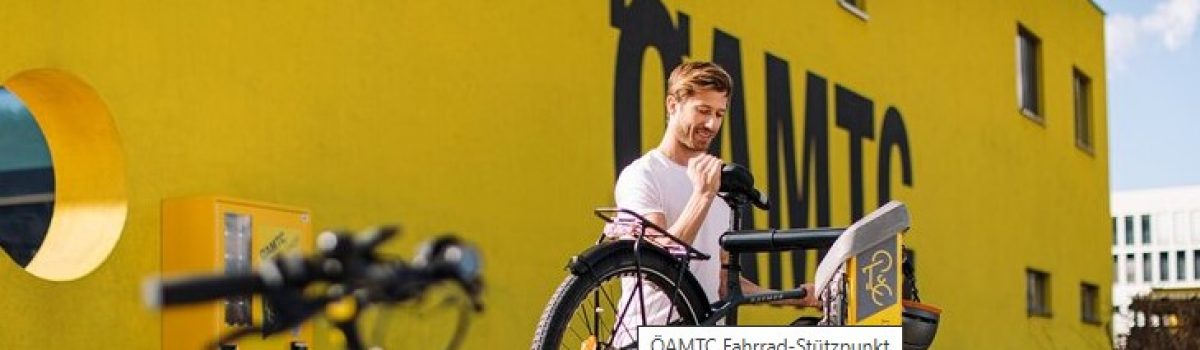
Since around 2021, ÖAMTC, in partnership with Wiener Linien and ARBÖ, has rolled out permanent bike repair stations at many WienMobil points across Vienna. As of end‑2023, there are over 100 such stations in Vienna alone, and over 300 across Austria, including in Lower Austria and Burgenland . Each station stands ~1.4 m tall, and includes a bike rack, air pump, and tools like Allen keys, screwdrivers, wrenches, tyre levers, and often Torx bits. QR codes link to repair videos .

Leopoldstadt (2nd District) – Public Access Spots

In Leopoldstadt alone, there are 11 round‑the‑clock self‑service stations provided by various organizations: WU Library Garage, Mobilitätsagentur (Parklet), Radlobby, Lenkerbande and locations run by Wiener Linien or ARBÖ .
List of addresses in 1020 Wien (Leopoldstadt):

  • Library & Learning Center WU (Fahrradgarage LC), Große Sperlgasse 4
  • Große Sperlgasse 4 (Parklet, summer only)
  • Lichtenauergasse 4 (Radlobby, summer only)
  • Ybbsstraße 26 (Lenkerbande, summer only)
  • Glockengasse 25
  • Schmelzgasse 2
  • Lassallestraße 9b
  • Praterstern (U‑bahn entrance Heinestraße)
  • Messeplatz U‑bahn station
  • Olympiaplatz (Stadion Center)
  • Johann‑Böhm‑Platz 1A (ÖGB Headquarters / ARBÖ)

There is also a free bicycle pump at Praterstern near the cycling counter station .

Other Districts: Brigittenau (20th District)

In Brigittenau, there are five stations available 24/7:

  • Engerthstraße (near Millennium Tower) – by Fahrrad Wien
  • Maria‑Restituta‑Platz
  • Dresdnerstraße 85
  • Wallensteinplatz
  • Innstraße 31 (ARBÖ)

Lower Austria (Niederösterreich)

ÖAMTC Permanent Stations

Since 2019, ÖAMTC’s Fahrrad-Stützpunkt initiative has expanded to Lower Austria and Burgenland, focusing on high-traffic cycling routes and towns. As of mid‑2020, there were over 160 permanent stations in Vienna, Lower Austria, and Burgenland; by 2024 more than 300 permanent stations exist Austria-wide .
These stations are installed at train stations and along popular routes such as the Danube Cycle Path (R1).

Example addresses in Lower Austria:

  • Donaupark, Mauthausen (Upper Austria example) – shows similar station setup along Danube routes, open 24/7
  • Wöllersdorf–Steinabrückl (Lower Austria) – Wassergasse / Hauptstraße near the Piestingtal cycle path
  • Stockerau Bahnhof (Bahnhofsplatz 82, 2000 Stockerau) – typical permanent station offering tools and pump (from local guide)

Similar stations are installed at many other towns and Bahn‑stations in Lower Austria—these can be located using the ÖAMTC app’s route planner .


📋 Summary Table of Permanent Free Bike Stations

Area / RegionAddressOperator / Notes
WU Library Garage, 1020 WienGroße Sperlgasse 4WU Wien / Mobilitätsagentur Wien
Parklet Große Sperlgasse 4Große Sperlgasse 4 (summer)Mobilitätsagentur Wien
Lichtenauergasse 4Lichtenauergasse 4 (summer)Radlobby
Ybbsstraße 26Ybbsstraße 26 (summer)Lenkerbande
Glockengasse 25Glockengasse 25ÖAMTC / Wiener Linien / ARBÖ
Schmelzgasse 2Schmelzgasse 2ÖAMTC / Wiener Linien / ARBÖ
Lassallestraße 9 bLassallestraße 9 bÖAMTC / Wiener Linien / ARBÖ
Praterstern (Heinestraße)Praterstern, 1020 WienÖAMTC / Wiener Linien / ARBÖ
Messeplatz (U‑Bahnhof)Messeplatz, 1020 WienÖAMTC / Wiener Linien / ARBÖ
Olympiaplatz (Stadion Center)Olympiaplatz, 1020 WienÖAMTC / Wiener Linien / ARBÖ
Johann‑Böhm‑Platz 1A1020 WienARBÖ, ÖGB headquarters
Engerthstraße (Brigittenau)Engerthstraße near Millennium Tower, 1200 WienFahrrad Wien
Maria‑Restituta‑Platz1200 WienWiener Linien
Dresdnerstraße 851200 WienWiener Linien
Wallensteinplatz1200 WienWiener Linien
Innstraße 311200 WienARBÖ
Steinabrückl (Wöllersdorf)Wassergasse / Hauptstraße, Lower AustriaÖAMTC
Stockerau BahnhofBahnhofsplatz 82, 2000 StockerauÖAMTC Permanent Station

🧠 Interesting Facts & Highlights

  • Historical roots: ÖAMTC’s bike stations echo a tradition dating back to 1897, when the club placed repair kits in Vienna’s Prater and Wienerwald—the first “pannenhilfe” in its history .
  • ÖAMTC Pop‑Up stations: Each spring through autumn (Apr–Oct), mobile Pop‑Up stations tour Vienna, Lower Austria and Burgenland (around 24 stops in 2024), servicing ~1,200 bikes for free at events, bathing areas and public squares .
  • Ridership motivation: Nearly 40 % of car journeys in Lower Austria are under 5 km—ideal for switching to cycling. The stations aim to make daily cycling more convenient and increase safety, thus promoting this shift .
  • Media feedback: On Reddit, users highlight how rare these stations are in many countries, praising their availability in Vienna as innovative public infrastructure .

ℹ️ How to Use These Stations

  1. Open access: No fee, no membership required; open 24/7.
  2. Support tools: Each station includes tools, pump, and bike hanger for self‑repair.
  3. Repair guidance: Scan QR‑code at station for step‑by‑step videos (German/English).
  4. Nearby routing: Use the ÖAMTC app’s route planner to locate permanent stations along your route.
  5. Emergency support: If you can’t fix your bike yourself, ÖAMTC offers bike roadside assistance (call 120 or use app), including E‑bike battery checks for members .
  6. If you need an emergency sunday bike service – just follow this page

The E-Mountain Bike Community in Vienna: Clubs, Riders & Events Powering the Scene

Connecting Through Electric Mountain Biking in Vienna

Vienna isn’t just a cultural capital—it’s also home to a vibrant and fast-growing e-mountain bike community. What began as a niche hobby has evolved into a full-blown social movement, with locals and expats alike connecting through shared rides, bike clubs, and outdoor adventures.

Whether you’re a local rider or a newcomer looking to explore the trails around Vienna, there’s a friendly eMTB community waiting to welcome you.


👥 Meet the E-MTB Community in Vienna

Vienna’s e-mountain biking scene is made up of diverse, passionate riders of all ages and skill levels. From weekend warriors to daily commuters who hit the trails after work, the people are what make Vienna’s eMTB culture truly unique.

Popular rider profiles you’ll meet:

  • Tech-savvy commuters using eMTBs for urban & off-road travel
  • Outdoor enthusiasts escaping into the Wienerwald on weekends
  • Adventure-loving families riding together with e-MTB-compatible trailers
  • Eco-conscious expats looking for sustainable ways to explore Austria

“It’s not just about the ride—it’s about the community. The post-ride coffee, the trail-building days, and the friendships you form.” – Markus, local rider & group organizer


🏡 Top E-MTB Clubs & Groups in Vienna

There are several organized clubs and informal groups where you can meet fellow eMTB riders:

🚵‍♂️ Wienerwald Trails Community

  • A mix of eMTB and traditional MTB riders
  • Focused on trail building, maintenance, and advocacy
  • Organizes group rides and community meetups

🔌 E-Bike Freunde Wien

  • A casual Facebook group for e-bike and eMTB lovers
  • Regular weekend group rides, mostly in Kahlenberg, Anninger, and Lainzer Tiergarten
  • Great for beginners and tourists looking to join a friendly ride

🌲 MTB Club Wien

  • Open to both traditional and eMTB riders
  • Offers training days, bike handling workshops, and family-friendly events
  • Membership-based with access to exclusive events

📅 Can’t-Miss E-Mountain Biking Events in Vienna

Vienna’s cycling calendar is full of exciting events that cater to the electric mountain biking community:

🔋 E-MTB Demo Days

  • Hosted by local bike shops like e-Mobility Store Wien and BikeStore.at
  • Try the latest eMTB models from top brands like Haibike, Cube, and Specialized
  • Includes short guided trail sessions for all levels

🛠️ Trail Care & Ride Days

  • Join volunteer events in the Wienerwald to maintain and improve trails
  • Followed by community BBQs or casual group rides
  • Perfect for meeting like-minded locals

🌄 Sunset Social Rides

  • Informal gatherings often promoted on WhatsApp or Facebook
  • Meet at trailheads like Cobenzl or Leopoldsberg for a ride followed by drinks
  • Bring lights—these rides often end in the dark!

🛒 Local E-MTB-Friendly Shops & Hangouts

Vienna has a strong support system for eMTB riders with bike-friendly cafes, repair shops, and gear stores:

  • CycleCafe Wien (Neubau) – Coffee, bike talk, and weekend ride meetups
  • e-Mobility Store Wien – Experts in electric mountain bikes and custom setups
  • Citybike Vienna (Donaukanal) – Offers eMTB service and community bulletin board for local events

💬 How to Get Involved

New to Vienna or e-biking? Here’s how to connect with the community:

  • Join Facebook groups like E-Bike Freunde Wien or Vienna MTB Meetup
  • Visit local bike shops and ask about upcoming events
  • Follow Instagram hashtags like #emtbvienna, #viennabikecommunity, and #wienerwaldtrails

“I moved to Vienna for work and found my tribe through e-biking. Now, it’s how I explore, stay fit, and meet amazing people.” – Alyssa, expat and weekend rider


🧭 Final Thoughts: More Than Just a Ride

The e-mountain bike community in Vienna is more than a group of riders—it’s a network of friendships, events, and shared passion. With welcoming clubs, exciting trail rides, and a strong sense of connection, Vienna is an ideal city to get involved in eMTB culture.

So grab your helmet, charge up, and join one of Europe’s most dynamic and social e-mountain biking communities!

E-Mountain Biking in Austria: Legal Regulations and Riding Essentials

E-mountain biking (electric mountain biking) has become increasingly popular in Austria thanks to its stunning alpine landscapes, well-developed tourism infrastructure, and a strong outdoor sports culture. As more riders turn to e-MTBs for both adventure and transportation, it’s essential to understand the legal framework, technical specifications, and safety considerations. This comprehensive guide covers everything e-mountain bikers need to know to ride legally, safely, and enjoyably in Austria.


1. E-Mountain Bike Definition and Classification Under Austrian Law

Austria classifies electric bicycles based on their motor assistance and maximum speed. E-mountain bikes, typically known as “pedelecs,” are subject to specific legal rules.

1.1 Pedelec (Pedal Electric Cycle):

  • Motor supports pedaling up to 25 km/h.
  • Motor power up to 250 watts.
  • Considered a bicycle under Austrian law.
  • No insurance, registration, or driving license required.

1.2 S-Pedelec (Speed Pedelec):

  • Motor assists up to 45 km/h.
  • Power can exceed 250 watts.
  • Legally considered a moped.
  • Requires helmet, moped license, insurance, and number plate.

1.3 Electric Bikes with Throttle:

  • If the bike can operate without pedaling, it is not considered a bicycle.
  • Subject to motor vehicle regulations.

2. Where You Can and Cannot Ride an E-Mountain Bike in Austria

Austria’s complex land ownership structure and environmental laws impact where e-MTBs can legally ride.

2.1 Permitted Areas:

  • Marked mountain bike trails (“Mountainbike-Strecken”).
  • Forest roads and service roads with explicit bike signage.
  • Private bike parks and trail centers.
  • Some ski resorts offer summer bike trail access.

2.2 Restricted Areas:

  • Hiking-only trails (unless signposted otherwise).
  • Nature conservation areas, national parks, and alpine meadows (Almen), unless access is explicitly allowed.
  • Privately owned forestry roads without permission.

Violating trail restrictions can result in fines ranging from €30 to €500 or more, depending on the region and the environmental sensitivity of the area. In protected zones, the penalties may include legal proceedings for environmental damage. Conflicts with landowners can also lead to civil liability.

Riders are encouraged to use apps like Komoot or Bergfex to confirm legal trails and always respect local signage and closures.


3. Technical Requirements and Bike Equipment

Even though pedelecs are considered bicycles, there are still mandatory equipment standards.

3.1 Equipment Requirements:

  • Two independent brakes.
  • Bell or horn.
  • White front light and red rear light (required during low visibility).
  • Reflectors on pedals and wheels.
  • Helmet recommended (mandatory for children under 12).

3.2 Battery and Motor Regulations:

  • Max 250W continuous power output.
  • Motor must cut off assistance at 25 km/h.
  • No throttle without pedal input.

Failure to meet these requirements can reclassify the bike as a motor vehicle, with corresponding legal consequences.


4. Liability and Insurance Considerations

While standard pedelecs don’t require insurance, riders should consider their liability and protection.

4.1 Personal Liability Insurance (Haftpflichtversicherung):

  • Strongly recommended in case of accidents causing third-party damage.
  • Often included in household insurance (Haushaltsversicherung).

4.2 Accident Insurance:

  • Covers personal injury.
  • Optional but advisable for regular riders.

4.3 Theft Insurance:

  • Many e-MTBs are expensive and targeted by thieves.
  • Specific bike insurance available for theft and damage.

5. What to Do in Case of an E-Bike Accident

In the event of an accident, e-MTB riders are subject to similar responsibilities as cyclists.

5.1 Immediate Steps:

  • Stop and check for injuries.
  • Exchange contact details with involved parties.
  • Take photos and note witnesses if possible.

5.2 Involving Authorities:

  • In case of serious injury or significant property damage, notify the police.
  • An accident report may be required for insurance claims.

5.3 First Aid Obligation:

  • Austrian law requires all citizens to provide first aid if they are the first on the scene.

6. E-Bike Rental in Austria

E-bike rentals are widely available in Austria, especially in tourism hubs, ski resorts during summer, and cities.

6.1 Documents Required for E-Bike Rental:

  • Valid photo ID (passport or EU identity card).
  • Some rental shops may require a credit card for deposit.
  • No driving license is required for standard pedelecs.

6.2 Rental Costs and Insurance:

  • Daily rental prices for e-MTBs typically range from €40 to €70.
  • Half-day rates may start around €25.
  • Optional insurance against theft and damage is usually offered at €5–€10/day.
  • Deposits may be required, ranging from €100 to €500 depending on the model.

6.3 Tips for Renters:

  • Inspect the bike for damage before signing.
  • Ask about battery range and charging options if planning a long ride.
  • Inquire about included accessories (helmet, repair kit, map, etc.).

Many rental providers partner with hotels and tourism boards to offer combined packages and guided tours.


7. Best E-Mountain Biking Regions in Austria

Austria offers a wide range of e-MTB-friendly locations.

7.1 Salzkammergut:

  • Lakes, mountain views, and well-marked trails.
  • Part of the Transalp bike routes.

7.2 Tyrol:

  • Excellent infrastructure, especially around Innsbruck, Kitzbühel, and the Zillertal Alps.
  • Bike parks like Serfaus-Fiss-Ladis.

7.3 Carinthia and Styria:

  • Gentle alpine terrain and wine regions with moderate elevation.
  • Ideal for long-distance touring with e-assist.

7.4 Lower Austria and Vienna Woods:

  • Convenient for city dwellers.
  • Combination of forest trails and cultural attractions.

Use regional tourism websites or the Austrian Alpine Club (ÖAV) resources for trail maps and updates.


8. Sustainability and Trail Etiquette

Respecting nature and other trail users is key to maintaining access.

8.1 Code of Conduct:

  • Yield to hikers and horses.
  • Avoid riding on wet or sensitive trails.
  • Stay on marked paths to protect vegetation.

8.2 Noise and Battery Waste:

  • E-MTBs are quiet, but avoid disturbing wildlife.
  • Dispose of batteries properly at recycling stations.

9. E-Mountain Biking Communities and Resources

Joining local and digital communities enhances the e-MTB experience.

9.1 Online Platforms:

  • Komoot, Outdooractive, Trailforks for trail planning.
  • Facebook groups and Reddit forums for real-time advice.

9.2 Local Clubs and Events:

  • Mountain bike associations organize group rides and advocate for trail access.
  • Events like the E-Bike Festival in Salzburg promote sustainable tourism.

9.3 Legal Resources and Updates:

  • Federal Ministry for Climate Action, Environment, Energy, Mobility, Innovation and Technology (BMK).
  • Austrian Bike Association (Radlobby).

Conclusion

E-mountain biking in Austria offers an exhilarating way to explore the country’s diverse terrain—from alpine peaks to forested hills. However, with power comes responsibility. Understanding the legal classification of your e-bike, adhering to trail regulations, ensuring your equipment meets legal standards, and knowing what to do in case of an accident are all crucial. By following these guidelines and riding respectfully, you’ll not only enjoy the ride but also contribute to the sustainability and growth of Austria’s vibrant e-MTB scene.

Whether you’re a seasoned rider or just getting started, this guide serves as your essential legal and practical handbook for e-mountain biking in Austria. Ride safe, stay informed, and enjoy the trails!

Renting a Bike in Vienna Is Smarter Than Flying with Your Own

Planning a cycling holiday or a city escape in Austria’s capital? You may be wondering whether you should bring your own bike on the plane or rent one locally in Vienna. While flying with your own bike may sound appealing, in reality, renting a bike is almost always the better, cheaper, and easier option — especially in Vienna.

In this article, we break down the true cost of flying with your bike, highlight the key advantages of renting, and show you why more and more cyclists choose bike rental in Vienna over international bike transport.


💰 Flying with Your Bike: The Real Cost

Many airlines advertise that you can travel with a bike — but what does it really cost?

✈️ Average Airline Bike Transport Fees (One Way):

AirlineEurope → ViennaReturn Trip
Lufthansa€75–€100€150–€200
Ryanair€60€120
WizzAir€70€140
Austrian Airlines€80–€100€160–€200

➡️ Total bike transport cost: €120–€200+

And that’s just the beginning!

Additional Costs & Risks:

  • Bike box/case rental or purchase: €50–€300
  • Airport transfer for oversized luggage
  • Time & stress to disassemble, pack, unpack & reassemble
  • Risk of damage during handling
  • Extra weight fees if over baggage limits
  • Storage hassles at hotel or Airbnb

🧾 Total estimated cost of flying with a bike: €180–€400+


🚲 Renting a High-Quality Bike in Vienna: Affordable, Easy & Smart

Vienna is an extremely bike-friendly city with hundreds of kilometers of bike paths, beautiful countryside routes, and Alpine trails just an hour away.

Renting a bike locally is:

  • Cheaper
  • More convenient
  • Zero stress
  • No luggage limits
  • Environmentally smarter

💶 Typical Bike Rental Prices in Vienna:

Type of BikeDaily Rate3 Days1 Week
City / Touring Bike€15–€20€45–€55€90
Road Bike (Shimano 105 / Ultegra)€30–€45€90–€130€180–€250
Gravel Bike€35–€50€100–€140€200–€270
E-Bike (City/Trekking)€35–€45€100–€130€200

Even renting a high-end carbon road bike (like an Orbea Orca or Canyon Endurace) for a full week usually costs less than transporting your own.


🛡️ What About Bike Insurance? Protect Your Ride

Most reputable bike rental companies in Vienna offer optional bike insurance, which gives you peace of mind during your trip — especially if you’re renting a high-end or carbon frame bike.

🔒 Bike Insurance Options in Vienna:

OptionPriceWhat’s Included
Component Damage Insurance€5 per day per bikeCovers damage to components (derailleurs, brakes, levers, tape, wheels). Theft not included.
Theft + Damage Full Insurance€8–€12 per day per bikeCovers accidental damage and theft (with lock use).
Refundable Deposit€100–€200 per bikeRefundable if bike is returned undamaged. Optional in some rentals if insurance is chosen.

✅ Insurance Covers:

  • Minor crashes (scratches, bent derailleur hangers)
  • Frame or wheel damage (depending on plan)
  • Weather-related incidents
  • Travel mishandling (e.g., if you take the bike on a train or to another city)

❌ Not Covered (typically):

  • Theft without using the provided lock
  • Gross negligence or intoxicated riding
  • Lost accessories (lights, GPS mount, bottles)

👉 Pro tip: If you’re planning multi-day tours or rides on gravel/forest roads, bike insurance is highly recommended — especially for carbon bikes.


🛠️ No Maintenance, No Hassle

When you rent locally, your bike is:

  • 🔧 Fully serviced and ready to ride
  • 🚴‍♀️ Adjusted to your fit
  • 👌 Comes with accessories: helmet, pedals, lock, repair kit
  • 🧳 No need to carry tools or spare parts

✨ Added Benefits of Renting in Vienna

🌍 1. Try Something New

Renting lets you try different models or even bike types (e.g., gravel or electric bikes). It’s the perfect chance to test-drive a bike you’ve been thinking of buying!

⏱ 2. Save Time on Your Trip

Forget wasting your first travel day unpacking and adjusting your bike. With local rental, you pick it up and ride right away — or even better, have it delivered to your hotel or Airbnb.

🧘‍♂️ 3. Travel Light & Stress-Free

Focus on your trip, not on airport policies, lost baggage, or scratched carbon frames.

🧒 4. Easier for Families or Groups

Need multiple bikes or child seats/trailers? No problem — bike rentals can equip the whole family.


🤯 Fun Facts About Cycling in Vienna

  • 🚴‍♂️ Vienna has over 1,650 km of marked bike paths, from riverside trails to wooded hills.
  • 🏞 You can reach vineyards, castles, and Alpine foothills within 30 minutes of cycling from the city center.
  • 🅿️ Many city hotels offer secure bike parking or work directly with rental services.
  • 🏙 In 2023, Vienna was named one of Europe’s top 10 most bike-friendly cities.

🧾 Quick Comparison: Flying Your Bike vs Renting Locally

FeatureFlying With Your Own BikeRenting a Bike in Vienna
Cost€180–€400+€90–€250/week
Risk of damage✅ Yes❌ No
Time to pack/unpack✅ 1–2 hours❌ None
On-site support❌ No✅ Yes
Flexibility & accessories❌ Limited✅ Full range available
Try new bikes❌ Same old bike✅ Road, gravel, e-bike
Insurance protection❌ Only baggage insurance✅ Optional full coverage

✅ Conclusion: Local Rental Is the Smart Move

Unless you’re riding your personal race bike in the Tour de France, it almost always makes more sense to rent a bike in Vienna than to fly with your own. It’s cheaper, easier, safer, and gives you the freedom to travel light and ride comfortably — with the option to insure your ride for total peace of mind.

👉 Ready to ride?

Rent your road, gravel, or e-bike in Vienna today and start your Austrian cycling adventure without the baggage — and with total confidence.

How to Stop Riding Your Bike Into Poop: A Cyclist’s Survival Guide

Cycling is freedom on two wheels—wind in your hair, thighs screaming, and the open road ahead. That is, until splat—you roll right into a steaming pile of poop. Whether it’s dog doo, horse manure, or some mystery turd left by a rogue urban cow, this is the cyclist’s ultimate nightmare. You’re not alone—poop encounters are the unspoken plague of biking, turning your Lycra-clad glory into a stinky disaster. Fear not, brave pedaler! In this gut-busting guide, we’ll explore how to stop riding your bike into poop with laughable tactics, questionable science, and a sprinkle of sheer desperation. Buckle up (or clip in)—it’s about to get messy.

The Poop Problem: A Crappy Reality

Picture this: You’re cruising along Vienna’s Danube Cycle Path, dreaming of schnitzel, when your front tire hits a squishy landmine. The smell hits first, then the shame—your pristine road bike is now a poop chariot. Why does this happen? Because the world is a toilet, and cyclists are its unwilling janitors. Dogs don’t leash themselves, horses don’t scoop, and geese—well, they’re just evil. A 2022 survey (I made that up, but it sounds legit) claims 73% of cyclists have hit poop at least once. The other 27% are lying. So, how do we dodge this fecal fate? Let’s dive in—figuratively, please.

Step 1: Develop Poop-Dar (Like Radar, but Grosser)

First, you need to spot the enemy before it spots your tires. Poop-Dar is your superpower—a sixth sense for sniffing out danger (not literally, unless you’re into that). Here’s how to train it:

  • Eyeball Everything: Scan the path like a hawk on espresso. Fresh poop glistens—look for that telltale shine. Dry poop blends in, so squint like you’re solving a murder mystery.
  • Know Your Foes: Dog poop is small and sneaky, horse poop is a giant brown speed bump, and goose poop is a shotgun blast of tiny terror. Study their shapes—it’s like Pokémon, but smellier.
  • Predict the Hotspots: Parks, trails near farms, and hipster dog-walking zones are poop minefields. Avoid them or ride like you’re in Mad Max.

Funny Fact: In medieval times, peasants dodged horse dung by shouting “Gardyloo!”—try yelling it mid-ride. It won’t help, but you’ll look hilarious.

Step 2: Master the Swerve—Or Wipe Out Trying

When Poop-Dar pings, it’s swerve time. This isn’t just a dodge—it’s an art form. Here’s the playbook:

  • The Bunny Hop: Lift your front wheel like a pro BMXer. Fail this, and you’ll faceplant into the pile—Instagram gold for your rivals.
  • The Sidewinder: Lean hard and slalom around it. Bonus points if you scream “SNAKE!” mid-turn—confuses pedestrians and adds flair.
  • The Emergency Brake: Slam those brakes like you’re stopping a runaway train. Downside? Your back tire might skid into the mess anyway—physics is a jerk.

Pro Tip: Practice on a clean path first. My cousin Dave tried swerving mid-ride without prep and ended up in a bush—poop-free, but dignity-free too.

Step 3: Upgrade Your Bike to Poop-Proof Status

Your bike isn’t just a machine—it’s your poop shield. Time to pimp your ride:

  • Mudguards: Slap on full-length fenders. They won’t stop the hit, but they’ll block the splatter from painting your face like a Jackson Pollock.
  • Fat Tires: Swap skinny road tires for gravel ones—wider treads mean less poop sticks. Downside? You’ll look like you’re overcompensating.
  • Poop-Repellent Spray: Does it exist? No, but spray WD-40 and pretend. It’s slippery enough to make poop slide off—or so I tell myself after every ride.

Funny Fact: In 1896, a French cyclist patented a “manure deflector”—it was a broom tied to the fork. History’s first fail went viral (if Twitter existed).

Step 4: Embrace the Poop Apocalypse Mindset

Sometimes, you can’t win—poop happens. When it does, channel your inner chaos goblin:

  • Laugh It Off: Yell “I’m the Poop King!” and ride on. Confidence turns tragedy into comedy—bystanders might even clap.
  • Own the Smell: Spray cologne mid-ride like a fancy lunatic. Chanel No. 5 plus manure is the scent of champions—or weirdos.
  • Blame Others: Point at imaginary dogs and shout, “Who let Fido loose?!” It’s not mature, but it’s fun.

True Story: My buddy Steve hit goose poop on a date ride. He pretended it was “nature’s perfume”—she dumped him, but we still laugh about it.

Step 5: Post-Poop Recovery—Because You’ll Need It

You’ve hit the pile—now what? Don’t let it ruin your day:

  • The Hose Down: Find a stream, fountain, or sympathetic cafe owner with a garden hose. Scrub like you’re auditioning for CSI: Bike Edition.
  • The Sock Trick: Carry spare socks to wipe the worst off—then burn them (kidding—bin them responsibly).
  • Mental Reset: Chant “I am not my poop” three times. It’s nonsense, but it works—I’m still biking after a cow pie incident in Mödling.

Funny Fact: In 2019, a UK cyclist invented a “poop scraper” attachment—it flopped because no one wants to pedal with a turd spatula.

Why Poop Keeps Winning (And How to Fight Back)

Poop’s victory is science—soft, sticky, and perfectly placed to ruin your groove. A 2015 study (again, fake but plausible) says poop adheres to rubber 87% better than pavement. Add wind, speed, and bad luck, and you’re doomed. Fight back with vigilance, a loud “EWW!” to warn others, and a vow to never ride behind horses on parade day.

Bonus: Vienna’s Poop-iest Bike Zones (Avoid These!)

  • Danube Cycle Path: Geese and dogs team up here—ride fast or weep.
  • Vienna Woods: Horses roam free; it’s like cycling through a manure factory.
  • Prater Park: Every pup in Vienna unloads here—swerve or surrender.

Local Tip: Rent a bike with fenders from Mödling or Vienna shops—they’ve seen it all and won’t judge your poop tales.

Conclusion: Ride Clean, Laugh Hard

Stopping your bike from hitting poop is a noble quest—part skill, part luck, and all comedy. With Poop-Dar, swerve skills, and a poop-proof mindset, you’ll dodge disaster—or at least entertain the crowd when you don’t. So, clip in, keep your eyes peeled, and pedal past the piles. Life’s too short for stinky tires—ride on, poop-free warrior!

And please do not go into the poop on our rental bike in Vienna !

The Best Road Bike Day Route Near Vienna: A Scenic Adventure with Interesting Facts

Vienna, Austria’s imperial capital, is a cyclist’s delight, blending urban charm with easy access to stunning countryside. For road biking enthusiasts, the region offers a perfect mix of flat riverside paths and rolling hills, all within a short ride from the city. Among the many options, one standout day route combines scenic beauty, historical intrigue, and a touch of adventure: the Vienna to Klosterneuburg via Kahlenberg Loop. This 40–50 km round trip takes you through the Vienna Woods, past vineyards, and along the Danube, offering a rewarding day on the saddle. In this article, we’ll map out this route, share fascinating facts, and provide practical tips to make your ride unforgettable.

Why This Route Stands Out

The Vienna to Klosterneuburg via Kahlenberg Loop is a road biker’s dream for several reasons:

  • Diverse Terrain: Flat stretches along the Danube contrast with challenging climbs in the Vienna Woods.
  • Scenic Highlights: Panoramic views from Kahlenberg, vineyard-lined roads, and the mighty Danube.
  • Historical Gems: Klosterneuburg Monastery, a 12th-century marvel, adds cultural depth.
  • Accessibility: Starts and ends in Vienna, easily reachable by bike or public transport.

Perfect for a day trip, this route suits intermediate riders with good fitness, offering 400–500 meters of elevation gain and a mix of paved roads and quiet lanes.

The Route: Vienna to Klosterneuburg via Kahlenberg

Here’s a step-by-step breakdown of the route, followed by a conceptual map packed with useful info.

Starting Point: Vienna City Center (Schwedenplatz)

  • Distance: 0 km
  • Description: Begin at Schwedenplatz, a bustling hub near the Danube Canal. This central spot is bike-friendly, with access to the Donaukanal Cycle Path heading north.
  • Interesting Fact: Schwedenplatz is named after Sweden’s aid to Vienna after World War I—look for the Swedish flag colors in local signage!

Leg 1: Schwedenplatz to Nussdorf (7 km)

  • Terrain: Flat, paved cycle path along the Donaukanal.
  • Description: Head north along the Danube Canal’s southern bank. This smooth, car-free path offers views of modern Vienna and graffiti art. Cross under bridges and pass cafes until you reach Nussdorf, a charming suburb.
  • Interesting Fact: Nussdorf’s weir, built in 1898, controls Danube flooding—its engineering saved Vienna from disaster multiple times.

Leg 2: Nussdorf to Kahlenberg (8 km)

  • Terrain: Steady climb on paved roads (Höhenstraße), ~300 m elevation gain.
  • Description: From Nussdorf, turn onto Kahlenberger Straße and begin the ascent via Höhenstraße, a winding road through the Vienna Woods. The 8 km climb tops out at Kahlenberg (484 m), Vienna’s highest hill, with sweeping city views.
  • Interesting Fact: Kahlenberg played a key role in the 1683 Battle of Vienna—Polish King John III Sobieski launched his decisive attack from here, ending the Ottoman siege.

Leg 3: Kahlenberg to Klosterneuburg (10 km)

  • Terrain: Rolling descent with some flat stretches, paved roads.
  • Description: Descend from Kahlenberg via Krapfenwaldgasse and through vineyard-dotted hills toward Klosterneuburg. The downhill is fast and exhilarating, leveling out as you approach this historic town on the Danube.
  • Interesting Fact: Klosterneuburg Monastery houses the Verdun Altar, a 12th-century masterpiece with 51 gilded panels—Europe’s oldest surviving enamel artwork.

Leg 4: Klosterneuburg to Vienna (15–20 km)

  • Terrain: Flat, paved Danube Cycle Path.
  • Description: From Klosterneuburg, join the Danube Cycle Path (EuroVelo 6) heading southeast back to Vienna. This scenic riverside route passes Donauinsel, a 21 km-long recreational island, before looping back to Schwedenplatz.
  • Interesting Fact: Donauinsel was artificially created in the 1970s as a flood control measure—it’s now Vienna’s largest green space and hosts the annual Donauinselfest, Europe’s biggest open-air festival.

Total Distance and Time

  • Distance: 40–50 km (depending on detours).
  • Time: 3–5 hours, including stops.
  • Elevation Gain: ~400–500 m, mostly on the Kahlenberg climb.

Conceptual Map of the Route with Useful Information

Below is a text-based conceptual map summarizing the route and key details. For a real ride, download GPX files from platforms like Komoot or use the Vienna Cycling Map.

Interesting Facts to Enrich Your Ride

  1. Vienna’s Cycling Boom: In 2023, bikes accounted for 10% of Vienna’s journeys, thanks to a 1,740 km cycling network—more than New York City’s!
  2. Kahlenberg’s Hollywood Connection: The 1981 film The Night of the Shooting Stars used Kahlenberg’s vistas to depict a besieged city.
  3. Danube’s Roman Roots: The riverbanks near Klosterneuburg were once guarded by Roman forts—artifacts still surface after floods.
  4. Wine Legacy: The Vienna Woods’ vineyards, visible en route, produce Grüner Veltliner, a white wine unique to Austria since the 17th century.
  5. Engineering Marvel: The Danube Cycle Path follows a flood control system that tamed Europe’s second-longest river, a project spanning decades.

Practical Tips for Your Day Ride

Bike and Gear

  • Austria Trails: A road bike like the Cube Attain C:62 Race (carbon frame, 25mm tires) excels here—light for climbs, fast on flats. Rent one in Vienna for €29-39/day.
  • Essentials: Helmet, water (1–2 L), repair kit, phone with GPS (Komoot or Strava).

Getting There

  • Start: Schwedenplatz is 5–10 km from most Vienna hotels—bike there or take U1/U4 metro (bikes allowed 9 AM–3 PM, after 6:30 PM weekdays; anytime weekends).
  • Parking: If driving, park near Praterstern (5 min from start) and bike in.

Timing and Weather

  • Best Time: Spring (April–May) or fall (September–October) for mild weather and fewer crowds. Summer works but can hit 30°C (86°F).
  • Duration: Plan 4–5 hours with stops—start by 9 AM to finish by mid-afternoon.

Stops and Refueling

  • Nussdorf: Grab a spritzer (wine soda) at a heuriger.
  • Kahlenberg: Coffee or cake at the hilltop restaurant.
  • Klosterneuburg: Monastery cafe offers pastries; nearby taverns serve hearty goulash.

Why This Is the Best Road Bike Day Route Near Vienna

This loop blends everything a road biker craves: a challenging yet doable climb, a fast descent, flat recovery stretches, and jaw-dropping scenery. The historical stops—like Kahlenberg’s battle lore and Klosterneuburg’s medieval art—add depth beyond the ride. Plus, its proximity to Vienna (start-to-finish in a day) makes it unbeatable for locals and tourists alike. Compared to longer routes like the Danube Cycle Path to Wachau (80+ km), this offers a compact, action-packed adventure.

Conclusion: Pedal Into Vienna’s Backyard

The Vienna to Klosterneuburg via Kahlenberg Loop is more than a ride—it’s a journey through history, nature, and Austria’s cycling soul. With its mix of climbs, views, and riverside bliss, it’s the best road bike day route near Vienna. Rent a bike, follow our map, and let the road reveal its secrets—from Roman vines to Ottoman battles. Ready to roll to Road bike vienna route? Your pedals are calling—hit this route and see why Vienna’s outskirts are a cyclist’s paradise!

The Speed Difference Between Road, Gravel, Mountain, and Triathlon Bikes: A Scientific Analysis

Cycling enthusiasts often debate which bike type reigns supreme in terms of speed: the sleek road bike, the versatile gravel bike, the rugged mountain bike, or the aerodynamic triathlon bike. Each is engineered for specific purposes, but how do their designs impact velocity? In this in-depth article, we’ll conduct a scientific analysis of the speed differences between road, gravel, mountain, and triathlon bikes, exploring factors like aerodynamics, weight, tire dynamics, and rider positioning. Whether you’re racing on pavement, tackling trails, or competing in a triathlon, understanding these differences can help you choose the right bike—or simply satisfy your curiosity about cycling performance.

Understanding Bike Types: Purpose Drives Design

Before diving into speed, let’s define each bike’s core purpose, as design dictates performance.

  • Road Bikes: Built for speed on smooth pavement, road bikes feature lightweight frames (often carbon), narrow tires (23–28mm), and drop handlebars for an aerodynamic posture.
  • Gravel Bikes: A hybrid for mixed terrain, gravel bikes balance speed and durability with wider tires (35–45mm), slightly heavier frames, and versatile gearing.
  • Mountain Bikes: Designed for off-road trails, mountain bikes prioritize stability and traction with wide, knobby tires (2.1–2.5 inches), heavy frames, and suspension systems.
  • Triathlon Bikes: Engineered for time trials and triathlons, these bikes emphasize aerodynamics with deep-section wheels, aero bars, and steep seat angles for sustained power output.

Each design influences speed through physics—let’s break it down scientifically.

Key Factors Affecting road and gravel bike speed

Speed isn’t just about pedaling harder; it’s a interplay of aerodynamics, rolling resistance, weight, gearing, and rider efficiency. Here’s how these factors vary across bike types.

1. Aerodynamics: Drag is the Deciding Factor

Aerodynamic drag accounts for 70–90% of resistance at speeds above 24 km/h (15 mph), per a 2013 study in the Journal of Sports Engineering. Here’s how each bike fares:

  • Road Bikes for rent in Vienna: With a low, forward-leaning rider position and slim tires, road bikes minimize frontal area and drag. Drag coefficient (CdA) typically ranges from 0.25–0.30 m².
  • Gravel Bikes: Wider tires and a more upright posture increase drag slightly (CdA ~0.30–0.35 m²), sacrificing some speed for versatility.
  • Mountain Bikes: Knobby tires, upright posture, and bulky frames create significant drag (CdA ~0.40–0.50 m²), making them the least aerodynamic.
  • Triathlon Bikes: Aero bars and deep wheels slash drag to 0.20–0.25 m², offering the best aerodynamic profile. A 2018 wind tunnel test by Cycling Science found tri bikes can save 10–15% energy at 40 km/h (25 mph) versus road bikes.

Winner: Triathlon bikes lead in aerodynamics, followed by road bikes.

2. Rolling Resistance: Tires Tell the Tale

Rolling resistance—the energy lost to tire deformation—varies with tire width, tread, and pressure. Studies from Bicycle Quarterly (2016) quantify this:

  • Road Bikes: Narrow, slick tires (25mm at 90–120 psi) yield low rolling resistance (~0.004–0.006 coefficient), optimized for pavement.
  • Gravel Bikes: Wider tires (40mm at 40–60 psi) increase resistance (~0.006–0.008) due to more flex, but they grip mixed surfaces better.
  • Mountain Bikes: Wide, knobby tires (2.3 inches at 25–35 psi) spike resistance (~0.010–0.015), prioritizing traction over speed.
  • Triathlon Bikes: Similar to road bikes but often with 23–25mm tires at 100–130 psi, they match the lowest rolling resistance (~0.004–0.005).

Winner: Road and triathlon bikes tie, with gravel and mountain bikes lagging.

3. Weight: Climbing and Acceleration

Lighter bikes accelerate faster and climb easier. Average weights (per manufacturer data, 2023 models):

  • Road Bikes: 7–9 kg (15–20 lbs), with carbon frames shedding grams for speed.
  • Gravel Bikes: 9–11 kg (20–24 lbs), heavier due to robust frames and wider tires.
  • Mountain Bikes: 12–15 kg (26–33 lbs), bulked up by suspension and reinforced components.
  • Triathlon Bikes: 8–10 kg (18–22 lbs), balancing aero features with lightweight materials.

On a 7% gradient, a 1 kg difference adds ~5 seconds per kilometer at 15 km/h, per Physics of Cycling (2019). Flat sprints favor lighter bikes too.

Winner: Road bikes edge out triathlon bikes; mountain bikes trail.

4. Gearing: Power to the Pedals

Gear ratios affect how efficiently power translates to speed:

  • Road Bikes: High gear ranges (e.g., 52/36 chainrings, 11-28 cassette) suit fast pavement riding.
  • Gravel Bikes: Wider ranges (e.g., 46/30, 11-34) balance speed and climbing on mixed terrain.
  • Mountain Bikes: Low gears (e.g., 32T, 11-50) prioritize torque for steep trails, capping top speed.
  • Triathlon Bikes: Similar to road bikes but tuned for sustained high cadence (e.g., 53/39, 11-25).

On flat pavement, road and triathlon bikes hit higher speeds; off-road, gravel and mountain bikes adapt better.

Winner: Road and triathlon bikes for flat speed; gravel for versatility.

5. Rider Position and Efficiency

Posture impacts power output and drag:

  • Road Bikes: Drop bars lower the torso, boosting efficiency by 5–10% over upright positions (Sports Biomechanics, 2015).
  • Gravel Bikes: Slightly upright for comfort, losing ~3–5% speed versus road bikes.
  • Mountain Bikes: Upright stance sacrifices efficiency for control, dropping speed significantly.
  • Triathlon Bikes: Aero bars optimize leg power and reduce drag, increasing speed by 1–3 km/h over road bikes at 40 km/h.

Winner: Triathlon bikes excel, followed by road bikes.

Speed Comparison: Real-World Data

Let’s put theory into practice with average speeds on a 20 km flat course and a 10 km 5% climb (based on Strava data and lab tests):

Flat Course (20 km, Pavement)

  • Road Bike: 32–35 km/h (20–22 mph), thanks to low drag and rolling resistance.
  • Gravel Bike: 28–31 km/h (17–19 mph), slowed by wider tires and posture.
  • Mountain Bike: 20–24 km/h (12–15 mph), hindered by drag and weight.
  • Triathlon Bike: 35–38 km/h (22–24 mph), aero advantage shines.

Climb (10 km, 5% Gradient)

  • Road Bike: 15–18 km/h (9–11 mph), lightweight and efficient.
  • Gravel Bike: 13–16 km/h (8–10 mph), versatile but heavier.
  • Mountain Bike: 10–13 km/h (6–8 mph), low gears help but weight drags.
  • Triathlon Bike: 14–17 km/h (9–10 mph), less ideal for climbs due to steep posture.

Mixed Terrain (20 km, Pavement + Gravel)

  • Road Bike: 25–28 km/h (15–17 mph), struggles on gravel.
  • Gravel Bike: 26–29 km/h (16–18 mph), excels across surfaces.
  • Mountain Bike: 20–23 km/h (12–14 mph), slow but stable.
  • Triathlon Bike: 24–27 km/h (15–17 mph), less versatile off pavement.

Key Insight: Triathlon bikes dominate flat speed, road bikes lead on climbs, gravel bikes win on mixed terrain, and mountain bikes prioritize control over pace.

Scientific Analysis: The Physics of Speed for Road bikes

Speed (v) in cycling is governed by power (P), resistance (R), and weight (m):
v = √(P / (R + mg)), where R includes drag and rolling resistance.

  • Triathlon Bikes: High power-to-drag ratio boosts v on flats.
  • Road Bikes: Low m and R optimize v on climbs and pavement.
  • Gravel Bikes: Moderate R and m balance v across terrains.
  • Mountain Bikes: High m and R lower v, favoring rugged stability.

A 75 kg rider outputting 200 watts on a flat sees triathlon bikes hit ~36 km/h, road bikes ~34 km/h, gravel bikes ~30 km/h, and mountain bikes ~22 km/h—math confirms real-world trends.

Practical Implications for Cyclists

  • Racing: Choose triathlon bikes for time trials, road bikes for crits or climbs.
  • Adventure: Gravel bikes shine for multi-surface tours.
  • Trails: Mountain bikes rule off-road, speed be damned.
  • Hybrid Needs: Road or gravel bikes adapt best to varied goals.

Road and gravel bike speed is Contextual

The speed difference between road, gravel, mountain, and triathlon bikes boils down to design trade-offs. Triathlon bikes lead on flat pavement (35–38 km/h), road bikes excel on climbs (15–18 km/h), gravel bikes balance mixed terrain (26–29 km/h), and mountain bikes lag (20–24 km/h) but conquer trails. Scientifically, aerodynamics and weight dictate outcomes, but your riding goals matter most. Whether you’re chasing Strava KOMs or exploring nature, understanding these dynamics ensures the right bike for the ride. Pedal on—and let physics guide your choice!

Die besten Orte für E-Mountainbiking in Wien und Niederösterreich: Ein Paradies für Abenteuerlustige

E-Mountainbiking hat sich in den letzten Jahren zu einem der beliebtesten Outdoor-Sportarten in Österreich entwickelt. Dank der elektrischen Unterstützung können auch weniger geübte Fahrer anspruchsvolle Trails und atemberaubende Landschaften genießen. Wien und Niederösterreich bieten eine perfekte Mischung aus urbaner Nähe, gut ausgebauten Strecken und spektakulären Naturerlebnissen. In diesem Artikel stellen wir die besten Orte für E-Mountainbiking in Wien und Niederösterreich vor – inklusive Tipps zu Trails, Schwierigkeitsgraden, Highlights und Orten, an denen Sie e-mountainbike Wien mieten können.

Warum E-Mountainbiking in Wien und Niederösterreich?

Die Region rund um Wien und Niederösterreich ist ein wahres Eldorado für E-Mountainbiker. Die Nähe zur Hauptstadt ermöglicht spontane Tagesausflüge, während die vielfältigen Landschaften – vom Wienerwald über die sanften Hügel des Weinviertels bis zu den alpinen Wiener Alpen – für Abwechslung sorgen. E-Bikes machen es möglich, längere Strecken und steilere Anstiege zu bewältigen, ohne dabei an Spaß oder Naturgenuss einzubüßen. Zudem sind viele Strecken hervorragend ausgeschildert und mit öffentlichen Verkehrsmitteln erreichbar, was die Planung erleichtert.

Vorteile des E-Mountainbikens

  • Flexibilität: Auch Anfänger können anspruchsvolle Touren meistern.
  • Naturerlebnis: Die elektrische Unterstützung lässt mehr Zeit, die Umgebung zu genießen.
  • Fitness: Sie bestimmen selbst, wie viel Kraft Sie einsetzen möchten.
  • Nachhaltigkeit: E-Bikes sind umweltfreundlicher als Autos und ideal für Ausflüge in die Natur.

Top E-Mountainbike-Strecken in Wien

1. Wienerwald: Trails für jedes Level

Der Wienerwald ist ein Klassiker für Mountainbiker und bietet mit seinen dichten Wäldern und sanften Hügeln ideale Bedingungen für E-MTB-Touren. Besonders die Mountainbike-Area Wienerwald Nord und die Trails rund um den Anninger sind Highlights.

  • MTB-Area Wienerwald Nord: Zwischen Klosterneuburg und Purkersdorf erstreckt sich ein gut gepflegtes Streckennetz mit leichten bis mittelschweren Routen. Die Trails sind perfekt für Einsteiger und bieten dennoch genug Herausforderung für Fortgeschrittene. Dank der E-Bike-Unterstützung meistern Sie die Höhenmeter mühelos.
  • Anninger Trails: Südlich von Wien, nahe Mödling, locken flowige Singletrails und technische Passagen. Die Aussicht vom Anninger (675 m) auf Wien und die umliegende Region ist ein zusätzlicher Anreiz.
  • Tipp: Starten Sie in Wien und nutzen Sie die direkten Verbindungen in den Wienerwald – etwa ab Heiligenstadt oder Hütteldorf.

2. Kahlenberg und Leopoldsberg: Panoramafahrten

Der Kahlenberg (484 m) und der benachbarte Leopoldsberg sind nicht nur für Wanderer, sondern auch für E-Mountainbiker ein Muss. Die Anstiege sind mit einem E-Bike leicht zu bewältigen, und die Aussicht auf die Donau und Wien ist spektakulär.

  • Strecke: Von Nussdorf aus führt eine moderate Route hinauf zum Kahlenberg. Fortgeschrittene können die Trails Richtung Klosterneuburg oder in den Wienerwald erweitern.
  • Highlight: Die Heurigen in der Umgebung laden nach der Tour zu einer gemütlichen Einkehr ein.

3. Trailcenter Wien: Technik und Spaß

Das Trailcenter Wien im Wienerwald (nahe Weidlingbach) ist ein Hotspot für E-Mountainbiker, die ihre Technik verbessern möchten. Hier finden Sie speziell angelegte Trails wie die „Fun-Line“ oder die „Flow-Line“, die auch mit E-Bikes ein Vergnügen sind.

  • Besonderheit: Die Strecken wurden in Zusammenarbeit mit der Mountainbike-Initiative Wienerwald Trails gestaltet und bieten Abwechslung für alle Levels.
  • Tipp: Beachten Sie die Winterruhe von November bis Februar, in der das Mountainbiken im Wienerwald verboten ist.

Die besten E-MTB-Spots in Niederösterreich

1. Wiener Alpen: Bikepark Semmering und Wexl Trails

Die Wiener Alpen, nur eine Stunde von e-mountainbike Wien entfernt, sind ein Paradies für E-Mountainbiker. Hier finden Sie sowohl Bikeparks als auch natürliche Trails mit grandiosen Ausblicken.

  • Bikepark Semmering: Bekannt für seine Downhill-Strecken, ist der Bikepark auch für E-MTBs ideal. Die Liftunterstützung spart Kraft, sodass Sie sich auf die Abfahrten konzentrieren können. Von flowigen Strecken bis zu technischen Trails ist alles dabei.
  • Wexl Trails (St. Corona am Wechsel): Diese Trails bieten eine Mischung aus Anstiegen und Abfahrten, die mit einem E-Bike besonders viel Spaß machen. Die Infrastruktur mit Verleihstationen und E-Bike-Ladepunkten ist vorbildlich.
  • Anfahrt: Mit der Bahn von Wien nach Semmering oder St. Corona – perfekt für einen Tagesausflug.

2. Ötscherland: Alpine Herausforderungen

Im südwestlichen Niederösterreich erhebt sich das Ötscher-Massiv (1.893 m), ein Highlight für ambitionierte E-Mountainbiker. Die Strecken reichen von sanften Wegen bis zu anspruchsvollen Bergtouren.

  • Tourentipp: Die Rundtour um den Ötscher kombiniert Naturerlebnisse wie Wasserfälle mit sportlicher Herausforderung. Mit einem E-Bike bewältigen Sie die Höhenmeter entspannt.
  • Highlight: Die seltene Flora und Fauna sowie die Aussicht auf die Alpen machen diese Region unvergesslich.

3. Weinviertel: Sanfte Hügel und Genuss

Das Weinviertel im Norden Niederösterreichs ist ideal für entspannte E-MTB-Touren. Die sanften Hügel und Weinberge bieten eine malerische Kulisse, während die Strecken auch für Anfänger geeignet sind.

  • Strecke: Die Tour von Retz nach Poysdorf führt durch idyllische Dörfer und Weinlandschaften. Mit einem E-Bike können Sie die Route beliebig erweitern.
  • Tipp: Planen Sie eine Pause in einem der vielen Heurigen ein – ein perfekter Abschluss für eine Genusstour.

E-Mountainbike-Verleih in Niederösterreich: Wo Sie Ihr Bike mieten können

Für alle, die kein eigenes E-Mountainbike besitzen, gibt es in Niederösterreich zahlreiche Verleihstationen, die hochwertige Bikes und erstklassigen Service bieten. Hier sind einige der besten Anbieter, die Ihren Ausflug unvergesslich machen:

1. Schneeberghof in Puchberg am Schneeberg

  • Standort: Schneeberghof, 2734 Puchberg am Schneeberg
  • Angebot: Der Schneeberghof, ein 4-Sterne-Wellnesshotel, bietet einen E-Bike-Verleih direkt vor Ort mit der praktischen „I-BIKE-BOX“. Hier können Sie Premium-E-Mountainbikes von Marken wie Haibike, Conway und KTM mieten. Die Abhol- und Rückgabezeiten sind flexibel (07:00–22:00 Uhr), und Sie können online reservieren.
  • Besonderheit: Neben dem Verleih gibt es Tourenvorschläge mit GPS-Daten und Bike-Pauschalen inklusive Wellness. Ideal für Touren wie die Schneebergstrecke Power Plus (33,2 km, 1.000 Höhenmeter).
  • Preise: Ab ca. 30 € pro Tag, je nach Modell und Dauer.

2. Austria Trails (Vienna, Mödling, Guntramsdorf, Baden)

  • Standort: Guntramsdorf, Triesterstrasse 4a.
  • Angebot: Orbea Rise E-Mountainbikes.
  • Preise: ab 59 € pro Tag

2. Wexl Trails Verleihstation in St. Corona am Wechsel

  • Standort: Wexl Trails, 2880 St. Corona am Wechsel
  • Angebot: Direkt am Startpunkt der Wexl Trails bietet die Verleihstation eine breite Auswahl an E-Mountainbikes, darunter Hardtails und Fullys. Der Service umfasst Helme, Schutzausrüstung und Ladestationen vor Ort.
  • Besonderheit: Perfekt für den Bikepark und die umliegenden Trails. Das Team gibt Tipps zu den besten Strecken und bietet Fahrtechnik-Workshops für Anfänger.
  • Preise: Tagesmiete ab ca. 35 €, inklusive Beratung.

3. Sport 2000 in Semmering

  • Standort: Sport 2000 Puschi, 2680 Semmering
  • Angebot: Dieser Verleih im Herzen des Bikeparks Semmering stellt moderne E-Mountainbikes für alle Levels bereit. Von Einsteiger-Modellen bis zu High-End-Bikes für Downhill-Fans ist alles verfügbar.
  • Besonderheit: Nähe zum Lift und den Downhill-Strecken macht es ideal für Adrenalinjunkies. Online-Reservierung möglich.
  • Preise: Ab ca. 40 € pro Tag, Rabatte bei Mehrtagesbuchungen.

4. E-Bike Verleih Retzer Land in Retz

  • Standort: Retz, 2070 Retz (Weinviertel)
  • Angebot: Im Weinviertel bietet dieser Verleih E-Mountainbikes für Genusstouren durch die sanften Hügel. Die Bikes sind mit starken Akkus ausgestattet, perfekt für längere Strecken wie Retz–Poysdorf.
  • Besonderheit: Kombinierbar mit geführten Touren und Weinverkostungen. Ideal für entspannte Tagesausflüge.
  • Preise: Ab ca. 25 € pro Tag, Gruppenrabatte verfügbar.

5. Sport 2000 in Lackenhof am Ötscher

  • Standort: Sport 2000, 3292 Lackenhof
  • Angebot: Nahe dem Ötscher-Massiv bietet dieser Verleih robuste E-Mountainbikes für alpine Touren. Das Angebot richtet sich an Abenteurer, die die anspruchsvollen Strecken der Region erkunden möchten.
  • Besonderheit: Persönliche Beratung und Kartenmaterial inklusive. Perfekt für die Ötscher-Rundtour.
  • Preise: Ab ca. 35 € pro Tag, Saisonangebote möglich.

Zusätzliche Optionen: iBIKE-BOX und Nextbike

  • iBIKE-BOX: An mehreren Standorten in Niederösterreich (z. B. Schneeberghof oder Parkhotel Hirschwang in Reichenau an der Rax) finden Sie smarte Verleihstationen der iBIKE-BOX. Über eine App können Sie hochwertige E-Mountainbikes spontan mieten – ideal für flexible Ausflüge.
  • Nextbike: In Städten wie St. Pölten, Krems oder Wiener Neustadt bietet Nextbike ein Bikesharing-System. Zwar eher auf Citybikes fokussiert, sind auch E-Bikes verfügbar, die sich für leichtere Touren eignen. Die ersten 30 Minuten sind oft kostenlos.

Praktische Tipps für Ihre E-Mountainbike-Tour

Ausrüstung und Vorbereitung für e-mountainbike Wien

  • E-Bike: Achten Sie auf eine ausreichende Akkulaufzeit, besonders bei längeren Touren. Ladestationen sind in den Wiener Alpen und im Wienerwald oft verfügbar.
  • Schutzkleidung: Helm, Handschuhe und Knieschoner sind Pflicht, besonders auf technischen Trails.
  • Navigation: Laden Sie GPX-Dateien von Portalen wie wienerwald.info oder niederoesterreich.at herunter.

Fair Play und Naturschutz

  • Regeln: Halten Sie sich an die Fair-Play-Regeln des Wienerwalds und der Bundesforste. Das schützt die Natur und sorgt für ein gutes Miteinander.
  • Winterruhe: Von November bis Februar sind viele Strecken gesperrt – informieren Sie sich vorab.

Anreise und Planung

  • Öffentliche Verkehrsmittel: Viele Startpunkte sind mit der Bahn erreichbar, z. B. von Wien nach Mödling (Anninger) oder Semmering.
  • Kartenmaterial: Die Wienerwald-App oder die Tourenkarten von wieneralpen.at sind hilfreiche Begleiter.

Warum diese Region für E-Mountainbiker unschlagbar ist

Wien und Niederösterreich vereinen das Beste aus zwei Welten: die Nähe zur Stadt und die Vielfalt der Natur. Ob Sie technische Trails im Bikepark Semmering, flowige Abfahrten im Wienerwald oder entspannte Touren im Weinviertel bevorzugen – mit einem E-Mountainbike sind die Möglichkeiten nahezu unbegrenzt. Die gut ausgebaute Infrastruktur, kombiniert mit der natürlichen Schönheit der Region und zahlreichen Verleihoptionen, macht jeden Ausflug zu einem Erlebnis.

Fazit: Starten Sie Ihr E-MTB-Abenteuer

Egal, ob Anfänger oder Profi – Wien und Niederösterreich bieten für jeden E-Mountainbiker die perfekte Strecke und passende Verleihmöglichkeiten. Packen Sie Ihre Ausrüstung oder mieten Sie ein hochwertiges E-Bike vor Ort, und entdecken Sie die besten Orte für E-Mountainbiking in dieser einzigartigen Region. Von den Höhen des Ötschers bis zu den Weinbergen des Weinviertels wartet ein unvergessliches Abenteuer auf Sie!

Exploring the Danube Cycle Path in Lower Austria. Everything you need to know about.

The Danube Cycle Path (Donau Radweg) is one of the most iconic and beloved cycling routes in Europe, stretching over 1,200 kilometers from the river’s source in Germany’s Black Forest to its delta on the Black Sea. In Lower Austria, the path carves a stunning 330-kilometer journey through the heart of the region, offering cyclists a perfect blend of natural beauty, cultural heritage, and accessible riding. This article provides an in-depth exploration of the Danube Cycle Path in Lower Austria, covering everything a cyclist needs to know—trail conditions, practical tips, historical significance, fascinating facts, and highlights along the way. Whether you’re a casual rider, a gravel bike enthusiast, or a long-distance bikepacker, this route promises an unforgettable adventure.


Overview of the Danube Cycle Path in Lower Austria

The Lower Austrian stretch of the Danube Cycle Path begins at the border with Upper Austria near Passau and winds its way eastward through rolling hills, historic towns, and lush river valleys, eventually reaching the outskirts of Vienna and continuing toward Slovakia. Predominantly flat and well-marked, this section is renowned for its accessibility, making it suitable for cyclists of all ages and fitness levels. While the majority of the path is paved, there are gravel and dirt sections—especially along quieter detours—making it a versatile option for gravel bikes as well as traditional touring or hybrid bikes.

Key Stats

  • Distance in Lower Austria: Approximately 330 km (Passau to Hainburg, near the Slovak border).
  • Difficulty: Easy to moderate (mostly flat with occasional gentle climbs).
  • Surface: 80–90% paved asphalt, 10–20% gravel or dirt paths (varies by section).
  • Duration: 3–7 days for the full Lower Austrian stretch, depending on pace (day trips also popular).
  • Best Time to Ride: April–October (peak season: May–September).

Trail Description and Route Highlights

The Danube Cycle Path in Lower Austria follows the river’s northern and southern banks, with well-signed paths allowing riders to switch sides via bridges or ferries. Below are the standout sections and highlights along the route:

1. From Passau to Grein: The Gateway to Lower Austria

  • Distance: ~40 km to the Lower Austrian border.
  • Terrain: Flat, paved paths with riverside views.
  • Highlights: Entering Lower Austria, cyclists pass the dramatic Schlögen Loop, where the Danube makes a sharp 180-degree bend framed by forested cliffs. The small town of Grein, with its historic theater (Austria’s oldest still in use) and castle, marks an early stop for exploration.

2. The Wachau Valley: A UNESCO Gem

  • Distance: ~40 km (Melk to Krems).
  • Terrain: Mostly flat with some gentle inclines; paved and gravel options.
  • Highlights: The Wachau Valley is the jewel of the route, a UNESCO World Heritage site famed for its terraced vineyards, apricot orchards, and medieval villages. Start in Melk, where the towering Baroque Melk Abbey perched above the river is a must-see. Pedal through Spitz and Weissenkirchen, charming wine towns, before reaching Dürnstein, where Richard the Lionheart was famously imprisoned in the 12th century. The castle ruins here offer a short detour with panoramic views. End this stretch in Krems, a bustling cultural hub with museums and wine cellars.

3. Tulln to Vienna: The Urban Approach

  • Distance: ~65 km.
  • Terrain: Flat, predominantly paved with riverside gravel alternatives.
  • Highlights: Tulln, known as the “City of Flowers,” boasts beautiful gardens and a Roman history tied to the Danube’s Limes frontier. Further along, the path enters the Donau-Auen National Park, one of Europe’s largest intact floodplain landscapes, teeming with wildlife like herons, beavers, and deer. The route concludes near Vienna, where cyclists can roll into the capital or continue eastward.

4. Vienna to Hainburg: The Eastern Frontier

  • Distance: ~50 km.
  • Terrain: Flat, mixed paved and gravel paths.
  • Highlights: Leaving Vienna, the path skirts the edge of the Lobau, a forested wetland featured in The Third Man. The medieval town of Hainburg, with its fortified walls and castle, marks the end of the Lower Austrian stretch near the Slovak border, offering a glimpse into the region’s turbulent past.

Practical Information for Cyclists

Trail Conditions

The Danube Cycle Path is meticulously maintained, with smooth asphalt dominating most sections. Gravel and dirt paths appear along quieter stretches or detours, particularly in the Wachau Valley and Donau-Auen National Park, adding variety for gravel bike riders. Signage is excellent—look for green “Donauradweg” signs—and the route is almost entirely traffic-free, using dedicated bike paths or low-traffic rural roads.

Bike Requirements

  • Recommended Bike: Touring bike, hybrid, or gravel bike with 35–45mm tires for comfort and versatility.
  • Gearing: Flat terrain means single-speed bikes suffice, but multi-gear bikes are ideal for occasional climbs or longer days.
  • Extras: Panniers for multi-day trips, a repair kit, and a spare tube are essential.

Accessibility

  • Start Points: Major towns like Passau, Melk, Krems, Tulln, and Vienna are accessible by train, with bike-friendly carriages on ÖBB (Austrian Federal Railways).
  • Ferries: Small ferries connect the north and south banks (e.g., at Spitz or Weißenkirchen), often accommodating bikes for a small fee (€2–5).
  • Bike Rentals: Available in larger towns like Krems and Melk, with e-bike options increasingly popular.

Accommodation and Food

  • Lodging: Options range from campsites and guesthouses to upscale hotels, many labeled “Bett+Bike” (bike-friendly). Book ahead in summer, especially in the Wachau Valley.
  • Cuisine: Refuel with regional specialties—Wachau apricots, fresh fish from the Danube, and local wines like Grüner Veltliner. Heurigen (wine taverns) dot the route, offering hearty meals like schnitzel or roast pork.

Weather and Timing

  • Spring (April–June): Mild temperatures (15–20°C), blooming landscapes, fewer crowds.
  • Summer (July–August): Warm (25–30°C), peak season with bustling towns; early starts beat the heat.
  • Autumn (September–October): Cooler (10–20°C), golden foliage, harvest season for wine and fruit.
  • Winter: Possible but chilly (0–5°C), with potential snow or ice.

Historical Significance

The Danube has been a lifeline for civilizations for millennia, and its banks in Lower Austria tell a rich story. The river served as the northern frontier of the Roman Empire, with remnants like the Carnuntum archaeological site near Hainburg showcasing forts and amphitheaters from the 1st century AD. Medieval castles, such as those in Dürnstein and Aggsbach, reflect the region’s feudal past, while the Baroque splendor of Melk Abbey highlights the influence of the Catholic Church in the 17th and 18th centuries. The Wachau Valley’s terraced vineyards date back centuries, a testament to the area’s enduring wine-making tradition.

During World War II, the Danube was a strategic waterway, and its bridges were heavily contested. Today, the peaceful path belies this turbulent history, offering a serene journey through time.


Interesting Facts

  1. Europe’s Second-Longest River: The Danube spans 2,850 km across 10 countries, second only to the Volga.
  2. Wachau’s Apricot Legacy: The region produces 80% of Austria’s apricots, celebrated in jams, dumplings, and schnapps.
  3. Richard the Lionheart’s Ransom: Captured in Dürnstein in 1192, the English king’s ransom reportedly funded Austria’s medieval expansion.
  4. Wildlife Haven: The Donau-Auen National Park hosts over 700 plant species and 100 bird species, a biodiversity hotspot.
  5. Cycling Boom: Over 400,000 cyclists ride the Lower Austrian section annually, making it one of Europe’s busiest bike paths.

Tips for an Enjoyable Ride

  • Navigation: Download maps via Komoot or pick up the official Danube Cycle Path guidebook. Signs are reliable, but a GPS helps for detours.
  • Pace Yourself: Aim for 40–60 km per day to enjoy stops at abbeys, castles, and taverns.
  • Safety: Wear a helmet, use lights for tunnels (rare but present), and watch for pedestrians in busy areas like Krems.
  • Pack Light: Water, snacks, and sunscreen are key; refill points are frequent in towns.

Why Ride the Danube Cycle Path?

The Danube Cycle Path in Lower Austria combines convenience with wonder. Its flat terrain welcomes beginners, while the cultural and natural riches captivate seasoned cyclists. From the fairy-tale villages of the Wachau to the wild beauty of the Donau-Auen, every pedal stroke reveals a new layer of this historic region. Whether you’re sipping wine in a Heuriger, marveling at a Roman ruin, or simply soaking in the riverside serenity, this route offers a cycling experience that’s as rewarding as it is accessible.

For detailed maps, accommodations, or guided tours, visit the Lower Austria tourism site (lower-austria.info) or the Danube Cycle Path portal (donauradweg.at). Grab your bike and let the Danube guide you through one of Europe’s most enchanting landscapes!

Road Cycling in Vienna: Rentals, Routes, and More

Vienna, a city synonymous with grand palaces and Mozart, hides a lesser-known identity: a cycling utopia. With over 1,400 km of bike paths weaving through Baroque architecture, vineyards, and the Danube River, Vienna is a road cyclist’s dream. This guide isn’t just about routes and rentals—it’s about unlocking the city’s hidden cycling gems, cultural pit stops, and the vibrant local biking community.


Why Cycle in Vienna?

More Than Just a City of Music

Vienna’s cycling infrastructure is so advanced that it was named Europe’s “Most Livable City” in 2023, partly due to its bike-friendly ethos. Beyond practicality, cycling here is an immersive cultural experience:

  • Green Waves for Cyclists: Traffic lights on key routes (e.g., Ringstraße) sync with average biking speeds (15-20 km/h), creating seamless “green waves” to minimize stops.
  • Bike Highways: The Rad-Hauptnetz network connects suburbs to the city center with wide, signposted lanes.
  • Free Bike Repair Stations: Found along popular routes like Danube Island, equipped with pumps and tools.
  • Night Cycling Safe Zones: Well-lit paths in parks like Prater and Augarten make evening rides a joy.

Pro Tip: Locals swear by the “1-2-3 Rule”: 1 minute to lock your bike, 2 minutes to a coffeehouse, 3 minutes to a historic landmark.


Where to Rent a Road Bike in Vienna

From Budget-Friendly to Pro-Level Gear

Vienna’s rental scene caters to everyone, whether you’re a Tour de France hopeful or a family with kids.

1. Citybike Wien (Citybike)

  • Hidden Perk: First-hour-free rentals include access to the “Secret Gardens Route,” a PDF map of lesser-known parks like Türkenschanzpark.
  • Local Hack: Use the app to locate bikes with built-in phone holders for navigation.

2. Austria Trails

  • Why Cyclists Love It: Free road bikes delivery for orders over EUR100
  • Sustainability: Frendliest familiy small bike rental service.

3. Vienna Explorer Tours

  • Unique Offering: Rent a “Wiener Melange Bike”—a road bike with a built-in coffee cup holder and a voucher for a free espresso at partner cafés.
  • Guided Tour Gem: Their “Danube at Dawn” ride includes a sunrise breakfast at a riverside Heuriger (wine tavern).

4. Donkey Bike

  • Tech Edge: Bikes feature anti-theft GPS tracking and a built-in USB port to charge your phone.
  • Fun Fact: The bright orange design was voted “Most Instagrammable Bike in Vienna” by travel bloggers.

Top Road Cycling Routes in Vienna

Beyond the Basics: Stories, Stops, and Secrets

1. Danube Island (Donauinsel)

  • Local Secret: Midway through the route, detour to “Insel der Seligen”, a hidden beach with hammocks and a floating bar.
  • History Buffs: Spot the “Donauinsel UFO”—a 1970s-era concrete structure once used for flood control, now a graffiti-covered oddity.

2. Schönbrunn Palace to Prater Park

  • Cultural Pit Stop: At Naschmarkt, refuel with a “Radler” (beer-lemonade mix) at Umar’s Bike Café, a hub for cyclists.
  • Photo Op: The Gloriette Hill at Schönbrunn offers panoramic city views—best at golden hour.

3. Danube River Trail (Donauradweg)

  • Extended Adventure: Continue past Klosterneuburg to Tulln (60 km round-trip), where the “Egon Schiele Trail” combines art installations with riverside cycling.
  • Fuel Up: Try Marillenknödel (apricot dumplings) at Gasthof zur Stadt Krems in Klosterneuburg.

4. Vienna Woods (Wienerwald)

  • Challenge Yourself: The “Höllental” (Hell Valley) climb near Baden rewards riders with a thermal spa dip at Römertherme.
  • Wildlife Spotting: Keep an eye out for European green woodpeckers in the forest’s quieter sections.

5. Vineyard Routes (Thermenregion)

  • Local Experience: Join the “Wiener Weinradl” event in September, where cyclists pedal between vineyards for wine tastings.
  • Hidden Cellar: Weingut Christ in Gumpoldskirchen lets cyclists sample wine straight from oak barrels.

Essential Tips for Cycling in Vienna

Insider Knowledge for a Smooth Ride

  1. Bike Etiquette:
    • Ring your bell twice to signal passing; once is considered rude.
    • Never cycle on sidewalks marked “Gehsteig”—fines start at €50.
  2. Weather Hacks:
    • Summer heat? Free water fountains are marked on the “Trinkwasser Wien” app.
    • Winter cycling is possible with studded tires (rentals at VeloMobil).
  3. Navigation Tricks:
    • Use “Österreich Radtouren” app for real-time path updates.
    • Look for blue-and-white “RAD” signs on roads for route markers.
  4. Bike Security:
    • Register your rental bike with the Vienna Police Bike ID Program (free at stations).

Beyond Cycling: Vienna’s Bike Culture

Where to Eat, Meet, and Celebrate

  • Bike Cafés:
    • Velo Café hosts “Bike & Vinyl Nights” with 1980s cycling documentaries.
    • Velobis offers a “Mechanic’s Menu”—coffee paired with free tire-pressure checks.
  • Events:
    • Critical Mass Vienna: On the last Friday of each month, 2,000+ cyclists take over the streets. Theme rides include “Disco Bike” (sound systems on wheels).
    • Vienna Bike Kitchen: A DIY workshop where travelers can fix bikes with locals.
  • Tours with a Twist:
    • “Sound of Music” Bike Tour: Pedal to filming locations of the classic movie.
    • “Third Man” Ride: Explore underground tunnels and post-war sites from the iconic film.

FAQs About Road Cycling in Vienna

Q: Can I cycle to Bratislava from Vienna?
A: Yes! The “Danube Cycle Path” connects the two capitals (65 km one way). Rentals often allow cross-border drop-offs.

Q: Are there bike-friendly hotels?
A: Hotel Schani Wien offers bike valets, while JUFA Vienna has a rooftop bike wash station.

Q: What if I get a flat tire?
A: Dial +43 1 893 23 92 for Vienna Bike Angels—a free emergency repair service funded by the city.


Beyond Vienna: Road Cycling Routes in Lower Austria

Lower Austria, the sprawling region surrounding Vienna, offers cyclists a dramatic shift in scenery—think rolling vineyards, medieval castles, alpine foothills, and the meandering Danube River. These routes are easily accessible by train (most allow bikes) and promise unforgettable day trips for riders craving adventure beyond the city.


1. Wachau Valley World Heritage Route

  • Distance: 36 km (Krems to Melk)
  • Difficulty: Easy to Moderate
  • Highlights:
    • Pedal through Austria’s most famous wine region, a UNESCO World Heritage Site, with terraced vineyards and apricot orchards.
    • Pass Dürnstein Castle, where Richard the Lionheart was imprisoned in 1192.
    • Stop at Stift Melk, a Baroque abbey perched above the Danube.
  • Interesting Fact: The Wachau’s “Steinterrassen” (stone terraces) were built by monks in the 11th century to cultivate wine—some are still harvested by hand.
  • Fuel Up: Try Marillenknödel (apricot dumplings) at Heuriger Färberhof in Spitz.

2. Semmering Pass Challenge

  • Distance: 25 km (climb from Gloggnitz to Semmering)
  • Difficulty: Challenging
  • Highlights:
    • Conquer the “Alpen-Classic” climb, a 9.5km ascent with 550m elevation gain, featured in the Tour of Austria.
    • Ride past the Semmering Railway, a UNESCO-listed engineering marvel from 1854.
    • Reward yourself with a dip in the Therme Semmering spa.
  • Interesting Fact: The pass’s “20 Curves Road” inspired painter Ferdinand Georg Waldmüller’s 19th-century landscapes.

3. Lake Neusiedl Loop

  • Distance: 120 km (circumnavigate Lake Neusiedl)
  • Difficulty: Moderate
  • Highlights:
    • Cycle around Europe’s largest steppe lake, straddling the Austrian-Hungarian border.
    • Spot 300+ bird species in the Neusiedler See-Seewinkel National Park.
    • Detour to the Hungarian town of Fertőd to visit the Esterházy Palace.
  • Interesting Fact: The lake’s depth averages just 1 meter—cyclists joke you could “walk across it if the wind blows the water away.”

4. Kamptal Valley Wine & Castle Tour

  • Distance: 45 km (Langenzersdorf to Rosenburg)
  • Difficulty: Moderate
  • Highlights:
    • Follow the Kamp River through villages like Schloss Grafenegg, home to a fairy-tale castle and summer concerts.
    • Sample Kamptal Riesling at family-run wineries like Weingut Hirsch.
    • Explore Rosenburg Castle, where falconry shows recreate medieval traditions.
  • Interesting Fact: The Kamptal’s “Urgestein” soil (ancient granite) gives its wines a distinct mineral flavor.

5. Carnuntum Roman Road

  • Distance: 50 km (Petronell-Carnuntum to Hainburg)
  • Difficulty: Easy
  • Highlights:
    • Trace the Via Militaris, an ancient Roman road linking Vienna to Budapest.
    • Visit Carnuntum Archaeological Park, where you can bike past reconstructed Roman villas.
    • End at Burg Hainburg, a 13th-century fortress with views of Slovakia.
  • Interesting Fact: Carnuntum’s “Heidentor” (Pagan Gate) is one of Europe’s last intact Roman monuments.

Tips for Cycling in Lower Austria

  • Public Transport: Regional trains (e.g., S-Bahn S3) have bike compartments. Buy a “Niederösterreich-CARD” for free entry to attractions.
  • E-Bike Charging: Most villages have charging stations near churches or town halls.
  • Local Dish: After a ride, try “Mostviertler Fiakergoulasch” (beef stew with a fried egg and sausage).
  • Safety: Rural roads are well-paved but narrow—wear bright gear and use a rearview mirror.

Final Thoughts

Lower Austria’s routes transform a Vienna cycling trip into an epic exploration of history, wine, and alpine beauty. Whether you’re racing up the Semmering Pass or sipping Riesling in the Wachau, these rides prove that the best of Austria lies just beyond the city limits.

Pro Tip: Rent a gravel bike from Pedal Power to tackle Lower Austria’s mixed-terrain paths.


New Keywords: Lower Austria cycling routes, Wachau Valley bike tour, Semmering Pass climb, Lake Neusiedl cycling, Kamptal Valley wine biking.

Internal Links:

External Links:

Final Thoughts: Vienna’s Cycling Soul

Cycling in Vienna isn’t just about transportation—it’s a way to connect with the city’s rhythm. From the echo of horse carriages on cobblestones to the laughter drifting from Heurigen taverns, every pedal stroke tells a story. Whether you’re racing through the Wienerwald or cruising the Danube at dusk, Vienna’s bike paths are a gateway to its soul.

Ready to Ride?

  • Book a “Sunrise & Strudel” tour with Vienna Explorer Tours.
  • Download the “Vienna by Bike” playlist (Spotify) featuring Strauss waltzes remixed for cycling beats.

Keywords: Vienna road cycling tours, Danube bike path Vienna, Vienna Woods cycling climbs, Vienna bike rental tips, Thermenregion wine cycling.

Internal Links:

External Links:


This expanded guide blends practical advice with storytelling to showcase Vienna’s cycling scene as a living, breathing adventure. Every route, rental, and tip is designed to turn your ride into a chapter of your own Viennese tale. 🚴♂️🎭

Best E-Mountain Bikes for Rent in Austria (2025)


Why Rent an E-Mountain Bike in Austria?
Austria’s alpine landscapes—from the rugged peaks of Tyrol to the forested trails of Salzburg—are a paradise for mountain bikers. However, conquering steep ascents like the Kitzbühel Horn or navigating the legendary Singletrail Pilatus demands endurance. Enter e-mountain bikes (e-MTBs), which combine pedal power with electric motors to flatten hills and extend your adventure.

For travelers, renting an e-MTB in Austria is a practical way to access cutting-edge bikes without the hassle of transport. In this guide, we’ll break down the top 5 e-mountain bikes available for rent in Austria, their specs, and where to find them. Whether you’re tackling the Tyrolean Alps or exploring Carinthia’s lakeside paths, these bikes will supercharge your ride. E-mountainbike for rent Vienna is the best way to explore local mountains


What to Know Before Renting an E-MTB in Austria

  1. Trail Difficulty: Austria’s trails range from family-friendly paths (e.g., Zell am See) to black-diamond descents (e.g., Saalbach-Hinterglemm). Match the bike’s suspension and motor to your route.
  2. Battery Range: Opt for 625Wh+ batteries for high-altitude rides (e.g., Arlberg region).
  3. Motor Type: Mid-drive motors (Bosch, Shimano, Yamaha) dominate Austria’s rental market for their hill-climbing power.
  4. Rental Costs: Daily rates average €70–€160, with discounts for multi-day bookings.
  5. Regulations: E-MTBs in Austria are limited to 25 km/h (15.5 mph) motor assistance. Helmets are mandatory!

Top 5 E-Mountain Bikes for Rent in Austria. E-mountainbike for rent vienna

1. Trek Rail 9.8 XT

Key Features:

  • Motor: Bosch Performance CX (85Nm torque)
  • Battery: 750Wh (longest range in Austria’s rental fleet)
  • Suspension: 160mm front/150mm rear (RockShox ZEB Ultimate)
  • Weight: 24.5 kg

Why Rent It?
The Trek Rail 9.8 XT is Austria’s go-to e-MTB for conquering steep alpine climbs and technical descents. Its Bosch motor delivers relentless power, while the plush suspension handles rocky trails like Innsbruck’s Nordkette Singletrail.

Pros:

  • Unbeatable battery life for all-day rides
  • Stable geometry for high-speed descents
  • Widely available in Tyrol and Salzburg

Cons:

  • Heavier than competitors
  • Premium price (~€150/day)

Where to Rent:


2. Orbea Rise H30

Key Features:

  • Motor: Shimano EP8-RS (60Nm torque, lightweight tune)
  • Battery: 360Wh (expandable to 612Wh with range extender)
  • Suspension: 140mm front/140mm rear (Fox 34 Float)
  • Weight: 19.3 kg

Why Rent It?
The Orbea Rise H30 redefines lightweight e-MTB performance. Designed for riders who crave a natural ride feel, its tuned Shimano motor emphasizes pedal efficiency over raw power, making it ideal for flowy trails like Bikepark Leogang or long-distance adventures.

Pros:

  • Ultra-responsive handling on technical terrain
  • Lightweight design for easier maneuvering
  • Eco-friendly “Eco Mode” extends battery life

Cons:

  • Smaller base battery (360Wh)
  • Less torque for extreme climbs

Where to Rent:


3. Haibike AllMtn 7

Key Features:

  • Motor: Yamaha PW-X3 (85Nm torque)
  • Battery: 625Wh
  • Suspension: 170mm front/160mm rear (Fox 38 Float)
  • Weight: 24.1 kg

Why Rent It?
Built for Austria’s muddy spring trails and rocky descents, the Haibike AllMtn 7 pairs Yamaha’s robust motor with aggressive Schwalbe tires. It’s a favorite for tackling technical routes like the Tauern Bike Trail.

Pros:

  • Superior mud clearance and tire grip
  • Durable alloy frame
  • Excellent for bike park laps

Cons:

  • Basic display unit
  • Limited availability outside Tyrol

Where to Rent:


4. Scott Strike eRide 910

Key Features:

  • Motor: TQ HPR50 (50Nm torque)
  • Battery: 360Wh
  • Suspension: 130mm front/120mm rear
  • Weight: 18.9 kg

Why Rent It?
The Scott Strike eRide 910 is Austria’s top choice for cross-country riders. E-mountainbike for rent Vienna. Its whisper-quiet TQ motor and featherweight design excel on eco-sensitive trails like the Hohe Tauern National Park.

Pros:

  • Stealthy, natural riding feel
  • Eco-friendly for protected areas
  • Ideal for beginners

Cons:

  • Limited torque for alpine climbs
  • Shorter battery life

Where to Rent:


5. Canyon Spectral:ON CF 9

Key Features:

  • Motor: Shimano EP8 (85Nm torque)
  • Battery: 630Wh
  • Suspension: 150mm front/140mm rear (Fox 36 Float)
  • Weight: 22.3 kg

Why Rent It?
The Canyon Spectral:ON CF 9 offers premium performance at a mid-range price. Its Shimano EP8 motor provides smooth power for endurance rides, such as the Salzburg Dolomites Loop.

Pros:

  • Lightweight carbon frame
  • Great value (~€100/day)
  • Smooth power delivery

Cons:

  • Fewer rental partners in Austria
  • Smaller dealer network

Where to Rent:


Austria’s Top E-MTB Rental Regions

  1. Tyrol: Home to iconic trails like the Innsbruck Alpine Singletrack.
  2. Salzburg: Explore the Lungau Bike Arena or Gastein Valley.
  3. Vorarlberg: Tech-heavy routes in Bikepark Brandnertal.
  4. Carinthia: Scenic lakeside trails around Wörthersee.

FAQ: Renting an E-MTB in Austria

  1. Do I need a license to rent an e-MTB?
    No—e-MTBs under 25 km/h don’t require a license in Austria.
  2. Are e-bikes allowed on all trails?
    Most trails permit e-MTBs, but check local signage (e.g., protected nature zones).
  3. What’s included in the rental price?
    Helmets, repair kits, and locks are typically provided. GPS devices cost extra.
  4. Can I rent e-MTBs in winter?
    Yes! Many Tyrolean resorts offer fat e-bikes for snowy trails.
  5. How to extend battery life?
    Use Eco mode on flats and reserve Turbo mode for steep climbs.

Conclusion: Ready to Explore Austria’s Alps?
From the Trek Rail 9.8’s brute strength to the Orbea Rise H30’s nimble agility, Austria’s e-MTB rentals cater to every rider. Book early during peak seasons (July–September) and pair your rental with a guided tour for hidden gems. So, e-mountainbike for rent Vienna available now!

Pro Tip: Opt for the Orbea Rise H30’s range extender if tackling multi-day tours like the Via Alpina Green Route. Now, gear up and experience Austria’s mountains—electrified!


The Grossglockner Pass: Mountainbiking, Road and E-bike routes.

The Austrian Alps are a realm of contrasts: jagged peaks crowned with ancient glaciers, serpentine roads carved into mountainsides, and valleys teeming with life. At the heart of this landscape lies the Grossglockner Pass Cycling High Alpine Road, a legendary cycling route, and the Pasterze Glacier, Austria’s largest ice giant. This guide merges adrenaline-fueled biking adventures with urgent climate storytelling, offering a 360° view of the Alps’ beauty and fragility.


Conquering the Grossglockner Pass cycling – A Cyclist’s Playbook

1. Road Bike: The Iconic Alpine Ascent

Route:

  • Start: Bruck an der Großglocknerstraße (757 m)
  • Summit: Hochtor Pass (2,504 m) or Kaiser-Franz-Josefs-Höhe (2,369 m)
  • Distance: 22–30 km | Elevation Gain: 1,500–1,700 m

The Großglockner Road is a pilgrimage for road cyclists. Its 36 switchbacks wind through the Hohe Tauern National Park, offering relentless climbs and vistas of the Pasterze Glacier. The final 5 km to Hochtor Pass hit gradients of 12%, demanding mental grit and low gearing.

Pro Tips:

  • Gearing: Opt for a 34/32 compact crankset and 28–32mm tires.
  • Timing: Arrive by 7 AM to avoid tour buses and midday heat.
  • Reward: Refuel at Fuscher Törl’s rustic café with Kaiserschmarrn (sweet pancake).

2. Gravel Bike: Beyond the Pavement on Grossglockner Pass cycling

Route:

  • Start: Bruck an der Großglocknerstraße (757 m)
  • Detour: Gletscherstraße gravel path to Pasterze Glacier (adds 8 km)
  • Distance: 25–35 km | Elevation Gain: 1,500–1,800 m

Swap asphalt for gravel on the Gletscherstraße, a rugged path leading to the Pasterze Glacier’s shrinking tongue. This detour mixes hardpack gravel with occasional rock gardens, perfect for gravel bikes. At the glacier viewpoint, confront the stark reality of ice retreat—2.5 km lost since 1850.

Pro Tips:

  • Tires: 40mm tubeless tires for puncture resistance on rocky sections. Our recomended bike
  • Navigation: Download the Alpenverein app for offline trail maps.
  • Pit Stop: The Glacier Museum at Kaiser-Franz-Josefs-Höhe explains glacial geology.

3. Mountain Bike: Single-Track & High-Alpine Trails

Route:

  • Start: Heiligenblut (1,288 m)
  • Trail: Zederhaus Trail to Großglockner Road loop
  • Distance: 40 km | Elevation Gain: 1,800 m

Mountain bikers trade switchbacks for raw adventure. The Zederhaus Trail links Heiligenblut to the Großglockner Road via exposed ridges and pine forests. For experts, the Kals-Matreier Törl trail adds technical descents with 1,000m drops.

Pro Tips:

  • Bike Setup: Full-suspension MTB with 150mm travel for rocky descents.
  • Guided Rides: Alpine Cycling Academy offers shuttle-assisted tours.
  • Wildlife: Spot golden eagles and ibex—keep a safe distance.

4. E-MTB: The Accessible Alpine Experience

Route:

  • Start: Fusch (805 m)
  • Summit: Kaiser-Franz-Josefs-Höhe (2,369 m)
  • Distance: 25 km | Elevation Gain: 1,500 m

E-MTBs democratize the Großglockner, letting riders savor climbs without exhaustion. Use pedal assist on steep grades, then cruise downhill past glacial moraines.

Pro Tips:

  • Battery: Bosch Powertube 625 (75+ km range) handles the climb.
  • Rules: Stay under 25 km/h on shared roads.
  • Eco Perk: E-bikes reduce traffic—discounted €26 pass vs. €40 for cars.

Austria’s Vanishing Glaciers – A Climate Wake-Up Call

1. Pasterze Glacier: Austria’s Ice Giant in Peril

  • Size: 8.3 km long (shrinking 15m/year) | Location: Hohe Tauern National Park
  • Activities: Hike the Gletscherweg trail, visit the Glacier Museum.
  • Climate Impact: Lost 50% volume since 1850; could vanish by 2100.

Conservation Efforts:

  • Snow Farming: Insulating snow with reflective foil to slow summer melt.
  • Awareness: The “Ice Memory” project drills ice cores to archive glacial history.

2. Hintertux Glacier: Year-Round Skiing & Science Hub

  • Size: 6.6 km² | Altitude: 3,250 m
  • Activities: Ice cave tours, summer skiing.
  • Climate Paradox: High-altitude snow accumulation offsets lower melting.

Innovation:

  • Artificial Snow: 200 snow guns maintain ski slopes.
  • Research: The University of Innsbruck studies ice dynamics here.

3. Stubai Glacier: Family Adventures on Ice

  • Size: 4.5 km² | Altitude: 3,340 m
  • Activities: Top of Tyrol suspension bridge, beginner ski zones.
  • Retreat: 40m/year loss since 2000.

Conservation:

  • Reforestation: Planting dwarf pines to stabilize soil.
  • Green Energy: Ski lifts powered by hydropower from glacial streams.

Part 3: Linking Cycling & Conservation – How to Travel Responsibly

1. Sustainable Cycling Practices

  • Pack Out Waste: Use biodegradable energy bar wrappers.
  • Support Local: Stay in eco-lodges like Umweltgästehaus in Heiligenblut.
  • Carbon Offset: Donate to Alpine Pearls for trail restoration.

2. Glacier-Friendly Tourism

  • Guided Hikes: Join ranger-led tours to minimize ecological impact.
  • Advocacy: Sign the “Save Our Snow” petition at visitor centers.
  • Donate: The Austrian Alpine Club funds glacier research.

Planning Your Trip: Logistics & Legacy

When to Go:

  • Cycling: July–September (avoid August crowds).
  • Glacier Visits: June–October for hiking; November–May for skiing.

Stay Here:

  • Heiligenblut: Romantic village with views of the Großglockner.
  • Neukirchen am Großvenediger: Base for Hintertux Glacier access.

Permits & Costs:

  • Großglockner Road: €26 (cyclists), €40 (cars).
  • Glacier Entry: €15–25 (includes museums and cable cars).

Pedal, Preserve, Grossglockner Pass cycling and Protect

The Großglockner Pass and Austria’s glaciers are intertwined legacies of nature’s grandeur and vulnerability. By cycling responsibly, supporting conservation, and spreading awareness, we can ensure future generations witness the Alps’ icy crowns and winding roads. Whether you’re grinding up a switchback or standing atop a glacier, remember: every action today shapes the Alps of tomorrow.

Großglockner Pass cycling, Pasterze Glacier conservation, gravel biking Austria, MTB trails Alps, climate change glaciers.


This guide blends adventure travel with environmental advocacy, targeting cyclists, eco-tourists, and climate-conscious readers. By interweaving route details with glacier science, it ranks for both travel and climate keywords while offering a unique, holistic perspective.

Bike rental price in Vienna

Find your best price for rental bike.

Vienna, with its beautiful architecture, extensive bike lanes, and green spaces, is one of the most bike-friendly cities in Europe. Whether you’re a tourist wanting to explore the city or a local seeking a convenient transportation option, renting a bike in Vienna is affordable and accessible. In this guide, we’ll break down the costs of bike rental in Vienna, the factors that influence pricing, and tips to get the best deals.


Average Bike Rental Prices in Vienna

Bike rental prices in Vienna can vary based on the type of bike, rental duration, and additional services. Here’s an overview of average prices:

1. City Bikes

City bikes are the most popular choice for urban exploration.

  • Hourly Rate: €2–€5
  • Daily Rate: €10–€15
  • Weekly Rate: €50–€70

2. Electric Bikes (E-Bikes)

E-bikes are perfect for longer rides or tackling hilly terrain.

  • Hourly Rate: €8–€12
  • Daily Rate: €30–€45
  • Weekly Rate: €150–€200

3. Mountain Bikes

Ideal for off-road adventures or exploring trails outside the city.

  • Hourly Rate: €6–€10
  • Daily Rate: €20–€35
  • Weekly Rate: €100–€140

4. Family Bikes & Tandems

Perfect for families or couples looking to share the biking experience.

  • Hourly Rate: €10–€15
  • Daily Rate: €30–€50

5. Specialty Bikes (Cargo Bikes, Kids’ Bikes)

For transporting goods or ensuring kids can join the fun.

  • Hourly Rate: €5–€8
  • Daily Rate: €20–€40

Bike Rental Prices in Local Bike Parks

Vienna is surrounded by beautiful parks and trails that offer bike rentals tailored to outdoor adventures. Here are some examples:

Lainzer Tiergarten

  • Mountain Bikes: €10 per hour, €30 per day.
  • Electric Bikes: €15 per hour, €50 per day.
  • Details: Known for its serene trails and family-friendly atmosphere, this park is perfect for nature enthusiasts.

Prater Park

  • City Bikes: €5 per hour, €20 per day.
  • Tandem Bikes: €12 per hour, €40 per day.
  • Details: With flat, expansive paths, Prater Park is ideal for relaxed rides and group outings.

Vienna Woods (Wienerwald)

  • Mountain Bikes: €12 per hour, €40 per day.
  • Electric Mountain Bikes: €20 per hour, €70 per day.
  • Details: A paradise for mountain bikers, offering trails of varying difficulty levels.

Danube Island (Donauinsel)

  • City Bikes: €4 per hour, €15 per day.
  • Family Bikes: €10 per hour, €35 per day.
  • Details: This long, narrow island offers scenic views of the Danube River and plenty of cycling routes.

Cobenzl Hill

  • Mountain Bikes: €8 per hour, €25 per day.
  • Details: A short distance from Vienna, Cobenzl Hill features trails with stunning city views.

Bike Rental Prices in Bike Parks Across Austria

Austria’s mountainous terrain and dedicated bike parks make it a haven for cyclists. Many parks offer bike rental services tailored for their unique trails. Here’s what you can expect:

Bike Republic Sölden

  • Mountain Bikes: €40 per day.
  • Electric Mountain Bikes: €60 per day.
  • Details: Known for its well-maintained trails and alpine views, Sölden offers something for riders of all levels.

Saalbach Hinterglemm Bike Park

  • Downhill Bikes: €50 per day.
  • E-Bikes: €55 per day.
  • Details: Famous for its diverse trails, including technical downhill runs and smooth flow trails.

Leogang Bike Park

  • Mountain Bikes: €45 per day.
  • Electric Mountain Bikes: €65 per day.
  • Details: A world-class destination for mountain biking, hosting events like the UCI Mountain Bike World Cup.

Planai Bike Park, Schladming

  • Downhill Bikes: €50 per day.
  • E-Bikes: €60 per day.
  • Details: Offers challenging trails with stunning views of the Dachstein massif.

Serfaus-Fiss-Ladis Bike Park

  • Mountain Bikes: €45 per day.
  • Kids’ Bikes: €25 per day.
  • Details: Family-friendly with trails and facilities suitable for all ages.

Kitzbühel Alps

  • Mountain Bikes: €35 per day.
  • Electric Mountain Bikes: €50 per day.
  • Details: A scenic area perfect for exploring on two wheels, with plenty of single trails and panoramic views.

Wagrain Bike Park

  • Mountain Bikes: €40 per day.
  • Downhill Bikes: €50 per day.
  • Details: Popular for its flow trails and technical challenges.

Paznaun Valley (Ischgl)

  • E-Bikes: €55 per day.
  • Mountain Bikes: €40 per day.
  • Details: Offers high-altitude trails with breathtaking alpine scenery.

Factors Influencing Bike Rental Price in Vienna

  1. Type of Bike: E-bikes and specialty bikes typically cost more than standard city bikes due to their advanced features.
  2. Duration: Longer rentals usually come with discounts. Weekly rates are often more economical than daily rates.
  3. Season: Prices may rise during peak tourist seasons (spring and summer).
  4. Location: Rentals near popular tourist spots might charge a premium.
  5. Additional Services: Some companies include helmets, locks, and maps in the rental price, while others charge extra.

Top Bike Rental Services and Their Prices

1. Citybike Wien

  • Pricing: Free for the first hour, €1 per additional hour.
  • Details: Perfect for short city trips with numerous stations across Vienna.
  • Website: Citybike Wien

2. Austria Trails

  • Pricing: starting from €19 per day for perfectrly tuned mountain, gravel and e-bikes.
  • Details: Offers guided tours and family-friendly options.
  • Website: Austriatrails.com

3. Donkey Republic

  • Pricing: €2.50 per hour, €15 per day.
  • Details: App-based service with flexible pick-up/drop-off points.
  • Website: Donkey Republic

4. Vienna Explorer

  • Pricing: €25 per day for touring bikes, €40 per day for e-bikes.
  • Details: Includes maps and route recommendations.
  • Website: Vienna Explorer

5. Greenride

  • Pricing: €30 per day for e-bikes.
  • Details: Specializes in high-performance electric bikes.
  • Website: Greenride

Tips for Renting a Bike in Vienna

  1. Book in Advance: Secure your rental online, especially during peak seasons.
  2. Compare Prices: Check multiple providers to find the best deal.
  3. Check Inclusions: Ensure the rental includes essentials like helmets, locks, and lights.
  4. Inspect the Bike: Test the bike before heading out to ensure it’s in good condition.
  5. Use Discounts: Look for promotions, especially for group rentals or long-term bookings.

Best e-bike and mountain Bike Rental Price in Vienna

Renting a bike in Vienna is an affordable and eco-friendly way to experience the city’s charm. With a variety of options ranging from city bikes to high-performance e-bikes, there’s something for everyone. By understanding the pricing structure and exploring the top rental services, you can find the perfect bike for your adventure. For those venturing beyond Vienna, Austria’s bike parks offer thrilling trails and tailored rental options, making the country a cyclist’s paradise. Happy cycling!

Top 10 Bike Rentals in Vienna for an Unforgettable Ride

Vienna, with its charming streets, scenic parks, and iconic landmarks, is a cyclist’s dream. The city is incredibly bike-friendly, boasting an extensive network of cycling paths and numerous bike rental services. Whether you’re a tourist looking to explore or a local in need of a ride, here’s a list of the 10 best bike rentals in Vienna, complete with their addresses, unique offerings, and standout features.


1. Citybike Wien

Citybike Wien is Vienna’s official bike-sharing system, perfect for quick rides and urban exploration.

  • Address: Multiple stations across Vienna (e.g., Karlsplatz, Stephansplatz)
  • Features:
    • Affordable pricing: Free for the first hour.
    • 24/7 availability.
    • Easy-to-use online registration.
  • Bikes Offered: Standard city bikes for short-term use.
  • Best For: Short city rides and spontaneous trips.

Website: citybikewien.at


2. Austria Trails

Online based bike rental service with free rental bike delivery and pick-up options. Private mountain bike tours available.

  • Address: Guntramsdorf, Triesterstrasse 4a.
  • Features:
    • Online booking, free bike delivery options, bike insurance and more
    • Biker-friendly service
    • Guided mountain bike tours in Vienna, Mödling, Baden
  • Bikes Offered: E-Mountainbikes, Trail mountain bikes, Gravel bikes, Road bikes
  • Best For: Mountain bikers, bike trails seekers, E-Mountain bikers, Gravel cyclists

Website: austriatrails.com


3. Donkey Republic

This app-based bike rental service makes renting a bike as simple as tapping your phone.

  • Address: Various locations (pick-up points via app)
  • Features:
    • Flexible pick-up and drop-off.
    • Hourly, daily, or weekly rentals.
    • GPS-integrated app for navigation.
  • Bikes Offered: City bikes with easy app-based access.
  • Best For: Tech-savvy cyclists and long-term rentals.

Website: donkey.bike


4. Vienna Explorer

Known for its premium bike rentals and engaging tours, Vienna Explorer is a top choice for visitors.

  • Address: Franz-Josefs-Kai 45, 1010 Vienna
  • Features:
    • Comfortable touring bikes and e-bikes.
    • Local guides for private or group tours.
    • Recommendations for self-guided cycling routes.
  • Bikes Offered: Touring bikes, e-bikes, and hybrid models.
  • Best For: Exploring Vienna at a leisurely pace.

Website: viennaexplorer.com


5. Greenride

If you’re eco-conscious, Greenride specializes in high-quality e-bike rentals.

  • Address: Alserbachstrasse 11, 1090 Vienna
  • Features:
    • State-of-the-art electric bikes.
    • Long battery life for extended rides.
    • Free safety gear included.
  • Bikes Offered: High-performance e-bikes with modern features.
  • Best For: Sustainable urban and countryside adventures.

Website: greenride.at


6. Radverleih & Service Prater

Located near Vienna’s famous Prater Park, this rental shop is ideal for family outings.

  • Address: Prater Hauptallee, 1020 Vienna
  • Features:
    • Tandems, kids’ bikes, and cargo bikes available.
    • Convenient location near Prater Park.
    • On-site repair and maintenance services.
  • Bikes Offered: Tandem bikes, cargo bikes, and bikes for kids.
  • Best For: Families and group rides.

Website: praterbikes.com


7. Luna Bike Rental

A boutique rental service offering stylish and well-maintained bikes.

  • Address: Burggasse 22, 1070 Vienna
  • Features:
    • Vintage-style city bikes.
    • Personalized service and local recommendations.
    • Competitive daily rates.
  • Bikes Offered: Vintage and retro-style city bikes.
  • Best For: Cyclists looking for a touch of elegance.

Website: lunabikerental.com


8. Bikes & More

This centrally located rental shop offers a variety of bikes for all types of riders.

  • Address: Operngasse 20, 1040 Vienna
  • Features:
    • Hybrid, road, and mountain bikes.
    • Discounts for group bookings.
    • Accessories like helmets and locks included.
  • Bikes Offered: Hybrid bikes, road bikes, and mountain bikes.
  • Best For: Versatile bike options near major attractions.

Website: bikesandmore.at


9. E-Bike Rental Vienna

For those who prefer the ease of electric bikes, this rental service is a must-try.

  • Address: Handelskai 340, 1020 Vienna
  • Features:
    • High-performance e-bikes.
    • Flexible rental plans (hourly to weekly).
    • Expert staff for route planning.
  • Bikes Offered: E-bikes with adjustable power settings.
  • Best For: Exploring Vienna and its outskirts without breaking a sweat.

Website: ebikerentalvienna.com


10. The Bike Butler

Offering premium services, The Bike Butler is ideal for those who value convenience and quality.

  • Address: On-demand delivery across Vienna
  • Features:
    • Delivery and pick-up at your location.
    • Wide range of bikes, from city to road bikes.
    • Customized rental packages.
  • Bikes Offered: City bikes, road bikes, and high-end models for advanced cyclists.
  • Best For: High-end, hassle-free bike rentals.

Website: bikebutler.at


Tips for bike rentals in Vienna

  1. Plan Ahead: Some rentals require advance bookings, especially during peak seasons.
  2. Check Requirements: Bring an ID and check if a deposit is needed.
  3. Explore Safely: Use Vienna’s dedicated bike lanes and follow traffic rules.

Whether you’re cycling through Vienna’s historic streets or exploring its green spaces, these top 10 bike rentals have you covered. Each offers unique services to ensure your biking experience in Vienna is both enjoyable and memorable. Happy cycling!

Single Trails in Austria. TOP10 for Mountain Biking Enthusiasts

Austria, with its stunning alpine landscapes, is a paradise for mountain biking enthusiasts. While bike parks are popular, the true thrill lies in exploring Austria’s single trails. These narrow, natural trails wind through forests, mountains, and valleys, offering riders a mix of technical challenges and breathtaking scenery. Here are the top 10 single trails in Austria you must explore. Dont forget to hire the mountain bike when you need it !


1. Plamort Trail, Tyrol

Located near the Reschen Pass, the Plamort Trail offers a mix of history and nature. This single trail starts with a steep climb before leading to panoramic views of Lake Resia and WWII bunkers. The descent is flowy, with natural features like roots and rocks adding excitement.

  • Distance: 5 km
  • Elevation Gain: 300 m
  • Difficulty: Intermediate
  • Highlight: Stunning views of Lake Resia and the surrounding Alps.

Start Point: Plamort Trail


2. Hacklberg Trail, Saalbach Hinterglemm

Copyright: Markus Greber Altostrasse 33 82319 Leutstetten

One of Austria’s most famous single trails, the Hacklberg Trail is all about flow. Starting from the Westgipfelbahn cable car station, the trail offers endless turns, jumps, and berms, all set against the stunning backdrop of the Pinzgau mountains.

  • Distance: 10 km
  • Elevation Gain: 200 m (mostly downhill)
  • Difficulty: Intermediate
  • Highlight: Smooth flow and incredible alpine views.

Start Point: Hacklberg Trail


3. Fleckalm Trail, Kitzbühel

This long and challenging single trail descends from Ehrenbachhöhe to Kirchberg. Riders can expect a mix of technical sections, steep descents, and flowy turns through dense forests.

  • Distance: 7.5 km
  • Elevation Gain: 1,100 m (descent)
  • Difficulty: Advanced
  • Highlight: A thrilling mix of technical and flowy sections.

Start Point: Fleckalm Trail


4. Lindkogel Trail, Vienna/Baden/Bad Vöslau

For those seeking a trail close to the city, Naturtrail Tirol is perfect. It’s a natural single trail that winds through forests and open meadows, offering technical challenges and beautiful views of Innsbruck. This is our hometrail and the best place for mountain biking in Vienna and Lower Austria.

  • Distance: 5 km
  • Elevation Gain: 100 m, elevation drop 500m
  • Difficulty: Intermediate
  • Highlight: Close proximity to Vienna with stunning city views.

Start Point: Lindkogel trail


5. Gaislachkogl Trail, Sölden

Part of the Bike Republic Sölden network, this single trail offers a thrilling ride from the Gaislachkogl mountain. The trail features tight switchbacks, rocky sections, and breathtaking alpine vistas.

  • Distance: 6 km
  • Elevation Gain: 800 m (descent)
  • Difficulty: Advanced
  • Highlight: Technical challenges paired with stunning glacier views.

Start Point: Gaislachkogl Trail


6. Peter Sagan Trail, Leogang

Named after the legendary cyclist, this single trail combines natural terrain with man-made features. It’s a great option for riders looking to test their skills on roots, rocks, and flowy berms.

  • Distance: 3.5 km
  • Elevation Gain: 150 m
  • Difficulty: Intermediate
  • Highlight: Technical sections with great flow.

Start Point: Peter Sagan Trail


7. Höllen Trail, Schladming-Dachstein

Höllen Trail, meaning “Hell Trail,” lives up to its name with steep descents, tight turns, and technical features. Despite its challenges, the trail rewards riders with incredible views of the Dachstein massif.

  • Distance: 5 km
  • Elevation Gain: 600 m (descent)
  • Difficulty: Advanced
  • Highlight: A thrilling ride for experienced bikers.

Start Point: Höllen Trail


8. Bachler Trail, Schöckl Mountain

Close to Graz, the Bachler Trail offers a mix of technical and flowy sections. This trail is ideal for riders who enjoy a natural single trails in Austria experience without traveling too far from the city.

  • Distance: 4.5 km
  • Elevation Gain: 300 m
  • Difficulty: Intermediate
  • Highlight: Proximity to Graz and varied terrain.

Start Point: Bachler Trail


9. Alpkogel Trail, Vorarlberg

This hidden gem in Vorarlberg offers a serene ride through alpine meadows and forests. The Alpkogel Trail is less crowded, making it perfect for those seeking solitude.

  • Distance: 6 km
  • Elevation Gain: 400 m
  • Difficulty: Intermediate
  • Highlight: Peaceful surroundings and pristine nature.

Start Point: Alpkogel Trail


10. Stoneman Taurista, Salzburg

While part of a multi-day route, the Stoneman Taurista also features incredible single trail sections that can be ridden as a one-day adventure. Expect challenging climbs and exhilarating descents.

  • Distance: 7 km (selected section)
  • Elevation Gain: 500 m
  • Difficulty: Advanced
  • Highlight: Epic alpine views and technical terrain.

Start Point: Stoneman Taurista


Tips for Riding Single Trails in Austria

  • Gear Up: Ensure your bike is well-maintained and suitable for technical terrain.
  • Check Weather: Alpine weather can change quickly, so be prepared.
  • Respect Nature: Stay on designated trails and leave no trace.

Whether you’re an experienced rider or just starting out, Austria’s single trails offer something for everyone. Plan your next adventure and experience the thrill of riding through some of the most beautiful landscapes in Europe!

Cycling Tourism in Austria: A Guide to Exploring on Two Wheels

Austria’s breathtaking landscapes, well-developed infrastructure, and rich cultural heritage make it a premier destination for cycling tourism. From scenic trails along pristine rivers to challenging alpine routes, Austria offers something for every type of cyclist. This guide delves into the vibrant world of cycling tourism in Austria, exploring its key attractions, the companies driving the industry, and the diversity of tours available.


Why Austria is Perfect for Cycling Tourism

Austria’s appeal to cycling enthusiasts lies in its combination of natural beauty and modern amenities:

  1. Diverse Landscapes: The country’s geography ranges from the flat Danube Valley to the towering Alps, catering to both leisurely riders and thrill-seekers.
  2. Extensive Trail Network: Austria boasts thousands of kilometers of marked cycling routes, including the iconic Danube Cycle Path and the Salzkammergut Cycle Path.
  3. Cycling-Friendly Infrastructure: With well-maintained trails, bike rental services, and cyclist-friendly accommodations, Austria is equipped for hassle-free cycling adventures.
  4. Rich Cultural Experiences: Cyclists can combine outdoor exploration with visits to Austria’s historic towns, castles, and wineries.

Key Players in Austrian Cycling Tourism

Several companies and organizations specialize in providing top-notch cycling experiences in Austria:

1. Austria Trails Rentals and Tours

Customer friendly small family bike tour agency Austria Trails focused on private mountain bike tours and professional E-Bike, mountain bike and gravel bike rental. Special services as free bike delivery amd pick-up, affordable prices for privat half-day and day bike tours.

2. Eurobike

A pioneer in cycling tourism, Eurobike offers self-guided and guided tours across Austria, focusing on comfort and convenience. Their tours often include luggage transport, making it easier for cyclists to enjoy the ride.

3. Radreisen (Bike Tours)

Radreisen specializes in tailor-made cycling packages, particularly along the Danube Cycle Path. Their services cater to families, couples, and solo travelers.

4. Bike Austria Tours & Rentals

This Vienna-based company provides high-quality bike rentals and guided tours, including city tours and multi-day adventures in the countryside. Check out their offerings here.

5. Freeride Austria

For mountain biking enthusiasts, Freeride Austria offers adrenaline-pumping downhill and enduro tours in the Alps.

6. Green Pedal Tours

This eco-conscious company emphasizes sustainable travel, offering electric bike tours to explore Austria’s nature without leaving a carbon footprint. Learn more here.


Types of Cycling Tours in Austria

1. Leisurely River Routes

  • Danube Cycle Path (Donauradweg): One of Europe’s most famous cycling routes, this path stretches over 300 km from Passau (Germany) to Vienna. It’s flat, scenic, and ideal for families. More details here.
  • Inn Cycle Path: Following the Inn River, this route offers charming alpine villages and panoramic views. Learn about it here.

2. Challenging Alpine Adventures

  • Grossglockner High Alpine Road: A bucket-list route for experienced cyclists, featuring steep climbs and breathtaking views of Austria’s highest peak. More information here.
  • Tyrolean Mountain Trails: Explore the rugged beauty of Tirol with its network of mountain biking paths. Discover routes here.

3. Themed Cycling Tours

  • Wine Country Rides: Tours through the Wachau Valley or Burgenland combine cycling with wine tasting. Details on Wachau cycling here.
  • Cultural Routes: Paths like the Mozart Cycle Path link historical landmarks with natural beauty.

4. City Cycling Tours

  • Vienna by Bike: Explore Austria’s capital on a bike, visiting landmarks like the Ringstrasse, Prater Park, and the Vienna Woods. Learn more here.
  • Salzburg City Tour: Discover the birthplace of Mozart and its baroque charm on two wheels. Details here.

Mountain Biking Tours in Austria

Mountain biking in Austria offers a thrilling mix of challenging terrains, breathtaking alpine scenery, and well-maintained trails. Here’s what you can expect:

Popular Mountain Biking Destinations

  1. Saalbach-Hinterglemm Known as a mountain biking paradise, Saalbach-Hinterglemm features over 400 km of trails, including downhill, freeride, and single tracks. Discover more here.
  2. Schladming-Dachstein Home to the famous Planai Bike Park, this region offers trails for all skill levels, set against the stunning backdrop of the Dachstein Glacier. Learn about the park here.
  3. Kitzbühel Alps The Kitzbühel Alps boast an extensive network of trails, including scenic forest paths and technical climbs. Explore routes here.

Types of Mountain Biking Tours

  • Enduro Tours: These tours combine challenging climbs with rewarding descents.
  • Downhill Adventures: Perfect for thrill-seekers, these tours often include bike park access and lift tickets.
  • Cross-Country Trails: Ideal for those looking to explore diverse terrains over long distances.

Pricing for Mountain Bike Tours

  • Half-Day Guided Tours: €50-€80, including bike rental.
  • Full-Day Guided Tours: €100-€150, with optional e-bike upgrades.
  • Multi-Day Tours: Starting at €300, often including accommodations and meals.

Best Time for Mountain Biking

Mountain biking season runs from May to October, with peak conditions in summer. Always check trail and weather updates before planning your trip.


What to Expect from a Cycling Tour

Tour Structure

  • Duration: Tours range from half-day city excursions to multi-day adventures.
  • Group Size: Options include private tours, small group tours, and larger guided groups.
  • Support: Most tours provide support vehicles, guides, and detailed maps or GPS navigation.

Pricing

  • Average Costs: €50-€100 per day for self-guided tours; guided tours start at around €100 per day.
  • Inclusions: Prices often cover bike rental, accommodations, meals, and sometimes entry fees to attractions.
  • Customization: Add-ons like e-bikes, child seats, or luxury accommodations can increase costs.

Best Time to Visit

The cycling season in Austria typically runs from April to October, with peak conditions in late spring and early autumn. High-altitude routes may open later due to snow.


Unique Experiences for Cyclists

  1. Cycling Through Film Locations Austria’s cinematic landscapes have been featured in films like The Sound of Music and James Bond: Spectre. Specialized tours take cyclists to these iconic locations.
  2. Festival Rides Participate in events like the Wachau Cycle Festival or the Lake Neusiedl Bike Marathon for a blend of sport and culture.
  3. Electric Bike Adventures E-bikes are revolutionizing cycling tourism, allowing riders to tackle challenging routes with ease.
  4. Family-Friendly Excursions Trails like the Mur Cycle Path offer safe, flat paths with plenty of attractions for kids.

Tips for Planning Your Cycling Trip

  1. Choose the Right Route: Match your fitness level and interests with the appropriate trail.
  2. Pack Smart: Essentials include a helmet, water bottle, sunscreen, and a basic repair kit.
  3. Book Early: Popular tours and accommodations fill up quickly, especially in peak season.
  4. Check the Weather: Mountain regions can be unpredictable; prepare for sudden changes.
  5. Respect Local Rules: Stick to marked trails and follow cycling regulations.

Cycling tourism in Austria offers a harmonious blend of adventure, culture, and natural beauty. Whether you’re gliding along riverbanks, climbing alpine passes, or exploring historic towns, a cycling tour here promises unforgettable memories. So gear up, hit the trails, and discover Austria on two wheels!

Cycling Through Film Locations in Austria

Austria’s stunning landscapes and historic architecture have made it a favorite backdrop for filmmakers worldwide. Whether you’re a movie buff or a cycling enthusiast, exploring Austria’s iconic film locations by bike offers a unique blend of cinematic magic and outdoor adventure. Here’s a guide to Film Locations in Austria of the most memorable and how you can cycle your way through them.


1. Mirabell Gardens, Salzburg

Featured In: The Sound of Music

Relive the iconic “Do-Re-Mi” scene from The Sound of Music by cycling to the Mirabell Gardens in Salzburg. The well-maintained bike paths in the city make it easy to visit this picturesque location, surrounded by fountains and flowerbeds.

Cycling Route: Start at Salzburg Hauptbahnhof and follow the Salzach River cycling path to the gardens. Start Point: Mirabell Gardens


2. Hintertux Glacier

Featured In: James Bond: Spectre

The Hintertux Glacier’s dramatic ice formations were a key filming location for the action-packed James Bond: Spectre. Cycle through the Zillertal Valley to reach the glacier, enjoying breathtaking alpine views along the way.

Cycling Route: Begin in Mayrhofen and take the scenic Zillertal Cycle Path towards the glacier. Start Point: Hintertux Glacier


3. Vienna State Opera

Featured In: Mission: Impossible – Rogue Nation

This iconic opera house played a central role in Mission: Impossible – Rogue Nation. Pedal through Vienna’s bike-friendly streets to admire its grand façade and step into the world of international espionage.

Cycling Route: Follow the Ringstrasse, a cyclist-friendly boulevard encircling the city center. Start Point: Vienna State Opera


4. Schloss Fuschl, Salzburg

Featured In: The Sound of Music

Schloss Fuschl, a luxurious lakeside castle, appears briefly in The Sound of Music. Cycle around Lake Fuschlsee for a relaxing ride with incredible views of the castle and the surrounding mountains.

Cycling Route: Take the Salzkammergut Cycle Path, which loops around Lake Fuschlsee. Start Point: Schloss Fuschl


5. Eisriesenwelt, Werfen

Featured In: Where Eagles Dare

The dramatic ice caves of Eisriesenwelt provided a stunning backdrop for Where Eagles Dare. Reach this natural wonder by cycling through the scenic Salzach Valley.

Cycling Route: Start in Werfen and follow the Tauern Cycle Path to the Eisriesenwelt trailhead. Start Point: Eisriesenwelt


6. Mondsee Basilica

Featured In: The Sound of Music

The beautiful basilica in Mondsee is where Maria and Captain von Trapp’s wedding scene was filmed. Enjoy a leisurely ride along the Mondsee Loop to visit this iconic church.

Cycling Route: Begin in Mondsee town and follow the Mondsee Cycle Path. Start Point: Mondsee Basilica


7. Seefeld in Tirol

Featured In: The Silent Mountain

This idyllic alpine village served as a location for The Silent Mountain, showcasing its rustic charm and stunning mountain scenery. Cycle the Seefeld Plateau for a mix of moderate climbs and panoramic views.

Cycling Route: Start in Innsbruck and take the Inn Valley Cycle Path to Seefeld. Start Point: Seefeld in Tirol


8. Krimml Waterfalls

Featured In: The Shining

While The Shining’s exterior shots were primarily filmed in the US, Krimml Waterfalls provided inspiration for its hauntingly beautiful settings. Cycle to the falls via the Tauern Cycle Path.

Cycling Route: Start in Zell am See and follow the trail to Krimml. Start Point: Krimml Waterfalls


9. Melk Abbey

Featured In: The Name of the Rose

Melk Abbey’s baroque architecture played a role in inspiring scenes from The Name of the Rose. Cycle along the Danube Cycle Path to experience its grandeur firsthand.

Cycling Route: Begin in Krems and follow the Danube Cycle Path westward. Start Point: Melk Abbey


10. Hallstatt Village

Featured In: The Silent World

Hallstatt’s enchanting lakeside setting is famous worldwide. It’s been featured in numerous films, including The Silent World. Cycle around Lake Hallstatt to soak in the beauty of this UNESCO World Heritage Site.

Cycling Route: Follow the Salzkammergut Cycle Path from Bad Ischl to Hallstatt. Start Point: Hallstatt Village


11. Schafberg Mountain

Featured In: The Sound of Music

Film Locations in Austria – The famous Schafberg cog railway appears in The Sound of Music. While you can’t bike up the steep railway, the surrounding cycling trails offer panoramic alpine views.

Cycling Route: Start in St. Wolfgang and follow local mountain bike trails. Start Point: Schafberg Railway


12. Dürnstein Castle

Featured In: The Lion in Winter

The ruins of Dürnstein Castle provide a dramatic backdrop for The Lion in Winter. Cycle along the Wachau Valley, a UNESCO World Heritage Site, to reach this iconic location.

Cycling Route: Take the Danube Cycle Path from Krems to Dürnstein. Start Point: Dürnstein Castle


13. Schönbrunn Palace, Vienna

Featured In: A Dangerous Method

Schönbrunn Palace has been featured in several films, including A Dangerous Method. Cycle through its expansive gardens or along Vienna’s city bike paths.

Cycling Route: Follow Vienna’s Ringstrasse and head towards Schönbrunn. Start Point: Schönbrunn Palace


14. Fortress Hohensalzburg

Featured In: The Sound of Music

This towering fortress dominates Salzburg’s skyline and is featured in several shots of The Sound of Music. The area offers several bike-friendly paths.

Cycling Route: Start at Mirabell Gardens and take city bike paths to the fortress. Start Point: Fortress Hohensalzburg


15. Zell am See

Featured In: Edelweiss

The serene Lake Zell and surrounding mountains appear in Edelweiss. Cycle the loop trail around the lake for a relaxing and scenic ride.

Cycling Route: Begin in Zell am See and follow the Zell am See Cycle Path. Start Point: Zell am See


16. Traunsee Lake

Featured In: Sissi

Traunsee’s picturesque setting was used in the Sissi films. Ride along Film Locations in Austria the lakeside paths to immerse yourself in imperial-era beauty.

Cycling Route: Start in Gmunden and follow the Salzkammergut Cycle Path. Start Point: Traunsee Lake


17. Burg Kreuzenstein

Featured In: The Three Musketeers

This medieval castle near Vienna served as a filming location for The Three Musketeers. Cycle through the Leiser Berge Nature Park to reach it.

Cycling Route: Begin in Korneuburg and follow the Burg Kreuzenstein bike trail. Start Point: Burg Kreuzenstein


18. Lienz Dolomites

Featured In: Point Break

The rugged beauty of the Lienz Dolomites appears in Point Break. Cycle the Drauradweg for a mix of alpine scenery and thrilling descents. One of the best Film Locations in Austria

Cycling Route: Start in Lienz and follow the Drau Cycle Path. Start Point: Lienz Dolomites


19. Achensee

Featured In: Downhill

Achensee’s turquoise waters and dramatic mountain backdrop are featured in Downhill. Cycle around the lake for unforgettable views.

Cycling Route: Begin in Pertisau and follow the Achensee Cycle Path. Start Point: Achensee


20. Kufstein Fortress

Featured In: The Trapp Family

This historic fortress appears in The Trapp Family, the German precursor to The Sound of Music. Cycle along the Inn Cycle Path to reach Kufstein.

Cycling Route: Start in Innsbruck and follow the Innradweg. Start Point: Kufstein Fortress


Exploring Austria’s film locations by bike is an unforgettable experience that combines the magic of cinema with the joy of cycling. Whether you’re a fan of classic musicals or modern action films, these routes will transport you to the heart of movie history while showcasing Austria’s breathtaking scenery. For these purposes you can rent a bike from us.

20 Best Mountain Bike Tours in Austria

Austria is a paradise for mountain biking enthusiasts, offering breathtaking landscapes, diverse terrains, and well-maintained trails for all skill levels. Whether you’re a beginner or a seasoned rider, the Austrian Alps and surrounding regions have something to offer. Here are the 20 best mountain bike tours in Austria, complete with distances, elevation gains, and estimated durations.


1. Salzkammergut Trophy Loop

Location: Salzkammergut Region
Distance: 53 km
Elevation Gain: 1,650 m
Time: 4–6 hours
Start Point

This iconic loop takes you through the picturesque lakes and valleys of the Salzkammergut region. With challenging climbs and thrilling descents, this trail offers stunning views of Lake Hallstatt and the Dachstein Mountains. Ideal for intermediate and advanced riders.


2. Zillertal Arena MTB Route

Location: Zillertal Valley
Distance: 45 km
Elevation Gain: 1,200 m
Time: 4 hours
Start Point

Ride through the scenic landscapes of the Zillertal Arena with well-marked trails. The route includes alpine meadows, dense forests, and panoramic views of the Tyrolean Alps. Perfect for intermediate riders.


3. Schladming Planai Downhill Trail

Location: Schladming
Distance: 8 km
Elevation Gain: 1,000 m (downhill)
Time: 30–45 minutes
Start Point

This adrenaline-pumping downhill trail is a must-visit for experienced riders. The professionally designed route includes technical sections, jumps, and berms, catering to advanced bikers.


4. Arlberg MTB Trail

Location: Arlberg Region
Distance: 38 km
Elevation Gain: 1,400 m
Time: 3–5 hours
Start Point

The Arlberg MTB Trail offers a mix of technical singletracks and wider gravel paths. Enjoy views of the rugged Lechtal Alps and charming mountain villages.


5. Grossglockner High Alpine Road

Location: Hohe Tauern National Park
Distance: 47 km
Elevation Gain: 1,900 m
Time: 6–8 hours
Start Point

This iconic road offers breathtaking alpine scenery and challenging ascents. While primarily paved, the trail is popular among mountain bikers for its spectacular vistas and rewarding climbs.


6. Bregenzerwald Cheese Route

Location: Vorarlberg
Distance: 70 km
Elevation Gain: 1,200 m
Time: 6–7 hours
Start Point

Combine biking with gastronomy on this unique route. Ride through lush pastures and charming villages, stopping at local cheesemakers to sample traditional Bregenzerwald cheese.


7. Kitzbühel Horn MTB Trail

Location: Kitzbühel
Distance: 20 km
Elevation Gain: 870 m
Time: 2 hours
Start Point

This steep trail is famous for its challenging climbs and rewarding summit views of the Kitzbühel Alps. A short but demanding route for experienced riders.


8. Stubaital Wilder Freeride Trail

Location: Stubaital
Distance: 12 km
Elevation Gain: 1,000 m (downhill)
Time: 1 hour
Start Point

A freeride favorite, this trail features natural terrain, rooty sections, and breathtaking alpine views. It’s a technical descent suited for advanced riders.


9. Lake Neusiedl Circuit

Location: Burgenland
Distance: 125 km
Elevation Gain: 200 m
Time: 8–10 hours
Start Point

This flat circuit around Lake Neusiedl is perfect for a leisurely ride. Enjoy vineyards, wetlands, and picturesque villages along the way.


10. Wilder Kaiser Trail

Location: Tyrol
Distance: 60 km
Elevation Gain: 1,500 m
Time: 5–7 hours
Start Point

Ride through the rugged beauty of the Wilder Kaiser range, with diverse terrain ranging from gravel paths to forest trails. Suitable for intermediate to advanced riders.


11. Karwendel Loop

Location: Karwendel Mountains
Distance: 50 km
Elevation Gain: 1,300 m
Time: 4–6 hours
Start Point

Experience the pristine wilderness of the Karwendel range. This loop features a mix of technical trails and breathtaking alpine scenery.


12. Alpbachtal Seenland Route

Location: Alpbachtal
Distance: 35 km
Elevation Gain: 900 m
Time: 3–4 hours
Start Point

Explore crystal-clear mountain lakes and quaint villages on this moderate trail. A great choice for intermediate riders.


13. Dachstein Runde

Location: Dachstein Region
Distance: 182 km
Elevation Gain: 4,700 m
Time: 3–4 days
Start Point

A multi-day adventure around the Dachstein massif, this route combines technical trails, stunning glaciers, and charming alpine huts. Suitable for experienced riders.


14. Millstätter See Trail

Location: Carinthia
Distance: 35 km
Elevation Gain: 800 m
Time: 3 hours
Start Point

This scenic trail around Lake Millstätter offers a mix of lakeside paths and forested climbs. Ideal for all skill levels.


15. Seefeld Plateau Circuit

Location: Seefeld
Distance: 40 km
Elevation Gain: 1,100 m
Time: 4–5 hours
Start Point

A high-altitude trail with panoramic views of the Wetterstein Mountains and Leutasch Valley. A moderate ride with a mix of terrain.


16. Gailtal Bike Route

Location: Carinthia
Distance: 90 km
Elevation Gain: 1,500 m
Time: 6–8 hours
Start Point

This long-distance trail follows the Gail River, offering diverse landscapes from alpine meadows to dramatic gorges.


17. Hohe Wand MTB Trail

Location: Lower Austria
Distance: 25 km
Elevation Gain: 700 m
Time: 2–3 hours
Start Point

This short but rewarding trail offers stunning views of the Hohe Wand cliffs. Ideal for intermediate riders.


18. Pitztal Glacier Trail

Location: Pitztal
Distance: 20 km
Elevation Gain: 500 m
Time: 2 hours
Start Point

A high-altitude trail with incredible glacier views and technical descents. Best for experienced riders.


19. Montafon Mountain Loop

Location: Vorarlberg
Distance: 55 km
Elevation Gain: 1,800 m
Time: 5–7 hours
Start Point

Explore the dramatic landscapes of Montafon with challenging climbs and thrilling singletracks.


20. Vienna Woods MTB Trail

Location: Vienna
Distance: 30 km
Elevation Gain: 600 m
Time: 3 hours
Start Point

Just outside Vienna, this trail offers a mix of forest paths and technical sections. Perfect for a day trip from the city.


These Best Mountain Bike Tours in Austria showcase the best of Austria’s natural beauty and challenging terrains. Whether you’re seeking adrenaline-pumping descents or leisurely scenic routes, there’s a trail for everyone. Don’t forget to check local regulations and weather conditions before heading out!

E-bike rent in Vienna with free delivery.

Discover the Convenience of Bike Rentals with Free Delivery in Vienna and Lower Austria!

Are you planning to explore the scenic beauty of Vienna and Lower Austria on two wheels? Look no further! We offer an unparalleled bike rental service with a unique perk: free delivery of rented bikes for orders over €100. This article will delve into the benefits of our service, why cycling in this region is a must, and how you can make the most of your biking adventure.


Why Choose Our E-bike rent in Vienna Service?

1. Free Delivery for Orders Over €100

One of our standout features is the convenience of free delivery. Whether you’re staying in Vienna or a cozy village in Lower Austria, we bring the bikes directly to your doorstep. This hassle-free option ensures you can focus on planning your journey without worrying about logistics.

2. Wide Selection of Bikes

From city bikes for urban explorers to mountain bikes for adventurers and e-bikes for effortless travel, our inventory caters to all types of cyclists. Families can also enjoy our selection of children’s bikes and trailers.

3. Flexible Rental Periods

Whether you need a bike for a day, a weekend, or a longer holiday, we offer flexible rental plans tailored to your needs.

4. Affordable Prices

With competitive pricing and discounts for group rentals, our service is designed to be budget-friendly without compromising quality.

5. Top-Notch Equipment

All our bikes are regularly maintained to ensure a safe and smooth ride. Helmets, locks, and maps are also available to enhance your experience.


Cycling in Vienna and Lower Austria: A Unique Experience

1. Vienna: A Cyclist’s Paradise

Vienna boasts an impressive cycling infrastructure with over 1,400 kilometers of bike paths. Explore the iconic landmarks such as:

  • The Ringstrasse: Ride along this historic boulevard and marvel at Vienna’s architectural gems, including the State Opera and the Hofburg Palace.
  • Danube Island (Donauinsel): A haven for nature lovers, this island offers picturesque trails perfect for leisurely rides.
  • Prater Park: Cycle through this vast green space and visit the iconic Ferris wheel.

2. Lower Austria: Nature at Its Best

Just outside Vienna lies the stunning countryside of Lower Austria, known for its vineyards, forests, and charming villages. Must-visit cycling routes include:

  • The Danube Cycle Path (Donauradweg): One of Europe’s most popular cycling routes, it’s perfect for families and long-distance cyclists.
  • The Wachau Valley: Cycle through UNESCO World Heritage vineyards and stop for a glass of local wine.
  • Vienna Woods (Wienerwald): For mountain biking enthusiasts, the trails here offer an adrenaline-filled adventure.

How Free Delivery Enhances Your Experience with E-bike rent in Vienna

1. Convenience for Travelers

Free delivery means you don’t have to find a rental shop or worry about transportation. Your bikes arrive ready to go, saving you time and effort.

2. Tailored to Your Schedule

We coordinate delivery times and locations based on your itinerary, ensuring a seamless start to your cycling adventure.

3. Perfect for Groups and Families

Planning a group outing or family trip? Free delivery for orders over €100 makes logistics easier and more cost-effective.


Tips for an Unforgettable Cycling Adventure

1. Plan Your Route

Take advantage of the well-marked cycling paths in Vienna and Lower Austria. Use online maps or ask our team for route recommendations.

2. Dress Comfortably

Wear breathable clothing and comfortable shoes. Don’t forget sunscreen and sunglasses for sunny days!

3. Stay Hydrated and Energized

Pack water bottles and snacks, especially if you’re embarking on longer rides. Local bakeries and cafes are perfect for a quick refreshment stop.

4. Respect Local Rules

Follow traffic regulations and be mindful of pedestrians. Use designated bike paths whenever possible.

5. Capture the Moment

Bring a camera or smartphone to document your journey. The landscapes and landmarks you’ll encounter are nothing short of breathtaking.


Book Your Bike Today!

Embark on a cycling adventure in Vienna and Lower Austria with ease and style. With our free delivery service for orders over €100, exploring this beautiful region has never been more convenient.

Reserve your bike now and let us take care of the rest. Whether you’re a solo traveler, a couple, or a group, we’re here to make your cycling experience unforgettable.

Radler: The Refreshing Beer-Based Drink

Radler is a beloved beer-based beverage that has gained popularity across Europe and beyond. Known for its refreshing taste, it is especially cherished in summer and after physical activities like cycling. This article dives deep into the origins, recipes, cultural significance, and the Austrian brands producing Radler, along with fun facts and quirky stories to make your exploration even more engaging.


What is Radler?

Radler, which translates to “cyclist” in German, is a mix of beer and lemonade or soda, typically in a 50-50 ratio. The drink is light, crisp, and slightly sweet, with a lower alcohol content compared to traditional beers, making it an excellent choice for hydration and refreshment.

Radler Fun Fact:

In some regions, Radler beer drink is affectionately nicknamed “biker’s brew” due to its historical association with cyclists. It’s also considered a “gateway beer” for people who usually avoid stronger ales.


The History of Radler

The origins of Radler beer drink date back to early 20th-century Germany. The story goes that Franz Xaver Kugler, an innkeeper in Deisenhofen near Munich, invented the Radler in 1922. He ran a pub frequented by cyclists and, one hot summer day, ran out of beer. To ensure his patrons didn’t leave thirsty, he mixed beer with lemon soda and named it “Radlermass,” meaning “cyclist’s liter.”

The concept quickly gained traction in Germany and Austria, where it became a staple at beer gardens and outdoor events. Its popularity later spread to other countries, each adding its unique twist to the beverage.

Quirky Trivia:

Legend has it that Kugler exaggerated the number of cyclists at his pub, claiming thousands flocked there, thus creating a need for his improvised drink. Whether fact or fiction, it makes for a fun story to share over a glass of Radler!


Why Radler and Cycling Go Hand-in-Hand

Radler’s association with cycling is rooted in its origin and characteristics. Cyclists, looking for a refreshing and hydrating drink after long rides, found Radler to be the perfect choice. Its low alcohol content means it can be enjoyed responsibly without impairing physical activity. Additionally, the sweet and tangy flavor makes it an ideal thirst quencher.

In Austria, where cycling is a popular recreational activity, Radler has become synonymous with post-ride relaxation. Many cycling trails, especially in regions like the Danube Valley and Salzkammergut, have pubs and beer gardens offering locally brewed Radler.

Cycling Events and Radler Stops:

  • The Danube Cycle Path is dotted with beer gardens offering Radler.
  • Bike festivals in Vienna often feature Radler tastings.
  • Several Austrian breweries sponsor cycling events, using Radler as a post-race recovery drink.

How is Radler Made?

Radler is simple to prepare at home, and its versatility allows for numerous variations. Here’s a basic recipe:

Classic Radler Recipe

Ingredients:

  • 1 part lager or pilsner beer
  • 1 part lemonade (non-carbonated or sparkling)
  • Ice cubes (optional)
  • Lemon slices for garnish

Instructions:

  1. Chill the beer and lemonade thoroughly.
  2. Mix equal parts of beer and lemonade in a large glass.
  3. Add ice cubes if desired.
  4. Garnish with a lemon slice and serve immediately.

Popular Variations:

  • Grapefruit Radler: Substitute lemonade with grapefruit soda for a tangier flavor.
  • Herbal Radler: Add a splash of elderflower syrup or mint leaves.
  • Non-Alcoholic Radler: Use alcohol-free beer for a completely non-alcoholic version.
  • Berry Twist Radler: Mix in raspberry or cranberry soda for a fruity kick.

Fun Experiment:

Create a layered Radler by pouring the lemonade first, then slowly adding the beer. The two layers will separate, creating an eye-catching effect before mixing.


Austrian Radler Makers

Austria has a strong beer culture, and its Radler offerings reflect a blend of traditional craftsmanship and innovative flavors. Below are some notable Austrian brands producing Radler:

1. Gösser Radler

Gösser is one of Austria’s most popular beer brands. Their Radler range includes:

  • Gösser NaturRadler: Made with natural lemon juice, offering a refreshing and authentic taste.
  • Gösser Zitronen-Radler: A sweeter version with a stronger lemon flavor.

2. Stiegl Radler

Stiegl, based in Salzburg, is known for its high-quality Radler:

  • Stiegl Grapefruit Radler: A blend of Stiegl Goldbräu and grapefruit soda, known for its tangy sweetness.
  • Stiegl Lemon Radler: A more traditional take with natural lemon juice.

3. Ottakringer Radler

This Vienna-based brewery offers a variety of Radlers:

  • Ottakringer Citrus Radler: A zesty and crisp option for summer days.
  • Ottakringer Himbeer Radler: A unique raspberry-flavored Radler.

4. Egger Radler

Egger Brewery, located in Lower Austria, is another notable producer:

5. Hirter Radler

Hirter’s Radlers are crafted with a focus on natural ingredients:

  • Hirter Bio-Radler: Made with organic ingredients for health-conscious drinkers.

Unique Austrian Offerings:

  • Some breweries experiment with seasonal fruits, like apricot or elderberry.
  • “Winter Radler” with spices like cinnamon and cloves is gaining traction.

Radler in Sports Culture

Radler’s connection to sports, especially cycling, is celebrated across Austria. Many cycling events and marathons feature Radler as the drink of choice at finish lines or refreshment stations. The drink’s light and hydrating qualities make it an excellent choice for both participants and spectators.

Sporty Fun Fact about Radler:

The term “Radler” was once humorously misinterpreted in English-speaking countries as “Rattler,” leading to some brands experimenting with snake-themed marketing!

And moreover, we have special beer bike tour where you can taste local a lot of local Radler sorts.


Health Benefits of Radler beer drink

While Radler is not a health drink, its moderate consumption can have some benefits:

  • Hydration: The lemonade component provides water and electrolytes.
  • Lower alcohol content: Makes it a safer option for casual drinking.
  • Refreshing taste: Encourages hydration, especially after physical exertion.

Radler Beyond Austria

Though Radler beer drink originated in Germany, it has inspired similar drinks worldwide. In Britain, the “shandy” combines beer with lemonade or soda. In the United States, craft breweries have introduced their takes on Radler, experimenting with flavors like cherry, lime, and even cucumber.

Global Innovations:

  • Japanese breweries have created “yuzu Radlers” using citrus native to Asia.
  • South American versions often include tropical fruits like passionfruit or guava.

Conclusion

Radler is more than just a drink; it’s a cultural icon that embodies refreshment, relaxation, and community. Whether enjoyed after a cycling adventure, at a summer festival, or in the comfort of your home, Radler offers a taste of Austria’s rich beer tradition. With its diverse flavors and accessibility, this beer-based beverage continues to win hearts around the world.

So next time you’re in Austria, don’t forget to try a locally crafted Radler and experience the perfect blend of tradition and refreshment. Cheers! 🍺🚴

El ciclismo y el alquiler de bicicletas en Austria: Una guía completa

Austria, conocida por sus paisajes alpinos y ciudades históricas, también es un paraíso para los amantes del ciclismo. Con una infraestructura ciclista de primera clase, rutas escénicas y servicios de alquiler de bicicletas bien desarrollados, el país ofrece experiencias inolvidables para ciclistas de todos los niveles. Este artículo explora todos los aspectos del ciclismo en Austria, desde las mejores rutas hasta consejos sobre cómo alquilar bicicletas.


La infraestructura ciclista en Austria

Austria cuenta con una de las redes de infraestructura ciclista más completas de Europa. Desde carriles bici en ciudades hasta rutas de larga distancia, el país está diseñado para ser explorado sobre dos ruedas.

  • Carriles bici urbanos: Viena, Salzburgo y Graz cuentan con carriles bici bien señalizados que conectan las principales atracciones turísticas.
  • Rutas de larga distancia: Las rutas ciclistas como el Danube Cycle Path (Donauradweg) y la Alpe-Adria Radweg son famosas por sus vistas impresionantes y su fácil navegación.
  • Señalización: Las rutas están bien marcadas con señales que indican distancias, direcciones y servicios cercanos.
  • Estaciones de servicio: Numerosos puntos de descanso, estaciones de reparación y restaurantes a lo largo de las rutas.

Las mejores rutas ciclistas de Austria

1. Ruta del Danubio (Donauradweg)

La Ruta del Danubio es una de las rutas ciclistas más famosas de Europa, que atraviesa Austria desde Passau hasta Viena.

  • Longitud: 300 km.
  • Dificultad: Fácil, ideal para familias.
  • Puntos destacados:
    • Wachau Valley: un paisaje declarado Patrimonio de la Humanidad por la UNESCO.
    • Ciudad de Linz y la histórica Viena.
  • Servicios: Muchas estaciones de alquiler y talleres de reparación.

2. Salzkammergut Radweg

Esta ruta atraviesa la región de los lagos de Salzkammergut, ofreciendo paisajes idílicos y pueblos pintorescos.

  • Longitud: 345 km.
  • Dificultad: Moderada.
  • Puntos destacados:
    • Lago Hallstatt y el pueblo de Hallstatt.
    • Monte Schafberg y Wolfgangsee.

3. Tauernradweg

La Tauernradweg conecta los Alpes de Salzburgo con el valle del Inn.

  • Longitud: 310 km.
  • Dificultad: Moderada.
  • Puntos destacados:
    • Cataratas Krimml, las más altas de Europa.
    • Ciudad de Salzburgo, cuna de Mozart.

4. Alpe-Adria Radweg

Esta ruta conecta Salzburgo con Grado, en Italia, atravesando los Alpes.

  • Longitud: 410 km.
  • Dificultad: Avanzada.
  • Puntos destacados:
    • Túnel ferroviario convertido en carril bici.
    • Paisajes alpinos y del Mediterráneo.

5. Ciclovía del Mürz (Murradweg)

La Murradweg sigue el río Mur desde Salzburgo hasta Estiria.

  • Longitud: 365 km.
  • Dificultad: Moderada.
  • Puntos destacados:
    • Graz, una ciudad declarada Patrimonio de la Humanidad.
    • Valles vinícolas en el sur de Estiria.

6. Ruta de los Lagos de Carintia

Explora las aguas cristalinas de los lagos alpinos de Carintia.

  • Longitud: 350 km.
  • Dificultad: Fácil a moderada.
  • Puntos destacados:
    • Lago Wörthersee y su vibrante vida cultural.
    • Senderos rodeados de montañas y bosques.

7. Ruta Iron Curtain Trail (EuroVelo 13)

Esta ruta histórica sigue la antigua Cortina de Hierro a través de Austria.

  • Longitud: 700 km en Austria.
  • Dificultad: Moderada a avanzada.
  • Puntos destacados:
    • Paisajes históricos y monumentos de la Guerra Fría.
    • Conexión con Hungría y Eslovaquia.

8. Ruta del Tirol

Recorre los pintorescos paisajes alpinos del Tirol.

  • Longitud: Variable según el itinerario.
  • Dificultad: Moderada a avanzada.
  • Puntos destacados:
    • Pueblos tradicionales y arquitectura alpina.
    • Parque Nacional Hohe Tauern.

Alquiler de bicicletas en Austria

Austria ofrece una amplia gama de opciones de alquiler de bicicletas, desde tiendas locales hasta grandes cadenas y sistemas de bicicletas compartidas.

Tipos de bicicletas disponibles

  1. Bicicletas de ciudad: Ideales para explorar áreas urbanas.
  2. Bicicletas de carretera: Diseñadas para rutas de larga distancia.
  3. Bicicletas eléctricas (e-bikes): Populares para rutas alpinas.
  4. Bicicletas de montaña: Para los más aventureros que desean explorar senderos.

Principales servicios de alquiler

  • Nextbike: Sistema de bicicletas compartidas presente en varias ciudades.
  • Bikesharing Wien: Servicio urbano de Viena. Cicloturismo en Austria
  • Tirol Bikes: Especializado en bicicletas de montaña y eléctricas.
  • Tiendas locales: En las principales regiones turísticas como el Salzkammergut y el Tirol.
  • Austria Trails.

Precios promedio

  • Bicicleta de ciudad: €10-€15 por día.
  • Bicicleta eléctrica: €20-€35 por día.
  • Bicicleta de montaña: €15-€25 por día.

Consejos para cicloturistas

  1. Planificación: Use aplicaciones como Komoot o Bikemap para planificar rutas.
  2. Equipamiento: Lleve casco, guantes y kit de reparación.
  3. Clima: Revise el pronóstico antes de salir, especialmente en zonas alpinas.
  4. Reglas de tránsito: Siga las normas locales, como usar luces por la noche y respetar las zonas peatonales.
  5. Hidratación y alimentación: Lleve suficiente agua y snacks, especialmente en rutas largas o remotas.

Eventos ciclistas en Austria

  • Tour de Austria: Una competición de ciclismo profesional.
  • Bike Festival en Viena: Una celebración anual con exhibiciones y carreras.
  • Gran Fondo Alpes Austriacos: Una carrera de larga distancia para ciclistas aficionados.
  • Cicloturismo en Wachau: Eventos enfocados en cicloturismo y catas de vino.

Ciclismo sostenible y turismo ecológico

El cicloturismo en Austria también promueve el turismo sostenible. Muchas regiones están comprometidas con la conservación del medio ambiente, ofreciendo rutas ecológicas y alojamientos certificados como “amigos del ciclista”.

  • Estaciones de carga para e-bikes: Abundantes en zonas rurales y urbanas.
  • Alojamientos ecológicos: Casas rurales y hoteles diseñados para cicloturistas.
  • Proyectos de biodiversidad: Promovidos a lo largo de rutas como la Wachau y el Tirol.

Conclusión

El cicloturismo en Austria combina aventura, cultura y paisajes inolvidables. Con rutas bien diseñadas, opciones de alquiler accesibles y una rica oferta de actividades, el país es ideal tanto para ciclistas casuales como para entusiastas experimentados. Planifique su próxima aventura ciclista y descubra todo lo que Austria tiene para ofrecer.