Follow Us

Natural Attractions in Vienna and Lower Austria

Vienna and Lower Austria offer a rich tapestry of natural attractions that blend scenic landscapes, historical significance, and outdoor adventures. This guide covers the most remarkable spots for nature enthusiasts, complete with detailed descriptions, activities, and tips to make the most of your visit.


Vienna’s Natural Gems

1. The Vienna Woods (Wienerwald)

The Vienna Woods, a UNESCO Biosphere Reserve, is a sprawling natural area on the outskirts of Vienna. This lush forest is perfect for hiking, biking (rent a bike), and wildlife spotting.

  • Highlights:
    • Hermannskogel: The highest point in Vienna with panoramic views.
    • Lainzer Tiergarten: A wildlife reserve home to deer and boars.
    • Historic Heuriger: Visit traditional wine taverns nestled in the woods.
  • Tips: Explore the City Hiking Trails for varying levels of difficulty.
  • Link: Vienna Woods Hiking Guide

2. Danube Island (Donauinsel)

This man-made island stretches 21 kilometers and offers a mix of recreational activities.

  • Highlights:
    • Beaches and swimming zones.
    • Extensive cycling and rollerblading paths.
    • Donauinselfest: Europe’s largest free open-air music festival.
  • Tips: Rent a bike to explore the full length of the island.
  • Link: Danube Island Activities

3. Augarten

Augarten is one of Vienna’s oldest baroque gardens, offering a serene escape within the city.

  • Highlights:
    • Ornamental flower beds and pristine lawns.
    • The historic Augarten Porcelain Manufactory.
  • Tips: Visit early morning for fewer crowds.
  • Link: Augarten History

4. Prater Park

A large public park in Vienna known for its iconic amusement park and lush green areas.

  • Highlights:
    • The Giant Ferris Wheel: An iconic landmark offering panoramic views of Vienna.
    • Hauptallee: A long, tree-lined avenue perfect for jogging or cycling.
  • Tips: Combine a visit to the amusement park with a relaxing picnic in the park’s quieter areas.
  • Link: Prater Park Overview

5. Lobau National Park (Donau-Auen National Park)

Part of the Danube wetlands, this park is a haven for bird watchers and nature enthusiasts.

  • Highlights:
    • Canoeing along serene waterways.
    • Guided nature tours to spot rare flora and fauna.
  • Tips: Visit the park’s information center to plan your activities.
  • Link: Donau-Auen National Park Info

Natural Wonders in Lower Austria

1. Wachau Valley

A UNESCO World Heritage Site, the Wachau Valley is renowned for its terraced vineyards, historic villages, and the Danube River.

  • Highlights:
    • Melk Abbey: A baroque masterpiece perched above the river.
    • Dürnstein Castle: A medieval ruin with breathtaking views.
    • Wine Tasting: Sample local Rieslings and Grüner Veltliners.
  • Tips: Take a Danube boat cruise for a unique perspective.
  • Link: Wachau Valley Tourism

2. Schneeberg

Schneeberg, the highest mountain in Lower Austria, is a paradise for hikers and nature lovers.

  • Highlights:
    • Salamander Train: A scenic railway leading to the summit.
    • Diverse Trails: From easy walks to challenging climbs.
  • Tips: Visit in autumn for colorful foliage.
  • Link: Schneeberg Hiking Trails

3. Seegrotte Hinterbrühl

This underground lake and former gypsum mine is an intriguing natural and historical attraction.

  • Highlights:
    • Boat tours on the subterranean lake.
    • Learn about its use during World War II.
  • Tips: Dress warmly as it’s cool underground.
  • Link: Seegrotte Official Site

4. Hohe Wand Nature Park

Known for its rugged cliffs and stunning vistas, Hohe Wand is a popular destination for rock climbers and hikers.

  • Highlights:
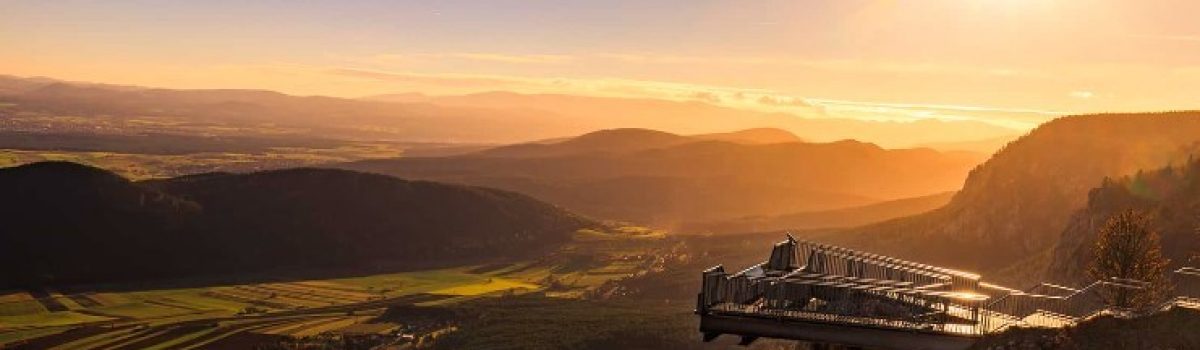
    • Skywalk: A glass platform offering sweeping views.
    • Petting Zoo: Great for families with children.
  • Tips: Arrive early to secure parking.
  • Link: Hohe Wand Park Info

5. Erlaufsee

A crystal-clear alpine lake perfect for swimming and picnicking.

  • Highlights:
    • Water sports: Paddleboarding and kayaking.
    • Picturesque trails around the lake.
  • Tips: Pack a picnic to enjoy by the lake.
  • Link: Erlaufsee Activities

6. Myra Falls (Myrafälle)

A series of cascading waterfalls located near Muggendorf.

  • Highlights:
    • Wooden walkways and bridges offering close-up views.
    • Family-friendly hiking trails.
  • Tips: Visit during spring for the strongest water flow.
  • Link: Myra Falls Info

7. Rax Plateau

A high alpine plateau ideal for hiking, skiing, and paragliding.

  • Highlights:
    • Rax Cable Car: Austria’s first cable car offering stunning views.
    • Numerous alpine huts for refreshments.
  • Tips: Wear sturdy footwear for rocky trails.
  • Link: Rax Plateau Details

8. Otscher-Tormäuer Nature Park

One of Lower Austria’s largest nature parks featuring deep gorges and dense forests.

  • Highlights:
    • Lassing Waterfall: A majestic sight after a short hike.
    • Rafting opportunities in the Erlauf River.
  • Tips: Plan for a full day to explore the park’s extensive trails.
  • Link: Otscher Park Guide

9. Helenental Valley

A scenic valley near Baden, perfect for leisurely walks and historical exploration.

  • Highlights:
    • Ruins of Rauhenstein and Rauheneck castles.
    • Picturesque river walks.
  • Tips: Combine with a visit to the spa town of Baden.
  • Link: Helenental Valley Info

10. Kamp Valley (Kamptal)

A region known for its wine production and natural beauty.

  • Highlights:
    • Scenic vineyards and charming villages.
    • Rosenburg Castle with falconry shows.
  • Tips: Try local wines at small, family-run wineries.
  • Link: Kamptal Tourism

11. Pielach Valley

A picturesque area ideal for cycling and exploring Lower Austria’s traditional culture.

  • Highlights:
    • Mariazell Railway: A scenic train journey through the valley.
    • Traditional local festivals.
  • Tips: Rent a bike to explore the valley’s quiet trails.
  • Link: Pielach Valley Info

12. Ysperklamm Gorge

A hidden gem featuring cascading waterfalls and moss-covered rocks.

  • Highlights:
    • Wooden bridges and steps for close access to the waterfalls.
    • Quiet trails perfect for nature lovers.
  • Tips: Visit early in the day for solitude.
  • Link: Ysperklamm Info

13. Lunzer See

A pristine alpine lake surrounded by mountains, ideal for relaxation.

  • Highlights:
    • Swimming and boating opportunities.
    • Summer concerts on floating stages.
  • Tips: Bring binoculars for birdwatching.
  • Link: Lunzer See Guide

14. Jauerling Nature Park

This park combines stunning landscapes with cultural attractions.

  • Highlights:
    • Panoramic views of the Wachau Valley.
    • Traditional Wachau farmhouses.
  • Tips: Visit during sunset for spectacular views.
  • Link: Jauerling Park Info

15. Dobratsch Nature Park

A peaceful alpine park offering unique geological features and diverse ecosystems.

  • Highlights:
    • Observation towers with panoramic views.
    • Family-friendly educational trails.
  • Tips: Ideal for snowshoeing in winter.
  • Link: Dobratsch Park Info

Vienna and Lower Austria boast some of the most beautiful natural attractions in Europe. From the urban green spaces of Vienna to the alpine landscapes of Lower Austria, there’s something for everyone. Whether you’re seeking adventure, relaxation, or cultural exploration, these destinations promise unforgettable experiences. Explore more and immerse yourself in Austria’s natural splendor.

Ready to Plan Your Trip to Vienna attractions? Explore these attractions with our detailed itineraries and booking services.

Free rental bikes delivery and pick-up in Vienna

Since December 1, 2024, we offer a unique service on the bike rental market in Austria.
This is free delivery and collection of rental bikes for orders over 100 euros.

How does it work?

Once you have selected the bike you need and the rental period, you can place an order on the website or contact us in any convenient way to place an order for bike rental. If the total cost of your order is 100 euros or more, we will deliver and collect the bike after use for free.

Where can we deliver the bike you rented for free?

Free delivery of rental bikes can be carried out within Vienna, Wiener Neustadt, Baden, Mödling and other nearby towns.

Can I choose the time of free delivery and collection of the rental bike?


The free delivery function only works at a certain time. Namely, delivery is carried out at 8.00 am. Bike pickup at 19:00

All rental bikes are delivered fully prepared and configured for riding with a full set of documents (rental agreement and receipt)

If you decide to rent a bike, but the rental cost does not reach 100 euros, we can offer a paid delivery service for rental bikes. Its cost is calculated individually, depending on your location. On average, it costs 15-25 euros.

We will be happy to offer you our unique high-quality free rental bike delivery service. Because we value each of our new clients and try to satisfy their needs as much as possible.

Top 10 Austrian Cyclists. Legends of Austrian Cycling

Austria has a rich history in competitive cycling, boasting a mix of accomplished road racers, mountain bikers, and track cyclists. These athletes have represented their country on the international stage, bringing home numerous accolades and inspiring a new generation of cyclists. Here’s a deep dive into the top 10 Austrian cyclists who have made a significant impact in the sport.


1. Bernhard Eisel

Bernhard Eisel is one of Austria’s most prominent road cyclists, known for his role as a domestique and sprinter. Throughout his career, Eisel was a critical team member in the Tour de France and other major races.

  • Career Highlights:
    • Multiple stage wins at Paris-Nice and other UCI World Tour events.
    • Longtime member of top teams like Team Sky and Dimension Data.
    • Played a pivotal role in supporting Mark Cavendish’s sprint victories.

Eisel’s versatility and endurance have earned him the reputation of being one of the most reliable riders of his generation.


2. Anna Kiesenhofer

Anna Kiesenhofer made history with her stunning victory in the Women’s Road Race at the 2020 Tokyo Olympics. Her solo breakaway shocked the cycling world and demonstrated her strategic brilliance.

  • Career Highlights:
    • Olympic Gold Medalist, Tokyo 2020.
    • Multiple Austrian National Championships in both road and time trial events.
    • Doctorate in mathematics, showing her prowess both on and off the bike.

Kiesenhofer’s Olympic win is regarded as one of the greatest underdog stories in cycling history.


3. Georg Totschnig

Georg Totschnig is another Austrian legend, particularly celebrated for his performances in the Grand Tours.

  • Career Highlights:
    • Stage winner in the 2005 Tour de France, marking a rare Austrian triumph in cycling’s most prestigious race.
    • Consistent top-10 finishes in the Giro d’Italia.
    • Multiple-time Austrian National Champion.

Totschnig’s resilience in the mountains earned him widespread respect among fans and competitors alike.


4. Michael Gogl

Michael Gogl is a rising star in Austrian cycling, excelling in both classics and stage races. Known for his climbing and all-rounder abilities, Gogl has been a strong team player for squads like Alpecin-Deceuninck.

  • Career Highlights:
    • Top performances in classics like Strade Bianche and Tour of Flanders.
    • Key support rider in Grand Tours.
    • Austrian National Champion in road racing.

Gogl represents the future of Austrian cycling, consistently delivering strong results on the World Tour.


5. Hermann Pernsteiner

Hermann Pernsteiner transitioned from mountain biking to road cycling, quickly making a name for himself as a climber.

  • Career Highlights:
    • Top-10 finishes in the Vuelta a España.
    • Podium finishes in prestigious mountain stages.
    • Successful mountain bike career before switching to road racing.

Pernsteiner’s adaptability across cycling disciplines showcases his exceptional athletic talent.


6. Matthias Brändle

Matthias Brändle is a time-trial specialist and a former world record holder in the Hour Record.

  • Career Highlights:
    • Held the UCI Hour Record in 2014.
    • Multiple Austrian National Time Trial Champion.
    • Stage wins in UCI Europe Tour races.

Brändle’s ability to maintain high power output over long durations makes him one of Austria’s premier cyclists.


7. Felix Gall

Felix Gall burst onto the scene with impressive performances in Grand Tours and one-day races.

  • Career Highlights:
    • 2023 Tour de France stage win.
    • Podium finishes in mountainous one-day races.
    • Junior World Champion in 2015.

Gall’s recent successes highlight his potential as a future star in Austrian and global cycling.


8. Lisi Osl

Lisi Osl is a household name in Austrian mountain biking, dominating the cross-country discipline for years.

  • Career Highlights:
    • UCI Cross-Country World Cup victories.
    • Multiple Austrian National Championships.
    • Represented Austria in the Olympics.

Osl’s dedication and skill in mountain biking have inspired many young riders in Austria.


9. Stefan Denifl

Stefan Denifl was known for his climbing abilities and strong performances in stage races.

  • Career Highlights:
    • Stage win at the 2017 Vuelta a España.
    • Austrian National Champion in road racing.
    • Successful stints with various UCI World Tour teams.

Despite controversies later in his career, Denifl’s achievements remain significant in Austrian cycling history.


10. Wilfried Peffgen

Wilfried Peffgen was a versatile cyclist, excelling in both road and track disciplines during his career.

  • Career Highlights:
    • Multiple European track cycling championships.
    • Consistent top finishes in road races.
    • One of Austria’s pioneering cyclists in the international arena.

Peffgen paved the way for future generations of Austrian cyclists with his trailblazing efforts.


Why Austrian Cyclists Stand Out

Austrian cyclists have proven their mettle in diverse disciplines, from grueling mountain climbs to high-speed sprints. The country’s mountainous terrain and cycling culture provide a perfect training ground for both aspiring and professional riders.

  • Training in Alpine Terrain: Austria’s challenging climbs foster exceptional endurance and climbing abilities.
  • Strong National Competitions: Events like the Tour of Austria offer local talent a platform to shine.
  • Global Recognition: Athletes like Anna Kiesenhofer and Felix Gall have elevated Austria’s reputation in the cycling world.

Resume of Austrian Cyclists. Top 10

The top 10 Austrian cyclists have left an indelible mark on the sport, showcasing remarkable talent and determination. From Bernhard Eisel’s leadership to Anna Kiesenhofer’s groundbreaking Olympic victory, these athletes embody the spirit of Austrian cycling. Their stories inspire not only their compatriots but also cycling enthusiasts worldwide.

Whether you’re an avid fan or just discovering Austrian cycling, these legends demonstrate the grit and glory that define the sport. Keep an eye out for the next generation of Austrian cyclists—they’re bound to continue this legacy of excellence.

Mountain E-Biking in Vienna

Vienna, known for its stunning architecture, rich cultural heritage, and vibrant city life, is also a paradise for outdoor enthusiasts. Beyond its urban charm, the city offers picturesque trails and routes perfect for mountain e-biking, blending nature with adrenaline. If you’re planning a mountain e-bike adventure in Vienna, this guide provides all the essential information, including rentals, charging stations, trails, routes, water sources, events, and more.


Why Choose Mountain E-Biking in Vienna?

Vienna’s unique location, nestled between the Danube River and the Vienna Woods (Wienerwald), makes it ideal for mountain biking. E-bikes open these trails to riders of all fitness levels, allowing more people to explore the natural beauty and challenging terrain around the city.

Top Reasons to Mountain E-Bike in Vienna

  • Accessibility: A wide network of trails suitable for all skill levels.
  • Scenic Beauty: Panoramic views of Vienna, lush forests, and charming vineyards.
  • Eco-Friendly Fun: Combines outdoor adventure with sustainable tourism.
  • Cultural Richness: Trails often lead to historical landmarks and quaint villages.

E-Bike Rentals in Vienna

If you don’t own a mountain e-bike, there are numerous rental options in Vienna. These providers offer high-quality bikes suitable for varied terrains.

Popular Rental Shops

  1. E-Bike Verleih Wien
    • Location: Near Vienna Woods
    • Features: Mountain e-bikes, hybrid bikes, and protective gear rental.
    • Price Range: €40–€70/day
  2. Citybike Wien
    • Location: Multiple spots around Vienna
    • Features: Affordable e-bike rentals, primarily for urban use but adaptable for trails.
    • Price Range: €15–€30/day
  3. Greenride E-Bikes
    • Location: Central Vienna
    • Features: High-end e-MTBs, group packages, and guided tours available.
    • Price Range: €50–€90/day
  4. Austria Trails Bike rent
    • Location: Bike delivery service – Vienna, Mödling, Baden.
    • Gravel bikes, E-Bikes, MTBs rentals
    • Price range: staring from €19/day
    • Private customized mountain bike tours

Tips for Renting

  • Book in advance during peak seasons (spring to autumn).
  • Check for included services, such as helmets, maps, or repair kits.
  • Test the bike’s battery capacity and ensure it matches your intended route.

Charging Stations for E-Bikes

Keeping your e-bike charged is essential for a hassle-free ride. Vienna and its surrounding areas are equipped with numerous e-bike charging stations.

Charging Station Locations

  • Vienna Woods (Wienerwald): Stations at popular trailheads like Neuwaldegg and Kahlenberg.
  • Heurigen Districts: Many wine taverns (Heurigen) in Döbling and Grinzing offer charging facilities.
  • City Center: Charging hubs at public parks and parking areas like Stadtpark and Prater.

Apps to Find Charging Stations

  • NextCharge: Provides real-time updates on e-bike and EV charging stations.
  • BikeEnergy: Specialized in e-bike charging spots across Austria.

Best Trails and Routes for Mountain E-Biking

Vienna’s trails range from beginner-friendly paths to challenging mountain climbs. Here are some of the top routes:

1. Kahlenberg and Leopoldsberg

  • Difficulty: Intermediate
  • Distance: 20 km loop
  • Highlights: Stunning views of the Danube, lush forest trails, and historical landmarks.
  • Tips: Start from Nussdorf and follow the Döblinger Steig. Recharge at nearby wine taverns.

2. Vienna Woods (Wienerwald)

  • Difficulty: All levels
  • Distance: Over 1,000 km of trails
  • Highlights: Endless routes, from technical singletracks to smooth gravel roads.
  • Tips: Visit the Lainzer Tiergarten for a mix of nature and wildlife.

3. Danube Island (Donauinsel)

  • Difficulty: Beginner
  • Distance: 21 km
  • Highlights: Flat terrain, perfect for leisurely rides, with scenic river views.
  • Tips: Great for families or relaxed outings. Several charging and water stations are available.

4. Anninger Mountain Trails

  • Difficulty: Advanced
  • Distance: 30 km loop
  • Highlights: Rocky terrain, steep climbs, and panoramic views of Vienna and beyond.
  • Tips: Carry extra water and snacks, as resources on the trail are limited.

Water Sources for E-Bikers

Staying hydrated is crucial during a mountain e-bike ride. Fortunately, Vienna has numerous clean water sources:

  • Public Fountains: Found throughout the city and along major trails. Look for the blue “Trinkwasser” signs.
  • Vienna Woods Streams: Natural streams like those in Schwechat Valley provide fresh water but may require filtration.
  • Trail Stops: Many trails intersect with taverns or huts (Schutzhütten) where water is available.

Events and Guided Tours

Vienna’s e-bike community is vibrant, with events and tours tailored for enthusiasts:

Annual E-Bike Events

  1. Vienna E-MTB Festival
    • When: Late spring
    • Where: Vienna Woods
    • What: Test rides, races, and workshops.
  2. Danube Cycling Week
    • When: Summer
    • Where: Donauinsel
    • What: E-bike exhibitions, group rides, and competitions.

Guided Tours

  • Green Vienna Tours: Offers e-MTB tours through the Vienna Woods with expert guides.
  • E-Bike Trails Adventure: Specialized in custom routes combining cultural landmarks and natural beauty.

Practical Tips for Mountain E-Biking in Vienna

  1. Plan Your Route: Use apps like Komoot or AllTrails for detailed maps and trail recommendations.
  2. Check Weather Conditions: Trails can get muddy and slippery after rain.
  3. Pack Essentials: Include a first aid kit, repair tools, and a power bank.
  4. Know the Rules: Follow local regulations regarding speed limits and trail usage.
  5. Respect Nature: Stay on designated paths and minimize your ecological footprint.

Where to Eat and Rest

Mountain e-biking can be exhausting, so plan stops at Vienna’s renowned eateries:

Wine Taverns (Heurigen)

  • Heuriger Mayer am Pfarrplatz: Recharge with local wines and hearty Austrian fare.
  • Grinzing’s Heurigen: A cozy spot with bike parking and charging stations.

Trail Huts and Cafés

  • Sophienalpe: A popular rest stop in the Vienna Woods.
  • Schloss Wilhelminenberg Café: Scenic views with coffee and pastries.

Future of Mountain E-Biking in Vienna

Vienna continues to invest in sustainable tourism and outdoor activities, making it increasingly friendly for e-bikers. Planned developments include more charging stations, improved trail markings, and new e-bike-specific events.

Mountain e-biking in Vienna offers a unique combination of adventure, nature, and culture. Whether you’re tackling steep trails in the Vienna Woods or cruising along the Danube, there’s something for everyone. With this guide, you’re well-equipped to explore Vienna’s e-biking scene. So, rent a bike, charge up, and hit the trails!

10 Principles of a Professional Bike Guide

Professional bike guides play a crucial role in delivering memorable cycling experiences, whether on thrilling mountain trails or scenic city tours. Here are the ten principles that every professional bike guide should follow, with detailed insights into each:


1. Prioritize Safety

Safety is paramount in guiding. A professional bike guide ensures:

  • Pre-ride safety briefings, including trail conditions and potential hazards.
  • Regular maintenance of rental or guided bikes.
  • The use of helmets and other protective gear.

By prioritizing safety, guides foster trust and reduce the likelihood of accidents.


2. Knowledge of Routes

An in-depth understanding of the trails, roadways, or city routes is essential. This includes:

  • Alternative paths in case of weather changes or roadblocks.
  • Knowledge of historical and cultural landmarks along the way.
  • Familiarity with local flora, fauna, and terrain challenges.

This expertise enhances the experience and ensures the guide can handle unforeseen situations.


3. Adaptability to Group Needs

Professional guides tailor their tours to accommodate diverse skill levels and interests:

  • Adjusting pace and distance for varied fitness levels.
  • Offering advanced routes for seasoned cyclists or easier rides for beginners.
  • Ensuring inclusivity for riders of all ages and abilities.

Adaptability leads to higher customer satisfaction.


4. Effective Communication

Clear, concise, and engaging communication is a must:

  • Providing instructions in multiple languages, if necessary.
  • Using radios or hand signals in challenging conditions.
  • Offering engaging narratives about the tour’s highlights.

This ensures that all participants are well-informed and connected.


5. Environmental Responsibility

Professional guides embrace sustainable tourism practices:

  • Staying on designated trails to avoid damaging ecosystems.
  • Promoting a “leave no trace” policy among participants.
  • Advocating for eco-friendly cycling practices, such as reusable bottles and minimal waste.

Sustainability ensures long-term enjoyment of natural resources.


6. Problem-Solving Skills

Guides must handle unexpected issues with ease:

  • Quick fixes for mechanical problems like flat tires or chain issues.
  • Managing medical emergencies with first aid knowledge.
  • De-escalating conflicts within groups or with other trail users.

A problem-solving mindset keeps the tour on track and participants comfortable.


7. Passion for Cycling

Enthusiasm is contagious. Guides passionate about cycling:

  • Share tips for improving biking techniques.
  • Inspire participants with personal anecdotes or cycling achievements.
  • Create a positive, motivating atmosphere for the group.

Passion enhances the overall experience and fosters a love for cycling.


8. Professionalism and Punctuality

Timeliness and a professional demeanor are essential:

  • Starting and ending tours on time.
  • Dressing in appropriate, branded attire to represent the service.
  • Remaining courteous and approachable at all times.

Professionalism reflects the quality of the guiding service.


9. First Aid Certification

Emergencies happen, and guides must be prepared:

  • Holding up-to-date certifications in first aid and CPR.
  • Carrying a well-stocked first aid kit.
  • Knowing the locations of nearby medical facilities or emergency contacts.

Health and safety preparedness instill confidence in participants.


10. Continuous Learning

The best guides never stop improving:

  • Staying updated on the latest bike technology and gear.
  • Attending workshops on trail management or customer service.
  • Learning from feedback to refine future tours.

Commitment to growth ensures the guide stays at the top of their profession.

Being a professional bike guide requires a blend of technical skills, interpersonal abilities, and a deep passion for cycling. By following these ten principles, guides can ensure they deliver safe, memorable, and enriching experiences for all participants. These principles not only elevate the guiding profession but also promote cycling as an enjoyable and sustainable way to explore the world.

Rules for Mountain Biking Trails in Austria

Mountain biking in Austria offers a spectacular mix of thrilling descents, scenic routes, and well-maintained trails that attract enthusiasts worldwide. However, the country’s dedication to preserving nature and promoting shared trail use has led to clear rules and guidelines for mountain biking. Understanding these regulations ensures a safe and enjoyable experience while protecting the Alpine environment.


Key Rules for Mountain Biking on Austrian Trails

  1. Trail Access
    • Not all trails are open to mountain biking. Specific paths marked for cyclists, such as designated mountain bike trails or bike parks, are the only legal routes for biking. Always look for signage indicating access permissions.
    • Unauthorized riding on walking trails can lead to fines or confrontations with hikers.
  2. Respect for Nature
    • Avoid creating new trails or shortcuts, as these can damage fragile ecosystems.
    • Stay on designated trails to prevent erosion and disruption of wildlife habitats.
    • Carry all waste out of the mountains, ensuring you leave no trace behind.
  3. Interaction with Other Trail Users
    • Yield to hikers and equestrians where applicable. Slowing down or stopping to give way is a sign of respect and promotes safety.
    • Use a bell or call out when approaching others from behind, particularly on shared trails.
  4. Seasonal and Time Restrictions
    • Some trails are closed during specific seasons to protect nature or due to snow coverage. Always check the trail status beforehand.
    • In many regions, biking is restricted to daylight hours to minimize risks and disturbances to wildlife.
  5. Safety Measures
    • Helmets are strongly recommended for all riders and mandatory in bike parks.
    • Bikers should equip themselves with repair kits, first aid supplies, and weather-appropriate gear, as conditions in mountainous areas can change rapidly.

Regional Highlights and Regulations

  • Tirol
    Tirol boasts over 6,000 km of signposted mountain bike routes and around 300 km of singletracks. Regions like Ischgl-Paznaun, Kitzbühel Alps, and Bike Republic Sölden offer specialized infrastructure for bikers, including lift-assisted trails and bike-friendly hotels. However, riders must adhere to strict rules on staying within designated areas to protect the environment and shared trail access【129】【130】.
  • Saalbach Hinterglemm
    Known as Austria’s largest bike region, Saalbach Hinterglemm features over 90 km of trails and modern lift systems. Rules emphasize proper use of marked trails and respect for nature. Riders with the “Joker Card” can transport their bikes free on cable cars, but regulations still apply for trail etiquette and safety.

Legal Framework

The Austrian Forestry Act (Forstgesetz) governs land use and trail access. It prohibits unauthorized biking on forest paths unless specifically permitted. Penalties for violations may include fines or legal actions. Regional governments and trail operators provide updated maps and guidelines for permitted biking areas.


Tips for Responsible Riding in Austria

  1. Plan Ahead: Use official trail maps, apps, or local information centers to confirm trail conditions and regulations.
  2. Support Sustainable Tourism: Opt for bike-friendly accommodations and services that adhere to eco-friendly practices.
  3. Engage Locally: Many regions host mountain biking events or festivals that include guided tours and skill workshops, providing a safe way to explore new areas.

By following these rules and respecting Austria’s emphasis on sustainable tourism, mountain bikers can enjoy an incredible riding experience in harmony with nature and other trail users. For further details on trail networks and specific rules, consult local resources or regional websites like Saalbach.com and Tyrol.com.

Bikes Made in Austria: Austrian Bicycle Brands and Innovation

Austria has long been known for its outdoor culture and beautiful landscapes, making it an ideal location for cycling enthusiasts. Over the years, the country has produced a wide variety of bicycles, from mountain bikes to e-bikes, which have gained recognition not just in Austria, but internationally. Austrian bicycle manufacturers are known for their innovation, quality, and commitment to sustainability.

In this article, we’ll explore some of the most notable Austrian bike brands that are shaping the cycling world, offering something for every type of rider—whether you’re into mountain biking, road cycling, or the growing trend of e-bikes.


1. KTM – Bikes Made in Austria

One of Austria’s most iconic bike manufacturers, KTM, originally known for its motorcycles, entered the bicycle market in the 1960s. Over the decades, KTM has built a reputation for high-performance bikes. Today, the brand is best known for its diverse range of bicycles including mountain bikes, road bikes, and e-bikes. The company’s dedication to quality and innovation is evident in their use of Bosch motors in their e-bikes, making them a popular choice for both recreational riders and serious cyclists.

KTM offers a wide variety of bicycles tailored to different needs. Their KTM Macina e-bike series is especially popular, featuring powerful motors and a smooth, enjoyable ride. With their continued commitment to technological advancements and high-performance designs, KTM is a leading player in the Austrian cycling scene and continues to innovate with bikes for all terrains​

.


2. Puch

Another longstanding Austrian brand, Puch, has been around since 1903. Initially known for its motorcycles and mopeds, Puch shifted its focus to bicycles in the mid-20th century. Today, Puch bicycles are renowned for their reliability and versatility, offering a range of city bikes, mountain bikes, and e-bikes.

The Puch brand represents a blend of tradition and innovation. Their modern e-bikes feature integrated electric motors, making them an excellent option for commuting or casual cycling. Puch bikes have remained a symbol of quality and are beloved for their durable frames and comfortable rides, especially among cyclists who value reliability​

.


3. Bergamont

Though originally a German brand, Bergamont has a strong presence in Austria and continues to produce top-tier bicycles. Known for their premium mountain bikes, e-bikes, and hybrid bikes, Bergamont emphasizes performance and innovation. The company has made a name for itself by producing bikes that are both durable and lightweight, perfect for cyclists looking to tackle challenging terrains.

In addition to mountain bikes, Bergamont has ventured into e-bikes, with their E-Horizon and E-Revox series standing out for their powerful motors and cutting-edge technology. The company has successfully built a reputation for creating bikes that are as high-performance as they are stylish​

.


4. Radon

Radon, a relatively younger brand, offers bicycles designed for a wide range of cycling needs. From road bikes to mountain bikes and e-bikes, Radon has gained a reputation for delivering high-quality bikes at competitive prices. One of the key aspects that sets Radon apart is their ability to offer bikes with superior performance without the high price tag typically associated with premium bikes.

The brand’s Radon MTB and Radon e-bikes are particularly popular for their strength and versatility on both off-road and city trails. Known for their sturdy construction and value for money, Radon bikes are an excellent choice for cyclists who want high performance without breaking the bank​

.


5. Simplon

Known for producing some of the highest-quality bikes on the market, Simplon is a premium Austrian manufacturer that focuses on road bikes, mountain bikes, and e-bikes. Simplon is particularly famous for its use of carbon fiber frames, which are lightweight yet incredibly strong, making them ideal for competitive cycling.

The Simplon Rapcon and Simplon Kross mountain bike series, as well as their high-end e-bikes, represent the pinnacle of Austrian bike engineering. These bikes are designed for riders who seek cutting-edge technology and performance. With a commitment to sustainability and innovation, Simplon remains a top choice for discerning cyclists looking for top-tier bicycles​

.


6. M1 Sporttechnik

A niche but rapidly growing brand, M1 Sporttechnik focuses on custom-built, high-performance mountain bikes. They are known for their innovation, using carbon frames and advanced suspension systems to create bikes that handle challenging terrains with ease.

M1 Sporttechnik is also a leader in the e-bike segment, offering e-mountain bikes with top-tier motors and advanced suspension. Their M1 DB1 and M1 Sporttechnik e-MTB models cater to serious mountain biking enthusiasts looking for superior performance​

.


7. Haibike

Although originally a German brand, Haibike operates extensively in Austria and is an important part of the e-bike scene in the country. Haibike produces some of the best electric mountain bikes (e-MTBs) on the market, and their partnership with Bosch motors ensures that their e-bikes are among the most powerful and efficient on the market.

Haibike’s XDURO and Sduro series of e-bikes are especially popular, offering incredible power and durability for off-road riders. Haibike has earned a reputation for creating bikes that are both powerful and stylish, making them a top choice for serious cyclists​

.


8. Pirelli

Though Pirelli is better known for its tires, the Italian company has ventured into the Austrian bicycle market, specializing in premium tires and wheel systems. Pirelli’s tires are used by top cycling teams and professional cyclists looking for the best performance. The brand offers a range of tires for road bikes, mountain bikes, and e-bikes, all designed for maximum speed and durability​

.

Bikes Made in Austria

Austria’s cycling industry is incredibly diverse, with manufacturers offering everything from high-performance mountain bikes to cutting-edge electric bicycles. Brands like KTM, Puch, and Simplon are staples in the cycling world, known for their engineering excellence and innovative designs. Whether you’re an amateur cyclist, a competitive rider, or someone looking to explore the world of e-bikes, Austrian bike manufacturers offer some of the best bikes on the market. With a strong focus on sustainability, performance, and quality, these brands continue to push the boundaries of what bicycles can achieve, making Austria a top destination for cycling enthusiasts.


This updated article now includes a more comprehensive list of Austrian bike manufacturers, providing insights into their unique contributions to the cycling industry. From well-established names like KTM and Puch to newer innovators like M1 Sporttechnik, these Austrian brands represent the country’s commitment to cycling excellence.

E-Mountainbiking in Österreich

Die schönsten Routen und Tipps für Anfänger und Fortgeschrittene


Einleitung: E-Mountainbiking in Österreich bietet einzigartige Erlebnisse für Outdoor-Begeisterte und Naturfreunde. Mit unzähligen gut ausgebauten Trails, majestätischen Alpenlandschaften und einer beeindruckenden Naturkulisse ist Österreich ein Paradies für E-Biker. Dieser Artikel zeigt die besten E-Mountainbike-Strecken in Österreich, erklärt die Vorteile des E-Mountainbikings und gibt hilfreiche Tipps für alle, die in die Welt des E-Bikens eintauchen möchten.


1. Was ist E-Mountainbiking?

E-Mountainbiking verbindet den klassischen Mountainbike-Sport mit moderner Elektro-Unterstützung. Der elektrische Antrieb erlaubt es, längere Distanzen und steilere Anstiege mit weniger Anstrengung zu überwinden. Besonders in bergigen Regionen wie Österreich wird E-Mountainbiking immer beliebter. Durch den E-Antrieb können auch Anfänger anspruchsvolle Routen erleben, die sonst Profis vorbehalten wären.

2. Die Vorteile des E-Mountainbikings

  • Erreichbarkeit für alle Fitnesslevel: Die elektrische Unterstützung senkt die Einstiegshürde für weniger trainierte Fahrer.
  • Längere Touren: E-Bikes ermöglichen es, längere Strecken und Höhenmeter zu bewältigen.
  • Schutz der Gelenke: Da weniger Kraft benötigt wird, sind E-Bikes besonders gelenkschonend.
  • Spaß für die ganze Familie: Durch den Motor können Menschen mit unterschiedlichen Fitnesslevels gemeinsam fahren.

3. Die besten E-Mountainbike Regionen in Österreich

a. Tirol

Tirol ist das Herz der österreichischen Alpen und bietet atemberaubende E-Mountainbike-Strecken für jedes Niveau. Bekannte Routen wie die „Tirol Mountain Bike Safari“ führen durch das ganze Bundesland und bieten Zugang zu über 32 Etappen und 660 Kilometern Radweg.

b. Salzburg

Salzburg ist bekannt für seine malerischen Seen und Berge. Besonders die Region Zell am See-Kaprun bietet zahlreiche Möglichkeiten für E-Mountainbiker. Die Trails rund um den Zeller See bieten atemberaubende Aussichten und abwechslungsreiche Strecken.

c. Vorarlberg

Vorarlberg bietet anspruchsvolle Trails und eine abwechslungsreiche Landschaft. Die Region rund um den Arlberg und den Bregenzerwald ist bekannt für ihre anspruchsvollen Strecken und ihre alpinen Ausblicke.

d. Kärnten

In Kärnten können E-Mountainbiker eine einzigartige Kombination aus Berg- und Seelandschaften genießen. Die Touren rund um den Wörthersee und den Millstätter See bieten eine entspannende Kulisse und eine Vielzahl an Strecken.

e. Wien

Dies ist unser Lieblingsort zum Fahren mit dem Elektrofahrrad. Hier finden Sie die besten E-Mountainbike-Touren in Wien


4. Die besten E-Mountainbike-Touren für Anfänger

Österreich bietet auch viele Strecken, die sich für E-Mountainbike-Anfänger eignen. Hier einige besonders empfehlenswerte Touren:

  • Rund um den Zeller See: Diese einfache Tour führt entlang des Zeller Sees und bietet herrliche Blicke auf die Berge.
  • Glemmtal-Trail in Saalbach-Hinterglemm: Dieser Trail ist ideal für Anfänger und führt durch idyllische Landschaften.
  • Tannheimer Tal: Im Tannheimer Tal gibt es leichte Touren mit sanften Anstiegen und grandiosen Ausblicken.

5. Tipps zur Planung einer E-Mountainbike-Tour

  • Reichweite prüfen: Die Reichweite des Akkus hängt von verschiedenen Faktoren ab. Planen Sie Ihre Route entsprechend.
  • Auf das Wetter achten: In den Bergen kann das Wetter schnell umschlagen, was besonders für E-Biker wichtig ist.
  • Ausrüstung: Helm, Handschuhe und passende Kleidung sind Pflicht. E-Bikes sind schwerer, daher ist ein Helm unerlässlich.
  • Akku-Ladestationen: Informieren Sie sich im Voraus über Ladestationen entlang Ihrer Strecke.

6. Die besten E-Mountainbike-Modelle für den Einsatz in Österreich

Die Auswahl des richtigen E-Mountainbikes ist entscheidend. Hier sind einige beliebte Modelle:

  • Bosch Performance Line CX: Ideal für steile Anstiege.
  • Yamaha PW-X2: Hohe Leistung und robustes Design.
  • Brose Drive S: Ein leiser Motor mit großer Reichweite.
  • Shimano Steps E8000: Zuverlässig und ideal für längere Strecken.

7. Umweltfreundliches E-Mountainbiking: Nachhaltigkeit und Schutz der Natur

Beim E-Mountainbiking ist Rücksicht auf die Natur besonders wichtig. Hier einige Tipps, um umweltfreundlich zu fahren:

  • Bleiben Sie auf den Wegen: Vermeiden Sie das Fahren abseits markierter Wege, um die Natur zu schützen.
  • Achten Sie auf die Tierwelt: In Österreichs Wäldern leben zahlreiche Tiere, die nicht gestört werden sollten.
  • Akkus umweltbewusst aufladen: Nutzen Sie, wenn möglich, Ökostrom und reduzieren Sie so den CO₂-Fußabdruck.

8. Die besten Jahreszeiten für E-Mountainbiking in Österreich

  • Frühling (März bis Mai): Ideal, wenn die Schneedecke in höheren Lagen schmilzt und die Wege wieder zugänglich werden.
  • Sommer (Juni bis August): Die beliebtesten Monate für Mountainbiker, jedoch auch die am meisten besuchten.
  • Herbst (September bis November): Weniger Andrang und eine wunderschöne Farbenpracht machen den Herbst zur perfekten Saison.
  • Winter: In einigen Regionen gibt es Wintertrails, die speziell für E-Bikes präpariert sind.

9. Sicherheit beim E-Mountainbiking

Sicherheit ist ein wesentlicher Faktor beim Mountainbiken. Neben einem gut gewarteten E-Bike sind Helm, Erste-Hilfe-Ausrüstung und die Kenntnis des Geländes von entscheidender Bedeutung.

a. Fahrsicherheit

Üben Sie das Fahren und Bremsen auf verschiedenen Untergründen, um das Verhalten des E-Bikes besser einschätzen zu können.

b. Erste-Hilfe-Maßnahmen

Eine kleine Erste-Hilfe-Ausrüstung sollte immer im Rucksack sein, um bei Unfällen oder Verletzungen vorbereitet zu sein.


10. Fazit: E-Mountainbiking in Österreich – Ein Abenteuer für jeden

E-Mountainbiking in Österreich bietet eine einzigartige Möglichkeit, die Natur zu erleben und gleichzeitig sportlich aktiv zu sein. Die Vielfalt der Landschaften, die gut gepflegten Strecken und die moderne Infrastruktur machen Österreich zu einem idealen Ziel für E-Mountainbike-Liebhaber aller Erfahrungsstufen. Ob Sie auf der Suche nach einer anspruchsvollen Alpentour oder einer entspannten Familientour sind – in Österreich finden Sie die perfekte Strecke.


Durch diese SEO-Optimierung und die Verwendung relevanter Keywords wie „E-Mountainbike“, „Österreich“, „Touren“, „Anfänger“, und „Natur“ wird der Artikel gut in Suchmaschinen gefunden und bietet umfassende Informationen für Interessierte.

Mountain E-Biking in Austria. Tours, rentals and more

Mountain E-Biking in Austria:

Austria, with its breathtaking alpine scenery, well-maintained trails, and extensive network of mountain paths, is a paradise for mountain biking enthusiasts. In recent years, mountain e-biking has gained popularity, offering riders of all skill levels a thrilling yet accessible way to explore Austria’s mountainous terrain. With the electric motor’s assistance, mountain e-bikes open up challenging trails to riders who want a bit of extra support climbing steep hills and covering longer distances. Here’s your ultimate guide to mountain e-biking in Austria, covering the best trails, must-visit regions, and essential tips.


Why Choose Mountain E-Biking in Austria?

Mountain e-biking combines the excitement of traditional mountain biking with the convenience of electric assistance, making it easier to tackle Austria’s steep alpine routes and longer distances. Here’s why mountain e-biking is a great way to experience Austria’s natural beauty:

  • Accessible to All: The added power from an e-bike motor makes mountainous terrain accessible for beginners and those who may not be able to conquer steep climbs on a regular bike.
  • Eco-Friendly Adventure: Mountain e-biking is a sustainable way to enjoy Austria’s great outdoors without relying on fuel-based transportation.
  • Explore More in Less Time: The motorized assistance helps you cover more ground, allowing you to visit multiple trails and scenic spots in a single day.

Top Regions for Mountain E-Biking in Austria

Austria offers a wide variety of mountain trails for all experience levels, with each region boasting unique landscapes and routes.

1. Tyrol – The Heart of the Alps

Tyrol is Austria’s premier destination for mountain e-biking, offering a vast network of trails that wind through lush alpine meadows, past sparkling lakes, and up to stunning mountain peaks. With routes suitable for both beginners and seasoned riders, Tyrol’s trails are perfect for e-biking.

  • Recommended Trails: Arzler Alm Trail (easy to moderate) and Nordkette Singletrail (challenging).
  • Best Time to Visit: May to October.
  • Highlights: Beautiful alpine villages, scenic viewpoints, and a variety of e-bike-friendly routes.

2. Salzkammergut – Lakes and Mountains Combined

The Salzkammergut region, known for its sparkling lakes and gentle mountains, is a fantastic destination for e-bikers looking to combine mountain trails with lakeside relaxation. The trails around Hallstatt, Bad Ischl, and Lake Wolfgangsee provide a mix of gentle paths and more technical routes, making it a great region for riders of all skill levels.

  • Recommended Trails: St. Wolfgang Loop (beginner-friendly) and Echerntal Valley Trail (intermediate).
  • Best Time to Visit: Late spring through early fall.
  • Highlights: Stunning lakeside views, historic towns, and trails that take you from mountains to water’s edge.

3. Carinthia – Sunny Trails with Panoramic Views

Carinthia, Austria’s southernmost region, offers sun-drenched trails with incredible views of the Alps and neighboring Slovenia and Italy. This area has a wide range of trails, from easy lake loops to challenging mountain routes, allowing riders to experience everything from alpine forests to crystal-clear lakes.

  • Recommended Trails: Nockberge Trail (advanced) and Drauradweg (easy).
  • Best Time to Visit: Summer months for warmer weather.
  • Highlights: Panoramic mountain views, lakeside trails, and plenty of sunny days for e-biking.

4. The Vienna Woods – Nature Close to the City

For those based in or visiting Vienna, the Vienna Woods (Wienerwald) offer a great option for mountain e-biking close to the city. With a variety of trails suitable for beginners and intermediate riders, the Vienna Woods provide scenic routes that take you through lush forests, past historic landmarks, and up gentle hills.

  • Recommended Trails: Kahlenberg Trail (easy to moderate) and Sophienalpe Trail (moderate).
  • Best Time to Visit: Year-round, though spring and fall offer the best conditions.
  • Highlights: Proximity to Vienna, lush forest paths, and views of the city.

Essential Tips for Mountain E-Biking in Austria

  1. Plan for Battery Management: Mountain e-biking requires careful battery management, especially on long trails or in remote areas. Always charge your battery fully before heading out and consider bringing a backup battery if you’re planning an extended ride.
  2. Follow Local Trail Rules: Austria has designated e-bike trails and paths, and it’s important to respect local regulations. Some trails are off-limits to e-bikes to protect sensitive ecosystems and minimize erosion.
  3. Be Prepared for Weather Changes: The alpine climate can be unpredictable, with sudden weather shifts, especially in higher altitudes. Dress in layers, bring a waterproof jacket, and carry essential gear.
  4. Consider Guided E-Bike Tours: Many regions in Austria offer guided mountain e-bike tours, which can be a great way to learn about the local landscape, access lesser-known routes, and enjoy a worry-free adventure.

Mountain E-Bike Rentals and Guided Tours in Austria

Austria’s popular mountain biking regions are equipped with e-bike rental shops and tour providers. Here are some of the most reputable options:

  • Sport Rent Austria: With locations in Tyrol, Salzburg, and other top destinations, Sport Rent Austria offers high-quality e-bikes and equipment rentals.
  • Intersport Rent: A well-known rental provider with branches in several regions, offering everything from standard e-bikes to high-performance mountain e-bikes.
  • Mountain High Adventures (Tyrol): Specializes in guided mountain e-bike tours in the Tyrolean Alps, with both half-day and full-day options.

Rental costs typically range from €40 to €60 per day, with discounts for multi-day rentals. Most rental packages include helmets, locks, and in some cases, maps or GPS devices to help you navigate Austria’s extensive trail networks.


The Environmental Benefits of Mountain E-Biking

Mountain e-biking is not only an exciting way to experience Austria’s landscapes, but it’s also an eco-friendly form of adventure. By using electric bikes, you reduce your carbon footprint compared to car travel, helping to preserve Austria’s pristine nature. Many Austrian regions are increasingly encouraging e-biking as part of their sustainability efforts, and some trails now even offer solar-powered e-bike charging stations.


Mountain E-Biking Events and Festivals in Austria

Austria hosts several e-biking events and festivals throughout the year, where enthusiasts can test new bikes, participate in group rides, and enjoy the company of fellow cyclists. Here are some popular events:

  • E-Bike Fest Kitzbühel: Held in Tyrol, this annual event includes test rides, guided tours, and competitions for e-biking enthusiasts.
  • Salzburg E-Bike Days: A fun event where riders of all levels can explore Salzburg’s trails, join workshops, and learn about the latest in e-bike technology.
  • E-Bike World Cup: Held in locations across Austria, this race allows participants to compete in timed trials on e-bikes, attracting international riders and visitors.

These events are a great way to connect with the e-biking community, test out different e-bike models, and gain tips from experienced riders and industry experts.


Best Time for Mountain E-Biking in Austria

Mountain e-biking in Austria is best enjoyed during the warmer months, from late spring (May) through early autumn (October). This period offers ideal conditions for trail riding, with comfortable temperatures and longer daylight hours. For those looking to avoid crowds, visiting in May or September is recommended, as you’ll still enjoy pleasant weather without peak-season tourism.


Conclusion: Discover Austria on a Mountain E-Bike

With its spectacular mountain scenery, well-marked trails, and a growing network of e-bike rental and tour options, Austria offers a fantastic destination for mountain e-biking. Whether you’re tackling challenging alpine routes in Tyrol or enjoying scenic lakeside trails in Salzkammergut, mountain e-biking provides a fun and accessible way to explore the best of Austria’s natural beauty. So grab an e-bike, gear up, and get ready for an unforgettable adventure in the Austrian Alps.

Mountain E-Bikes VS Traditional Mountain Bikes

Mountain biking is a beloved sport that continues to evolve, with the introduction of mountain e-bikes (electric bikes) offering a new way to experience trails and off-road adventures. While traditional mountain bikes have long been the go-to choice for cycling enthusiasts, mountain e-bikes have gained popularity due to their motor-assisted capabilities. This article explores the advantages and disadvantages of mountain e-bikes compared to traditional mountain bikes, helping potential buyers make an informed decision.

What is a Mountain E-Bike?

A mountain e-bike is a bicycle equipped with an electric motor and battery, designed to assist the rider by providing additional power when pedaling. Unlike fully electric motorcycles, mountain e-bikes still require the rider to pedal, but the motor assistance makes it easier to climb hills, cover longer distances, and reduce fatigue. The power assistance can be adjusted based on the rider’s preference or turned off entirely for a traditional cycling experience.

Traditional mountain bikes, on the other hand, do not have any motorized components and rely solely on the rider’s physical effort to move forward. This distinction forms the basis for the pros and cons of each type of bike.

Pros of Mountain E-Bikes

1. Easier Climbing and Overcoming Steep Terrain

One of the most significant advantages of mountain e-bikes is the ease with which they tackle steep inclines and challenging terrains. The electric motor provides extra power, reducing the effort required to climb hills. This feature is particularly beneficial for riders who may struggle with the physical demands of traditional mountain biking or those who want to explore more challenging trails without excessive fatigue.

With a mountain e-bike, riders can enjoy long ascents without having to dismount or push their bikes, allowing them to conserve energy for the downhill or more technical sections of the trail. This capability can make mountain biking accessible to a broader range of individuals, including those with limited fitness levels or physical limitations.

2. Extended Riding Range on E-Bike tours

Mountain e-bikes allow riders to cover longer distances compared to traditional mountain bikes, thanks to the motor assistance. This is ideal for cyclists who want to explore more extensive trail networks or multi-day bikepacking trips without worrying about running out of energy. The extended range also makes mountain e-bikes suitable for commuters who combine off-road trails with urban riding.

The ability to ride farther can enhance the overall experience, enabling cyclists to discover new areas and enjoy more diverse trails in a single outing. For adventurous riders, mountain e-bikes open up possibilities for exploration that would be difficult to achieve on a traditional bike.

3. Reduces Physical Strain and Fatigue

The motor assistance in mountain e-bikes significantly reduces the physical strain on riders, especially during challenging climbs or technical sections. This feature can help prevent muscle fatigue and joint stress, making mountain biking more enjoyable and sustainable in the long term. Older riders or those recovering from injuries can particularly benefit from the reduced physical demand of e-bikes.

Furthermore, the lower strain allows cyclists to ride more frequently and for longer periods, contributing to an active lifestyle without the risk of overexertion. It can also encourage beginners to take up mountain biking, as the initial learning curve is less daunting.

4. Great for Commuting and Multi-Purpose Use

While primarily designed for off-road use, mountain e-bikes can also be an excellent choice for commuting. The electric motor helps riders navigate through traffic and tackle hills with ease, making the daily commute less tiring. Many mountain e-bikes come equipped with features like suspension, wider tires, and robust frames, which provide comfort and safety on rough city roads.

The versatility of mountain e-bikes means they can be used for a variety of purposes, from commuting and recreational riding to bikepacking and even light touring.

5. Mountain bike tours with E-Bikes.

The best way to explore Vienna the and best mountain bike spots in Austria.

Cons of Mountain E-Bikes

1. Higher Cost

One of the main disadvantages of mountain e-bikes is their cost. They are generally more expensive than traditional mountain bikes due to the added components like the motor, battery, and specialized electronics. A quality mountain e-bike can easily cost twice as much as a traditional mountain bike of similar specifications.

This higher price point can be a barrier for some cyclists, especially those who are new to mountain biking or are unsure if they will fully utilize the features of an e-bike. Additionally, maintenance and repair costs may be higher due to the complexity of the electronic components.

2. Heavier Weight

Mountain e-bikes are significantly heavier than traditional mountain bikes, primarily due to the added weight of the motor and battery. This extra weight can make the bike feel cumbersome, especially when navigating technical trails or carrying it over obstacles. While the motor assistance compensates for the added weight during riding, there are situations where the weight becomes a disadvantage, such as when lifting the bike onto a car rack or traversing non-rideable sections of a trail.

The additional weight also affects handling, making mountain e-bikes less agile than traditional mountain bikes. For experienced riders who value precise control and a lightweight feel, the heavier weight of e-bikes may detract from the overall riding experience.

3. Limited Battery Life and Range Anxiety

Although mountain e-bikes offer an extended riding range compared to traditional bikes, the battery life is still limited and depends on factors such as the level of motor assistance, terrain, rider weight, and weather conditions. Once the battery is depleted, the extra weight of the bike can make pedaling significantly more challenging than on a traditional mountain bike.

Range anxiety is a concern for many e-bike riders, as running out of battery power far from home can turn an enjoyable ride into a physically demanding ordeal. To mitigate this, riders need to carefully plan their routes and monitor battery usage, which may detract from the sense of freedom often associated with mountain biking.

4. Potential Trail Restrictions with E-Bike tours

Mountain e-bikes are subject to different regulations than traditional mountain bikes, and some trails may restrict or prohibit e-bike use. The reason behind these restrictions often involves concerns about trail erosion, user conflicts, and the higher speeds that e-bikes can achieve. Riders should always check local regulations before heading out on a trail to ensure they are compliant.

Access limitations can reduce the number of available trails for e-bike riders, making it more challenging to find suitable routes. Traditional mountain bikes, on the other hand, are typically allowed on most trails.

Pros of Traditional Mountain Bikes

1. Lightweight and Agile

Traditional mountain bikes are generally much lighter than e-bikes, allowing for more agile handling and easier maneuverability. This is particularly beneficial on technical trails that require precise control and quick adjustments. The lightweight nature of traditional bikes also makes them easier to transport, carry, and store.

2. Lower Cost and Maintenance

Traditional mountain bikes are usually more affordable than e-bikes and have fewer components that can break or need servicing. Maintenance is typically limited to standard bike components like brakes, tires, and gears, making it more accessible for riders who prefer to do their own repairs.

3. No Battery Limitations

Riders of traditional mountain bikes do not need to worry about battery life, range anxiety, or charging times. This makes them more suitable for long-distance adventures, remote trails, and multi-day bikepacking trips.

4. Wide Trail Access

Traditional mountain bikes are generally allowed on all types of trails, with fewer restrictions compared to e-bikes. This provides greater freedom in choosing where to ride.

Cons of Traditional Mountain Bikes

1. More Physically Demanding

Mountain biking on a traditional bike requires more physical effort, especially on steep climbs or challenging terrains. This can be a deterrent for beginners, older riders, or those with health issues.

2. Limited Versatility

Traditional mountain bikes are less versatile for commuting or urban use compared to e-bikes. They may not provide the same level of comfort or efficiency for everyday riding, especially on longer routes.

Both mountain e-bikes and traditional mountain bikes offer unique advantages and drawbacks. The choice ultimately depends on the rider’s preferences, fitness level, and intended use. For those seeking easier climbs, extended range, and a less physically demanding ride, mountain e-bikes are a great option. However, riders who prioritize agility, simplicity, and unrestricted trail access may prefer traditional mountain bikes.

Vienna Woods: All what you need to know about

The Vienna Woods (Wienerwald) is a vast forested region stretching west of Austria’s capital, Vienna, and forms part of the northeastern edge of the Alps. This picturesque area has a rich history, diverse natural beauty, and offers a variety of recreational and sporting activities. Below is a detailed exploration of the Vienna Woods, focusing on its history, current state, flora, fauna, and the many ways visitors can enjoy this natural gem.

The History of Vienna Woods

The Vienna Woods has long been an essential part of the region’s cultural and natural heritage. References to the area date back to Roman times, when it was known as “Silva Nortica,” forming a natural boundary. During the Middle Ages, the forest was under the protection of the Babenberg dynasty and later the Habsburgs, serving as a hunting ground for the nobility.

In the 19th century, the rise of industrialization and urban expansion posed threats to the Vienna Woods. However, influential figures, including the famous composer Ludwig van Beethoven and Austrian writer Ferdinand Raimund, were vocal in their efforts to protect the area, emphasizing its cultural significance and natural beauty. In 1905, the Vienna Woods were officially declared a protected landscape, ensuring its conservation for future generations.

More recently, in 2005, the Vienna Woods was recognized as a UNESCO Biosphere Reserve, further cementing its importance as a haven for biodiversity and sustainable development. This designation reflects ongoing conservation efforts, emphasizing sustainable use of natural resources while maintaining the balance between human activity and nature.

Current State of the Vienna Woods

Today, the Vienna Woods cover an area of approximately 1,350 square kilometers, making it one of the most significant forested regions in Austria. The forest serves as a green lung for Vienna and the surrounding Lower Austria region, providing clean air, moderating the local climate, and serving as a vital watershed.

The area is managed with a focus on sustainable forestry and conservation practices, allowing for the coexistence of wildlife, recreation, and limited economic activity. Continuous monitoring ensures that the natural environment remains undisturbed by urbanization, while still being accessible for public enjoyment.

Flora of the Vienna Woods

The flora of the Vienna Woods is diverse, with a mixture of broadleaf and coniferous trees. Oak, beech, hornbeam, and maple are some of the dominant species, with scattered patches of pine and spruce adding to the forest’s variety. The undergrowth is rich with shrubs, ferns, and a variety of mosses, providing a lush ground cover that supports a healthy ecosystem.

In spring and early summer, the forest floor is carpeted with a multitude of wildflowers, including snowdrops, primroses, and lilies. These flowering plants not only add to the aesthetic appeal of the area but also play a crucial role in supporting pollinators such as bees and butterflies.

The Vienna Woods also house some rare and protected plant species, including orchids like the lady’s slipper, which is under strict conservation regulations due to its vulnerable status.

Fauna of the Vienna Woods

The Vienna Woods are home to a diverse range of animal species. Among mammals, one can find roe deer, red deer, wild boars, foxes, and hares. These animals thrive in the mixed forest environment, where they can find plenty of food and shelter.

Birdwatchers will be delighted by the avian diversity; the Vienna Woods provide habitat for many bird species, including woodpeckers, owls, and various songbirds. Notably, the region is home to several protected bird species such as the black stork and the peregrine falcon.

Reptiles and amphibians, such as common lizards, smooth snakes, and various types of frogs, are also found in the area. Additionally, numerous insects, including rare beetles and butterflies, contribute to the biodiversity of the region.

Recreational Opportunities in the Vienna Woods

The Vienna Woods offer a wide range of recreational activities, making it a popular destination for locals and tourists alike. The extensive network of trails, covering over 2,000 kilometers, allows for hiking, mountain biking, and horseback riding. These trails cater to all levels of fitness, from leisurely walks along gentle paths to challenging hikes up steep hills.

For those interested in history and culture, the Vienna Woods feature several attractions, such as historic monasteries, ruins, and viewing towers that provide panoramic views of Vienna and the surrounding landscape. The Cistercian Abbey of Heiligenkreuz, one of the oldest continuously occupied monasteries in the world, is a particularly popular site. There are also numerous “Heurigen” (traditional wine taverns) along the edges of the forest, where visitors can enjoy local wines and traditional Austrian cuisine.

In winter, the forest transforms into a serene wonderland, offering opportunities for cross-country skiing and snowshoeing. Though the region is not known for downhill skiing, its natural beauty and peaceful atmosphere make it ideal for winter walks and nature photography.

Sports and Adventure in the Vienna Woods

The Vienna Woods provide ample opportunities for sports enthusiasts to engage in various outdoor activities. Mountain biking is particularly popular, with trails designed specifically for different skill levels, from beginners to advanced riders. The annual Wienerwald Mountain Bike Marathon attracts participants from all over the world, highlighting the region’s appeal to cycling fans.

Rock climbing and bouldering are other adventurous activities available in the area, especially around the steep limestone cliffs and rocky outcrops. Sites such as Peilstein offer well-maintained climbing routes suitable for both beginners and experienced climbers.

Trail running has also gained popularity in the Vienna Woods, with numerous well-marked routes that traverse through forests, hills, and open meadows. The varied terrain presents a challenge for runners while providing stunning scenery as a backdrop.

Environmental Challenges and Conservation Efforts

Despite its protected status, the Vienna Woods face several environmental challenges, such as the impact of climate change, invasive species, and increased human activity. Warmer temperatures and changing precipitation patterns have affected the health of some tree species, leading to more frequent pest outbreaks. Efforts are being made to address these challenges through adaptive forest management practices, reforestation with resilient tree species, and monitoring of wildlife populations.

Conservation programs also focus on maintaining the balance between recreation and nature conservation. Visitors are encouraged to stay on designated trails to minimize the impact on wildlife and fragile ecosystems. Educational programs and guided tours are offered to raise awareness about the importance of the forest and its biodiversity.

The Vienna Woods is more than just a forest; it is a living monument to nature, history, and culture. Its rich biodiversity, historical significance, and recreational opportunities make it a treasured destination for outdoor enthusiasts, nature lovers, and those seeking a peaceful retreat. As a UNESCO Biosphere Reserve, the Vienna Woods continues to be a model for sustainable development, ensuring that this beautiful natural landscape remains preserved for generations to come.

Whether you’re interested in a challenging hike, a leisurely wine tasting, or an exploration of Austria’s cultural heritage, the Vienna Woods offers something for everyone.

Bike Shops in Vienna. TOP 20

Vienna, Austria’s bustling capital, is not only a hub for culture and history but also an incredibly bike-friendly city. With an extensive cycling infrastructure, over 1,400 kilometers of bike paths, and a strong cycling community, biking is a popular way to navigate the city. Whether you’re a daily commuter, a cycling enthusiast, or a tourist wanting to see the sights on two wheels, Vienna offers plenty of quality bike shops to cater to all your needs.

Below, you’ll find a comprehensive list of the top 20 bike shops in Vienna, covering everything from high-end road bikes to rental services for tourists.


1. Bike City

Located in central Vienna, Bike City is a go-to for cyclists seeking a wide variety of bikes, including mountain bikes, road bikes, e-bikes, and even children’s bikes. The store also offers rentals and repairs, making it a convenient one-stop shop for both tourists and locals.

  • Services Offered: Sales, rentals, repairs, maintenance
  • Why Choose Bike City? Wide selection and experienced staff who provide helpful advice for beginners and seasoned cyclists.

2. Stadtradler

Specializing in city and e-bikes, Stadtradler emphasizes sustainability and innovative cycling solutions. Their selection includes some of the most eco-friendly and stylish bikes on the market, making it ideal for urban commuters.

  • Services Offered: Sales, rentals, bike accessories, e-bike conversions
  • Why Choose Stadtradler? Great for eco-conscious riders and those looking for modern city bikes.

3. Velobis

Velobis is a charming combination of a bike shop and café near the Danube Canal. It offers new, vintage, and custom-built bikes. The unique atmosphere and quality selection make it a great choice for those seeking a personalized touch.

  • Services Offered: Sales, custom bikes, vintage models, repairs, café
  • Why Choose Velobis? A relaxed atmosphere with an artistic touch, perfect for custom bike seekers.

4. Lassnig Bikes

This shop specializes in high-performance road and racing bikes. Known for its professional bike fittings and personalized service, Lassnig Bikes is a great choice for athletes and cycling enthusiasts who need top-quality equipment.

  • Services Offered: Sales, fittings, custom builds, repairs
  • Why Choose Lassnig Bikes? High-end road bikes and custom fittings for a perfect ride.

5. CycleWiz

CycleWiz is a popular choice for tourists due to its excellent rental services and guided tours. They offer a wide range of bikes, including electric bikes, touring bikes, and city bikes, perfect for exploring Vienna’s scenic routes.

  • Services Offered: Rentals, sales, guided bike tours, repairs
  • Why Choose CycleWiz? Ideal for visitors wanting to see Vienna on a bike, with tour options available.

6. Bikes & More

As the name suggests, Bikes & More offers a wide variety of cycling products, from bikes to gear and accessories. Their experienced staff can assist with customizations and help you find the perfect bike to suit your needs.

  • Services Offered: Sales, customizations, bike repairs, accessories
  • Why Choose Bikes & More? A broad range of products and experienced staff.

7. MountainBike Shop Vienna

If mountain biking is your passion, this specialized shop has everything you need for your next adventure. They offer a selection of high-quality mountain bikes, parts, and gear for both beginners and pros.

  • Services Offered: Sales, rentals, accessories, repairs
  • Why Choose MountainBike Shop Vienna? Focused on mountain biking with top brands and expert advice.

8. E-Bike & Fun

Dedicated to electric bikes, E-Bike & Fun provides a variety of e-bikes and conversion kits. They are known for their knowledgeable staff and extensive selection, making it easy to find the right electric bike for urban commuting or longer trips.

  • Services Offered: Sales, rentals, e-bike conversions, repairs
  • Why Choose E-Bike & Fun? Ideal for anyone interested in electric mobility.

9. Bike+Co

This bike shop is known for offering affordable prices on both new and second-hand bikes. They also provide a buy-back program, which is especially popular among students and tourists who need a temporary solution.

  • Services Offered: Sales, used bikes, repairs, buy-back program
  • Why Choose Bike+Co? Great deals on used bikes and flexible buying options.

10. Radlager

Radlager combines a love for cycling and coffee, with a bike repair shop and café under one roof. Their expert mechanics can handle repairs and custom builds, while the café serves as a meeting place for Vienna’s cycling community.

  • Services Offered: Repairs, custom builds, café
  • Why Choose Radlager? A community-driven spot for bike enthusiasts with quality repair services.
11. FixDich

Specializing in fixed-gear and single-speed bikes, FixDich caters to those who appreciate simplicity and style. The shop also sells bike accessories and provides custom paint jobs.

  • Services Offered: Sales, customizations, accessories
  • Why Choose FixDich? Perfect for fixed-gear fans looking for unique styles.

12. Bikepalast

Bikepalast is one of Vienna’s largest bike stores, with a vast selection of bikes for different purposes. From road bikes to mountain bikes and e-bikes, they have something for every cyclist.

  • Services Offered: Sales, rentals, accessories, professional advice
  • Why Choose Bikepalast? One-stop-shop with a huge selection and expert service.

13. Citybike Wien

Citybike Wien is known for its extensive bike-sharing program, which operates at stations throughout Vienna. While not a traditional bike shop, it provides a practical and budget-friendly option for locals and tourists to rent bikes.

  • Services Offered: Bike rentals, bike-sharing stations
  • Why Choose Citybike Wien? Ideal for quick and affordable bike rentals around the city.

14. Lehner Bike

Lehner Bike is a traditional shop that has served the Vienna cycling community for decades. It offers bikes for all age groups and skill levels, as well as expert repairs and fittings.

  • Services Offered: Sales, repairs, fittings, children’s bikes
  • Why Choose Lehner Bike? Long-standing reputation and family-friendly options.

15. Happy Bike

As the name implies, Happy Bike strives to bring joy to cyclists by offering quality bikes, gear, and accessories. They also offer free tune-ups with every bike purchase.

  • Services Offered: Sales, accessories, free maintenance
  • Why Choose Happy Bike? Great deals and complimentary tune-up services.

16. Rad Fuchs

Rad Fuchs is a small, independent shop focusing on high-quality bikes and personalized service. Their mechanics specialize in repair and maintenance, offering meticulous care for your bike.

  • Services Offered: Repairs, custom bikes, accessories
  • Why Choose Rad Fuchs? Personalized service and expert repairs.

17. Funbikes

Perfect for families, Funbikes offers bikes for all ages, including children’s bikes, cargo bikes, and tandems. They also provide rental services, making it convenient for tourists.

  • Services Offered: Sales, rentals, kids’ bikes
  • Why Choose Funbikes? Family-friendly options and flexible rentals.

18. e-mobility

Specializing in electric mobility solutions, this shop offers electric bikes and scooters. They also provide conversion services for those looking to upgrade a traditional bike to electric.

  • Services Offered: E-bike sales, conversions, repairs
  • Why Choose e-mobility? Focused on the latest electric mobility solutions.

19. Freie Fahrt

Known for promoting cycling advocacy, Freie Fahrt also offers a variety of city bikes and touring bikes. They are actively involved in Vienna’s cycling community, organizing events and workshops.

  • Services Offered: Sales, rentals, cycling events
  • Why Choose Freie Fahrt? Community-focused and engaged in cycling culture.

20. Elektrobiker

Elektrobiker specializes in high-performance e-bikes and electric mountain bikes. Ideal for adventurers, their bikes can handle both city streets and challenging trails.

  • Services Offered: Sales, rentals, repairs, e-mountain bikes
  • Why Choose Elektrobiker? Great selection of electric bikes for different terrains.

Why Support Local Bike Shops in Vienna?

Supporting local bike shops helps strengthen the city’s cycling culture and sustain small businesses. Unlike chain stores, local shops often provide expert advice, personalized service, and unique bikes, offering a more tailored experience.

Final Thoughts

Vienna’s cycling scene is as diverse as the city itself, with bike shops catering to all kinds of riders. Whether you’re in need of a reliable city bike, a high-performance road bike, or an electric option, there is a shop that can meet your needs.


SEO Keywords: bike shops in Vienna, Vienna cycling, top bike shops in Vienna, bike rentals Vienna, electric bikes Vienna, cycling in Vienna, best bike shops Vienna, mountain bikes Vienna, bicycle repair Vienna, rent a bike Vienna

This article aims to help users find the best bike shops in Vienna, enhancing the overall cycling experience by offering options for sales, rentals, repairs, and customizations.

Disc Brake Squeezing. Causes and Solutions

Understanding Hydraulic Disc Brake Squeezing on Bicycles: Causes and Solutions

Hydraulic disc brakes are renowned for their superior braking performance and reliability compared to traditional rim brakes. However, cyclists occasionally encounter issues such as brake squeaking or squealing, which can be both annoying and potentially indicate underlying problems. Let’s delve into the common reasons why hydraulic disc brakes might squeal and how to resolve these issues effectively.

Common Reasons for Hydraulic Disc Brake Squeezing:

  1. Contaminated Brake Pads:

    • Cause: Oil, grease, or other contaminants on the brake pads can reduce friction and cause squealing.
    • Solution: Clean or replace the brake pads as necessary. Use brake-specific cleaning agents and ensure the rotor surface is also clean.
  2. Worn Brake Pads:
    • Cause: Brake pads worn down to their wear indicators or beyond can cause squealing due to reduced contact area or improper alignment.
    • Solution: Replace worn brake pads promptly. Check alignment and adjust if necessary to ensure proper contact with the rotor.
  3. Rotor Contamination:
    • Cause: Oil, dirt, or residue buildup on the rotor surface can lead to inconsistent braking and noise.
    • Solution: Clean the rotor with isopropyl alcohol or a dedicated rotor cleaner. Ensure no contaminants are left on the rotor or brake pads.
  4. Brake Caliper Alignment:

    • Cause: Misaligned brake calipers can cause uneven pressure on the rotor, leading to noise during braking.
    • Solution: Adjust the brake caliper alignment to ensure it is centered over the rotor. Use manufacturer-recommended tools for precise adjustments.
  5. Brake Fluid Issues:
    • Cause: Air bubbles or contaminated brake fluid can affect hydraulic brake performance, causing noise and reduced braking efficiency.
    • Solution: Bleed the brake system to remove air bubbles and replace old or contaminated brake fluid with fresh fluid recommended by the manufacturer.
  6. Rotor Warp or Damage:
    • Cause: A bent or damaged rotor can cause irregular contact with the brake pads, resulting in noise.
    • Solution: Replace the rotor if it is warped or damaged. Ensure the new rotor is compatible with your brake system and properly installed.
  7. Brake Lever Adjustment:
    • Cause: Improper adjustment of brake lever reach or bite point can affect brake performance and cause noise.
    • Solution: Adjust the brake lever reach and bite point according to manufacturer specifications. This can improve braking efficiency and reduce noise.
  8. Temperature and Weather Conditions:
    • Cause: Extreme temperatures or wet weather can affect brake performance and contribute to noise.
    • Solution: Adjust riding techniques in adverse conditions and allow brakes to warm up gently in cold weather to minimize noise.
  9. Pad Material Compatibility:
    • Cause: Using brake pads not designed for your specific rotor or brake system can lead to noise and reduced braking effectiveness.
    • Solution: Use brake pads recommended by the brake manufacturer for optimal performance and compatibility with your rotor.
  10. Brake System Break-in Period:
    • Cause: New brake pads or rotors may require a break-in period to achieve optimal performance.
    • Solution: Follow manufacturer guidelines for breaking in new brake components. This often involves gentle braking to bed in the pads and rotors without overheating them.

What to do ?

Addressing hydraulic disc brake squealing requires systematic troubleshooting to identify and resolve the underlying causes. Regular maintenance, proper installation, and using compatible components are key to maintaining optimal brake performance and minimizing noise. By understanding these common issues and implementing the suggested solutions, cyclists can enjoy quieter, more effective braking from their hydraulic disc brake systems.

For further assistance or if issues persist, consulting a professional bike mechanic or referring to the bicycle’s owner manual can provide additional guidance tailored to specific brake systems.

Cycling Events in Austria 2025

Austria, with its breathtaking landscapes, alpine trails, and charming villages, has long been a hub for outdoor activities, particularly cycling. Whether you’re an avid cyclist, a road biking enthusiast, or a mountain biking adventurer, Austria has something for everyone. In 2025, Austria will host an array of exciting cycling events, from professional races to scenic tours, attracting both locals and international cyclists. This article delves into the major cycling events in Austria in 2025, exploring the variety of competitions, tours, and experiences the country has to offer.

1. Overview of Cycling in Austria

Cycling is a beloved sport and pastime in Austria, with the country offering an extensive network of bike-friendly paths, scenic routes, and a challenging terrain for mountain bikers. Austria’s stunning geography, including the Alps, the Danube River, and picturesque countryside, makes it a premier destination for both casual riders and competitive cyclists.

In recent years, Austria has become a key player in international cycling competitions, hosting world-class events such as the UCI Road World Championships, as well as major mountain biking championships. The year 2025 will continue this tradition with a packed calendar of cycling events.

2. Major bike events 2025 in Austria

Austria’s cycling calendar is filled with professional road races, mountain biking competitions, and leisurely cycling tours. Here are some of the most notable events for 2025:

2.1. Tour of Austria (Österreich-Rundfahrt)

  • Date: July 2025
  • Category: Professional Road Race (UCI Europe Tour)
  • Location: Nationwide

The Tour of Austria, known as the “Österreich-Rundfahrt,” is the country’s most prestigious professional road cycling race. Held annually, it attracts top international teams and cyclists who race across Austria’s diverse landscapes. This multi-stage race covers over 1,000 kilometers, passing through the country’s most iconic locations, including the Alps, Vienna, and the Tyrolean region.

In 2025, the race promises an exciting spectacle with new challenging routes, including steeper mountain climbs and scenic stages through Austria’s UNESCO-listed landscapes. The race is part of the UCI Europe Tour, making it an important event for international rankings.

Cycling enthusiasts can expect dramatic Alpine ascents, exhilarating sprints, and a competitive field of world-class riders. The race is also a great way for fans to witness the beauty of Austria while enjoying top-tier cycling action.

2.2. UCI Mountain Bike World Cup – Leogang

  • Date: bike events 2025  June 2025
  • Category: Mountain Bike (Cross-Country, Downhill)
  • Location: Leogang, Salzburg

The UCI Mountain Bike World Cup returns to Leogang in 2025, one of the most renowned mountain biking destinations in the world. Leogang offers a stunning backdrop with its dramatic alpine scenery and world-class biking infrastructure.

The event will feature both Cross-Country (XCO) and Downhill (DHI) competitions, attracting elite mountain bikers from across the globe. The Cross-Country race will test riders’ endurance and technical skills, while the Downhill race will provide spectators with adrenaline-pumping action as riders navigate steep, technical descents at high speeds.

Leogang is part of the Saalfelden-Leogang Bike Park, one of Europe’s largest and most popular bike parks. The venue is known for its challenging trails, making it a perfect location for this prestigious event. Fans can expect exciting racing action, alongside opportunities to enjoy the region’s outdoor activities, including hiking and recreational mountain biking.

2.3. Crankworx Innsbruck (bike events 2025)

  • Date: June 2025
  • Category: Freeride Mountain Bike Festival
  • Location: Innsbruck, Tyrol

Crankworx Innsbruck is a major highlight for mountain biking enthusiasts, offering an exciting mix of competitions, demos, and cultural events. As part of the international Crankworx series, the Innsbruck event attracts top freeride and slopestyle riders from around the world.

The 2025 edition will feature disciplines such as slopestyle, dual slalom, speed & style, and downhill, providing spectators with an array of gravity-defying tricks and high-speed racing. With the Alps as a backdrop, Crankworx Innsbruck blends extreme sports with stunning natural beauty.

Beyond the competitions, Crankworx offers bike demos, clinics for amateur riders, and an expo area showcasing the latest gear and technology. This event draws both seasoned mountain bikers and curious newcomers, making it one of the most anticipated cycling festivals in Austria.

2.4. St. Pölten Ironman 70.3

  • Date: May 2025
  • Category: Triathlon (Cycling, Swimming, Running)
  • Location: St. Pölten, Lower Austria

The St. Pölten Ironman 70.3 is a well-known triathlon event, with participants competing in swimming, cycling, and running disciplines. The cycling portion of the race takes competitors through the scenic rolling hills and vineyards of Lower Austria.

The 90 km bike leg is one of the most challenging aspects of the triathlon, as athletes must maintain speed while navigating steep inclines and technical descents. This event offers a fantastic opportunity for endurance athletes to test their limits, while spectators can enjoy the vibrant atmosphere and picturesque setting of St. Pölten.

2.5. Großglockner Bike Challenge (bike events 2025)

  • Date: August 2025
  • Category: Amateur Road Race
  • Location: Großglockner High Alpine Road, Carinthia

The Großglockner Bike Challenge is a legendary event for amateur cyclists, held annually on Austria’s highest mountain pass, the Großglockner High Alpine Road. In 2025, the event will once again provide cyclists with an opportunity to conquer one of the most demanding routes in Europe.

Participants in this event will cycle over 47 kilometers, with an elevation gain of more than 1,500 meters. The route takes riders through a series of hairpin turns, culminating in a breathtaking finish at the summit of the Großglockner.

The Großglockner Bike Challenge is not just a race; it’s a personal challenge for many cyclists, who come to test their endurance and experience the awe-inspiring beauty of the Alps. The event is open to both competitive riders and recreational cyclists, making it a bucket-list item for cycling enthusiasts.

3. Cycling Tours and Recreational Events

While Austria’s competitive cycling events are a major draw, the country also offers a wide range of recreational cycling tours that cater to different skill levels and preferences. Here are some of the best cycling tours in Austria for 2025:

3.1. Danube Cycle Path (Donauradweg)

  • Category: Recreational Touring
  • Location: Along the Danube River, from Passau (Germany) to Vienna

The Danube Cycle Path is one of Europe’s most famous bike routes, offering a flat, scenic ride along the Danube River. The route stretches from Passau in Germany to Vienna, covering around 300 kilometers through Austria.

Cyclists can enjoy a leisurely journey through quaint towns, lush vineyards, and historic sites. The route is ideal for families, casual cyclists, and those who want to experience Austria at a slower pace. Along the way, there are plenty of opportunities to stop at traditional Austrian inns, sample local wines, and visit cultural landmarks.

3.2. Tauern Cycle Path

  • Category: Recreational Touring
  • Location: Salzburg to Passau

The Tauern Cycle Path takes cyclists from the city of Salzburg through the stunning landscapes of the Salzburg and Upper Austria regions, eventually connecting with the Danube Cycle Path at Passau. This route covers approximately 270 kilometers and offers breathtaking views of the Hohe Tauern mountain range, as well as famous landmarks such as Krimml Waterfalls and the historic town of Zell am See.

This tour is suitable for cyclists of varying abilities, with well-maintained paths and plenty of options for shorter rides or extended adventures. It’s a perfect way to explore Austria’s alpine scenery without the intensity of mountain biking.

3.3. Wachau Wine Region Cycling Tour 

  • Category: Leisure Tour
  • Location: Wachau Valley, Lower Austria

The Wachau Wine Region Cycling Tour is a delightful experience for those who want to combine cycling with wine tasting. The Wachau Valley, a UNESCO World Heritage Site, is famous for its vineyards and charming villages, and this tour offers a relaxed pace through one of Austria’s most picturesque regions.

Cyclists can enjoy short rides between vineyards, stopping to sample local wines, visit medieval castles, and explore baroque monasteries. This tour is ideal for food and wine lovers who want to experience the culinary culture of Austria while enjoying leisurely rides along the river.

4. Practical Tips for Cyclists Visiting Austria in 2025

If you’re planning to participate in a cycling event or tour in Austria in 2025, here are some practical tips to ensure a smooth and enjoyable experience:

  • Bike Rentals: Many Austrian cities and towns offer bike rental services, including road bikes, e-bikes, and mountain bikes. Popular bike rental hubs include Vienna, Salzburg, and Innsbruck.
  • Weather Considerations: Austria’s weather can be unpredictable, especially in the mountains. Be prepared for sudden changes in temperature and pack appropriate clothing for both warm and cold conditions.
  • Accommodation: Austria has a wide range of accommodation options, from luxury hotels to bike-friendly guesthouses. Many cycling events offer packages that include accommodation and race registration.
  • Road Safety: Austria is generally very bike-friendly, with dedicated bike paths and well-maintained roads. However, always follow local traffic rules, wear a helmet, and be cautious when cycling in mountainous terrain.
  • Local Cuisine: Don’t miss the chance to refuel with Austrian specialties such as Wiener Schnitzel, Apfelstrudel, and locally brewed beer. Many cycling tours also include food tastings and visits to local restaurants.

Austria is set to host an exciting array of bike events 2025, from professional races like the Tour of Austria and the UCI Mountain Bike World Cup in Leogang to amateur challenges and leisurely tours along scenic routes. Whether you’re a competitive cyclist or simply looking to enjoy the beauty of Austria on two wheels, there’s something for everyone. Plan your trip, bring your bike, and get ready to experience the thrill of cycling in one of Europe’s most stunning countries.

Why gear shifting on a bike doesn’t work

Nothing is more frustrating for a cyclist than when your gears won’t shift smoothly or at all. Whether you ride your bike for leisure or sport, proper gear shifting is essential for an enjoyable and efficient ride. If your bike is struggling to shift gears, here are 15 common reasons why gear shifting on a bicycle doesn’t work and how you can resolve them.

1. Worn or Stretched Gear Cables

Gear cables are essential for precise gear shifting. Over time, these cables stretch or fray, which can result in delayed or missed shifts.

Solution: Inspect your cables regularly for wear and replace them if they show signs of fraying or stretching.

2. Dirty or Dry Chain

A dirty or unlubricated chain can significantly affect gear shifting, causing the chain to stick or skip between gears.

Solution: Clean your chain and the entire drivetrain with a degreaser and apply bike-specific chain lube to keep everything running smoothly.

3. Bent or Misaligned Derailleur Hanger

The derailleur hanger can become bent from a fall or hard knock, causing misalignment that affects shifting performance.

Solution: Check the hanger for bends and use a derailleur hanger alignment tool to fix the issue. If the hanger is damaged, replace it.

4. Loose or Worn Derailleur

A loose or damaged derailleur can cause problems with shifting, as it can’t move the chain accurately across the gears.

Solution: Tighten or replace any loose bolts on the derailleur. If the derailleur is damaged, consider replacing it for smooth gear changes.

5. Misadjusted Derailleur Limit Screws

Limit screws on the derailleur are designed to prevent the chain from shifting off the cogs. If they’re misadjusted, you may experience difficulty shifting to the highest or lowest gears.

Solution: Adjust the high and low limit screws on both the front and rear derailleurs to ensure smooth gear transitions.

6. Chain Rub on Front Derailleur

If your front derailleur is misaligned or mounted too high, the chain may rub against it, causing poor shifting and unnecessary noise.

Solution: Adjust the front derailleur height and alignment to ensure there’s no contact between the derailleur and the chain when shifting.

7. Stretched Chain

As chains wear and stretch over time, they can no longer fit properly on the cassette and chainrings, leading to poor shifting and skipping.

Solution: Use a chain-checking tool to measure wear and replace the chain if it’s too stretched.

8. Worn Cassette or Chainrings

Your cassette and chainrings are key components in gear shifting. When they wear down, they can cause problems like skipping gears or poor chain engagement.

Solution: Inspect the cassette and chainrings for worn or broken teeth. Replace them if they are heavily worn.

9. Insufficient Cable Tension

If your gear cables don’t have the correct tension, you may experience sluggish or inaccurate gear shifts.

Solution: Use the barrel adjuster to fine-tune cable tension, ensuring that shifts happen smoothly and efficiently.

10. Worn or Damaged Shifters

Over time, the internal mechanisms of your shifters can wear down, particularly if they’re exposed to dirt or moisture.

Solution: Regularly clean and lubricate the shifters. If they are worn beyond repair, consider replacing them.

11. Improper Chain Length

A chain that’s too long or too short can cause issues with gear shifting, particularly when shifting between the front chainrings.

Solution: Ensure that your chain is the correct length for your bike’s drivetrain setup. If in doubt, consult a bike mechanic or chain length calculator.

12. Cable Housing Friction

Old or damaged cable housing can increase friction, which makes it harder for the cable to move freely and smoothly, causing shifting problems.

Solution: Check the cable housing for wear and replace it if there are cracks or kinks. Always ensure your cables are properly lubricated inside the housing.

13. Misaligned Rear Derailleur

If your rear derailleur isn’t properly aligned with the cassette, you may experience skipping or missed shifts, especially in the middle cogs.

Solution: Adjust the derailleur alignment so it’s in line with the cassette cogs. You may need to tweak the B-tension screw to improve shifting.

14. External Debris on Components

Mud, dirt, and other debris can collect on your bike’s drivetrain, which impacts smooth gear shifting and can also cause premature wear of components.

Solution: Keep your drivetrain clean by regularly removing dirt and debris. Clean with a soft brush and degreaser, then re-lubricate.

15. Incompatible Components

If you’ve recently upgraded parts of your drivetrain, such as the cassette, shifters, or derailleurs, compatibility issues may be the reason behind poor shifting performance.

Solution: Ensure all components in your drivetrain are compatible. Consult the manufacturer’s guidelines or a bike mechanic to verify that your setup works together.

Gear shifting problems on your bike can stem from various sources, ranging from simple wear and tear to misalignments. By regularly inspecting and maintaining your bike’s drivetrain and components, you can avoid common shifting issues. If the problem persists despite these fixes, consider seeking professional help from a bike shop to diagnose more complex issues.

Keeping your bike in optimal condition ensures smoother, safer rides and prolongs the life of your components. Or use our mobile bike service


bike gear shifting problems, derailleur alignment, bike drivetrain issues, bicycle gear cable tension, reasons why bike gears don’t shift, how to fix bike gears, bike gear maintenance tips.

Winter mountain bike in Austria

Winter Mountain Biking in Austria: A Unique Adventure in the Alps

Austria, renowned for its stunning alpine landscapes and world-class winter sports, is gaining popularity as a destination for winter mountain biking. As cyclists seek out new adventures, Austria’s snow-covered trails offer an exciting and unique alternative to traditional winter sports like skiing and snowboarding. This guide explores the growing trend of winter mountain biking in Austria, the best trails, essential tips, and why this sport is a must-try for adventure enthusiasts.

Why Winter Mountain Biking in Austria?

Winter mountain biking is a thrilling way to explore Austria’s majestic alpine scenery in a whole new light. With breathtaking snow-capped peaks, vast forests, and well-maintained biking trails, Austria offers something for every level of cyclist. Whether you’re a seasoned rider or a beginner, the country’s diverse terrain provides opportunities for exploration and adventure in winter’s serene beauty.

  1. Snowy Trails with Stunning Views
    Austria’s landscapes are truly magical in winter. Picture cycling through snow-covered valleys, with towering mountains all around and the crisp winter air filling your lungs. The contrast of the snow against the rugged beauty of the Alps makes for an unforgettable experience.
  2. Winter Biking Trails for All Skill Levels
    From challenging high-altitude trails to more leisurely paths through forests and valleys, Austria caters to a wide range of biking abilities. Ski resorts such as Saalbach-Hinterglemm, Leogang, and Kitzbühel are among the top spots where riders can find well-prepared trails, many of which are adapted for winter cycling.
  3. Alternative to Traditional Winter Sports
    While skiing and snowboarding dominate Austria’s winter tourism, mountain biking in winter is growing in appeal as a way to enjoy the outdoors without the crowds. For cyclists who prefer quieter trails and a slower pace to admire the scenery, this is a refreshing alternative.

Best Winter Mountain Biking Destinations in Austria

Austria is home to some of Europe’s best mountain biking regions, and many of these areas have adapted to the increasing demand for winter biking. Here are a few top locations:

1. Saalbach-Hinterglemm

Saalbach-Hinterglemm, known for its extensive network of ski slopes, also boasts excellent trails for winter mountain biking. With snow-packed paths, beautiful valleys, and bike-friendly infrastructure, it’s a haven for winter bikers.

  • Top trail: The Glemmtal Valley offers smooth paths perfect for beginners, while advanced riders can challenge themselves on higher elevation trails.
  • Facilities: Numerous bike rental shops, guided tours, and après-bike options like cozy mountain huts.

2. Leogang

Leogang is another premier destination, with its well-known bike park transitioning into winter trails. Many trails are groomed for fat biking, offering an exhilarating ride through snowy terrain.

  • Top trail: The Leogang-Steinberg Circuit provides stunning views of the Leogang Mountains, ideal for intermediate riders.
  • Facilities: Fat bike rentals and winter-friendly biking services are readily available.

3. Kitzbühel

Kitzbühel, famous for its ski culture, offers fantastic opportunities for those looking to explore on two wheels in winter. The region’s groomed winter trails offer a mix of challenging climbs and thrilling descents.

  • Top trail: The Bichlachrunde is a scenic loop through woods and meadows, great for all skill levels.
  • Facilities: Access to fat bike rentals, guided tours, and trail maps at local tourist centers.

4. Schladming-Dachstein

Known for its year-round outdoor activities, Schladming-Dachstein turns into a winter biking paradise when the snow falls. The region offers well-groomed trails that weave through forests and along frozen rivers.

  • Top trail: The Enns Valley Trail is a long, scenic route that’s perfect for winter exploration.
  • Facilities: Heated huts along the trails provide riders with a chance to warm up and enjoy traditional Austrian cuisine.

Essential Gear and Tips for Winter Mountain Biking

Winter biking requires specific gear to ensure safety and comfort on snowy, icy, and cold terrain. Here’s what you need to know:

  1. Fat Bikes or Plus Bikes Are Key
    Fat bikes, with their oversized tires designed to handle snow and ice, are essential for winter riding. Their wider tires provide extra grip and stability on snowy trails, making them a must-have for a smooth and safe ride. Here you can rent a bike in Vienna.
  2. Dress in Layers
    Dressing appropriately is crucial for winter mountain biking. Layering allows you to stay warm without overheating. Start with a moisture-wicking base layer, followed by an insulating layer, and finish with a waterproof and windproof outer layer.
  3. Safety First
    Winter trails can be unpredictable, so wearing a helmet is essential. Also, consider wearing protective gear, such as knee and elbow pads, especially on steeper trails. Always carry a first-aid kit and make sure your phone is fully charged in case of emergencies.
  4. Adapt Your Riding Technique
    Winter biking requires adjustments to your regular riding style. Ride slowly and maintain control to avoid slipping on icy patches. Use lower tire pressure for better grip and maintain a steady pace to navigate snow-packed trails.
  5. Plan Ahead
    Check weather forecasts and trail conditions before heading out. Not all trails are suitable for biking in deep snow or after heavy snowfall, so choose trails that are well-maintained for winter conditions. Additionally, many ski resorts provide updated trail information and weather warnings, so stay informed.

Conclusion: Experience the Magic of Winter Biking in Austria

Winter mountain biking in Austria is a thrilling, off-the-beaten-path adventure for those who love the outdoors. From the scenic trails of Saalbach-Hinterglemm to the challenging routes of Kitzbühel, Austria offers unparalleled winter biking experiences for all levels. Whether you’re an experienced cyclist looking for new thrills or a beginner seeking a different kind of winter sport, Austria’s snow-covered trails are ready to be explored. With the right gear, preparation, and a sense of adventure, you can enjoy the stunning beauty of the Austrian Alps on two wheels.

So, gear up, embrace the chill, and experience the unique excitement of winter mountain biking in Austria!

  • winter mountain biking Austria
  • fat biking in Austria
  • winter biking trails Austria
  • Austria alpine mountain biking
  • winter outdoor activities Austria
  • Saalbach winter mountain biking
  • Kitzbühel mountain biking

Велотуризм в Австрії для українців: Куди поїхати в Австрії з велосипедом ?

Австрія — це справжній рай для велолюбителів, і не дарма! Завдяки своїм горам, мальовничим долинам, озерам і річкам, ця країна пропонує безліч велосипедних маршрутів, що задовольняють туристів будь-якого рівня підготовки. Від досвідчених спортсменів до сімей із дітьми — кожен знайде тут щось для себе. Велотуризм стає дедалі популярнішим в Австрії, і ця стаття допоможе вам краще зрозуміти всі аспекти цієї захоплюючої активності.

Зміст статті:

1. Велотуризм в Австрії: загальний огляд
2. Найпопулярніші регіони для велоподорожей
1. Тіроль
2. Зальцбургерланд
3. Каринтія
4. Штирія
5. Відень і його околиці
3. Типи веломаршрутів
4. Рекомендації для новачків
5. Велосипедна інфраструктура Австрії
6. Велотури: як організувати самостійно чи через туроператора
7. Екотуризм і велоподорожі
8. Поради щодо безпеки
9. Висновки: чому варто обирати велотуризм в Австрії

1. Велотуризм в Австрії: загальний огляд

Австрія є однією з країн, яка активно розвиває велотуризм. Мережа велосипедних доріг тут вражаюча: понад 10 000 кілометрів добре маркованих шляхів, які проходять через найкрасивіші куточки країни. Від рівнинних маршрутів уздовж річок до крутих гірських стежок — кожен знайде варіант на свій смак.

Однією з переваг Австрії є різноманітність ландшафтів. Ви можете проїхати через мальовничі виноградники Віденського лісу, пізніше насолоджуючись краєвидами альпійських вершин в Тіролі. Особливу увагу тут приділяють збереженню навколишнього середовища, тому велотуризм часто поєднують із екотуризмом.

2. Найпопулярніші регіони для велоподорожей

2.1 Тіроль

гревелбайк австрія
гревелбайк австрія

Тіроль — це справжній рай для любителів гірських велосипедів. Цей регіон пропонує безліч маршрутів різної складності, як для новачків, так і для досвідчених райдерів. Найпопулярнішими є маршрути в долині Ціллерталь і навколо Інсбрука. Тут також проходять великі міжнародні змагання з маунтінбайку.

У Тіролі можна спробувати як довгі маршрути через долини, так і екстремальні спуски з гірських вершин. Велосипедні стежки тут добре обладнані, а також є численні місця для відпочинку і заправки водою.

2.2 Зальцбургерланд

велосипед зальцбург

Регіон Зальцбургерланд — це мальовничі пейзажі, серед яких прокладено безліч веломаршрутів. Ви можете проїхатись вздовж берегів озера Целлерзее, насолоджуючись чистим альпійським повітрям і видами на засніжені гори. Маршрут “Тауернрадвег”, що проходить через цей регіон, є одним із найпопулярніших серед велотуристів.

Зальцбургерланд ідеально підходить для сімейних велоподорожей, оскільки тут є багато рівнинних доріжок та спеціальних маршрутів для дітей. Також не пропустіть можливість відвідати Зальцбург — батьківщину Моцарта, поєднавши культурний відпочинок із велопрогулянками.

2.3 Каринтія

Каринтія, розташована на півдні Австрії, славиться своїми озерами та помірним кліматом, що робить її чудовим вибором для велотуризму. Однією з родзинок регіону є “Драурівег” — маршрут уздовж річки Драу, який проходить через всю Каринтію. Він ідеально підходить для сімейних поїздок і тих, хто хоче насолодитися спокійними краєвидами.

Каринтія також пропонує веломаршрути, що ведуть до термальних джерел та історичних пам’яток. Це ідеальне місце для тих, хто хоче поєднати активний відпочинок із релаксацією.

2.4 Штирія

Штирія відома своїми зеленими пагорбами, густими лісами і виноградниками. Цей регіон ідеально підходить для велотуризму, особливо для тих, хто любить насолоджуватися природою в поєднанні з дегустацією місцевих продуктів. Винні маршрути Штирії приваблюють тисячі туристів, які поєднують катання на велосипеді з гастрономічними зупинками.

Не пропустіть можливість проїхатись вздовж річки Мур, на однойменному маршруті “Муррадвег”. Це одна з найбільш живописних велодоріг у країні, що веде від кордону з Італією до столиці Штирії — Граца.

2.5 Відень і його околиці

Відень — це не лише культурна столиця Австрії, а й чудове місце для велотуризму. Місто має розвинену мережу велодоріжок, а поїздки на велосипеді вздовж Дунаю або через Віденський ліс дарують унікальні враження. Окрім цього, багато туристів вирушають на велопрогулянки до мальовничих виноградників, що знаходяться неподалік Відня.

3. Типи веломаршрутів

В Австрії існує три основні типи веломаршрутів:

1. **Рівнинні маршрути** — підходять для новачків і сімейних подорожей. Вони часто проходять уздовж річок (Дунай, Драу, Мур) і мають незначні перепади висоти.

2. **Гірські маршрути** — ідеальні для досвідчених райдерів. Прокладені через Альпи, ці маршрути вимагають високого рівня фізичної підготовки, але винагороджують неймовірними краєвидами.

3. **Міські маршрути** — веломаршрути у великих містах (Відень, Грац, Лінц) дозволяють поєднувати спортивний відпочинок із культурними заходами та відвідинами історичних місць.

4. Рекомендації для новачків

Якщо ви тільки починаєте займатись велотуризмом, ось декілька порад:

– **Обирайте маршрути відповідно до вашого рівня підготовки**. Почніть із рівнинних шляхів уздовж річок, таких як Дунай або Драу.
– **Плануйте зупинки**. Заздалегідь дізнайтесь, де знаходяться місця для відпочинку, ресторани та готелі.
– **Використовуйте електровелосипед**. Це чудовий варіант для тих, хто хоче проїхати довгі відстані без надмірного навантаження.

5. Велосипедна інфраструктура Австрії

Австрія може похвалитися чудовою інфраструктурою для велосипедистів. На кожному маршруті є чіткі вказівники, місця для відпочинку, заправки водою, а також готелі та кемпінги, що спеціалізуються на прийомі велотуристів.

Окрім цього, більшість великих міст мають розвинену мережу міських велодоріжок, що дозволяє легко пересуватися містом на велосипеді.

6. Велотури: як організувати самостійно чи через туроператора

Організація велотуру в Австрії може бути як самостійною, так і через спеціалізовані турфірми. Багато туристичних агентств пропонують готові пакети велоподорожей, що включають оренду велосипеда, проживання і навіть харчування. Саме такі варіанти ви зможете знайти на нашій сторінці присвяченій велотурам. Однак, самостійний план дає більше свободи у виборі маршруту.

7. Екотуризм і велоподорожі

Велотуризм є частиною екотуризму, оскільки він мінімально впливає на навколишнє середовище. Австрія активно підтримує цей напрям, надаючи можливості для подорожей без викидів СО2.

8. Поради щодо безпеки

– Носіть шолом. Навіть якщо він не є обов’язковим, це важливий елемент безпеки.
– Дотримуйтесь правил дорожнього руху. Велосипедисти повинні слідувати тим самим правилам, що й автомобілі.
– Перевіряйте свій велосипед перед кожною поїздкою.

9. Висновки: чому варто обирати велотуризм в Австрії

Австрія — це країна, де велотуризм є невід’ємною частиною культури активного відпочинку. Від високих Альп до рівнинних долин — кожен регіон має щось унікальне для велосипедистів. Добре розвинена інфраструктура, різноманітність маршрутів і дружнє ставлення до велолюбителів роблять Австрію ідеальним місцем для активного відпочинку.

10 Most Interesting Nature Attractions in Lower Austria for cycling

Lower Austria (Niederösterreich) is a region brimming with natural beauty, from verdant valleys to towering mountain peaks, serene lakes, and lush vineyards. As the largest state in Austria, it offers an extraordinary array of outdoor experiences that cater to adventurers, nature lovers, and history enthusiasts alike. Each corner of this region is imbued with its unique charm, showcasing not only the stunning landscapes but also a deep connection to Austrian culture and history. Here are the 10 most interesting nature attractions in Lower Austria that will leave you spellbound. And of course, the best way to reach these attractions is to take your own bike or rent a bike from our rental service.

1. Wachau Valley

wachau valley
aggstein castle

The Wachau Valley, stretching 40 kilometers along the Danube River between the towns of Krems and Melk, is undoubtedly one of the most captivating landscapes in Austria. This valley is famed for its terraced vineyards, historic castles, ancient monasteries, and quaint villages. The cultural landscape here is so unique and well-preserved that it was designated a UNESCO World Heritage Site in 2000.

One of the most iconic spots in the Wachau Valley is the Göttweig Abbey. An impressive Baroque monastery often referred to as the “Austrian Montecassino.” This 11th-century abbey sits atop a hill, offering panoramic views of the Wachau region. The valley is also famous for its wine production, especially for its Grüner Veltliner and Riesling wines, which are celebrated globally.

Visitors can explore the Wachau Valley in several ways—by cycling along the Danube Cycle Path, hiking through vineyards and forests, or taking a leisurely boat cruise on the Danube River. The Spitz-Dürnstein section is particularly scenic. Its offers views of ruined castles like Aggstein and Dürnstein, where Richard the Lionheart was once held captive.

Interesting Fact:  The Wachau Valley is also known for its apricots, or “Marillen,” which are used to make a variety of local specialties, including schnapps, jams, and pastries.

“Wachau Valley wine tasting,” “Göttweig Abbey views,” “Wachau cycling tours,” and “UNESCO sites in Austria.”

2. Ötscher-Tormäuer Nature Park

Ötscher naturpark
Ötscher

Known as the “Grand Canyon of Austria,” Ötscher-Tormäuer Nature Park is a spectacular natural reserve that covers 170 square kilometers in the Mostviertel region. At the heart of the park is the Ötscher Mountain, standing tall at 1,893 meters. The park is characterized by deep gorges, rushing streams, and stunning waterfalls such as the Mirafall and Schleierfall, making it a paradise for nature lovers and adventurers.

The Ötschergräben gorge, often referred to as “Austria’s Grand Canyon,” is one of the park’s highlights. With towering cliffs and crystal-clear water, this gorge provides a stunning backdrop for hikers. There are several well-marked trails of varying difficulty levels, including the popular route from Wienerbruck to Erlaufklause, which takes hikers through dense forests, over wooden bridges, and past cascading waterfalls.

Interesting Fact: The area is also rich in fossils and unique geological formations, offering insights into the ancient history of the region. Additionally, the park is home to a diverse array of wildlife, including the golden eagle, red deer, and various species of bats.

“Ötschergräben hiking trails,” “waterfalls in Lower Austria,” “wildlife in Ötscher-Tormäuer,” and “Austrian Grand Canyon.”

3. Semmering Railway and Landscape

Semmering railway
Semmering railway

The Semmering Railway, built between 1848 and 1854, is not only a masterpiece of civil engineering but also a gateway to one of the most scenic landscapes in Lower Austria. This railway was the first mountain railway in Europe to be constructed with a standard gauge track, and it became a UNESCO World Heritage Site in 1998 due to its significant historical and technical value.

The railway line traverses 41 kilometers of stunning mountainous terrain, featuring 14 tunnels, 16 viaducts, and over 100 stone bridges. The surrounding Semmering landscape is ideal for hiking, with well-marked trails such as the Semmeringbahn hiking path that follows the railway line, offering magnificent views of the viaducts and the surrounding pine forests.

Interesting Fact: The area around Semmering is also known for its historic villas and hotels, which were popular in the 19th century as health retreats for Vienna’s elite. The Hotel Panhans, built in 1888, is one of the most famous and still operates today, offering a glimpse into the region’s luxurious past.

“Semmering Railway UNESCO,” “historic hotels in Semmering,” “Semmering hiking trails,” and “mountain railways in Austria.”

4. Schneeberg Mountain as a Nature attractions in Lower Austria

Schneeberg mountain
Schneeberg mountainA

Schneeberg, meaning “Snow Mountain,” is the easternmost and highest mountain in the Alps, standing at 2,076 meters. It is an iconic destination for hiking, skiing, and mountaineering in Lower Austria. The Schneeberg Railway, known as the Salamander Train, has been ferrying passengers up the mountain since 1897. This cog railway takes visitors up to the Hochschneeberg, where they can enjoy breathtaking panoramic views of the surrounding landscapes, including Vienna on a clear day.

The mountain offers a variety of hiking trails, from easy family walks to challenging summit ascents. For those who reach the summit, the Fischerhütte, the highest mountain hut in Lower Austria, offers traditional Austrian dishes and a chance to rest.

Interesting Fact: Schneeberg is also home to several rare plant species that thrive in its unique alpine environment. Botanists and nature lovers will appreciate the diversity of flora that can be found along the hiking paths.

“Schneeberg Salamander Train,” “Schneeberg summit hike,” “highest mountains in Lower Austria,” and “alpine flora in Austria.”

5. Dürnstein and the Ruins of Kuenringer Castle

Duernstein castle
Duernstein castle

Dürnstein, located in the Wachau Valley, is one of the most charming towns in Lower Austria. It is famous for its blue Baroque tower of the Dürnstein Abbey and the ruins of Kuenringer Castle, which sit high above the town. The castle is historically significant as the place where King Richard the Lionheart was imprisoned in 1192 after his return from the Crusades.

The hike up to the castle ruins takes about 30 minutes and offers spectacular views of the Danube River and the surrounding vineyards. The trail is relatively easy and suitable for families. Along the way, you’ll find information boards detailing the history of the castle and the town of Dürnstein.

Interesting Fact: The legend of Richard the Lionheart’s imprisonment is so embedded in the local culture that it inspired countless folk tales, and the annual “Richard the Lionheart Festival” in Dürnstein attracts visitors from all over the world.

“Dürnstein castle history,” “Richard the Lionheart festival,” “views from Kuenringer Castle,” and “historic towns in Lower Austria.” Nature attractions in Lower Austria

6. Hohe Wand Nature Park

Hohe Wand
Hohe Wand

Hohe Wand Nature Park is an accessible nature reserve located near Vienna, known for its limestone cliffs, rich biodiversity, and outdoor activities. It is a popular destination for rock climbing, paragliding, and hiking. The Skywalk, a viewing platform that juts out from the cliffside, offers breathtaking views of the surrounding valleys and is a must-visit for any adventurer.

The park features several hiking trails, ranging from easy walks suitable for families to challenging routes for experienced hikers. There are also several themed paths, such as the Geo-Trail, which introduces visitors to the park’s geological features and the diverse flora and fauna of the region.

Interesting Fact: Hohe Wand Nature Park is also home to a wildlife reserve where visitors can see native species such as mouflons, red deer, and various birds of prey in a semi-natural environment.

“Hohe Wand Skywalk,” “rock climbing in Hohe Wand,” “Hohe Wand wildlife reserve,” and “nature parks near Vienna. Nature attractions in Lower Austria

7. Donauradweg (Danube Cycle Path)

donauradweg
doonauradweg

The Danube Cycle Path (Donauradweg) is one of Europe’s most famous long-distance cycling routes, running from the Black Forest in Germany to the Black Sea. The Lower Austrian section of the path, which passes through the Wachau Valley, is particularly scenic and ideal for cyclists of all levels. The route meanders along the Danube River, through lush vineyards, charming towns, and historic castles.

The cycling path is well-maintained and offers numerous rest stops, inns, and local taverns where cyclists can enjoy regional specialties and wines. There are also several ferries along the route, allowing cyclists to cross the Danube and explore different parts of the valley.

Interesting Fact: The Wachau section of the Donauradweg is famous for its Heurigen, traditional wine taverns where local vintners serve their latest wines directly from the barrel along with homemade Austrian dishes.

“Danube Cycle Path Wachau,” “best cycling routes in Austria,” “Heurigen in Wachau Valley,” and “Danube River bike tours.” Nature attractions in Lower Austria

8. Lunz am See

Lunzamsee
Lunzamsee

Lunz am See is a hidden gem in Lower Austria, located in the Ybbstal Alps. This crystal-clear alpine lake is the only natural lake in Lower Austria and is renowned for its serene beauty and recreational opportunities. Visitors can enjoy a variety of activities, such as swimming, kayaking, fishing, or taking a relaxing boat ride on the lake.

For hiking enthusiasts, there are several trails around Lunz am See that lead to scenic viewpoints. One of the most popular hikes is to the summit of the Dürrenstein, which offers panoramic views of the lake and the surrounding mountains. In winter, the area becomes a haven for ice skating and cross-country skiing.

Interesting Fact: The Seebühne Lunz, a floating stage on the lake, hosts cultural events and concerts during the summer months, creating a magical atmosphere with the lake and mountains as a backdrop.

“Lunz am See activities,” “Seebühne Lunz concerts,” “Dürrenstein hiking trails,” and “natural lakes in Lower Austria.”

9. Mayerling Valley and the Vienna Woods (Wienerwald)

Mayerling Valley, situated within the Vienna Woods (Wienerwald), is not only known for its natural beauty but also its tragic history. It was here that Crown Prince Rudolf of Austria and his lover, Baroness Mary Vetsera, died in a mysterious murder-suicide at the Mayerling hunting lodge in 1889. Today, the lodge has been converted into a Carmelite monastery, where visitors can learn about this intriguing chapter in Austrian history.

The Vienna Woods Nature attractions in Lower Austria themselves are a UNESCO Biosphere Reserve and offer an array of outdoor activities, such as hiking, mountain biking, and bird watching. The area is also dotted with charming villages, ancient monasteries, and vineyards, making it a perfect destination for a day trip from Vienna.

Interesting Fact: The Vienna Woods have inspired many composers and artists, including Beethoven, who composed parts of his famous “Pastoral Symphony” while walking through these forests.

“Mayerling hunting lodge history,” “Vienna Woods hiking trails,” “day trips to Wienerwald,” and “Carmelite monastery Mayerling.”

10. Rax-Schneeberg Group

The Rax-Schneeberg Group, located in the Northern Limestone Alps, is one of the most popular destinations for hiking and mountaineering in Lower Austria. The Rax cable car, which dates back to 1926, is the oldest cable car in Austria and takes visitors up to the Rax plateau. From here, numerous hiking trails lead through alpine meadows, deep gorges, and over rugged mountain ridges.

The area is famous for its alpine huts, such as the Ottohaus and the Habsburghaus, where hikers can enjoy hearty Austrian meals and overnight stays. These huts provide a great base for exploring the surrounding mountains and valleys.

Interesting Fact: The Rax-Schneeberg Group is also a significant historical area for Austrian mountaineering. The first recorded ascent of Schneeberg was in 1573, making it one of the earliest documented mountain climbs in the Alps.

“Rax cable car experience,” “alpine huts in Rax,” “Schneeberg mountaineering history,” and “hiking routes in the Northern Limestone Alps.”

Lower Austria is a region that captivates visitors with its diverse landscapes, rich history, and abundance of outdoor activities. From the cultural allure of the Wachau Valley and the engineering marvel of the Semmering Railway to the tranquil beauty of Lunz am See and the rugged terrain of the Rax-Schneeberg Group, there is something here for every nature enthusiast. Whether you are looking for a relaxing getaway or an adventurous escape, Lower Austria offers a unique blend of natural beauty and cultural experiences that will leave a lasting impression.

With so many remarkable Nature attractions in Lower Austria, it’s no wonder that this region remains a top destination for travelers seeking to explore the beauty and heritage of Austria. Be sure to visit these 10 must-see natural wonders to fully experience the breathtaking scenery and vibrant culture that this region has to offer.

How to rent a bike in Vienna?

Rent a bike online in Austria

Do you love mountain biking, can’t do without a gravel bike or love racing on the road? Finally, your weekend has come and you have decided to spend your free time in Vienna or its environs. But what to do in the capital of Austria without a bike? That’s right – almost nothing. Therefore, we recommend renting a bike and using your time with maximum efficiency for your health.

Where to start if you want to rent a mountain bike or gravel bike, but you are still outside of Austria?
It’s very simple. We have founded the most convenient online bike rental service for the client in Austria, or more precisely in Vienna, Mödling and Baden.

Considering that Austria is a rather conservative country and online services are developing here quite slowly, we decided to speed up this process. And we would like to point out below the main advantages of our online bike rental over regular bike shops that offer bike rental on site.

online bike rental

Austria Trails online bike rentals advantages

So, let’s start with why you should choose online bike rental in Vienna:

1. Extremely simple communication with us – you can ask any questions via WhatsApp, online chat, email.

2. The speed of receiving responses to your request for bike rental is measured in minutes, not days, as is usually the case in Austria.

3. No queues, terms and waiting for anything.

4. Everything you need – you can immediately see in our bike rental section on our website – price, availability, models.

5. The ability to pay and book the required bike model in advance (1 month or more) and be sure that this rental bike will be ready for the start of your journey.

6. Possibility of delivery and pick-up of rental bikes in Vienna and its environs.

7. Loyal cost of bike rental depending on the rental period.

8. Always perfect technical condition of the bikes and their appearance.

9. Multiple payment methods for a rented bike – online payment, cash, PayPal, credit card, etc.

10. Possibility of installing or removing the necessary accessories and components at the customer’s request.

11. Additional discounts on bike tours for our clients who rent bikes.

12. Adjusting the saddle height and fit for the client on the rented bike.

Go online for bike rent !

As you have noticed, the main advantage of online bike rental is that you can agree on everything, choose and book remotely. This primarily saves your time and makes our online bike rental service convenient for you. So lets rent a bike online !

If you want to rent a bike for several days, you can safely use our service for delivery and collection of rental bikes. We will agree in advance on an available and convenient time for you to receive it, and you will receive a fully prepared and equipped bike on the specified day and time.

Mountain bike trails Anninger MTB (Vienna, Austria). Extended description

Mountain bike trails at Anninger MTB (Vienna, Austria)

anninger mounatin bike map
Anninger mounatin bike map

In one of our previous articles we talked in detail about one of the most interesting places for mountain biking in the Vienna area. We will repeat once again that this is a unique and interesting place for mountain biking almost within Vienna (a suburb of Vienna – Mödling).

This is not a bike park in the full sense of the word. There is no ski lift here, and a bus will not take you to the top of the mountain. The main advantage of this place is that here you can only meet cyclists or mountain hikers.

What do you need to know if you are planning to visit Anninger MTB with a bike?
There are at least 6 routes that can be used by mountain bikers for descent and many additional branches that will further diversify your cycling adventure.

How can you climb Anninger MTB by bike?

anninger mountain bike climb

From North

To reach the highest point of this mountain bike park, you can use one of the 5 dirt roads leading to the top of the Anninger House.  The average lenght of every accsess trail is about 4 km.  The first and main road starts from Mödling from a convenient parking lot called Parkplatz Preissnitztal

This accsess road is as comfortable as possible and does not have too high angles of climb for cycling to the very top, with the exception of a few sections closer to the top of the mountain. But if you’re on a mountain bike, just choose a comfortable gear and you’ll be able to climb even those tough sections. It will be less comfortable with a gravel bike as the gear ratio will be a bit heavy to climb to the top. But even on a gravel bike you can climb to the top calmly and without problems.

From South

The second option for getting to the top is closer to Baden. And it will be convenient for everyone who wants to drive to Anninger from the south.
This is also convenient parking and it’s called ParkPlatz Einode

Technically this climb is steeper than the main one from Mödling. Therefore, be prepared for the fact that it will not be too easy. Sufficiently steep ascent angles will accompany you for about a third of the way. But in any case with a mountain bike you will have enough gear ratio for the climb.

From West

You can use the third road if you have descended to the western part of the Anninger MTB and want to return back to the top of the mountain (for example along the cool and interesting Buchtal Trail)

In this case, you need to get to this point – Bergstrasse Gaaden
The climb is not too steep but not gentle either. Therefore, you will have to sweat.

The fourth road to the top of the mountain is in the village of Hinterbrühl.
It is usually used to return back to the mountain if you have descended one of the most interesting mountain bike trails on Anninger – the Kiental Trail

From East

An excellent gravel forest road with a slight incline all the way to the top.
You can get to the main area that leads to the vergina from different directions, so we will simply indicate the point in the forest that leads to the top.

These are the main roads that will allow you to climb Anninger with a bicycle. You can also use other paths, but there is a high probability that you will be pushing your mountain bike next to part of the path

Anninger mountain bike single trails (Non official trails included)

On the official Anninger Bike Park map you can find 4 official single trails, several transfers and 2 uphills. In fact, by spending some time you can find at least 2 times more interesting trail options. We have indicated options for climbing Anninger in the list above and now it’s time to reveal all the main Anninger trails, including those that are not marked on the official map (but this does not mean that riding on them is prohibited)

Alte Rodelbahn Trail

So, the first and most popular trail on Anninger is AlteRodelbahn.

Overview

The Alte Rodelbahn bike trail is one of the standout features in the Anninger MTB area, renowned for its historical significance and varied terrain. This trail, originally used as a sledding track, has been repurposed into a dynamic mountain biking route that offers a unique blend of natural beauty and technical challenges. It caters to a broad spectrum of riders, making it a must-visit trail in the region.

Length and Duration

  • Length: Approximately 4 kilometers (2.5 miles)
  • Duration: The average riding time ranges from 20 to 40 minutes, depending on the rider’s skill level and speed.

alterodelbahnmtbtrail
Alterodelbahn Mtb Trail

Difficulty Level

The Alte Rodelbahn trail is primarily classified as an intermediate (blue) trail but incorporates sections that verge on advanced (red) difficulty, providing a stimulating ride for a wide range of mountain bikers.

Trail Description

Starting Point

The trailhead is conveniently located near one of the main access points of the Anninger MTB area. Riders begin their journey in a serene forested area, characterized by a gentle incline that serves as a warm-up for the more challenging sections ahead.

Terrain and Features
  • Initial Segment: The trail starts with a broad, smooth path surrounded by dense foliage, offering a relatively easy ride. This section is ideal for getting accustomed to the terrain and warming up.
  • Mid Section: As riders progress, the trail narrows and begins to incorporate more varied features. The path includes moderate climbs and descents, interspersed with occasional roots and small rocks. This segment requires riders to employ basic technical skills and maintain control, especially around tighter corners and switchbacks.
  • Historical Descent: The descent that follows is where the trail’s historical roots as a sledding track become apparent. The path steepens, and riders encounter a series of sharp turns and switchbacks, reminiscent of the twists and turns of a toboggan run. This section requires intermediate to advanced skills to navigate safely, with riders needing to manage their speed and balance through the tighter sections.
  • Technical Features: The latter part of the trail introduces more technical challenges, including rocky patches, root clusters, and small drops. These features test the rider’s agility and bike-handling capabilities. The terrain remains predominantly downhill, with some undulating sections that add to the excitement.
Scenery and Environment

The Alte Rodelbahn trail winds through the heart of the Anninger forest, offering a tranquil escape into nature. Riders are treated to a lush canopy of trees, with sunlight filtering through the leaves, creating a serene and picturesque setting. The trail occasionally opens up to reveal stunning views of the surrounding hills and valleys, providing perfect spots for a brief rest and photo opportunities.

Ending Point

The trail concludes at a lower elevation point, where riders can easily loop back to the starting area or continue exploring other trails within the Anninger MTB network. The end of the Alte Rodelbahn trail is well-marked, ensuring riders can seamlessly transition to their next adventure.

Rent a bike to ride the trails on Anninger Mountain bike Area

Kiental Mountain Bike Trail: An Extended Description

Kiental Mtb Trail

Overview

The Kiental Mountain Bike trail is one of the most captivating routes in the Anninger MTB area, known for its scenic beauty and versatile terrain. This trail offers a balanced mix of challenging sections and enjoyable rides through lush forests and open meadows, making it a favorite among both intermediate and advanced mountain bikers.

Length and Duration

  • Length: Approximately 10 kilometers (6.2 miles)
  • Duration: Riders typically complete the trail in 1 to 2 hours, depending on their skill level, pace, and the time spent enjoying the scenic stops along the way.

Difficulty Level

The Kiental trail is primarily classified as an intermediate (blue) trail, with certain sections that approach advanced (red) difficulty. It is designed to provide a rewarding experience for riders with some mountain biking experience while still offering challenges for more seasoned bikers.

Trail Description

Starting Point

The trail begins at a well-marked trailhead near one of the main access points in the Anninger MTB area. The initial segment takes riders through a shaded forest, offering a gentle introduction with wide paths and mild gradients, perfect for warming up.

Terrain and Features
  • Initial Ascent: The trail starts with a moderate climb through a dense forest. The path is relatively smooth, with occasional roots and rocks that require careful navigation. This section helps riders get accustomed to the terrain and prepare for the more technical parts ahead.
  • Rolling Terrain: After the initial climb, the trail transitions into a series of rolling hills and gentle descents. This portion of the trail offers a mixture of flowing singletracks and wider paths, providing a delightful riding experience with enough variation to keep things interesting. The trail here is lined with a mix of beech and oak trees, creating a beautiful, shaded environment.
  • Technical Sections: Midway through the trail, riders encounter more technical features. These include narrow paths with tight switchbacks, rocky outcrops, and root-strewn sections. These parts demand higher bike-handling skills and careful navigation. The technical sections are interspersed with short, steep climbs that test the rider’s endurance and power.
  • Panoramic Views: As the trail winds its way through the Kiental valley, it opens up to provide breathtaking views of the surrounding landscape. Riders can take a moment to appreciate the rolling hills and verdant meadows that stretch out below. These scenic overlooks are perfect spots for a quick rest and some photos.
  • Descents and Flowy Sections: The latter part of the trail features more descents, including a mix of fast, flowy sections and technical downhills. The flowy sections allow riders to pick up speed and enjoy a thrilling ride, while the technical downhills require careful control and advanced maneuvering skills. Expect to encounter natural obstacles like rocks and roots, which add to the excitement.
Scenery and Environment

The Kiental trail meanders through some of the most picturesque parts of the Anninger MTB area. Riders are treated to a diverse landscape that includes dense forests, open meadows, and scenic valleys. The trail’s elevation changes provide different perspectives on the natural beauty of the region, from the cool, shaded forest floors to the sunlit expanses of open fields.

Ending Point

The trail concludes back near the starting point, making it a convenient loop for riders. The end of the trail features a gentle descent that brings riders back to the trailhead, where they can easily access facilities, rest areas, and other trails in the Anninger MTB network.

Hussartemple Black Bike Trail

Hussar temple Trail

Overview

The Hussartemple Black Bike Trail, situated in the Anninger MTB area, is one of the most exhilarating and challenging routes available to advanced mountain bikers in the region. Known for its technical demands and thrilling features, this trail is designed to test the skills of experienced riders who seek a high-adrenaline experience amidst the scenic beauty of the Austrian countryside.

Length and Duration

  • Length: Approximately 6 kilometers (3.7 miles)
  • Duration: Riders typically take between 40 to 60 minutes to complete the trail, depending on skill level, riding speed, and trail conditions.

Difficulty Level

The Hussartemple trail is classified as a black trail, denoting its high level of difficulty. It is specifically designed for expert riders who possess advanced technical skills and a high degree of bike handling expertise.

hussar temple downhill trail
Hussar temple downhill trail

Trail Description

Starting Point

The Hussartemple trail begins at a well-marked trailhead near the Hussartemple, a historic site that lends the trail its name. The initial part of the trail is a brief climb through dense forest, serving as a warm-up before the more demanding sections ahead.

Terrain and Features
  • Initial Climb: The trail kicks off with a steep ascent that immediately tests riders’ endurance and climbing skills. The climb is rocky and uneven, requiring careful navigation and bike control. As you ascend, you are rewarded with glimpses of the stunning landscape below.
  • Technical Descent: After reaching the top, riders are faced with a rapid descent that features a mix of tight switchbacks and steep drops. This section is characterized by a series of challenging obstacles, including large rocks, sharp turns, and exposed tree roots. Precision and control are essential as you navigate through this technical terrain.
  • Rock Gardens: One of the highlights of the Hussartemple trail is its rock gardens. These sections are filled with large boulders and jagged rocks, creating a rugged and demanding environment. Riders must use advanced techniques to maneuver through these areas, balancing on narrow lines and avoiding potential pitfalls.
  • Technical Switchbacks: As the trail progresses, it includes a series of technical switchbacks that require sharp cornering and careful speed management. These tight turns are designed to test both the rider’s handling skills and their ability to maintain control on steep gradients.
  • Drop-offs and Jumps: The trail features several drop-offs and small jumps that add to the excitement. These features demand precise timing and bike handling skills to navigate safely. Riders should be prepared for sudden changes in terrain and be ready to react quickly.
  • Root Sections: Throughout the trail, there are sections where exposed tree roots create natural obstacles. These require careful maneuvering to avoid getting caught or losing control. Proper bike setup and technique are crucial to handling these challenging areas.
Scenery and Environment

The Hussartemple trail meanders through a diverse landscape that includes dense forests, rocky outcrops, and scenic overlooks. The dense canopy of trees provides shade and a feeling of seclusion, while occasional clearings offer breathtaking views of the surrounding hills and valleys. The natural beauty of the Anninger area is on full display, adding to the overall experience of the ride.

Ending Point

The trail concludes at a lower elevation, where riders can either take a leisurely ride back to the starting point or connect to other trails within the Anninger MTB area for further exploration. The ending area is well-marked, providing clear directions for those looking to continue their adventure.

Buchtal Trail

Buchtal bike trail
Buchtal bike trail on Anninger MTB

Overview

The Buchtal Mountain Bike Trail, located in the Anninger MTB area, is a trail that blends technical challenges with the natural beauty of the Vienna Woods. Known for its rugged terrain and immersive forest experience, this trail attracts mountain bikers looking for a moderately challenging ride with a strong connection to nature.

Length and Duration

  • Length: Approximately 5 kilometers (3.1 miles)
  • Duration: The average ride time is between 30 to 60 minutes, depending on the rider’s skill level and pace.

Difficulty Level

The Buchtal trail is classified as an intermediate (blue) trail with some sections that approach advanced (red) difficulty. It’s suitable for riders who have some experience with mountain biking and are comfortable with varied terrain and technical features.

Trail Description

Starting Point

The trail begins near one of the central access points of the Anninger MTB area, offering easy access for riders. The start is marked by a gentle slope, allowing bikers to ease into the ride with a few rolling hills that lead into the more wooded sections of the trail.

Terrain and Features
  • Initial Segment: The trail starts with a gentle ascent through a lush, densely forested area. The path is relatively wide at this stage, with a smooth surface that includes occasional roots and small rocks. It offers a good warm-up for the more challenging parts of the trail.
  • Narrow Singletrack: As the trail progresses, it narrows into a singletrack that weaves through the forest. This section requires careful navigation, with tight turns and low-hanging branches that demand attention and precise bike handling. The singletrack is flanked by tall trees, creating a serene and enclosed atmosphere as you ride deeper into the woods.
  • Technical Challenges: Midway through the trail, riders encounter more technical features, including rock gardens, root clusters, and sharp switchbacks. These sections require intermediate to advanced skills, particularly in maintaining balance and momentum over uneven terrain. Riders will need to carefully choose their lines and navigate the trail’s natural obstacles.
  • Steep Climbs and Descents: The trail features several short but steep climbs that test the rider’s endurance and technical climbing abilities. These are followed by equally steep descents, which are fast and require a firm control of the bike. The descents are interspersed with tight turns, adding an element of thrill and challenge.
  • Flowing Sections: After the more technical middle portion, the trail transitions into a series of flowing descents. These sections are less technical but allow for higher speeds and more dynamic riding. The flowy parts of the trail offer a chance to enjoy the rhythm of the ride, with smooth turns and rolling terrain that guide you naturally down the hillside.
Scenery and Environment

The Buchtal trail is set deep within the Vienna Woods, offering riders a true forest experience. The dense canopy provides shade throughout much of the trail, with sunlight filtering through the leaves to create a peaceful and picturesque setting. Along the way, riders might spot local wildlife, adding to the trail’s natural appeal.

Ending Point

The trail concludes with a descent that brings riders back to a broader path leading to the trailhead or other connecting trails within the Anninger MTB area. The ending is smooth and allows for a cool-down ride as you return to the starting point or continue exploring the network of trails available in the area.

Additional Information

  • Trail Conditions: The Buchtal trail is well-maintained but can become challenging after rain, as the forest floor can become slippery, particularly in the root and rock sections. Regular trail maintenance ensures that it remains rideable, but natural obstacles like fallen branches may occasionally be present.

Hidden mountain bike trails on Anninger MTB Area

Now we move on to one of the most interesting parts of this article – descriptions of mountain bike trails that are not included on the official map of the Anninger Bike Park.

Let’s start with those trails that are located at the very top, 5 minutes from the main blue and red trails.

In order to get to the start of 3 mountain bike trails that are known either to local mountain bikers. Or to those who have previously studied in detail the route and possible descent options on a bike

Vierjochkogel mountain bike trails (TV Antenna).

Right next to the tower at the very top of Mount Anninger is the start of 3 bike trails. They do not have a specific name, since they are approximately the same in difficulty and length.
Note that these are quite technical trails for riders of intermediate and advanced levels. One of the reasons for the difficulty is the constant rocky sections with quite sharp stones that require maximum concentration. All three trails go out onto the main bike route, which runs from the Panorama restaurant to Baden.

vierjochkogel bike trails

Kleiner Anninger mountain bike trail

One of the most interesting and technically adcanced trails in the whole Aniinger mountain bike Area. The start of the Kleiner Anninger is placed not too far from Hussar Temple and quite easy to reach with any type of the bike. The trail difficilty level is between red and black . The perfect combination of tough technical parts with rock, u turns and roots will make you happy if you brave enough and have at least advanced level of mountain biking. The trail start point is here 

Just take a look on the filmed trail

The leiner Anninger trail is not so long (about 2 km) and will take you to the opposite side of the Anninger MTB Area

Pfaffstätner Kogel bike trail

This trail starts right from one of the 3 Heurigen located on the Anninger mountain range. The easiest way to get there is to use the short but steep enough for a bike climb from Einode. This climb will take about half an hour. After you can rest and get ready for the also not very long but interesting descent leading to Baden.

pfaffstatner kogel bike trail
Pfaffstätner kögel

So, all these trails are available for mountain biking. This was not a full trail list, but just main and some of hidden trails. If you wabt to explore most of them you can rent a mountain bike or take a guided mountain bike tour in Vienna

EuroVelo cycling routes

Exploring Europe on Two Wheels: A Comprehensive Guide to EuroVelo Cycling Routes

Europe is a cyclist’s dream, offering diverse landscapes, rich cultural experiences, and well-developed cycling infrastructure. At the heart of this cycling paradise lies the EuroVelo network, a collection of 17 long-distance cycling routes that span the entire continent. Whether you’re an experienced cyclist or a casual rider looking for a new adventure, the EuroVelo routes provide an unparalleled way to explore Europe. This article delves into each of these routes, highlighting their unique features, attractions, and practical tips for cyclists.

EuroVelo 1: Atlantic Coast Route

Overview: EuroVelo 1, also known as the Atlantic Coast Route, stretches from Norway to Portugal, covering approximately 11,150 kilometers. This route offers stunning coastal scenery, charming fishing villages, and a mix of tranquil and rugged landscapes.

Highlights:

  • The fjords of Norway and the wild coastlines of Ireland.
  • The picturesque beaches of Brittany, France.
  • The historic towns and vibrant cities of northern Spain and Portugal.

Tips:

  • Be prepared for varied weather conditions, especially in the northern sections.
  • Coastal winds can be strong, so plan accordingly.

EuroVelo 2: The Capitals Route

Overview: Running from Galway, Ireland to Moscow, Russia, EuroVelo 2 spans about 5,500 kilometers. This route connects some of Europe’s most iconic capitals and cultural hubs.

Highlights:

  • Dublin’s vibrant streets and rich literary history.
  • Berlin’s historical landmarks and dynamic arts scene.
  • Warsaw’s resilient spirit and beautiful Old Town.

Tips:

  • Urban cycling can be busy; ensure you are familiar with city cycling rules and routes.
  • Take advantage of the cultural and historical attractions along the way.

EuroVelo 3: The Pilgrims Route

Overview: Known as the Pilgrims Route, EuroVelo 3 covers around 5,400 kilometers from Trondheim, Norway, to Santiago de Compostela, Spain. This route follows ancient pilgrimage paths through diverse European landscapes.

Highlights:

  • The historic Nidaros Cathedral in Trondheim.
  • Gothic cathedrals and medieval towns in France.
  • The spiritual destination of Santiago de Compostela.

Tips:

  • The route includes hilly sections; a reasonable fitness level is recommended.
  • Accommodation can be found in traditional pilgrim hostels along the way.

EuroVelo 4: Central Europe Route

Overview: EuroVelo 4 stretches 4,000 kilometers from Roscoff, France, to Kyiv, Ukraine. This route traverses the heart of Europe, offering a blend of natural beauty and historical landmarks.

Highlights:

  • Normandy’s dramatic coastlines and World War II sites.
  • The scenic beauty of the Ardennes.
  • The cultural richness of Prague and Krakow.

Tips:

  • Prepare for diverse terrains, including some mountainous regions.
  • Visa requirements may vary, especially towards the eastern end of the route.

EuroVelo 5: Via Romea Francigena

Overview: EuroVelo 5, or the Via Romea Francigena, covers approximately 3,900 kilometers from London to Brindisi, Italy. This route follows an ancient pilgrimage path that has connected northern Europe to Rome for centuries.

Highlights:

  • The historic sites of London and Canterbury.
  • The picturesque Swiss Alps.
  • The rich history and architecture of Rome.

Tips:

  • The route involves significant elevation changes, particularly in the Alps.
  • Plan visits to UNESCO World Heritage sites along the way.

EuroVelo 6: The Rivers Route

Overview: One of the most popular EuroVelo routes, EuroVelo 6 spans 4,450 kilometers from the Atlantic Ocean to the Black Sea, following some of Europe’s major rivers, including the Loire, Rhine, and Danube.

Highlights:

  • The châteaux of the Loire Valley.
  • The vineyards of the Rhine.
  • The diverse cultures along the Danube, from Vienna to Budapest.

Tips:

  • River paths are generally flat, making this route accessible for all cycling levels.
  • Take advantage of river cruises and ferries to enhance your journey.

EuroVelo 7: The Sun Route

Overview: EuroVelo 7, the Sun Route, extends 7,400 kilometers from the North Cape in Norway to Malta. This route offers a journey through Europe’s diverse climates and landscapes, from Arctic tundras to Mediterranean beaches.

Highlights:

  • The midnight sun in Norway.
  • The historic cities of Central Europe, such as Berlin and Prague.
  • The sunny coastlines of Italy and Malta.

Tips:

  • Prepare for a wide range of weather conditions.
  • Ensure your bike is equipped for long-distance travel, including suitable tires and brakes for varied terrains.

EuroVelo 8: The Mediterranean Route

Overview: Covering 7,500 kilometers, EuroVelo 8 runs from Cádiz, Spain, to Cyprus. This route offers cyclists the chance to experience the Mediterranean’s stunning coastal scenery, rich history, and vibrant cultures.

Highlights:

  • The beaches and seaside towns of the Costa Brava.
  • The ancient ruins of Greece.
  • The crystal-clear waters of the Adriatic Sea.

Tips:

  • Summer temperatures can be high; stay hydrated and plan for midday breaks.
  • Coastal winds can be challenging; check local weather forecasts.

EuroVelo 9: The Amber Route

Overview: EuroVelo 9, or the Amber Route, covers 1,930 kilometers from Gdańsk, Poland, to Pula, Croatia. This route historically connected the Baltic Sea with the Adriatic Sea, offering diverse landscapes and rich cultural experiences.

Highlights:

  • The historic city of Gdańsk.
  • The picturesque Czech countryside.
  • The beautiful coastline of the Istrian Peninsula.

Tips:

  • Be prepared for mixed terrain, including forest trails and mountain paths.
  • Ensure you have the necessary documents for crossing multiple borders.

Our bike rental point is placed directly on this route.

EuroVelo 10: The Baltic Sea EuroVelo cycling routes

Overview: EuroVelo 10 is a 7,980-kilometer loop around the Baltic Sea, passing through nine countries, including Germany, Poland, and the Baltic States. This route offers a unique blend of coastal scenery, cultural heritage, and modern cities.

Highlights:

  • The Hanseatic cities of Germany.
  • The sandy beaches of the Baltic States.
  • The Nordic charm of Sweden and Denmark.

Tips:

  • Coastal winds can be strong; consider the wind direction when planning your route.
  • Ferry crossings are required in some sections; check schedules in advance.

EuroVelo 11: East Europe Route

Overview: EuroVelo 11 runs 6,000 kilometers from the North Cape in Norway to Athens, Greece. This route takes cyclists through the heart of Eastern Europe, offering a mix of natural beauty and historical significance.

Highlights:

  • The Arctic landscapes of northern Norway.
  • The cultural heritage of Central and Eastern European cities.
  • The ancient ruins of Greece.

Tips:

  • The route includes remote areas; carry sufficient supplies and be prepared for limited services.
  • Visa requirements vary; ensure you have the necessary documentation for each country.

EuroVelo 12: The North EuroVelo cycling routes

Overview: Spanning 5,932 kilometers, EuroVelo 12 loops around the North Sea, passing through countries like the UK, Belgium, and Norway. This route offers dramatic coastal views and the chance to explore some of Europe’s busiest ports and historic coastal towns.

Highlights:

  • The white cliffs of Dover.
  • The windmills and tulip fields of the Netherlands.
  • The rugged coastlines of Norway.

Tips:

  • Coastal weather can be unpredictable; pack appropriate clothing.
  • Check for ferry schedules and coastal path closures.

EuroVelo 13: The Iron Curtain Trail

Overview: EuroVelo 13, also known as the Iron Curtain Trail, covers 10,400 kilometers from the Barents Sea to the Black Sea. This route follows the former Iron Curtain, offering a journey through Europe’s divided past and diverse landscapes.

Highlights:

  • The remnants of the Berlin Wall.
  • The natural beauty of the Carpathian Mountains.
  • The cultural richness of the Balkan Peninsula.

Tips:

  • The route includes remote and mountainous areas; ensure your bike and gear are up to the challenge.
  • Be aware of varying road conditions and border crossings.

EuroVelo 14: Waters of Central Europe Route

Overview: EuroVelo 14 is a proposed route that aims to connect the waters of Central Europe. While still in development, this route will offer a unique journey through the heart of Europe, linking rivers, lakes, and canals.

Highlights:

  • The serene lakes of Austria.
  • The historic canals of Germany.
  • The natural beauty of Hungary’s water landscapes.

Tips:

  • Stay updated on the progress and availability of this route.
  • Plan for varied terrains and potential gaps in the cycling infrastructure.

EuroVelo 15: The Rhine Cycle Route

Overview: EuroVelo 15 follows the Rhine River for 1,233 kilometers from its source in the Swiss Alps to the North Sea in the Netherlands. This route offers a journey through some of Europe’s most iconic river landscapes and historic cities.

Highlights:

  • The stunning Rhine Gorge.
  • The vineyards and castles along the Middle Rhine.
  • The vibrant city of Rotterdam.

Tips:

  • River paths are generally flat, making this route accessible for all cycling levels.
  • Plan EuroVelo cycling routes for leisurely stops to enjoy the cultural and historical sites.

EuroVelo 17: The Rhone Cycle Route

Overview: EuroVelo 17, or the Rhone Cycle Route, stretches 1,115 kilometers from Andermatt, Switzerland, to the Mediterranean Sea. This route follows the Rhone River, offering stunning alpine scenery and Mediterranean charm.

Highlights:

  • The Swiss Alps and Lake Geneva.
  • The vineyards and lavender fields of Provence.
  • The historic city of Avignon.

Tips:

  • The route includes both mountainous and flat sections; ensure your fitness level matches the terrain.
  • Take time to explore the cultural and gastronomic delights along the way.

Conclusion: Discover Europe on EuroVelo Routes

The EuroVelo network offers an unparalleled way to explore Europe, combining adventure, cultural immersion, and physical activity. Whether you’re drawn to the coastal beauty of EuroVelo 1, the historical depth of EuroVelo 13, or the riverine charm of EuroVelo 15, there’s a route to suit every cyclist. So, gear up, plan your journey, and set off on an unforgettable cycling adventure across the diverse and enchanting landscapes of Europe.

Road Biking in Lower Austria: Short bikers guide

Lower Austria, known for its picturesque landscapes, historic towns, and excellent cycling infrastructure, is a haven for road biking enthusiasts. This comprehensive guide explores the best routes, tips, and essential information for making the most out of your road biking experience in this scenic region of Austria.

Why Lower Austria is Perfect for Road Biking

Diverse Landscapes

Lower Austria offers a rich tapestry of terrains, from rolling hills and vineyards to river valleys and dense forests. This diversity makes it an ideal destination for road bikers seeking varied and scenic routes.

Historic and Cultural Attractions

Cycling in Lower Austria is not just about the ride; it’s also about the journey through time. The region is dotted with historic towns, castles, and monasteries, providing cultural and historical context to your biking adventures.

Excellent Infrastructure

Lower Austria boasts a well-developed network of cycling paths and routes, supported by bike-friendly amenities such as repair stations, rental shops, and cyclist-friendly accommodations.

Top Road Biking Routes in Lower Austria

1. The Danube Cycle Path (Donauradweg)

  • Distance: Approximately 260 km through Lower Austria
  • Highlights: Scenic views of the Danube River, historic towns like Krems and Melk, the Wachau Valley, a UNESCO World Heritage Site.
  • Difficulty: Easy to moderate
  • Description: This iconic route follows the Danube River and offers flat, well-paved paths ideal for all levels of cyclists. Key attractions include the Melk Abbey and the picturesque Wachau Valley vineyards.

2. The Vienna Woods (Wienerwald)

  • Distance: Variable routes, typically 60-100 km loops
  • Highlights: Dense forests, rolling hills, and panoramic views.
  • Difficulty: Moderate to challenging
  • Description: The Vienna Woods provide a mix of challenging climbs and exhilarating descents. Routes through this area offer a serene escape from urban life, with plenty of nature to enjoy.

3. The Thermal Region (Thermenregion)

  • Distance: Approximately 90 km
  • Highlights: Vineyards, thermal spas, and charming towns like Baden.
  • Difficulty: Moderate
  • Description: This route takes you through the heart of Lower Austria’s wine country, passing through vineyards and thermal spa towns. It’s perfect for those looking to combine cycling with relaxation and wine tasting.

4. The Waldviertel Region

  • Distance: Variable routes, typically 70-150 km
  • Highlights: Granite hills, forests, and tranquil lakes.
  • Difficulty: Moderate to challenging
  • Description: The Waldviertel region offers a rugged and less-traveled biking experience. The terrain is more challenging, with numerous climbs and descents, making it ideal for experienced cyclists.

5. The Carnuntum Region

  • Distance: Approximately 80 km
  • Highlights: Roman archaeological sites, vineyards, and the Marchfeld region.
  • Difficulty: Easy to moderate
  • Description: This route combines history and nature, taking you past Roman ruins and through fertile agricultural lands. It’s a relatively flat route, suitable for all skill levels.

Road Biking Events in Lower Austria in 2024

Wachau Cycle Marathon

  • Date: July 2024
  • Highlights: This event takes riders through the beautiful Wachau Valley, a UNESCO World Heritage Site, known for its vineyards and historic towns. The race includes various distance categories, making it suitable for both amateur and professional cyclists.

Vienna Woods Bike Marathon

  • Date: August 2024
  • Highlights: A challenging race through the Vienna Woods, offering demanding climbs and exhilarating descents. This marathon attracts a competitive field and is a test of endurance and skill.

Lower Austria Bike Festival

  • Date: September 2024
  • Highlights: A multi-day event featuring road races, time trials, and family-friendly cycling activities. It’s a celebration of cycling culture in Lower Austria, with events for all age groups and skill levels.

Carnuntum Classic

  • Date: May 2024
  • Highlights: This race takes cyclists through the historic Carnuntum region, with routes passing by Roman ruins and scenic vineyards. The event offers both short and long-distance races.

Waldviertel Gran Fondo

  • Date: June 2024
  • Highlights: A grueling race through the rugged terrain of the Waldviertel region. This event is known for its challenging routes and attracts experienced cyclists looking for a tough competition.

Tips for Road Biking in Lower Austria

Plan Your Route

Utilize apps and websites like Komoot or Bikemap to plan your routes and ensure you’re prepared for the terrain and distances.

Bike Maintenance

Ensure your bike is in top condition before embarking on longer routes. Lower Austria has numerous bike repair stations and shops, but it’s always good to carry a basic repair kit.

Stay Hydrated and Fueled

Bring enough water and snacks, especially if you’re biking through more remote areas. Many routes pass through towns where you can stop for meals and refreshments.

Safety First

Always wear a helmet, use lights when riding in low visibility, and adhere to local traffic laws. Lower Austria is bike-friendly, but safety should always be a priority.

Accommodations and Amenities

Look for cyclist-friendly accommodations that offer secure bike storage, repair tools, and hearty breakfasts to fuel your rides. The “Bett+Bike” network is a good resource for finding such lodgings.

Community and Culture

Local Clubs and Groups

Joining a local cycling club can enhance your experience. Clubs often organize group rides, provide training tips, and offer a sense of community.

Social Media and Online Platforms

Platforms like Strava and Facebook groups dedicated to Lower Austria cycling are excellent for connecting with other cyclists, sharing routes, and participating in local events.

Rental infractructure

You can find the road bike for rent in our rental service. Rent a race bike here

Gravel Biking. What is it ?


Gravel biking, a hybrid cycling discipline that combines elements of road and mountain biking, has surged in popularity over the past decade. It offers the thrill of off-road adventures with the speed and efficiency of road cycling, making it a favorite among cycling enthusiasts. This article delves into the history, interesting facts, development, top locations for gravel rides, and the current state of gravel biking.


The History of Gravel Biking


Gravel biking, though seemingly modern, has its roots deep in the early days of cycling. In the late 19th and early 20th centuries, most roads were unpaved, meaning that cyclists often found themselves navigating gravel paths. These early riders essentially laid the groundwork for what would later be recognized as gravel biking.

The resurgence of gravel biking began in the United States in the early 2000s. Events like the Dirty Kanza (now known as Unbound Gravel), which started in 2006, played a pivotal role in popularizing the sport. These grassroots events captured the imagination of cyclists, leading to a boom in gravel bike sales and the development of gravel-specific cycling gear.


Interesting Facts About Gravel Biking


1. Diverse Terrain: Gravel biking is not confined to gravel roads alone. Riders often encounter a mix of dirt, sand, rocks, and even singletrack trails.
  
2. Community-Oriented: Unlike some competitive road biking scenes, gravel bike events often emphasize community and camaraderie over competition.

3. Adventure Ready: Gravel bikes are designed for adventure, often featuring mounts for carrying extra gear, making them ideal for bikepacking.

4. Versatile Equipment: Gravel bikes typically feature wider tires, relaxed geometry, and disc brakes, making them versatile for various terrains and conditions.


Development of Gravel Bikes and biking


The development of gravel biking has been marked by innovation and adaptation. Bike manufacturers have responded to the growing demand by producing bikes specifically designed for gravel riding. Key developments include:

– Frame Geometry: Gravel bikes feature a relaxed geometry compared to road bikes, providing greater stability and comfort on rough terrain.
 
– Tire Technology: The development of wider, tubeless tires has revolutionized gravel biking, offering improved traction and comfort.
 
– Components: Gravel-specific components, such as gear ranges optimized for mixed terrain and robust disc brakes, have become standard.

– Bikepacking Gear: As gravel biking often involves long-distance rides, the industry has seen a boom in bikepacking gear, including frame bags, handlebar bags, and lightweight camping equipment.


Top Places for Gravel Rides


1. Flint Hills, Kansas, USA: Known for the Unbound Gravel event, the Flint Hills offer miles of scenic gravel roads through the heart of America.

2. Tuscany, Italy: The Strade Bianche region features iconic white gravel roads, winding through picturesque landscapes and historic villages

3. Scottish Highlands, UK: The rugged terrain and remote beauty of the Highlands make it a prime destination for gravel adventurers.

4. The Outback, Australia: Offering a unique and challenging environment, the Australian Outback is perfect for gravel riders seeking solitude and adventure.

5. Andalusia, Spain: With a mix of mountainous and coastal gravel routes, Andalusia provides diverse and beautiful riding experiences.


The Current Situation of Gravel bike sports

Gravel bikes continues to grow globally, with new events and routes emerging regularly. The COVID-19 pandemic accelerated this trend as people sought outdoor activities that allowed for social distancing. Bike manufacturers are now producing an array of gravel-specific models, catering to different budgets and preferences.

The community aspect remains strong, with many gravel events focusing on inclusivity and enjoyment rather than pure competition. Social media has played a significant role in connecting riders and sharing routes, further fueling the sport’s popularity.


Gravel biking has evolved from a necessity in the early days of cycling to a beloved discipline in its own right. Its blend of adventure, community, and versatility makes it appealing to a wide range of cyclists. Whether you’re drawn to the history, the technology, or the thrill of exploring new terrains, gravel biking offers something for everyone. As the sport continues to develop, it promises even more exciting opportunities for riders around the world.

Gravel Infrastructure in Austria: A Cyclist’s Paradise

Austria offers an exceptional gravel biking experience, thanks to its well-developed infrastructure that caters to cyclists of all levels. The country boasts an extensive network of gravel trails, scenic routes, and bike-friendly facilities that enhance the riding experience.

Key Features of Austria’s Gravel Biking Infrastructure:

  1. Extensive Trail Network: Austria features numerous gravel trails that traverse diverse landscapes, from the Alpine regions to the scenic countryside. Popular routes include the Salzkammergut area and the Danube Cycle Path.
  2. Bike Park, Gravel bike rentals and Trail Centers: Dedicated bike parks and trail centers like Bikepark Leogang offer well-maintained gravel routes and essential services, including bike rentals, repair stations, and guided tours.
  3. Wayfinding and Signage: Comprehensive signage and wayfinding systems ensure riders can easily navigate through trails, with many routes marked for different skill levels.
  4. Public Transport Integration: Austria’s public transport system is bike-friendly, allowing easy transport of bikes on trains and buses, facilitating access to various trailheads and remote areas.
  5. Cycling Amenities: Cyclists benefit from numerous amenities, such as bike-friendly accommodations, eateries with bike parking, and repair shops strategically located along popular routes.

Community and Events

Austria hosts various gravel biking events and races, fostering a vibrant cycling community. Annual events like the “Gravel Innsbruck” race attract participants from around the globe, enhancing the country’s reputation as a premier gravel biking destination.

Sustainable and Eco-Friendly Practices

Austria emphasizes sustainable and eco-friendly practices in its gravel biking infrastructure. Efforts include maintaining trails to minimize environmental impact and promoting responsible riding behaviors among cyclists.


New gravel bikes in our rental garage !

There is a small addition to our rental fleet – low price gravel bike rent. We received 2 entry-level gravel bikes that we will be able to rent out at the most affordable price. These are cool and durable bicycles from the Pride brand, famous in Eastern Europe.
A great blend of road bike speed and mountain bike reliability. For just 25 euros per day you can rent these bikes in Gundramsdof (just 15 minutes from Vienna) and immediately test them out on the best gravel trails in lower Austria.
Reliable disc brakes from Sram, Shimano Sora 9 speed transmission, a carbon fork and a lightweight aluminum frame allow you to cover a hundred kilometers in a day and still have the strength to ride the next day. If necessary, we will provide a helmet and a repair kit with the bike you rented.
To find the low price gravel bike rent, simply contact us, or place your bike rental order online here.

Gravel Biking as a Sport in Vienna

Gravel biking, blending the best of road and mountain biking, has emerged as a dynamic and rapidly growing sport in Vienna. With its unique terrain that ranges from urban settings to expansive natural landscapes, Vienna provides an ideal backdrop for gravel biking enthusiasts. This article delves into the evolution of gravel biking as a sport in Vienna, highlighting key routes, local infrastructure, community engagement, and competitive events.

The Evolution of Gravel Biking in Vienna

Origins and Growth

Gravel biking in Vienna began gaining traction in the early 2010s, influenced by the global cycling trends. Initially popular among adventurers seeking new challenges, the sport quickly attracted a broader audience due to its versatility and the city’s conducive environment. Gravel biking’s appeal lies in its ability to handle mixed terrains, offering a unique riding experience that combines the speed of road cycling with the ruggedness of mountain biking.

Key Factors Driving Popularity

  1. Versatile Terrain: Vienna’s varied landscapes, from smooth urban paths to rugged trails in the surrounding Vienna Woods, make it a perfect location for gravel biking.
  2. Community and Culture: The local cycling community’s enthusiasm and support have significantly boosted the sport’s popularity. Group rides, workshops, and social media engagement have created a vibrant gravel biking culture.
  3. Infrastructure Development: The city’s investment in cycling infrastructure, including dedicated gravel trails and bike-friendly amenities, has made it easier and more appealing for residents and tourists to take up gravel biking.

Prime Gravel Biking Routes in Vienna

Wienerwald (Vienna Woods)

  • Route Highlights: The Vienna Woods offer a network of trails through dense forests and rolling hills. Key routes include the climbs to Kahlenberg and Leopoldsberg, providing challenging yet rewarding rides with stunning views.
  • Difficulty Level: Intermediate to advanced.

Donauinsel (Danube Island)

  • Route Highlights: This route features long stretches along the Danube River, ideal for a flat and fast-paced ride. It’s perfect for beginners looking to get accustomed to gravel biking.
  • Difficulty Level: Easy to moderate.

Prater Park

  • Route Highlights: Prater Park combines urban cycling with natural beauty. The Hauptallee, lined with chestnut trees, offers a picturesque and relatively easy ride.
  • Difficulty Level: Easy.

Lainzer Tiergarten

  • Route Highlights: A wildlife preserve with more rugged trails, providing a natural escape within the city limits. Riders can enjoy diverse flora and fauna while tackling challenging paths.
  • Difficulty Level: Moderate to advanced.

Lobau

  • Route Highlights: Part of the Donau-Auen National Park, Lobau offers serene gravel paths through wetlands, perfect for nature enthusiasts.
  • Difficulty Level: Easy to moderate.

Competitive Gravel Biking in Vienna

Major Events and Races

Vienna hosts several gravel biking events that cater to different skill levels, attracting both local and international participants. Some of the most notable events include:

  1. Vienna Gravel Challenge: An annual event that features various race categories, from short sprints to long-distance endurance rides. It is a highlight of the gravel biking calendar, drawing a diverse crowd of competitors.
  2. Gravel Vienna Series: A series of races held throughout the year, allowing riders to accumulate points and compete for overall standings. These events foster community spirit and offer opportunities for continuous improvement and competition.

Training and Preparation

For those looking to compete in gravel biking events, Vienna offers several resources:

  • Training Camps: Local cycling clubs and organizations often host training camps focusing on gravel biking techniques, fitness, and strategy.
  • Workshops and Clinics: Skills workshops and clinics are available for riders to enhance their technical abilities, covering aspects such as bike handling, maintenance, and race tactics.

Infrastructure and Support

Bike-Friendly City

Vienna’s commitment to promoting cycling is evident in its extensive bike infrastructure, which includes:

  • Dedicated Bike Lanes: The city boasts over 1,400 kilometers of bike lanes, many of which are suitable for gravel bikes.
  • Bike Repair Stations: Numerous repair stations equipped with tools and pumps are scattered throughout the city, ensuring that riders can maintain their bikes on the go.
  • Cyclist-Friendly Public Transport: Bikes are allowed on most public transport systems, making it convenient for cyclists to access different parts of the city and surrounding areas.

Bike Shops and Rentals

Vienna is home to a variety of bike shops and rental services that cater specifically to gravel bikers. These shops offer a range of gravel bikes for purchase or hire, along with essential gear and accessories. Additionally, they provide expert advice and maintenance services to ensure that riders are well-equipped for their adventures.

Community and Culture

Local Clubs and Groups

The gravel biking community in Vienna is vibrant and welcoming. Several clubs and groups organize regular rides, fostering a sense of camaraderie among members. These groups often explore new routes, share tips and advice, and support each other in competitions and events.

Social Media and Online Platforms

Social media platforms and online forums play a crucial role in connecting gravel bikers in Vienna. These platforms are used to organize events, share experiences, and discuss gear and techniques. Websites like Komoot provide detailed route information and user-generated content, making it easier for cyclists to discover new trails and plan their rides.

Conclusion

Gravel biking in Vienna is more than just a sport; it’s a way to explore the city and its natural surroundings in a unique and exhilarating way. With its diverse terrain, robust infrastructure, and supportive community, Vienna is an ideal destination for gravel biking enthusiasts. Whether you are a seasoned racer or a casual rider, the city offers something for everyone, making gravel biking an integral part of Vienna’s cycling culture.

Mountainbiking in Österreich: Eine umfassende Analyse

Mountainbiking hat sich in Österreich von einem Nischensport zu einer breit akzeptierten Freizeit- und Wettkampfaktivität entwickelt. Dank der atemberaubenden Alpenlandschaften, der starken Unterstützung durch die Regierung und die wachsende Bike-Industrie hat Österreich einen festen Platz auf der Weltkarte des Mountainbikings erobert. Diese ausführliche Analyse behandelt die Geschichte der Entwicklung des Mountainbikings in Österreich, die sportlichen Erfolge des Landes, die Fahrradindustrie, die Fahrradkultur und die Infrastruktur.

Geschichte des Mountainbikings in Österreich

Die Anfänge des Mountainbikings

Die Ursprünge des Mountainbikings in Österreich lassen sich auf die späten 1970er und frühen 1980er Jahre zurückverfolgen. Während dieser Zeit begannen einige wenige Enthusiasten, die ersten Mountainbikes aus den USA zu importieren und auf den steilen, unbefestigten Wegen der Alpen auszuprobieren. Diese Pioniere waren von der neuen Form des Radsports begeistert, die es ihnen ermöglichte, Gebiete zu erkunden, die zuvor nur schwer erreichbar waren.

Die 1980er Jahre: Erste Clubs und Organisationen

In den 1980er Jahren gründeten sich die ersten Mountainbike-Clubs in Österreich. Diese Clubs boten eine Plattform für Gleichgesinnte, um gemeinsame Ausfahrten zu organisieren und Erfahrungen auszutauschen. Zu den bekanntesten frühen Clubs gehörten der Mountainbike Club Austria und die Radunion, die beide wesentlich zur Förderung des Sports beitrugen.

Die 1990er Jahre: Professionalisierung und Wettkämpfe

In den 1990er Jahren erlebte das Mountainbiking in Österreich einen enormen Aufschwung. Der Sport wurde zunehmend professioneller, und die ersten nationalen und internationalen Wettkämpfe fanden statt. Die Österreichischen Meisterschaften im Mountainbiking wurden ins Leben gerufen, und österreichische Fahrer begannen, bei internationalen Rennen erfolgreich zu sein.

Die 2000er Jahre bis heute: Konsolidierung und Expansion

Seit den 2000er Jahren hat sich das Mountainbiking in Österreich weiter konsolidiert und expandiert. Die Anzahl der Mountainbiker ist stetig gestiegen, und es wurden zahlreiche neue Trails und Bikeparks eröffnet. Der Sport hat sich von einer Abenteueraktivität zu einem Mainstream-Sport entwickelt, der sowohl von Freizeitsportlern als auch von Profis betrieben wird.

Sportliche Erfolge Österreichs

Internationale Erfolge

Österreichische Mountainbiker haben auf internationaler Bühne bemerkenswerte Erfolge erzielt. Einer der bekanntesten österreichischen Mountainbiker ist Alban Lakata, der dreimal die UCI-Mountainbike-Marathon-Weltmeisterschaft gewonnen hat (2010, 2015 und 2017). Seine Erfolge haben wesentlich dazu beigetragen, das Ansehen Österreichs in der internationalen Mountainbike-Szene zu stärken.

Nationale Meisterschaften

Die nationalen Mountainbike-Meisterschaften sind ein jährliches Highlight im österreichischen Radsportkalender. Hier messen sich die besten Fahrer des Landes in verschiedenen Disziplinen wie Cross-Country, Downhill und Marathon. Die Meisterschaften sind ein wichtiger Gradmesser für den Stand des Sports in Österreich und eine Bühne für aufstrebende Talente.

Erfolgreiche Teams und Fahrer

Neben den Einzelerfolgen gibt es in Österreich auch mehrere erfolgreiche Mountainbike-Teams. Teams wie das „Trek-Vaude Mountainbike Team“ und das „KTM Factory Team“ haben zahlreiche Erfolge bei nationalen und internationalen Rennen erzielt. Diese Teams fördern nicht nur die besten Fahrer des Landes, sondern tragen auch zur Entwicklung des Sports bei, indem sie junge Talente unterstützen und ausbilden.

Die Fahrradindustrie in Österreich

Wachsende Bedeutung der Fahrradindustrie

Die Fahrradindustrie spielt in Österreich eine wichtige Rolle und hat in den letzten Jahrzehnten stark an Bedeutung gewonnen. Österreichische Unternehmen wie KTM und Simplon sind international bekannt und geschätzt für ihre hochwertigen Fahrräder und innovativen Designs. Diese Unternehmen tragen wesentlich zur Wirtschaft bei und schaffen Arbeitsplätze in verschiedenen Bereichen, von der Produktion bis zum Vertrieb.

Innovation und Technologie

Österreichische Fahrradhersteller setzen auf Innovation und technologische Fortschritte, um im globalen Wettbewerb bestehen zu können. Besonders im Bereich der E-Mountainbikes hat Österreich eine Vorreiterrolle eingenommen. Hersteller wie KTM bieten eine breite Palette von E-Bikes an, die speziell für den Einsatz im Gebirge entwickelt wurden. Diese Fahrräder kombinieren die traditionelle Mountainbike-Erfahrung mit modernster Elektrotechnik, um ein noch breiteres Publikum anzusprechen.

Nachhaltigkeit und Umweltbewusstsein

Ein weiterer wichtiger Aspekt der österreichischen Fahrradindustrie ist das wachsende Bewusstsein für Nachhaltigkeit. Viele Hersteller setzen auf umweltfreundliche Produktionsmethoden und Materialien, um die Umweltbelastung zu minimieren. Darüber hinaus fördern sie den umweltfreundlichen Transport, indem sie den Zugang zu Fahrrädern erleichtern und Initiativen für nachhaltigen Tourismus unterstützen.

Die Fahrradkultur in Österreich

Breitensport und Freizeitaktivitäten

Mountainbiking ist in Österreich nicht nur ein Wettkampfsport, sondern auch eine beliebte Freizeitaktivität. Tausende von Österreichern nutzen regelmäßig ihre Mountainbikes, um die Natur zu genießen, sich fit zu halten und Abenteuer zu erleben. Die breite Akzeptanz des Sports spiegelt sich in der Vielzahl von Mountainbike-Clubs und -Gruppen wider, die in ganz Österreich aktiv sind.

Veranstaltungen und Festivals

In Österreich finden jährlich zahlreiche Mountainbike-Veranstaltungen und -Festivals statt, die sowohl Amateure als auch Profis anziehen. Zu den bekanntesten Veranstaltungen gehört das Crankworx Festival in Innsbruck, das Teil der globalen Crankworx-Serie ist und die besten Fahrer der Welt anzieht. Solche Events bieten nicht nur spannende Wettkämpfe, sondern auch eine Plattform für den Austausch und die Förderung der Mountainbike-Kultur.

Tourismus und Mountainbiking

Mountainbiking ist auch ein wichtiger Faktor für den Tourismus in Österreich. Die beeindruckenden Landschaften und gut ausgebauten Trails ziehen jedes Jahr zahlreiche Touristen an, die das Land auf zwei Rädern erkunden möchten. Viele Regionen haben sich auf Mountainbike-Touristen spezialisiert und bieten spezielle Pakete und Dienstleistungen an, um den Aufenthalt so angenehm wie möglich zu gestalten.

Die Infrastruktur für Mountainbiker

Mountainbiking in Österreich. Bikeparks und Trails

Österreich verfügt über eine hervorragende Infrastruktur für Mountainbiker. Es gibt zahlreiche Bikeparks und Trails, die speziell für Mountainbiker ausgelegt sind. Einige der bekanntesten Bikeparks sind der Bikepark Leogang, der Bikepark Serfaus-Fiss-Ladis und der Bikepark Innsbruck. Diese Parks bieten eine Vielzahl von Strecken für alle Schwierigkeitsgrade und sind mit modernen Liftanlagen ausgestattet, die den Aufstieg erleichtern.

Infrastruktur in Städten

Auch in den Städten wird die Infrastruktur für Radfahrer kontinuierlich verbessert. Viele österreichische Städte haben in den letzten Jahren umfangreiche Radwegenetze aufgebaut, um den Radverkehr zu fördern und sicherer zu machen. Wien zum Beispiel verfügt über ein dichtes Netz an Radwegen und bietet zahlreiche Bike-Sharing-Stationen, die es den Einwohnern und Touristen ermöglichen, bequem und umweltfreundlich durch die Stadt zu fahren.

Dienstleistungen und Unterstützung

Zusätzlich zur physischen Infrastruktur gibt es in Österreich eine Vielzahl von Dienstleistungen, die Mountainbikern zur Verfügung stehen. Dazu gehören Fahrradverleihe, Reparaturwerkstätten und spezialisierte Unterkünfte, die auf die Bedürfnisse von Mountainbikern zugeschnitten sind. Viele Hotels in den Mountainbike-Regionen bieten spezielle Pakete an, die geführte Touren, Transport und andere Annehmlichkeiten beinhalten.

Zukunft des Mountainbikings in Österreich

Förderung durch die Regierung

Die österreichische Regierung unterstützt das Mountainbiking aktiv und fördert den Ausbau der Infrastruktur sowie die Organisation von Wettkämpfen und Veranstaltungen. Durch gezielte Förderprogramme sollen noch mehr Menschen für den Sport begeistert und die bestehenden Strukturen weiter verbessert werden. Diese Unterstützung ist ein wichtiger Faktor für die zukünftige Entwicklung des Mountainbikings in Österreich.

Technologische Fortschritte

Die technologische Entwicklung wird auch in Zukunft eine zentrale Rolle spielen. Innovationen im Bereich der Fahrradtechnik, insbesondere bei E-Mountainbikes, werden weiterhin neue Möglichkeiten eröffnen und dazu beitragen, dass noch mehr Menschen den Sport ausüben können. Auch die Nutzung von digitalen Tools und Apps zur Routenplanung und Navigation wird zunehmend an Bedeutung gewinnen.

Mountainbiking in Österreich – Nachhaltigkeit und Umweltschutz

Nachhaltigkeit wird ein zentrales Thema bleiben. Es wird weiterhin darauf geachtet werden, dass der Ausbau von Trails und Bikeparks im Einklang mit der Natur erfolgt. Initiativen zur Förderung von umweltfreundlichem Tourismus und zur Sensibilisierung der Mountainbiker für Umweltschutz werden ebenfalls eine wichtige Rolle spielen.

Förderung von Nachwuchstalenten

Die Förderung von Nachwuchstalenten ist essenziell für die zukünftige Wettbewerbsfähigkeit Österreichs im Mountainbiking. Durch die Schaffung von Trainingszentren, die Unterstützung von Junioren-Teams und die Organisation von Jugendwettbewerben soll der Nachwuchs gezielt gefördert werden.

Fazit

Mountainbiking hat in Österreich eine beeindruckende Entwicklung durchlaufen. Von den bescheidenen Anfängen in den 1970er Jahren hat sich der Sport zu einer populären und weit verbreiteten Aktivität entwickelt. Dank der Unterstützung durch die Regierung, die stark wachsende Fahrradindustrie, eine lebendige Fahrradkultur und eine hervorragende Infrastruktur ist Österreich heute eine der führenden Nationen im Mountainbiking. Mit einer klaren Ausrichtung auf Nachhaltigkeit und der Förderung von Nachwuchstalenten ist das Land bestens gerüstet, um auch in

Zukunft eine führende Rolle in der globalen Mountainbike-Szene zu spielen.

Top 10 Most Bike-Friendly Countries in the World

Cycling is a sustainable, healthy, and enjoyable mode of transportation. Many countries around the world have embraced biking, creating environments that are safe and welcoming for cyclists. In this article, we’ll explore the top 10 most bike-friendly countries in the world, examining what makes them exemplary in promoting cycling.

1. Netherlands

The Netherlands is often considered the most bike-friendly country in the world. With its flat terrain, extensive network of bike paths, and a culture that deeply values cycling, the Dutch lead by example. Cities like Amsterdam and Utrecht have more bicycles than residents, and the government continuously invests in cycling infrastructure and safety measures.

2. Denmark

Denmark, particularly Copenhagen, is renowned for its cycling culture. Over 50% of Copenhagen’s residents commute by bike daily. The city’s well-designed bike lanes, bike bridges, and traffic lights specifically for cyclists make biking an integral part of daily life. Danish policies strongly support biking, contributing to its high status in the cycling community.

3. Germany

Germany boasts an impressive network of long-distance cycling routes, known as “Radfernwege,” which connect various regions of the country. Cities like Berlin and Munich are highly bike-friendly, with dedicated bike lanes, bike-sharing programs, and a strong cycling culture. The government actively promotes cycling as a sustainable transport option.

4. Sweden

Sweden is another leader in promoting cycling, with cities like Malmö and Stockholm making significant investments in cycling infrastructure. Sweden’s Vision Zero policy aims to eliminate traffic fatalities, including for cyclists, making it a safe country for biking. The country’s scenic routes also attract many bike tourists.

5. Norway

Norway’s commitment to sustainability extends to its support for cycling. Cities like Oslo are transforming their urban landscapes to prioritize bikes over cars. With extensive bike paths, bike-sharing systems, and a focus on reducing carbon emissions, Norway is making significant strides in becoming more bike-friendly.

6. Finland

Finland’s dedication to creating a bike-friendly environment is evident in cities like Helsinki, where the government has implemented extensive cycling networks and bike-friendly urban planning. Finland’s commitment to reducing traffic and promoting healthy lifestyles makes it an excellent destination for cyclists.

7. Belgium

Belgium, home to cycling enthusiasts and professional races, is a paradise for bikers. Cities like Ghent and Antwerp have extensive cycling paths and bike-friendly policies. Belgium’s rich cycling culture, combined with its infrastructure and government support, makes it a top choice for cyclists.

8. Austria (yes we are in the list !)

Austria offers a mix of urban and scenic cycling opportunities. The country has over 10,000 kilometers of well-maintained bike paths, traversing through picturesque landscapes and vibrant cities. Government policies, safety measures, and a strong cycling culture contribute to Austria’s bike-friendly status. A lot of bike rental companies is also an advantage.

9. Switzerland

Switzerland is known for its well-connected and scenic cycling routes, particularly in the Alps. Swiss cities like Zurich and Geneva are also bike-friendly, with extensive bike lanes and bike-sharing programs. Switzerland’s focus on sustainability and outdoor activities makes it an excellent place for cycling enthusiasts.

10. France

France, famous for the Tour de France, has a rich cycling culture. Cities like Strasbourg and Bordeaux are exceptionally bike-friendly, with extensive bike lanes and cycling infrastructure. France’s diverse landscapes and scenic routes also attract many cycling tourists each year.

Conclusion

These top 10 most bike-friendly countries in the world showcase the benefits of investing in cycling infrastructure, implementing supportive policies, and fostering a culture that values biking. Whether you’re an avid cyclist or a casual rider, these countries offer some of the best environments for enjoying the numerous benefits of cycling.

Bicycle Shifting Adjustment

The Ultimate Guide to Modern Bicycle Shifting Adjustment

Maintaining smooth and precise gear shifting on your bicycle is crucial for a seamless riding experience. Proper adjustment of your bike’s derailleur systems ensures efficient power transfer, reduces wear, and enhances overall performance. Here’s a comprehensive guide to adjusting your modern bicycle shifting system.

Tools and Preparation

Before you start, gather the necessary tools:

  • A set of Allen wrenches (typically 2.5mm to 5mm)
  • A Phillips or flathead screwdriver
  • A bike stand (optional but recommended)
  • Lubricant
  • Clean rag

Step-by-Step Adjustment Process

1. Inspect the Derailleur Hanger

A straight derailleur hanger is essential for accurate shifting. If bent, it needs to be realigned or replaced. Place the bike in a stand and rotate the cranks to check the alignment. The hanger should be perpendicular to the ground and in line with the frame​

bended derailler hanger
2. Adjust the Rear Derailleur

High and Low Limit Screws:

  • High Limit (H) Screw: Shift to the smallest cog and adjust the H screw so that the derailleur’s guide pulley aligns with this cog. This prevents the chain from shifting past the smallest cog.
  • Low Limit (L) Screw: Shift to the largest cog and adjust the L screw to align the guide pulley with the largest cog. This prevents the chain from shifting into the spokes​.
limit screws

Indexing the Gears:

  • Cable Tension: Use the barrel adjuster to fine-tune cable tension. If shifting is slow or noisy when moving to a larger cog, turn the adjuster counterclockwise to increase tension. If it’s slow or noisy when shifting to a smaller cog, turn it clockwise to reduce tension.

B-Tension Screw:

  • This screw adjusts the gap between the guide pulley and the cogs. Proper B-tension ensures smooth shifting across the cassette. For most setups, the gap should be about the width of a 5mm hex key​​.
3. Adjust the Front Derailleur

Alignment:

  • Ensure the front derailleur cage is parallel to the chainrings and the lower edge of the outer cage plate is 1-2mm above the tallest teeth of the largest chainring.

Limit Screws:

  • Low Limit Screw: Shift to the smallest chainring and the largest rear cog. Adjust the L screw to eliminate any rubbing against the inner cage plate.
  • High Limit Screw: Shift to the largest chainring and the smallest rear cog. Adjust the H screw to ensure a small gap between the chain and the outer cage plate​.
4. Fine-Tuning

Cable Tension:

  • Adjust the front derailleur’s cable tension using the barrel adjuster. For smooth shifting, small incremental adjustments may be necessary. Ensure there is no chain rub when shifting across the entire range of gears​.

Test Shifting:

  • With the bike off the ground, cycle through all gears, making sure each shift is smooth and precise. Pay attention to any lag or noise, and make further adjustments as needed​.
5. Regular Maintenance

To maintain optimal performance, regular cleaning and lubrication are essential:

  • Clean and Lubricate the Chain: A clean, well-lubricated chain reduces friction and wear.
  • Inspect and Replace Cables and Housing: Over time, cables can stretch or corrode, affecting shifting performance. Regularly check and replace them if needed.
  • Check Derailleur Alignment and Bolts: Ensure all bolts are secure and the derailleurs are properly aligned.
Troubleshooting Common Issues in Bicycle Shifting Adjustment
  • Chain Drops: If the chain drops off the smallest or largest cogs, adjust the H or L limit screws respectively. A bent derailleur hanger might also be the culprit.
  • Slow Shifting: If shifting is sluggish, check and adjust cable tension. Clean and lubricate the cables and housing.
  • Noise During Shifting: This can often be resolved by fine-tuning the barrel adjuster or adjusting the B-tension screw.

By following these steps, you can ensure your bicycle’s shifting system is finely tuned and ready for optimal performance. Regular maintenance and adjustments will keep your ride smooth and enjoyable, allowing you to focus on the road ahead.

Tried to do it by yourself ? Contact our mobile workshop and we will solve the problem with the bike shifting

Anninger Toboggan history

Anninger Alte Rodelbahn. The beginning

Ruins on the Anninger still bear witness to a time when tobogganers duelled on the “greatest artificial track in Austria”.

There is not much room for winter sports in Vienna and the surrounding area. The media and local politicians are always mulling over plans, and there is talk of a ski jump and a ski world cup race at Schönbrunn Palace, but little is happening in concrete terms. A look into the history books shows that there were certainly opportunities for winter sports in the past.

A few kilometers outside Vienna, near Mödling, was the Anninger toboggan run, “the most modern and magnificent artificial track in Austria” (Illustrated Sports Journal, January 7, 1928). The story began with the founding of the Anninger toboggan club in 1907. The club converted Anninger Street into a toboggan run so that Austrian championships and international races could be held on Mödling’s local mountain.


But the potential for conflict on the mountain has not only existed since ski tourers and mountain bikers became popular; even in the “good old days” there were probably various disagreements between those seeking relaxation and their different wishes. In order to defuse the situation and at the same time strengthen the sport of tobogganing, a separate artificial track was built away from the road in 1924.

Lack of snow and first winner

With a length of 1,700 meters, the track led from the former “Kaisergerndlhaus, crossing Anningerstrasse on a wooden bridge, down to the Hinterbrühler Kiental.” However, it took some time before the track could finally take on its ceremonial purpose. The banal reason: lack of snow. After the Austrian tobogganing championships on artificial tracks had been postponed several times, a major race was held on the “new” track for the first time in January 1929. Fred Langer was able to write his name in the history books as the first winner (Badener Zeitung 12.1.1929). In the following years, despite the tobogganing club’s financial problems, several championships were held.

Anninger toboggans also played a prominent role. They were manufactured by Georg Weiss, the owner of the Krauste Linde inn. Their good reputation was based on the “fact that Mödling residents always win prizes, often even first place, in competitions with their low Anninger toboggans.”

Fatal tobogganing accident on Anninger Toboggan

 A fatal accident in 1935 resulted in the track being shortened, and the Second World War brought a temporary end to the races on the Anninger. The steep curves and the bridge were used as firewood. It was not until the 1960s that tobogganing was able to gain a foothold again for a short time.
 
After tobogganing became an Olympic sport, the new guidelines also had to be implemented. In 1966, the “Grand Prix of Austria” was held on the 1,000-meter-long new track. The renaissance did not last long, however, and the last race on the Anningerbahn took place in 1971. Ruins of the partially concrete toboggan run are still clearly visible today.

Alte Rodelbahn , © Wienerwald Tourismus GmbH / Miloš Štáfek

Official races have not been held for a long time, but the Anninger is as popular as ever as a toboggan run. Provided there is enough snow, the Anninger road is busy until late in the evening. The track may no longer have the gradient it used to have, and there have been no steep curves for a long time, but the constant oncoming traffic and the notorious S-curve at the Hans-Riffer spring should still warn you to be careful.

Now, the Anninger Alte Rodelbahn is perfect area for mountain biking and other sport activities. You can find a lot of interesting trails near the old toboggan.

Exploring Weekend Sports Activities in Vienna

What Kind of Sport Activities Can You Do in Vienna on the Weekend?


Vienna, the capital of Austria, is renowned not only for its rich cultural heritage and historic architecture but also for its vibrant sports scene. Whether you’re an avid athlete or a casual enthusiast, Vienna offers a variety of sport activities that can make your weekends both exciting and invigorating. Here are some top options to consider:


1. Cycling and Mountain Biking

Vienna boasts an extensive network of cycling paths that cater to both leisurely rides and more challenging routes. The Danube Island (Donauinsel) is a popular spot, offering over 42 kilometers of traffic-free trails ideal for cycling. For those looking for a more rugged experience, the Vienna Woods (Wienerwald) provide numerous mountain biking trails with varying difficulty levels. You also can use our rent a bike service or take a guided mountain bike tour


2. Running and Jogging

The city’s parks and green spaces are perfect for running and jogging. The Prater Park, with its iconic Hauptallee, is a favorite among locals for its long, straight paths shaded by chestnut trees. Schönbrunn Palace gardens also offer scenic routes with the added benefit of historical ambiance. Additionally, the Stadtpark and the banks of the Danube Canal provide beautiful, accessible paths for runners of all levels.


3. Hiking

Vienna’s proximity to the Vienna Woods makes it an excellent destination for hiking enthusiasts. Trails such as the Stadtwanderweg (City Hiking Trails) offer routes that vary in length and difficulty, providing stunning views of the city and surrounding nature. The Kahlenberg and Leopoldsberg hills are particularly popular for their panoramic vistas of Vienna and the Danube River.


4. Swimming

For those who enjoy swimming, Vienna offers numerous indoor and outdoor pools. The Stadionbad is one of the largest outdoor pools, perfect for summer weekends. In colder months, the Theresienbad and Amalienbad provide indoor swimming facilities. The Alte Donau (Old Danube) is also a great spot for open water swimming and other water sports like paddleboarding and kayaking.


5. Tennis and Racket Sports

Tennis enthusiasts can find several clubs and public courts throughout the city. The Prater Tennis Club and Tennis Point Vienna offer well-maintained courts and facilities. For a faster-paced game, consider trying squash or badminton at the various sports centers such as the City & Country Club Wienerberg.

6. Rowing and Canoeing

The Alte Donau and Neue Donau (New Danube) are ideal for rowing and canoeing. Rowing clubs like Donau-Ruder-Club and Vienna Rowing Club offer rentals and lessons for beginners. These activities provide a unique way to explore Vienna’s waterways while getting a full-body workout.

7. Ice Skating

In the winter months, ice skating becomes a popular activity. The Wiener Eislauf-Verein, located in the city center, transforms into a large outdoor rink, offering a festive atmosphere. Alternatively, the Eisring Süd provides year-round indoor ice skating.

8. Golf

Golfers can enjoy several courses in and around Vienna. The Golf Club Wien, located in the Prater area, is the oldest golf club in Austria, providing a picturesque setting with challenging fairways. For a more modern facility, the Golf & Country Club Brunn offers excellent amenities and a well-maintained course.


9. Climbing and Bouldering

Climbing enthusiasts will find numerous options in Vienna. The Flakturm climbing wall in Esterházy Park is one of the largest artificial climbing structures in Europe. For indoor climbing and bouldering, venues like Kletterhalle Wien and Boulderbar offer extensive facilities catering to all skill levels.


10. Horseback Riding

For a more leisurely yet active weekend, consider horseback riding. The Freudenau area near the Prater Park has stables that offer riding lessons and guided tours. This activity provides a relaxing way to enjoy Vienna’s natural beauty.

Whether you prefer land, water, or even ice, Vienna has something to offer for every sports enthusiast. The city’s diverse options ensure that you can find the perfect activity to stay active, enjoy the outdoors, and make the most of your weekends. So, put on your sports gear and explore the dynamic sports landscape that Vienna has to offer!