Gravel biking, a hybrid cycling discipline that combines elements of road and mountain biking, has surged in popularity over the past decade. It offers the thrill of off-road adventures with the speed and efficiency of road cycling, making it a favorite among cycling enthusiasts. This article delves into the history, interesting facts, development, top locations for gravel rides, and the current state of gravel biking.
The History of Gravel Biking
Gravel biking, though seemingly modern, has its roots deep in the early days of cycling. In the late 19th and early 20th centuries, most roads were unpaved, meaning that cyclists often found themselves navigating gravel paths. These early riders essentially laid the groundwork for what would later be recognized as gravel biking.
The resurgence of gravel biking began in the United States in the early 2000s. Events like the Dirty Kanza (now known as Unbound Gravel), which started in 2006, played a pivotal role in popularizing the sport. These grassroots events captured the imagination of cyclists, leading to a boom in gravel bike sales and the development of gravel-specific cycling gear.
Interesting Facts About Gravel Biking
1. Diverse Terrain: Gravel biking is not confined to gravel roads alone. Riders often encounter a mix of dirt, sand, rocks, and even singletrack trails.
2. Community-Oriented: Unlike some competitive road biking scenes, gravel bike events often emphasize community and camaraderie over competition.
3. Adventure Ready: Gravel bikes are designed for adventure, often featuring mounts for carrying extra gear, making them ideal for bikepacking.
4. Versatile Equipment: Gravel bikes typically feature wider tires, relaxed geometry, and disc brakes, making them versatile for various terrains and conditions.
Development of Gravel Bikes and biking
The development of gravel biking has been marked by innovation and adaptation. Bike manufacturers have responded to the growing demand by producing bikes specifically designed for gravel riding. Key developments include:
– Frame Geometry: Gravel bikes feature a relaxed geometry compared to road bikes, providing greater stability and comfort on rough terrain.
– Tire Technology: The development of wider, tubeless tires has revolutionized gravel biking, offering improved traction and comfort.
– Components: Gravel-specific components, such as gear ranges optimized for mixed terrain and robust disc brakes, have become standard.
– Bikepacking Gear: As gravel biking often involves long-distance rides, the industry has seen a boom in bikepacking gear, including frame bags, handlebar bags, and lightweight camping equipment.
Top Places for Gravel Rides
1. Flint Hills, Kansas, USA: Known for the Unbound Gravel event, the Flint Hills offer miles of scenic gravel roads through the heart of America.
2. Tuscany, Italy: The Strade Bianche region features iconic white gravel roads, winding through picturesque landscapes and historic villages
3. Scottish Highlands, UK: The rugged terrain and remote beauty of the Highlands make it a prime destination for gravel adventurers.
4. The Outback, Australia: Offering a unique and challenging environment, the Australian Outback is perfect for gravel riders seeking solitude and adventure.
5. Andalusia, Spain: With a mix of mountainous and coastal gravel routes, Andalusia provides diverse and beautiful riding experiences.
The Current Situation of Gravel bike sports
Gravel bikes continues to grow globally, with new events and routes emerging regularly. The COVID-19 pandemic accelerated this trend as people sought outdoor activities that allowed for social distancing. Bike manufacturers are now producing an array of gravel-specific models, catering to different budgets and preferences.
The community aspect remains strong, with many gravel events focusing on inclusivity and enjoyment rather than pure competition. Social media has played a significant role in connecting riders and sharing routes, further fueling the sport’s popularity.
Gravel biking has evolved from a necessity in the early days of cycling to a beloved discipline in its own right. Its blend of adventure, community, and versatility makes it appealing to a wide range of cyclists. Whether you’re drawn to the history, the technology, or the thrill of exploring new terrains, gravel biking offers something for everyone. As the sport continues to develop, it promises even more exciting opportunities for riders around the world.
Gravel Infrastructure in Austria: A Cyclist’s Paradise
Austria offers an exceptional gravel biking experience, thanks to its well-developed infrastructure that caters to cyclists of all levels. The country boasts an extensive network of gravel trails, scenic routes, and bike-friendly facilities that enhance the riding experience.
Key Features of Austria’s Gravel Biking Infrastructure:
Extensive Trail Network: Austria features numerous gravel trails that traverse diverse landscapes, from the Alpine regions to the scenic countryside. Popular routes include the Salzkammergut area and the Danube Cycle Path.
Bike Park, Gravel bike rentals and Trail Centers: Dedicated bike parks and trail centers like Bikepark Leogang offer well-maintained gravel routes and essential services, including bike rentals, repair stations, and guided tours.
Wayfinding and Signage: Comprehensive signage and wayfinding systems ensure riders can easily navigate through trails, with many routes marked for different skill levels.
Public Transport Integration: Austria’s public transport system is bike-friendly, allowing easy transport of bikes on trains and buses, facilitating access to various trailheads and remote areas.
Cycling Amenities: Cyclists benefit from numerous amenities, such as bike-friendly accommodations, eateries with bike parking, and repair shops strategically located along popular routes.
Community and Events
Austria hosts various gravel biking events and races, fostering a vibrant cycling community. Annual events like the “Gravel Innsbruck” race attract participants from around the globe, enhancing the country’s reputation as a premier gravel biking destination.
Sustainable and Eco-Friendly Practices
Austria emphasizes sustainable and eco-friendly practices in its gravel biking infrastructure. Efforts include maintaining trails to minimize environmental impact and promoting responsible riding behaviors among cyclists.
There is a small addition to our rental fleet – low price gravel bike rent. We received 2 entry-level gravel bikes that we will be able to rent out at the most affordable price. These are cool and durable bicycles from the Pride brand, famous in Eastern Europe. A great blend of road bike speed and mountain bike reliability. For just 25 euros per day you can rent these bikes in Gundramsdof (just 15 minutes from Vienna) and immediately test them out on the best gravel trails in lower Austria. Reliable disc brakes from Sram, Shimano Sora 9 speed transmission, a carbon fork and a lightweight aluminum frame allow you to cover a hundred kilometers in a day and still have the strength to ride the next day. If necessary, we will provide a helmet and a repair kit with the bike you rented. To find the low price gravel bike rent, simply contact us, or place your bike rental order online here.
Gravel biking, blending the best of road and mountain biking, has emerged as a dynamic and rapidly growing sport in Vienna. With its unique terrain that ranges from urban settings to expansive natural landscapes, Vienna provides an ideal backdrop for gravel biking enthusiasts. This article delves into the evolution of gravel biking as a sport in Vienna, highlighting key routes, local infrastructure, community engagement, and competitive events.
The Evolution of Gravel Biking in Vienna
Origins and Growth
Gravel biking in Vienna began gaining traction in the early 2010s, influenced by the global cycling trends. Initially popular among adventurers seeking new challenges, the sport quickly attracted a broader audience due to its versatility and the city’s conducive environment. Gravel biking’s appeal lies in its ability to handle mixed terrains, offering a unique riding experience that combines the speed of road cycling with the ruggedness of mountain biking.
Key Factors Driving Popularity
Versatile Terrain: Vienna’s varied landscapes, from smooth urban paths to rugged trails in the surrounding Vienna Woods, make it a perfect location for gravel biking.
Community and Culture: The local cycling community’s enthusiasm and support have significantly boosted the sport’s popularity. Group rides, workshops, and social media engagement have created a vibrant gravel biking culture.
Infrastructure Development: The city’s investment in cycling infrastructure, including dedicated gravel trails and bike-friendly amenities, has made it easier and more appealing for residents and tourists to take up gravel biking.
Prime Gravel Biking Routes in Vienna
Wienerwald (Vienna Woods)
Route Highlights: The Vienna Woods offer a network of trails through dense forests and rolling hills. Key routes include the climbs to Kahlenberg and Leopoldsberg, providing challenging yet rewarding rides with stunning views.
Difficulty Level: Intermediate to advanced.
Donauinsel (Danube Island)
Route Highlights: This route features long stretches along the Danube River, ideal for a flat and fast-paced ride. It’s perfect for beginners looking to get accustomed to gravel biking.
Difficulty Level: Easy to moderate.
Prater Park
Route Highlights: Prater Park combines urban cycling with natural beauty. The Hauptallee, lined with chestnut trees, offers a picturesque and relatively easy ride.
Difficulty Level: Easy.
Lainzer Tiergarten
Route Highlights: A wildlife preserve with more rugged trails, providing a natural escape within the city limits. Riders can enjoy diverse flora and fauna while tackling challenging paths.
Difficulty Level: Moderate to advanced.
Lobau
Route Highlights: Part of the Donau-Auen National Park, Lobau offers serene gravel paths through wetlands, perfect for nature enthusiasts.
Difficulty Level: Easy to moderate.
Competitive Gravel Biking in Vienna
Major Events and Races
Vienna hosts several gravel biking events that cater to different skill levels, attracting both local and international participants. Some of the most notable events include:
Vienna Gravel Challenge: An annual event that features various race categories, from short sprints to long-distance endurance rides. It is a highlight of the gravel biking calendar, drawing a diverse crowd of competitors.
Gravel Vienna Series: A series of races held throughout the year, allowing riders to accumulate points and compete for overall standings. These events foster community spirit and offer opportunities for continuous improvement and competition.
Training and Preparation
For those looking to compete in gravel biking events, Vienna offers several resources:
Training Camps: Local cycling clubs and organizations often host training camps focusing on gravel biking techniques, fitness, and strategy.
Workshops and Clinics: Skills workshops and clinics are available for riders to enhance their technical abilities, covering aspects such as bike handling, maintenance, and race tactics.
Infrastructure and Support
Bike-Friendly City
Vienna’s commitment to promoting cycling is evident in its extensive bike infrastructure, which includes:
Dedicated Bike Lanes: The city boasts over 1,400 kilometers of bike lanes, many of which are suitable for gravel bikes.
Bike Repair Stations: Numerous repair stations equipped with tools and pumps are scattered throughout the city, ensuring that riders can maintain their bikes on the go.
Cyclist-Friendly Public Transport: Bikes are allowed on most public transport systems, making it convenient for cyclists to access different parts of the city and surrounding areas.
Vienna is home to a variety of bike shops and rental services that cater specifically to gravel bikers. These shops offer a range of gravel bikes for purchase or hire, along with essential gear and accessories. Additionally, they provide expert advice and maintenance services to ensure that riders are well-equipped for their adventures.
Community and Culture
Local Clubs and Groups
The gravel biking community in Vienna is vibrant and welcoming. Several clubs and groups organize regular rides, fostering a sense of camaraderie among members. These groups often explore new routes, share tips and advice, and support each other in competitions and events.
Social Media and Online Platforms
Social media platforms and online forums play a crucial role in connecting gravel bikers in Vienna. These platforms are used to organize events, share experiences, and discuss gear and techniques. Websites like Komoot provide detailed route information and user-generated content, making it easier for cyclists to discover new trails and plan their rides.
Conclusion
Gravel biking in Vienna is more than just a sport; it’s a way to explore the city and its natural surroundings in a unique and exhilarating way. With its diverse terrain, robust infrastructure, and supportive community, Vienna is an ideal destination for gravel biking enthusiasts. Whether you are a seasoned racer or a casual rider, the city offers something for everyone, making gravel biking an integral part of Vienna’s cycling culture.
Mountainbiking in Österreich: Eine umfassende Analyse
Mountainbiking hat sich in Österreich von einem Nischensport zu einer breit akzeptierten Freizeit- und Wettkampfaktivität entwickelt. Dank der atemberaubenden Alpenlandschaften, der starken Unterstützung durch die Regierung und die wachsende Bike-Industrie hat Österreich einen festen Platz auf der Weltkarte des Mountainbikings erobert. Diese ausführliche Analyse behandelt die Geschichte der Entwicklung des Mountainbikings in Österreich, die sportlichen Erfolge des Landes, die Fahrradindustrie, die Fahrradkultur und die Infrastruktur.
Geschichte des Mountainbikings in Österreich
Die Anfänge des Mountainbikings
Die Ursprünge des Mountainbikings in Österreich lassen sich auf die späten 1970er und frühen 1980er Jahre zurückverfolgen. Während dieser Zeit begannen einige wenige Enthusiasten, die ersten Mountainbikes aus den USA zu importieren und auf den steilen, unbefestigten Wegen der Alpen auszuprobieren. Diese Pioniere waren von der neuen Form des Radsports begeistert, die es ihnen ermöglichte, Gebiete zu erkunden, die zuvor nur schwer erreichbar waren.
Die 1980er Jahre: Erste Clubs und Organisationen
In den 1980er Jahren gründeten sich die ersten Mountainbike-Clubs in Österreich. Diese Clubs boten eine Plattform für Gleichgesinnte, um gemeinsame Ausfahrten zu organisieren und Erfahrungen auszutauschen. Zu den bekanntesten frühen Clubs gehörten der Mountainbike Club Austria und die Radunion, die beide wesentlich zur Förderung des Sports beitrugen.
Die 1990er Jahre: Professionalisierung und Wettkämpfe
In den 1990er Jahren erlebte das Mountainbiking in Österreich einen enormen Aufschwung. Der Sport wurde zunehmend professioneller, und die ersten nationalen und internationalen Wettkämpfe fanden statt. Die Österreichischen Meisterschaften im Mountainbiking wurden ins Leben gerufen, und österreichische Fahrer begannen, bei internationalen Rennen erfolgreich zu sein.
Die 2000er Jahre bis heute: Konsolidierung und Expansion
Seit den 2000er Jahren hat sich das Mountainbiking in Österreich weiter konsolidiert und expandiert. Die Anzahl der Mountainbiker ist stetig gestiegen, und es wurden zahlreiche neue Trails und Bikeparks eröffnet. Der Sport hat sich von einer Abenteueraktivität zu einem Mainstream-Sport entwickelt, der sowohl von Freizeitsportlern als auch von Profis betrieben wird.
Sportliche Erfolge Österreichs
Internationale Erfolge
Österreichische Mountainbiker haben auf internationaler Bühne bemerkenswerte Erfolge erzielt. Einer der bekanntesten österreichischen Mountainbiker ist Alban Lakata, der dreimal die UCI-Mountainbike-Marathon-Weltmeisterschaft gewonnen hat (2010, 2015 und 2017). Seine Erfolge haben wesentlich dazu beigetragen, das Ansehen Österreichs in der internationalen Mountainbike-Szene zu stärken.
Nationale Meisterschaften
Die nationalen Mountainbike-Meisterschaften sind ein jährliches Highlight im österreichischen Radsportkalender. Hier messen sich die besten Fahrer des Landes in verschiedenen Disziplinen wie Cross-Country, Downhill und Marathon. Die Meisterschaften sind ein wichtiger Gradmesser für den Stand des Sports in Österreich und eine Bühne für aufstrebende Talente.
Erfolgreiche Teams und Fahrer
Neben den Einzelerfolgen gibt es in Österreich auch mehrere erfolgreiche Mountainbike-Teams. Teams wie das „Trek-Vaude Mountainbike Team“ und das „KTM Factory Team“ haben zahlreiche Erfolge bei nationalen und internationalen Rennen erzielt. Diese Teams fördern nicht nur die besten Fahrer des Landes, sondern tragen auch zur Entwicklung des Sports bei, indem sie junge Talente unterstützen und ausbilden.
Die Fahrradindustrie in Österreich
Wachsende Bedeutung der Fahrradindustrie
Die Fahrradindustrie spielt in Österreich eine wichtige Rolle und hat in den letzten Jahrzehnten stark an Bedeutung gewonnen. Österreichische Unternehmen wie KTM und Simplon sind international bekannt und geschätzt für ihre hochwertigen Fahrräder und innovativen Designs. Diese Unternehmen tragen wesentlich zur Wirtschaft bei und schaffen Arbeitsplätze in verschiedenen Bereichen, von der Produktion bis zum Vertrieb.
Innovation und Technologie
Österreichische Fahrradhersteller setzen auf Innovation und technologische Fortschritte, um im globalen Wettbewerb bestehen zu können. Besonders im Bereich der E-Mountainbikes hat Österreich eine Vorreiterrolle eingenommen. Hersteller wie KTM bieten eine breite Palette von E-Bikes an, die speziell für den Einsatz im Gebirge entwickelt wurden. Diese Fahrräder kombinieren die traditionelle Mountainbike-Erfahrung mit modernster Elektrotechnik, um ein noch breiteres Publikum anzusprechen.
Nachhaltigkeit und Umweltbewusstsein
Ein weiterer wichtiger Aspekt der österreichischen Fahrradindustrie ist das wachsende Bewusstsein für Nachhaltigkeit. Viele Hersteller setzen auf umweltfreundliche Produktionsmethoden und Materialien, um die Umweltbelastung zu minimieren. Darüber hinaus fördern sie den umweltfreundlichen Transport, indem sie den Zugang zu Fahrrädern erleichtern und Initiativen für nachhaltigen Tourismus unterstützen.
Die Fahrradkultur in Österreich
Breitensport und Freizeitaktivitäten
Mountainbiking ist in Österreich nicht nur ein Wettkampfsport, sondern auch eine beliebte Freizeitaktivität. Tausende von Österreichern nutzen regelmäßig ihre Mountainbikes, um die Natur zu genießen, sich fit zu halten und Abenteuer zu erleben. Die breite Akzeptanz des Sports spiegelt sich in der Vielzahl von Mountainbike-Clubs und -Gruppen wider, die in ganz Österreich aktiv sind.
Veranstaltungen und Festivals
In Österreich finden jährlich zahlreiche Mountainbike-Veranstaltungen und -Festivals statt, die sowohl Amateure als auch Profis anziehen. Zu den bekanntesten Veranstaltungen gehört das Crankworx Festival in Innsbruck, das Teil der globalen Crankworx-Serie ist und die besten Fahrer der Welt anzieht. Solche Events bieten nicht nur spannende Wettkämpfe, sondern auch eine Plattform für den Austausch und die Förderung der Mountainbike-Kultur.
Tourismus und Mountainbiking
Mountainbiking ist auch ein wichtiger Faktor für den Tourismus in Österreich. Die beeindruckenden Landschaften und gut ausgebauten Trails ziehen jedes Jahr zahlreiche Touristen an, die das Land auf zwei Rädern erkunden möchten. Viele Regionen haben sich auf Mountainbike-Touristen spezialisiert und bieten spezielle Pakete und Dienstleistungen an, um den Aufenthalt so angenehm wie möglich zu gestalten.
Die Infrastruktur für Mountainbiker
Mountainbiking in Österreich. Bikeparks und Trails
Österreich verfügt über eine hervorragende Infrastruktur für Mountainbiker. Es gibt zahlreiche Bikeparks und Trails, die speziell für Mountainbiker ausgelegt sind. Einige der bekanntesten Bikeparks sind der Bikepark Leogang, der Bikepark Serfaus-Fiss-Ladis und der Bikepark Innsbruck. Diese Parks bieten eine Vielzahl von Strecken für alle Schwierigkeitsgrade und sind mit modernen Liftanlagen ausgestattet, die den Aufstieg erleichtern.
Infrastruktur in Städten
Auch in den Städten wird die Infrastruktur für Radfahrer kontinuierlich verbessert. Viele österreichische Städte haben in den letzten Jahren umfangreiche Radwegenetze aufgebaut, um den Radverkehr zu fördern und sicherer zu machen. Wien zum Beispiel verfügt über ein dichtes Netz an Radwegen und bietet zahlreiche Bike-Sharing-Stationen, die es den Einwohnern und Touristen ermöglichen, bequem und umweltfreundlich durch die Stadt zu fahren.
Dienstleistungen und Unterstützung
Zusätzlich zur physischen Infrastruktur gibt es in Österreich eine Vielzahl von Dienstleistungen, die Mountainbikern zur Verfügung stehen. Dazu gehören Fahrradverleihe, Reparaturwerkstätten und spezialisierte Unterkünfte, die auf die Bedürfnisse von Mountainbikern zugeschnitten sind. Viele Hotels in den Mountainbike-Regionen bieten spezielle Pakete an, die geführte Touren, Transport und andere Annehmlichkeiten beinhalten.
Zukunft des Mountainbikings in Österreich
Förderung durch die Regierung
Die österreichische Regierung unterstützt das Mountainbiking aktiv und fördert den Ausbau der Infrastruktur sowie die Organisation von Wettkämpfen und Veranstaltungen. Durch gezielte Förderprogramme sollen noch mehr Menschen für den Sport begeistert und die bestehenden Strukturen weiter verbessert werden. Diese Unterstützung ist ein wichtiger Faktor für die zukünftige Entwicklung des Mountainbikings in Österreich.
Technologische Fortschritte
Die technologische Entwicklung wird auch in Zukunft eine zentrale Rolle spielen. Innovationen im Bereich der Fahrradtechnik, insbesondere bei E-Mountainbikes, werden weiterhin neue Möglichkeiten eröffnen und dazu beitragen, dass noch mehr Menschen den Sport ausüben können. Auch die Nutzung von digitalen Tools und Apps zur Routenplanung und Navigation wird zunehmend an Bedeutung gewinnen.
Mountainbiking in Österreich – Nachhaltigkeit und Umweltschutz
Nachhaltigkeit wird ein zentrales Thema bleiben. Es wird weiterhin darauf geachtet werden, dass der Ausbau von Trails und Bikeparks im Einklang mit der Natur erfolgt. Initiativen zur Förderung von umweltfreundlichem Tourismus und zur Sensibilisierung der Mountainbiker für Umweltschutz werden ebenfalls eine wichtige Rolle spielen.
Förderung von Nachwuchstalenten
Die Förderung von Nachwuchstalenten ist essenziell für die zukünftige Wettbewerbsfähigkeit Österreichs im Mountainbiking. Durch die Schaffung von Trainingszentren, die Unterstützung von Junioren-Teams und die Organisation von Jugendwettbewerben soll der Nachwuchs gezielt gefördert werden.
Fazit
Mountainbiking hat in Österreich eine beeindruckende Entwicklung durchlaufen. Von den bescheidenen Anfängen in den 1970er Jahren hat sich der Sport zu einer populären und weit verbreiteten Aktivität entwickelt. Dank der Unterstützung durch die Regierung, die stark wachsende Fahrradindustrie, eine lebendige Fahrradkultur und eine hervorragende Infrastruktur ist Österreich heute eine der führenden Nationen im Mountainbiking. Mit einer klaren Ausrichtung auf Nachhaltigkeit und der Förderung von Nachwuchstalenten ist das Land bestens gerüstet, um auch in
Zukunft eine führende Rolle in der globalen Mountainbike-Szene zu spielen.
Cycling is a sustainable, healthy, and enjoyable mode of transportation. Many countries around the world have embraced biking, creating environments that are safe and welcoming for cyclists. In this article, we’ll explore the top 10 most bike-friendly countries in the world, examining what makes them exemplary in promoting cycling.
1. Netherlands
The Netherlands is often considered the most bike-friendly country in the world. With its flat terrain, extensive network of bike paths, and a culture that deeply values cycling, the Dutch lead by example. Cities like Amsterdam and Utrecht have more bicycles than residents, and the government continuously invests in cycling infrastructure and safety measures.
2. Denmark
Denmark, particularly Copenhagen, is renowned for its cycling culture. Over 50% of Copenhagen’s residents commute by bike daily. The city’s well-designed bike lanes, bike bridges, and traffic lights specifically for cyclists make biking an integral part of daily life. Danish policies strongly support biking, contributing to its high status in the cycling community.
3. Germany
Germany boasts an impressive network of long-distance cycling routes, known as “Radfernwege,” which connect various regions of the country. Cities like Berlin and Munich are highly bike-friendly, with dedicated bike lanes, bike-sharing programs, and a strong cycling culture. The government actively promotes cycling as a sustainable transport option.
4. Sweden
Sweden is another leader in promoting cycling, with cities like Malmö and Stockholm making significant investments in cycling infrastructure. Sweden’s Vision Zero policy aims to eliminate traffic fatalities, including for cyclists, making it a safe country for biking. The country’s scenic routes also attract many bike tourists.
5. Norway
Norway’s commitment to sustainability extends to its support for cycling. Cities like Oslo are transforming their urban landscapes to prioritize bikes over cars. With extensive bike paths, bike-sharing systems, and a focus on reducing carbon emissions, Norway is making significant strides in becoming more bike-friendly.
6. Finland
Finland’s dedication to creating a bike-friendly environment is evident in cities like Helsinki, where the government has implemented extensive cycling networks and bike-friendly urban planning. Finland’s commitment to reducing traffic and promoting healthy lifestyles makes it an excellent destination for cyclists.
7. Belgium
Belgium, home to cycling enthusiasts and professional races, is a paradise for bikers. Cities like Ghent and Antwerp have extensive cycling paths and bike-friendly policies. Belgium’s rich cycling culture, combined with its infrastructure and government support, makes it a top choice for cyclists.
Austria offers a mix of urban and scenic cycling opportunities. The country has over 10,000 kilometers of well-maintained bike paths, traversing through picturesque landscapes and vibrant cities. Government policies, safety measures, and a strong cycling culture contribute to Austria’s bike-friendly status. A lot of bike rental companies is also an advantage.
9. Switzerland
Switzerland is known for its well-connected and scenic cycling routes, particularly in the Alps. Swiss cities like Zurich and Geneva are also bike-friendly, with extensive bike lanes and bike-sharing programs. Switzerland’s focus on sustainability and outdoor activities makes it an excellent place for cycling enthusiasts.
10. France
France, famous for the Tour de France, has a rich cycling culture. Cities like Strasbourg and Bordeaux are exceptionally bike-friendly, with extensive bike lanes and cycling infrastructure. France’s diverse landscapes and scenic routes also attract many cycling tourists each year.
Conclusion
These top 10 most bike-friendly countries in the world showcase the benefits of investing in cycling infrastructure, implementing supportive policies, and fostering a culture that values biking. Whether you’re an avid cyclist or a casual rider, these countries offer some of the best environments for enjoying the numerous benefits of cycling.
The Ultimate Guide to Modern Bicycle Shifting Adjustment
Maintaining smooth and precise gear shifting on your bicycle is crucial for a seamless riding experience. Proper adjustment of your bike’s derailleur systems ensures efficient power transfer, reduces wear, and enhances overall performance. Here’s a comprehensive guide to adjusting your modern bicycle shifting system.
Tools and Preparation
Before you start, gather the necessary tools:
A set of Allen wrenches (typically 2.5mm to 5mm)
A Phillips or flathead screwdriver
A bike stand (optional but recommended)
Lubricant
Clean rag
Step-by-Step Adjustment Process
1. Inspect the Derailleur Hanger
A straight derailleur hanger is essential for accurate shifting. If bent, it needs to be realigned or replaced. Place the bike in a stand and rotate the cranks to check the alignment. The hanger should be perpendicular to the ground and in line with the frame
2. Adjust the Rear Derailleur
High and Low Limit Screws:
High Limit (H) Screw: Shift to the smallest cog and adjust the H screw so that the derailleur’s guide pulley aligns with this cog. This prevents the chain from shifting past the smallest cog.
Low Limit (L) Screw: Shift to the largest cog and adjust the L screw to align the guide pulley with the largest cog. This prevents the chain from shifting into the spokes.
Indexing the Gears:
Cable Tension: Use the barrel adjuster to fine-tune cable tension. If shifting is slow or noisy when moving to a larger cog, turn the adjuster counterclockwise to increase tension. If it’s slow or noisy when shifting to a smaller cog, turn it clockwise to reduce tension.
B-Tension Screw:
This screw adjusts the gap between the guide pulley and the cogs. Proper B-tension ensures smooth shifting across the cassette. For most setups, the gap should be about the width of a 5mm hex key.
3. Adjust the Front Derailleur
Alignment:
Ensure the front derailleur cage is parallel to the chainrings and the lower edge of the outer cage plate is 1-2mm above the tallest teeth of the largest chainring.
Limit Screws:
Low Limit Screw: Shift to the smallest chainring and the largest rear cog. Adjust the L screw to eliminate any rubbing against the inner cage plate.
High Limit Screw: Shift to the largest chainring and the smallest rear cog. Adjust the H screw to ensure a small gap between the chain and the outer cage plate.
4. Fine-Tuning
Cable Tension:
Adjust the front derailleur’s cable tension using the barrel adjuster. For smooth shifting, small incremental adjustments may be necessary. Ensure there is no chain rub when shifting across the entire range of gears.
Test Shifting:
With the bike off the ground, cycle through all gears, making sure each shift is smooth and precise. Pay attention to any lag or noise, and make further adjustments as needed.
5. Regular Maintenance
To maintain optimal performance, regular cleaning and lubrication are essential:
Clean and Lubricate the Chain: A clean, well-lubricated chain reduces friction and wear.
Inspect and Replace Cables and Housing: Over time, cables can stretch or corrode, affecting shifting performance. Regularly check and replace them if needed.
Check Derailleur Alignment and Bolts: Ensure all bolts are secure and the derailleurs are properly aligned.
Troubleshooting Common Issues in Bicycle Shifting Adjustment
Chain Drops: If the chain drops off the smallest or largest cogs, adjust the H or L limit screws respectively. A bent derailleur hanger might also be the culprit.
Slow Shifting: If shifting is sluggish, check and adjust cable tension. Clean and lubricate the cables and housing.
Noise During Shifting: This can often be resolved by fine-tuning the barrel adjuster or adjusting the B-tension screw.
By following these steps, you can ensure your bicycle’s shifting system is finely tuned and ready for optimal performance. Regular maintenance and adjustments will keep your ride smooth and enjoyable, allowing you to focus on the road ahead.
Tried to do it by yourself ? Contact our mobile workshop and we will solve the problem with the bike shifting
Ruins on the Anninger still bear witness to a time when tobogganers duelled on the “greatest artificial track in Austria”.
There is not much room for winter sports in Vienna and the surrounding area. The media and local politicians are always mulling over plans, and there is talk of a ski jump and a ski world cup race at Schönbrunn Palace, but little is happening in concrete terms. A look into the history books shows that there were certainly opportunities for winter sports in the past.
A few kilometers outside Vienna, near Mödling, was the Anninger toboggan run, “the most modern and magnificent artificial track in Austria” (Illustrated Sports Journal, January 7, 1928). The story began with the founding of the Anninger toboggan club in 1907. The club converted Anninger Street into a toboggan run so that Austrian championships and international races could be held on Mödling’s local mountain.
But the potential for conflict on the mountain has not only existed since ski tourers and mountain bikers became popular; even in the “good old days” there were probably various disagreements between those seeking relaxation and their different wishes. In order to defuse the situation and at the same time strengthen the sport of tobogganing, a separate artificial track was built away from the road in 1924.
Lack of snow and first winner
With a length of 1,700 meters, the track led from the former “Kaisergerndlhaus, crossing Anningerstrasse on a wooden bridge, down to the Hinterbrühler Kiental.” However, it took some time before the track could finally take on its ceremonial purpose. The banal reason: lack of snow. After the Austrian tobogganing championships on artificial tracks had been postponed several times, a major race was held on the “new” track for the first time in January 1929. Fred Langer was able to write his name in the history books as the first winner (Badener Zeitung 12.1.1929). In the following years, despite the tobogganing club’s financial problems, several championships were held.
Anninger toboggans also played a prominent role. They were manufactured by Georg Weiss, the owner of the Krauste Linde inn. Their good reputation was based on the “fact that Mödling residents always win prizes, often even first place, in competitions with their low Anninger toboggans.”
Fatal tobogganing accident on Anninger Toboggan
A fatal accident in 1935 resulted in the track being shortened, and the Second World War brought a temporary end to the races on the Anninger. The steep curves and the bridge were used as firewood. It was not until the 1960s that tobogganing was able to gain a foothold again for a short time.
After tobogganing became an Olympic sport, the new guidelines also had to be implemented. In 1966, the “Grand Prix of Austria” was held on the 1,000-meter-long new track. The renaissance did not last long, however, and the last race on the Anningerbahn took place in 1971. Ruins of the partially concrete toboggan run are still clearly visible today.
Official races have not been held for a long time, but the Anninger is as popular as ever as a toboggan run. Provided there is enough snow, the Anninger road is busy until late in the evening. The track may no longer have the gradient it used to have, and there have been no steep curves for a long time, but the constant oncoming traffic and the notorious S-curve at the Hans-Riffer spring should still warn you to be careful.
Now, the Anninger Alte Rodelbahn is perfect area for mountain biking and other sport activities. You can find a lot of interesting trails near the old toboggan.
What Kind of Sport Activities Can You Do in Vienna on the Weekend?
Vienna, the capital of Austria, is renowned not only for its rich cultural heritage and historic architecture but also for its vibrant sports scene. Whether you’re an avid athlete or a casual enthusiast, Vienna offers a variety of sport activities that can make your weekends both exciting and invigorating. Here are some top options to consider:
1. Cycling and Mountain Biking
Vienna boasts an extensive network of cycling paths that cater to both leisurely rides and more challenging routes. The Danube Island (Donauinsel) is a popular spot, offering over 42 kilometers of traffic-free trails ideal for cycling. For those looking for a more rugged experience, the Vienna Woods (Wienerwald) provide numerous mountain biking trails with varying difficulty levels. You also can use our rent a bike service or take a guided mountain bike tour
2. Running and Jogging
The city’s parks and green spaces are perfect for running and jogging. The Prater Park, with its iconic Hauptallee, is a favorite among locals for its long, straight paths shaded by chestnut trees. Schönbrunn Palace gardens also offer scenic routes with the added benefit of historical ambiance. Additionally, the Stadtpark and the banks of the Danube Canal provide beautiful, accessible paths for runners of all levels.
3. Hiking
Vienna’s proximity to the Vienna Woods makes it an excellent destination for hiking enthusiasts. Trails such as the Stadtwanderweg (City Hiking Trails) offer routes that vary in length and difficulty, providing stunning views of the city and surrounding nature. The Kahlenberg and Leopoldsberg hills are particularly popular for their panoramic vistas of Vienna and the Danube River.
4. Swimming
For those who enjoy swimming, Vienna offers numerous indoor and outdoor pools. The Stadionbad is one of the largest outdoor pools, perfect for summer weekends. In colder months, the Theresienbad and Amalienbad provide indoor swimming facilities. The Alte Donau (Old Danube) is also a great spot for open water swimming and other water sports like paddleboarding and kayaking.
5. Tennis and Racket Sports
Tennis enthusiasts can find several clubs and public courts throughout the city. The Prater Tennis Club and Tennis Point Vienna offer well-maintained courts and facilities. For a faster-paced game, consider trying squash or badminton at the various sports centers such as the City & Country Club Wienerberg.
6. Rowing and Canoeing
The Alte Donau and Neue Donau (New Danube) are ideal for rowing and canoeing. Rowing clubs like Donau-Ruder-Club and Vienna Rowing Club offer rentals and lessons for beginners. These activities provide a unique way to explore Vienna’s waterways while getting a full-body workout.
7. Ice Skating
In the winter months, ice skating becomes a popular activity. The Wiener Eislauf-Verein, located in the city center, transforms into a large outdoor rink, offering a festive atmosphere. Alternatively, the Eisring Süd provides year-round indoor ice skating.
8. Golf
Golfers can enjoy several courses in and around Vienna. The Golf Club Wien, located in the Prater area, is the oldest golf club in Austria, providing a picturesque setting with challenging fairways. For a more modern facility, the Golf & Country Club Brunn offers excellent amenities and a well-maintained course.
9. Climbing and Bouldering
Climbing enthusiasts will find numerous options in Vienna. The Flakturm climbing wall in Esterházy Park is one of the largest artificial climbing structures in Europe. For indoor climbing and bouldering, venues like Kletterhalle Wien and Boulderbar offer extensive facilities catering to all skill levels.
10. Horseback Riding
For a more leisurely yet active weekend, consider horseback riding. The Freudenau area near the Prater Park has stables that offer riding lessons and guided tours. This activity provides a relaxing way to enjoy Vienna’s natural beauty.
Whether you prefer land, water, or even ice, Vienna has something to offer for every sports enthusiast. The city’s diverse options ensure that you can find the perfect activity to stay active, enjoy the outdoors, and make the most of your weekends. So, put on your sports gear and explore the dynamic sports landscape that Vienna has to offer!
Cycling in Austria is a fantastic way to explore the country’s stunning landscapes, charming cities, and picturesque villages. However, to ensure a safe and enjoyable experience, it’s essential to be aware of and adhere to Traffic Rules for Cyclists in Austria. Understanding these rules will not only keep you safe but also contribute to a harmonious relationship with other road users. Here’s a comprehensive guide to the traffic rules for cyclists in Austria.
1. General Road Rules
Right-Hand Traffic: In Austria, traffic drives on the right side of the road. Cyclists must ride on the right-hand side of the roadway, using the designated bike lanes whenever available.
Traffic Signals and Signs: Cyclists must obey all traffic signals and signs, just like motor vehicles. This includes stopping at red lights and yielding to pedestrians at crosswalks.
Alcohol Limit: The legal blood alcohol limit for cyclists is 0.8‰ (promille). Riding under the influence of alcohol or drugs is strictly prohibited and can result in fines and penalties.
2. Bike Lanes and Paths
Dedicated Bike Lanes: Cyclists should use dedicated bike lanes or paths wherever possible. These lanes are marked with specific signage and are reserved exclusively for bicycle use.
Shared Paths: Some paths may be shared with pedestrians. In these areas, cyclists should ride at a moderate speed and give right of way to pedestrians.
Sidewalks: Riding on sidewalks is generally not allowed unless it is explicitly permitted by signs. Cyclists must dismount and walk their bikes in pedestrian zones.
3. Equipment and Safety
Helmet Use: While helmets are not legally required for all cyclists, they are mandatory for children under 12 years old. Wearing a helmet is strongly recommended for all cyclists for safety.
Reflectors and Lights: Bicycles must be equipped with front and rear lights for visibility in low-light conditions. Reflectors on pedals, wheels, and the rear of the bike are also required.
Bell or Horn: A bell or horn is mandatory to alert other road users of your presence.
Brakes: Bicycles must have functioning front and rear brakes.
4. Signaling and Turning
Hand Signals: Cyclists must use hand signals to indicate their intentions to turn or stop. Extend your left arm horizontally to signal a left turn, and your right arm to signal a right turn. To indicate stopping, extend your left arm downward.
Turning Right on Red: Turning right at a red light is not allowed unless there is a green arrow signal indicating permission.
5. Roundabouts and Intersections
Roundabouts: When entering a roundabout, cyclists must yield to traffic already in the roundabout. Signal your exit by extending your right arm.
Intersections: At intersections without traffic lights, cyclists must yield to vehicles coming from the right, unless otherwise indicated by road signs.
6. Parking and Securing Your Bike
Bike Stands: Use designated bike stands or racks to park your bicycle. Avoid parking on sidewalks, in front of entrances, or in other areas where it could obstruct pedestrians.
Locking: Always lock your bike to a fixed object using a sturdy lock to prevent theft. Ensure both the frame and wheels are secured.
7. Cycling with Children
Child Seats: If carrying a child on your bike, use a properly installed child seat. Ensure the child wears a helmet.
Trailers and Tag-Alongs: Bicycle trailers and tag-along bikes for children are allowed, provided they are securely attached and have appropriate safety features.
8. Penalties for Violations
Fines: Violating traffic rules can result in fines. Common offenses such as running a red light, riding on sidewalks, or cycling under the influence can incur substantial penalties.
Confiscation: In severe cases, such as repeated offenses or dangerous cycling behavior, authorities may confiscate your bicycle.
Conclusion about Traffic Rules for Cyclists in Austria
By following these traffic rules, cyclists in Austria can enjoy a safe and pleasant riding experience. Whether you’re exploring the bustling streets of Vienna, the scenic routes along the Danube, or the alpine trails, adhering to these regulations ensures that you and others on the road remain safe. Happy cycling!
How to Adjust Rear and Front Derailleurs on a Modern Mountain Bike
Mountain biking is an exhilarating sport that requires a finely tuned bike to navigate the rough terrains efficiently. One of the critical components of a smooth and responsive ride is the proper adjustment of the rear and front derailleurs. These components control the shifting of gears, and their precise tuning can make a significant difference in your biking experience. Here’s a step-by-step guide on how to adjust the rear and front derailleurs on your modern mountain bike.
Tools Needed for Bicycle shifting adjustment
Before starting, ensure you have the following tools:
Bike stand (optional but helpful)
Phillips head screwdriver
5mm Allen wrench
Needle-nose pliers
Chain checker tool (optional)
Adjusting the Rear Derailleur
The rear derailleur is responsible for shifting the chain across the rear cassette. Here’s how to adjust it:
1. Inspect the Derailleur Hanger
Ensure the derailleur hanger is straight. A bent hanger can cause poor shifting performance. If it’s bent, straighten it using a derailleur hanger alignment tool or visit your local bike shop for assistance.
2. Adjust the Limit Screws
The limit screws prevent the chain from falling off the cassette.
High Limit Screw (H): This screw controls the smallest cog. Shift the chain to the smallest cog and turn the H screw until the jockey wheel aligns perfectly with the cog.
Low Limit Screw (L): This screw controls the largest cog. Shift the chain to the largest cog and adjust the L screw until the jockey wheel is in line with the cog.
3. Set the B-Tension Screw
The B-tension screw adjusts the distance between the jockey wheel and the cassette.
Shift to the largest cog and adjust the B-tension screw until there is about 5-6mm gap between the jockey wheel and the largest cog.
4. Fine-Tune the Indexing
Shift through all the gears to check the indexing. If the chain hesitates or jumps between gears:
Use the barrel adjuster to fine-tune. Turning it counterclockwise moves the derailleur closer to the wheel (easier shifting to larger cogs), while clockwise moves it away (easier shifting to smaller cogs).
Adjusting the Front Derailleur
The front derailleur shifts the chain between the front chainrings. Proper adjustment ensures smooth transitions between the gears.
1. Set the Height and Angle
Height: The outer plate of the front derailleur cage should be 1-2mm above the largest chainring.
Angle: The cage should be parallel to the chainrings.
2. Adjust the Limit Screws
These screws prevent the chain from falling off the chainrings.
Low Limit Screw (L): Shift to the smallest chainring and the largest rear cog. Adjust the L screw until there’s a 1-2mm gap between the chain and the inner plate of the derailleur cage.
High Limit Screw (H): Shift to the largest chainring and the smallest rear cog. Adjust the H screw to achieve a similar gap between the chain and the outer plate of the cage.
3. Tension the Cable
Ensure the shifter is in the lowest gear.
Pull the derailleur cable tight and secure it using the 5mm Allen wrench.
4. Fine-Tune the Shifting
Shift through the front gears:
If the chain doesn’t shift smoothly to a larger chainring, increase cable tension using the barrel adjuster.
If the chain hesitates or rubs when shifting to a smaller chainring, decrease the tension.
Pro Tips for Optimal Performance
Regular Maintenance: Clean and lubricate your drivetrain regularly to ensure smooth shifting and reduce wear.
Check for Wear: Use a chain checker tool to monitor chain wear. A worn chain can affect shifting performance and damage other components.
Professional Tune-Up: If you’re unsure about making adjustments or encounter persistent issues, consult a professional bike mechanic for a comprehensive tune-up.
Conclusion for Bicycle shifting adjustment
Properly adjusted derailleurs are crucial for a smooth and efficient ride on your mountain bike. By following these steps, you can ensure your bike shifts seamlessly, allowing you to focus on the thrill of the ride. Regular maintenance and timely adjustments will keep your bike in top condition, ready for any trail you choose to conquer.
Whether you’re a seasoned rider or a beginner, mastering derailleur adjustments is a valuable skill that enhances your Bicycle shifting adjustment experience. Happy riding!
Mountain biking in Austria has a fascinating history that intertwines with the country’s natural beauty, adventurous spirit, and cultural evolution. From its early days as a niche activity to its current status as a world-renowned destination for mountain biking enthusiasts, Austria’s journey in the mountain biking world is a testament to innovation, passion, and community.
The Early Days: 1980s and 1990s
The Birth of a Sport
Mountain biking began to take shape in the late 1970s and early 1980s in Marin County, California. It wasn’t long before the sport crossed the Atlantic and found fertile ground in Europe. Austria, with its rugged Alpine terrain and extensive trail networks, was a natural fit for this burgeoning sport. The late 1980s saw the first Austrian mountain biking enthusiasts hitting the trails, inspired by the thrilling potential of off-road cycling.
Pioneering Trails and Communities
In the early days, mountain bikers in Austria were a small, passionate group. They adapted existing hiking and forestry trails for their rides, often facing skepticism and opposition from traditional outdoor recreation groups. However, the enthusiasm and dedication of these early pioneers laid the foundation for what would become a widespread and beloved sport. Local communities began to recognize the potential of mountain biking as a way to attract tourists and promote outdoor activities.
The 1990s: Growth and Organization
First Competitive Events
The 1990s marked a significant period of growth and formalization for mountain biking in Austria. Competitive events began to emerge, drawing not only local riders but also international competitors. The Salzkammergut Trophy, first held in 1998, quickly established itself as one of Europe’s premier mountain bike marathons. Covering a range of distances, with the longest being a grueling 210 kilometers, the event showcased the stunning landscapes of the Salzkammergut region and set a high standard for mountain biking competitions.
Recognizing the increasing popularity of mountain biking, Austrian regions started to invest in dedicated infrastructure. Bike parks began to spring up, offering riders purpose-built trails, jumps, and technical features. Leogang, in particular, became a focal point for mountain biking in Austria. Its bike park, opened in the late 1990s, featured some of the most advanced downhill and freeride trails in Europe, helping to solidify Austria’s reputation as a top mountain biking destination.
The 2000s: Expansion and Innovation
UCI Mountain Bike World Cup
By the early 2000s, Austria had firmly established itself on the global mountain biking stage. Leogang’s bike park became a regular stop on the UCI Mountain Bike World Cup circuit, attracting the world’s best riders and thousands of spectators. The exposure from these high-profile events helped to further boost the sport’s popularity and encouraged the development of new trails and facilities across the country.
Technological Advancements
The 2000s also saw significant technological advancements in mountain biking. Improvements in bike design, suspension systems, and protective gear made the sport more accessible and safer for a broader audience. Austrian riders and trail builders were quick to adopt and innovate with these new technologies, leading to the creation of increasingly challenging and varied trail networks.
The latter part of the decade saw the rise of enduro mountain biking, which combines the endurance of cross-country riding with the technical challenges of downhill. Austria embraced this trend, developing numerous enduro trails that capitalized on its diverse terrain. Additionally, the advent of electric mountain bikes (e-bikes) opened up the sport to even more participants, allowing riders of all ages and fitness levels to enjoy the thrill of mountain biking.
The 2010s: Sustainability and Community
Environmental Awareness
As mountain biking continued to grow, so did awareness of its environmental impact. Austrian mountain biking communities began to prioritize sustainability, focusing on trail maintenance and conservation efforts. Organizations and clubs collaborated with local governments to develop guidelines and best practices for sustainable trail building and riding. This commitment to preserving the natural environment ensured that mountain biking could continue to thrive without compromising Austria’s pristine landscapes.
Community Engagement
The 2010s also saw a significant increase in community engagement and participation. Mountain biking clubs, events, and social rides flourished, fostering a sense of camaraderie and shared passion among riders. Initiatives to introduce young people to the sport, such as youth camps and school programs, helped to cultivate the next generation of mountain biking enthusiasts.
Expansion of Events and Festivals
History of Mountain Biking in Austria. Festivals and events proliferated during this period, offering something for everyone from competitive racers to casual riders. The KitzAlpBike Festival, the Bike Festival in Saalfelden Leogang, and the Ischgl Ironbike are just a few examples of events that celebrate the sport and bring together the mountain biking community.
The 2020s: Future Prospects and Continued Growth
Innovation and Technology
The 2020s have continued to see innovations in bike technology, with advancements in materials, design, and electronic components. These innovations are making bikes lighter, stronger, and more versatile, allowing riders to push the boundaries of what is possible on two wheels. Austria remains at the forefront of these developments, with many local manufacturers and bike shops contributing to the industry’s evolution.
Global Recognition
Austria’s reputation as a premier mountain biking destination continues to grow, attracting riders from all over the world. The country’s well-maintained trails, stunning scenery, and excellent infrastructure make it a top choice for mountain biking holidays. As global travel becomes more accessible, Austria is poised to welcome even more international visitors eager to experience its world-class trails.
Focus on Inclusivity
The future of mountain biking in Austria is also marked by a focus on inclusivity. Efforts are being made to ensure that the sport is accessible to everyone, regardless of age, gender, or ability. Initiatives to promote diversity and inclusion within the mountain biking community are helping to create a more welcoming and supportive environment for all riders.
Conclusion
The history of mountain biking in Austria is a story of passion, innovation, and community. From its humble beginnings in the late 1980s to its current status as a global mountain biking hotspot, Austria has embraced the sport and nurtured its growth. With a commitment to sustainability, technological advancement, and inclusivity, Austria is set to continue leading the way in the world of mountain biking. Whether you’re a seasoned pro or a beginner looking to explore the trails, Austria offers an unparalleled mountain biking experience that celebrates both the thrill of the sport and the beauty of its natural landscapes.
The Ultimate Guide to Mountain Bike Events in Austria 2024
Austria, with its breathtaking alpine landscapes and challenging trails, is a paradise for mountain biking enthusiasts. Whether you’re a seasoned pro or an enthusiastic beginner, the 2024 mountain biking calendar in Austria is packed with exciting events that promise adrenaline-pumping action, spectacular scenery, and unforgettable experiences. Let’s dive into the top mountain bike events in Austria for 2024 that you simply can’t miss.
Leogang has become synonymous with world-class mountain biking. Hosting one of the crucial stops on the UCI Mountain Bike World Cup circuit, Leogang offers riders the chance to compete on some of the most challenging and thrilling downhill and cross-country courses. The event attracts the best riders from around the globe, making it a must-see for fans of high-octane mountain biking.
Why Attend?
Witness world-class athletes in action.
Enjoy the vibrant festival atmosphere with live music and entertainment.
Participate in various side events and workshops.
2. Salzkammergut Trophy
Date: July 13, 2024
The Salzkammergut Trophy is one of Europe’s largest and most renowned mountain bike marathons. Set in the picturesque Salzkammergut region, this event offers multiple distance options, ranging from 22 km to a grueling 210 km, catering to all levels of riders.
Highlights
Scenic routes through stunning landscapes including the Hallstatt-Dachstein UNESCO World Heritage area.
Diverse categories including e-bike and gravel bike options.
Excellent organization with well-marked trails and numerous aid stations.
3. KitzAlpBike Festival
Date: June 23-30, 2024
Held in the beautiful Kitzbühel Alps, the KitzAlpBike Festival is a week-long celebration of mountain biking. The event features various races including a marathon, hill climb, and cross-country events, attracting a mix of professional and amateur riders.
What to Expect
Challenging trails with breathtaking alpine views.
Fun events for the whole family, including kids’ races.
Opportunities to test the latest mountain biking gear from top brands.
4. Bike Festival Saalfelden Leogang
Date: September 13-15, 2024
The Bike Festival in Saalfelden Leogang is a highlight for mountain biking enthusiasts. This event combines competitions, bike expos, and a plethora of activities for riders of all ages and skill levels. The festival’s signature event is the epic Bike Park Leogang Downhill race.
Festival Features
Extensive expo area with the latest bike models and accessories.
Exciting races including downhill, enduro, and pump track challenges.
5. Ischgl Ironbike
Date: August 1-4, 2024
The Ischgl Ironbike is known as one of the toughest mountain bike marathons in Europe. Set in the stunning Paznaun Valley, the race offers extreme elevation changes and technical trails that test even the most experienced riders.
Reasons to Ride
Varied race categories from a short 27 km course to the demanding 79 km marathon.
Pristine alpine environment with challenging terrain.
Excellent support and logistics, ensuring a safe and memorable ride.
Tips for Riders
Preparation
Training: Start training months in advance, focusing on both endurance and technical skills.
Equipment: Ensure your bike is in top condition and suited to the terrain you’ll be riding.
Nutrition: Pay attention to your diet and hydration, both leading up to and during the events.
On Event Day
Arrive Early: Give yourself plenty of time to get settled and familiar with the course.
Stay Relaxed: Keep calm and focus on enjoying the ride, whether you’re competing or just riding for fun.
Stay Safe: Always wear protective gear and follow the event’s safety guidelines.
Conclusion for Mountain Bike Events in Austria 2024
Austria’s 2024 mountain bike events offer something for every rider. From world-class competitions to scenic marathons, these events highlight the best of Austria’s natural beauty and its vibrant mountain biking community. Mark your calendars, prepare your gear, and get ready for an unforgettable year of mountain biking adventures in Austria!
For more information and to register for these events, visit the official event websites and follow their social media channels for the latest updates. Happy riding!
Who said that in winter in Austria you can only ski? Yes, that’s mostly true. But given that the winter is quite warm in lower Austria and Vienna, many mountain bikers do not close the season and continue riding throughout the year.
Here we want to share with you the experience of year-round mountain biking in lower Austria.
Let’s start with what kind of weather can await us in the depths of winter. From December to February in Vienna and lower Austria the temperature fluctuates around zero degrees. There is snow in the mountains all the time, but given that the landscape and mountains in the Vienna area are not too high, the snow level is just enough for fun winter skiing.
Hikers also help a mountain biker who wants to ride his bike in winter – they trample the mountain trails to the point where you can ride a bike fun and comfortably even if there is snow in the mountains.
All we need for winter mountain biking is the appropriate clothing and a suitable bike. You can rent a bike for riding from us, and for clothing we recommend using thermal underwear (one or two layers), winter cycling gloves and a top layer in the form of warm velo jersey or fleece.
Considering that the speed on a mountain bike is lower in winter, and the likelihood of falling increases, we recommend being careful and having the minimum necessary protection.
Where can you go mountain biking in winter in lower Austria and Vienna?
In principle, you can try skiing anywhere, but the ideal places for this would be small mountains with a height of 200 to 800 meters with good dirt roads for access to interesting trails. These roads will be well-trodden enough for free bike riding, provided there is snow.
We can recommend several places for this – Baden, Mödling, Vienna, Bad Vöslau. All these places have a sufficient number of interesting places for skiing, accessible even in winter.
Winter mountain biking cannot be compared to anything else. Just look at the noise of the tires on a frosty day on untouched snow on a mountain road. Having tried winter mountain biking, many even wait for the first snow to take a bike and ride through the virgin snow in the nearest forest.
Taking into account our many years of experience in winter riding, we decided to create our own bicycle tour, which will allow you to get acquainted with winter mountain biking and feel what your bike and you yourself are capable of on winter snowy trails.
When riding a bike in winter, we recommend having options to stay warm in low temperatures. To do this, plan places along the route where you can drink hot tea, coffee or mulled wine. Or just throw a thermos with something hot and tasty into your backpack.
Where is the best place not to ride a bike in winter?
These are primarily ski resorts and high rocky mountains with heights of more than 1200 meters. At ski resorts, bike parks close in mid-autumn, and in high mountains the height of the snow cover does not allow free movement.
Where to rent mountain bike in the winter ?
You can rent a mountain bike from us nevermind the season. The biking season in Lower Austria is actually never ends, so you can rent perfect trail hardtail for the winer bike adventures here
How to rent a mountain bike in Vienna. Tips and hints.
Rent a bicycle in Austria. How to choose the right bike to rent.
Are you in Vienna and looking for a mountain biking adventure? If you don’t have your own bike, then in any case you need to find a bike to rent. Many people do not pay attention to the quality of rental bicycles. although it’s quite in vain, because the quality of the mountain bike you rent will depend on the pleasure of your adventure. in this article we will tell you how to choose the right bike for rental and check its technical condition.
First, let’s decide what type of bike you want to rent – mountain, road, electric, gravel. Now we will look at those points that are worth paying attention to, regardless of the type of bicycle, and after that we will discuss specific types of bicycles.
The first thing you should pay attention to when renting a bicycle is the correct size of the bicycle frame. if the frame is not correctly selected for your height, your riding will be painful and will not bring any joy
Then thing you need to check on a rental bike is the condition of the brakes and brake pads. If the brake pads are close to wear, then ask for them to be replaced. this is about your safety. It also won’t be much fun to drive back without finishing your planned route because your brakes are squeaking with worn out pads on the brake rotor. Also be sure to check the condition of the stem and handlebar bolts. This is also the most important safety issue. Next, ask the bike owner to check the tightness of the pedal bolts and crankset.
Separately check the quality of the gear shift and whether there are any problems with the operation of the bicycle transmission under load. A poorly tuned gear shift or a bent rear hook can ruin your entire day of cycling that you paid for.
Now let’s take a separate look at renting different types of bicycles and what you need to pay attention to.
The same steps (1,2,4,5) like in mountain bike rental. Handlebar tape should be in good condition without damages. Test bike transmission with your maximum pedal power – there shouldn’t be any drivetrain jumps and chain skipping.
All described above, but pay attention to electricity. First of all bike should be fully loaded. It’s not easy and not funny to push 30 kg bike from the trail to the rental point. All ride modes (eco, tour, sport e.t.c) should work perfectly.
No matter what type of bike you want to rent, pay attention to the condition of the tires. For a mountain bike, it is important that the tread condition is close to new. The quality of braking and the stability of the bike in corners depend on this. In any case, there should be no cracks or delamination of rubber on the tires – this is the safety of your trip.
Title: Unveiling the Pedal Powerhouse: Exploring the Austrian Marvel, KTM Bikes
In the world of cycling, where innovation meets adrenaline, one name stands out as a symbol of Austrian engineering excellence: KTM. Renowned globally for its high-performance motorcycles, KTM’s venture into the realm of bicycles has been nothing short of spectacular. Let’s delve into the fascinating story behind KTM bicycles, where precision, passion, and pedaling prowess converge.
The KTM Legacy: From Motorsport Mastery to Bicycle Brilliance
Founded in 1934 by Hans Trunkenpolz in Mattighofen, Austria, KTM initially focused on producing motorcycles. With a relentless pursuit of excellence and a commitment to pushing boundaries, KTM quickly became synonymous with motorsport mastery, dominating competitions worldwide. However, in the 1960s, the company diversified its portfolio, venturing into bicycles while staying true to its core values of innovation and performance.
At the heart of every KTM bicycle lies a fusion of advanced engineering and meticulous craftsmanship. Drawing from decades of experience in motorsport, KTM’s bicycle division incorporates cutting-edge technologies to create bikes that excel in performance, durability, and design. Whether it’s conquering rugged mountain trails or cruising through urban streets, KTM bicycles are engineered to deliver an exhilarating riding experience.
Innovation on Two Wheels: Pushing Boundaries with KTM Bikes
What sets KTM bicycles apart is their relentless pursuit of innovation. From state-of-the-art materials to groundbreaking design concepts, KTM constantly pushes the boundaries of what’s possible in cycling. Whether it’s integrating lightweight carbon fiber frames for unparalleled agility or harnessing the power of electric-assist technology for effortless pedaling, KTM continually strives to redefine the cycling experience.
Riding into the Future: Embracing Sustainability
In an era where environmental consciousness is paramount, KTM remains committed to sustainability in its bicycle production. Embracing eco-friendly materials and manufacturing processes, KTM bicycles not only minimize their carbon footprint but also pave the way for a greener future. From eco-conscious commuters to adventure enthusiasts, KTM offers a diverse range of bicycles that cater to every rider while staying true to its environmental values.
The KTM Experience: Where Passion Meets Performance
Beyond the engineering marvels and technological innovations, KTM bicycles embody a spirit of passion and performance. Whether you’re a professional athlete seeking the ultimate competitive edge or a casual rider looking for adventure, KTM offers a cycling experience like no other. With a legacy built on excellence and a vision geared towards the future, KTM bicycles continue to inspire riders worldwide to pedal beyond their limits and embrace the thrill of the ride.
Conclusion
In the dynamic world of cycling, KTM Bikes emerges as a beacon of Austrian ingenuity, combining precision engineering with a relentless pursuit of innovation. From conquering mountain peaks to navigating city streets, KTM bicycles offer an unparalleled riding experience that caters to enthusiasts of all levels. With a commitment to excellence, sustainability, and passion for the sport, KTM continues to push the boundaries of what’s possible on two wheels, inviting riders to embark on unforgettable journeys with every pedal stroke. Want to rent a KTM bike? Feel free to contact us.
Unveiling Austria’s Diverse Bike Parks: A Comprehensive Guide
Are you ready to pedal through some of Europe’s most exhilarating landscapes? Welcome to Austria, a haven for mountain biking enthusiasts boasting an impressive array of 34 bike parks spread across its breathtaking regions. Each park offers its unique blend of trails, from gentle beginner paths to adrenaline-pumping downhill descents. Let’s embark on a journey through Austria’s diverse bike parks and discover the perfect destination for your next two-wheeled adventure in Bike parks in Austria.
Nestled in the picturesque Salzburg region, Bikepark Leogang is a mountain biking paradise renowned for its world-class trails and facilities. With over 60 kilometers of trails catering to all skill levels, from gentle flow paths to challenging downhill runs, there’s something for everyone here. Prices vary depending on ticket type, with options for single rides, half-day passes, and full-day access. Don’t miss iconic trails like the “Speedster” for a thrilling descent or the technical “Hangman II” for a test of skill. Bike rentals and coaching services are available on-site to enhance your experience.
2. Saalbach Hinterglemm Bikepark
Adjacent to Bikepark Leogang lies the sprawling Saalbach Hinterglemm Bikepark, boasting over 400 kilometers of interconnected trails amidst stunning alpine scenery. Prices for lift tickets vary depending on the season and duration of visit, with discounts available for multi-day passes. Explore trails like the family-friendly “Blue Line” or challenge yourself on the adrenaline-fueled “X-Line.” Bike rentals, repair services, and guided tours ensure a seamless biking experience.
Situated in the heart of the Austrian Alps, Schladming-Dachstein Bikepark offers over 20 kilometers of meticulously maintained trails suitable for riders of all levels. Prices for lift tickets vary depending on age and duration of visit, with options for single rides, day passes, and season tickets. Experience the thrill of the “Planai Flow Trail” or tackle the technical descents of the “Naturtrail.” Bike rentals, guided tours, and skills clinics are available to enhance your biking adventure.
4. Königsberg Bikepark
Located in the charming Waldviertel region, Königsberg Bikepark offers over 15 kilometers of trails winding through pristine forests and rolling hills. Prices for lift tickets are affordable, with options for single rides or full-day access. Explore scenic trails like the “Forest Flow” or challenge yourself on the technical features of the “Black Diamond” trail. Bike rentals, camping facilities, and guided tours make it easy to immerse yourself in the beauty of the region with Bike parks in Austria.
5. Tirol Bikepark
Situated amidst the stunning landscapes of the Austrian Alps, Tirol Bikepark boasts over 30 kilometers of trails suitable for riders of all levels. Prices for lift tickets vary depending on age and duration of visit, with options for single rides, day passes, and season tickets. Experience high-speed descents on the “Downhill Trail” or test your skills on the “Freeride Trail.” Bike rentals, repair services, and professional coaching are available on-site.
Nestled amidst the majestic Alps, Bikepark Innsbruck offers a thrilling mountain biking experience with a backdrop of stunning alpine scenery. Featuring a variety of trails catering to all skill levels, this park is perfect for riders seeking adventure in the heart of Tyrol. Prices for lift tickets vary depending on duration of visit, with options for single rides, full-day passes, and season tickets. Explore trails like the “Alpine Trail” for scenic views and technical challenges or the “Pumptrack” for a fun-filled session of jumps and berms. Bike rentals and professional coaching services are available on-site.
7. Bikepark Semmering
Perched on the slopes of the Semmering mountain range, Bikepark Semmering offers adrenaline-fueled excitement amidst breathtaking alpine landscapes. With a variety of trails ranging from gentle flow paths to challenging downhill runs, there’s something for riders of all abilities here. Prices for lift tickets vary depending on age and duration of visit, with discounts available for multi-day passes. Don’t miss the iconic “Gravity Line” for a thrilling descent or the technical features of the “Freeride Trail.” Bike rentals, repair services, and guided tours ensure a memorable biking experience.
8. Bikepark Wagrain
Nestled in the heart of the Salzburg region, Bikepark Wagrain beckons riders with its diverse trails and stunning mountain vistas. Boasting over 30 kilometers of trails suitable for all skill levels, this park offers endless opportunities for adventure. Prices for lift tickets vary depending on duration of visit, with options for single rides, day passes, and season tickets. Explore scenic trails like the “Flow Country Trail” for a leisurely ride or test your skills on the technical features of the “Northshore Trail.” Bike rentals, repair services, and guided tours are available to enhance your biking experience.
9. Bikepark Brandnertal
Located in the picturesque Brandnertal valley, Bikepark Brandnertal offers a thrilling mountain biking experience amidst stunning alpine scenery. With over 20 kilometers of trails winding through forests and meadows, this park is perfect for riders of all levels. Prices for lift tickets vary depending on age and duration of visit, with options for single rides, day passes, and season tickets. Explore trails like the “Flow Trail” for a smooth descent or challenge yourself on the technical features of the “Downhill Trail.” Bike rentals, repair services, and guided tours ensure a seamless biking experience.
10. Bikepark Mitterland
Situated in the heart of Carinthia, Bikepark Mitterland offers adrenaline-fueled excitement amidst breathtaking mountain landscapes. With over 15 kilometers of trails catering to all skill levels, this park is a must-visit destination for mountain biking enthusiasts. Prices for lift tickets vary depending on duration of visit, with options for single rides, day passes, and season tickets. Experience the thrill of the “Freeride Trail” or test your skills on the technical features of the “Black Diamond” trail. Bike rentals, repair services, and guided tours are available on-site to enhance your biking adventure.
11. Bikepark Winterberg
Tucked away in the picturesque Sauerland region, Bikepark Winterberg offers exhilarating downhill descents amidst lush forests and rolling hills. With over 20 kilometers of trails catering to all skill levels, this park is a favorite among riders seeking adrenaline-fueled thrills. Prices for lift tickets vary depending on age and duration of visit, with options for single rides, day passes, and season tickets. Explore trails like the “Big Bear Trail” for a challenging descent or the “Flowline” for a smooth ride through the forest. Bike rentals, repair services, and guided tours are available to ensure a memorable biking experience.
12. Bikepark Sölden
Nestled amidst the majestic Ötztal Alps, Bikepark Sölden offers a thrilling mountain biking experience in one of Austria’s premier destinations. With over 35 kilometers of trails catering to all skill levels, this park boasts breathtaking alpine scenery and adrenaline-pumping descents. Prices for lift tickets vary depending on duration of visit, with options for single rides, full-day passes, and season tickets. Explore trails like the “Teäre Line” for technical challenges or the “Rolling Stone Trail” for a scenic ride through the mountains. Bike rentals and professional coaching services are available on-site.
13. Bikepark Wurbauerkogel
Located in the picturesque region of Upper Austria, Bikepark Wurbauerkogel offers adrenaline-fueled excitement amidst stunning natural beauty. With over 15 kilometers of trails winding through forests and meadows, this park is perfect for riders of all levels. Prices for lift tickets vary depending on age and duration of visit, with options for single rides, day passes, and season tickets. Experience the thrill of the “Downhill Trail” or test your skills on the technical features of the “Northshore Trail.” Bike rentals, repair services, and guided tours ensure a seamless biking experience.
14. Bikepark Kreischberg
Situated in the idyllic Murau region of Styria, Bikepark Kreischberg offers a thrilling mountain biking experience amidst lush forests and alpine meadows. With over 20 kilometers of trails catering to all skill levels, this park is perfect for riders seeking adventure in a stunning natural setting. Prices for lift tickets vary depending on duration of visit, with options for single rides, day passes, and season tickets. Explore trails like the “Flow Trail” for a smooth descent or challenge yourself on the technical features of the “Black Diamond” trail. Bike rentals, repair services, and guided tours are available on-site.
15. Bikepark Lechnerberg
Nestled in the charming town of Rauris, Bikepark Lechnerberg offers family-friendly mountain biking fun amidst picturesque alpine scenery. With trails suitable for all ages and abilities, this park is the perfect destination for a day of outdoor adventure. Prices for lift tickets are affordable, with options for single rides or full-day access. Explore trails like the “Family Trail” for a leisurely ride or test your skills on the “Skill Area” featuring jumps and berms. Bike rentals, repair services, and guided tours make it easy to enjoy a day of biking in the beautiful Rauris valley.
16. Bikepark Petzen
Perched on the slopes of Mount Petzen in Carinthia, Bikepark Petzen offers breathtaking views and thrilling downhill trails for riders of all levels. With over 20 kilometers of trails winding through forests and meadows, this park promises an unforgettable mountain biking experience. Prices for lift tickets vary depending on age and duration of visit, with options for single rides, day passes, and season tickets. Explore trails like the “Freeride Trail” for technical challenges or the “Flow Trail” for a smooth descent. Bike rentals, repair services, and guided tours are available to enhance your biking adventure.
17. Bikepark Buchenberg
Nestled in the rolling hills of Tyrol, Bikepark Buchenberg offers family-friendly mountain biking fun in a scenic alpine setting. With trails suitable for all ages and abilities, this park is the perfect destination for a day of outdoor adventure. Prices for lift tickets are affordable, with options for single rides or full-day access. Explore trails like the “Family Trail” for a leisurely ride or test your skills on the “Pumptrack” featuring jumps and berms. Bike rentals, repair services, and guided tours make it easy to enjoy a day of biking in the beautiful Tyrolean countryside.
18. Bikepark Weinebene
Located in the picturesque Lavanttal region of Carinthia, Bikepark Weinebene offers adrenaline-fueled excitement amidst stunning alpine scenery. With over 15 kilometers of trails winding through forests and meadows, this park is perfect for riders of all levels. Prices for lift tickets vary depending on age and duration of visit, with options for single rides, day passes, and season tickets. Experience the thrill of the “Downhill Trail” or test your skills on the technical features of the “Northshore Trail.” Bike rentals, repair services, and guided tours ensure a seamless biking experience.
19. Bikepark Koralpe
Situated on the slopes of the Koralpe mountain range in Styria, Bikepark Koralpe offers breathtaking views and thrilling downhill trails for riders of all levels. With over 20 kilometers of trails winding through forests and meadows, this park promises an unforgettable mountain biking experience. Prices for lift tickets vary depending on age and duration of visit, with options for single rides, day passes, and season tickets. Explore trails like the “Freeride Trail” for technical challenges or the “Flow Trail” for a smooth descent. Bike rentals, repair services, and guided tours are available to enhance your biking adventure.
20. Bikepark Oberndorf
Nestled in the Tyrolean Alps, Bikepark Oberndorf offers adrenaline-fueled excitement amidst stunning alpine scenery. With over 15 kilometers of trails catering to all skill levels, this park is perfect for riders seeking adventure in a beautiful natural setting. Prices for lift tickets vary depending on duration of visit, with options for single rides, day passes, and season tickets. Explore trails like the “Flow Trail” for a smooth descent or challenge yourself on the technical features of the “Black Diamond” trail. Bike rentals, repair services, and guided tours ensure a seamless biking experience.
21. Bikepark Zauberberg Semmering
Perched on the slopes of the Semmering mountain range, Bikepark Zauberberg Semmering offers adrenaline-fueled excitement amidst breathtaking alpine landscapes. With a variety of trails ranging from gentle flow paths to challenging downhill runs, there’s something for riders of all abilities here. Prices for lift tickets vary depending on age and duration of visit, with discounts available for multi-day passes. Don’t miss the iconic “Gravity Line” for a thrilling descent or the technical features of the “Freeride Trail.” Bike rentals, repair services, and guided tours ensure a memorable biking experience.
22. Bikepark St. Corona am Wechsel
Nestled in the foothills of the Eastern Alps, Bikepark St. Corona am Wechsel offers family-friendly mountain biking fun amidst picturesque natural surroundings. With trails suitable for all ages and abilities, this park is the perfect destination for a day of outdoor adventure. Prices for lift tickets are affordable, with options for single rides or full-day access. Explore trails like the “Family Trail” for a leisurely ride or test your skills on the “Pumptrack” featuring jumps and berms. Bike rentals, repair services, and guided tours make it easy to enjoy a day of biking in the beautiful Austrian countryside. So this the one of the Bike parks in Austria wich located just 1 hour drive from Vienna
23. Bikepark Königsleiten
Situated in the scenic Zillertal Alps, Bikepark Königsleiten offers adrenaline-fueled excitement amidst stunning mountain landscapes. With over 15 kilometers of trails catering to all skill levels, this park promises an unforgettable mountain biking experience. Prices for lift tickets vary depending on age and duration of visit, with options for single rides, day passes, and season tickets. Explore trails like the “Freeride Trail” for technical challenges or the “Flow Trail” for a smooth descent. Bike rentals, repair services, and guided tours are available to enhance your biking adventure. One of the closest Bike parks in Austria to Vienna
24. Bikepark Petzen – Jamnica
Perched on the border between Austria and Slovenia, Bikepark Petzen – Jamnica offers breathtaking views and thrilling downhill trails for riders of all levels. With over 20 kilometers of trails winding through forests and meadows, this park promises an unforgettable mountain biking experience. Prices for lift tickets vary depending on age and duration of visit, with options for single rides, day passes, and season tickets. Explore trails like the “Freeride Trail” for technical challenges or the “Flow Trail” for a smooth descent. Bike rentals, repair services, and guided tours are available to enhance your biking adventure.
25. Bikepark Rauris
Nestled in the heart of the Hohe Tauern National Park, Bikepark Rauris offers family-friendly mountain biking fun amidst stunning alpine scenery. With trails suitable for all ages and abilities, this park is the perfect destination for a day of outdoor adventure. Prices for lift tickets are affordable, with options for single rides or full-day access. Explore trails like the “Family Trail” for a leisurely ride or test your skills on the “Pumptrack” featuring jumps and berms. Bike rentals, repair services, and guided tours make it easy to enjoy a day of biking in the beautiful Rauris valley.
26. Bikepark Wildkogel. Bike parks in Austria
Situated in the scenic Pinzgau region of Salzburg, Bikepark Wildkogel offers adrenaline-fueled excitement amidst stunning mountain landscapes. With over 15 kilometers of trails catering to all skill levels, this park promises an unforgettable mountain biking experience. Prices for lift tickets vary depending on age and duration of visit, with options for single rides, day passes, and season tickets. Explore trails like the “Freeride Trail” for technical challenges or the “Flow Trail” for a smooth descent. Bike rentals, repair services, and guided tours are available to enhance your biking adventure.
27. Bikepark Serfaus-Fiss-Ladis
Perched high in the Tyrolean Alps, Bikepark Serfaus-Fiss-Ladis offers adrenaline-fueled excitement amidst breathtaking alpine scenery. With over 40 kilometers of trails ranging from gentle flow paths to challenging downhill runs, this park is a favorite among riders seeking adventure. Prices for lift tickets vary depending on age and duration of visit, with options for single rides, day passes, and season tickets. Don’t miss iconic trails like the “Blue Line” for a scenic ride or the technical features of the “Black Mamba” trail. Bike rentals, repair services, and guided tours ensure a memorable biking experience.
28. Bikepark Bad Kleinkirchheim
Nestled amidst the rolling hills of Carinthia, Bikepark Bad Kleinkirchheim (one of the Bike parks in Austria) offers family-friendly mountain biking fun in a scenic alpine setting. With trails suitable for all ages and abilities, this park is the perfect destination for a day of outdoor adventure. Prices for lift tickets are affordable, with options for single rides or full-day access. Explore trails like the “Family Trail” for a leisurely ride or test your skills on the “Pumptrack” featuring jumps and berms. Bike rentals, repair services, and guided tours make it easy to enjoy a day of biking in the beautiful Carinthian countryside.
29. Bikepark Weissensee
Located on the shores of Lake Weissensee in Carinthia, Bikepark Weissensee offers breathtaking views and thrilling downhill trails for riders of all levels. With over 15 kilometers of trails winding through forests and meadows, this park promises an unforgettable mountain biking experience. Prices for lift tickets vary depending on age and duration of visit, with options for single rides, day passes, and season tickets. Explore trails like the “Freeride Trail” for technical challenges or the “Flow Trail” for a smooth descent. Bike rentals, repair services, and guided tours are available to enhance your biking adventure.
30. Bikepark Kühtai
Situated amidst the stunning landscapes of the Stubai Alps, Bikepark Kühtai offers adrenaline-fueled excitement amidst breathtaking alpine scenery. With over 20 kilometers of trails catering to all skill levels, this park is perfect for riders seeking adventure in a beautiful natural setting. Prices for lift tickets vary depending on duration of visit, with options for single rides, day passes, and season tickets. Explore trails like the “Freeride Trail” for technical challenges or the “Flow Trail” for a smooth descent. Bike rentals, repair services, and guided tours ensure a seamless biking experience. Bike parks in Austria
31. Bikepark Zell am See-Kaprun
Perched on the shores of Lake Zell in the heart of the Austrian Alps, Bikepark Zell am See-Kaprun offers adrenaline-fueled excitement amidst stunning mountain landscapes. With over 30 kilometers of trails ranging from gentle flow paths to challenging downhill runs, this park is a favorite among riders seeking adventure. Prices for lift tickets vary depending on age and duration of visit, with options for single rides, day passes, and season tickets. Don’t miss iconic trails like the “Flow Country Trail” for a scenic ride or the technical features of the “Northshore Trail.” Bike rentals, repair services, and guided tours ensure a memorable biking experience.
32. Bikepark Steyrling
Nestled in the picturesque Steyr Valley in Upper Austria, Bikepark Steyrling offers family-friendly mountain biking fun amidst stunning natural surroundings. With trails suitable for all ages and abilities, this park is the perfect destination for a day of outdoor adventure. Prices for lift tickets are affordable, with options for single rides or full-day access. Explore trails like the “Family Trail” for a leisurely ride or test your skills on the “Pumptrack” featuring jumps and berms. Bike rentals, repair services, and guided tours make it easy to enjoy a day of biking in the beautiful Austrian countryside.
33. Bikepark Goldeck
Located on the slopes of the Goldeck mountain in Carinthia, Bikepark Goldeck offers breathtaking views and thrilling downhill trails for riders of all levels. With over 20 kilometers of trails winding through forests and meadows, this park promises an unforgettable mountain biking experience. Prices for lift tickets vary depending on age and duration of visit, with options for single rides, day passes, and season tickets. Explore trails like the “Freeride Trail” for technical challenges or the “Flow Trail” for a smooth descent. Bike rentals, repair services, and guided tours are available to enhance your biking adventure.
34. Bikepark Linz Pöstlingberg
Situated on the outskirts of Linz, Bikepark Linz Pöstlingberg offers family-friendly mountain biking fun in a convenient urban setting. With trails suitable for all ages and abilities, this park is the perfect destination for a day of outdoor adventure. Prices for lift tickets are affordable, with options for single rides or full-day access. Explore trails like the “Family Trail” for a leisurely ride or test your skills on the “Pumptrack” featuring jumps and berms. Bike rentals, repair services, and guided tours make it easy to enjoy a day of biking in the beautiful Austrian countryside.
With an abundance of bike parks spread across Austria, there’s no shortage of thrilling mountain biking adventures awaiting enthusiasts of all levels. Whether you’re seeking adrenaline-pumping descents or leisurely rides amidst stunning alpine scenery, Austria’s bike parks offer something for everyone. So grab your bike, buckle up your helmet, and get ready to explore the diverse terrain of Austria’s mountain biking paradise.
With an abundance of bike parks to choose from, Austria offers endless opportunities for thrilling mountain biking adventures amidst stunning natural beauty. So grab your bike, buckle up your helmet, and get ready to explore the diverse terrain of Austria’s bike parks. Whether you’re a beginner or a seasoned pro, there’s a trail waiting for you in this mountain biking paradise. So if you are looking more information about Bike parks in Austria just contact us and join our bike park tour
If you came or live in Austria for some time and at the same time are a cycling enthusiast, you may have a question about where to buy a mountain bike or gravel bike. Naturally, to buy new bicycles, you can use online stores or regular bike shops in your city. But if you need an affordable bike, then almost all residents of Austria know one answer to this question – the Wilhaben classifieds website. This is a huge online platform for free classified ads. And most used bicycles are sold there.
Let’s say you found the bike you need and agreed with the seller to inspect it. What should you pay attention to when buying a used bike? Let’s look at a few of the most important points that play the most important role when buying a bike.
Bike diagnostics.
How can you tell what condition your bike is in and what needs repair? This question is best answered by a professional mechanic. Within about 10 minutes of diagnostics, we will be able to find out everything that is necessary to get your bike in order. We can provide such a service – its cost is about 50 euros. (mechanic visit, inspection, if necessary, delivery of the bike and the client’s home). If you would like to make your own purchasing decision, please use the diagnostic list below.
Check list of the bike diagnostics
Condition of the brake pads. Can be determined visually. If the pads are completely worn out, they need to be replaced. Also, if worn pads damage the rotor, it is also necessary to replace it.
Chain condition. A special tool, a chain stretch meter, is required. In most cases, the chain on the bikes we sell needs to be replaced.
Condition of the cassette. If a stretched chain has been used on a bicycle for a long time, then most likely it is necessary to replace the cassette as well. It is difficult to determine the need for this replacement visually, but it is possible. But a more accurate result will be if you test drive the bike, or test drive it with a newly installed chain.
Condition of tires. Worn tires also need to be replaced. condition can be easily determined upon inspection. But it is necessary to pay attention not only to the condition of the tread, but also to the absence of side cracks on the tires. When inspecting, the bike’s tires must be inflated by the owner, or take a pump with you for inspection.
Condition of the bottom bracket, hubs and headset. These are important elements of the bicycle transmission, so their diagnosis must also be carried out correctly. The wheels should rotate without any extraneous noise. There should be no transverse play. The headset should not squeak when turning and should not be tightened. The bottom bracket must rotate freely and quietly – to do this, you need to remove the chain from the pedals and check it in free rotation mode.
Condition of shift cables and brake cables and bowdens. If they are rusty they need to be replaced and this process takes at least 30 minutes or more from a professional mechanic.
Checking the gear shift of the bicycle. If switching does not work clearly, adjustment is necessary. Also, in about half of the used bicycles sold, the rear derailleur hook of the bicycle is bent. It is quite difficult to level it without a special tool.
Lack of “eights” on wheels. They shouldn’t exist. If there is wheel runout, then alignment is necessary.
If the bike has been sitting for several years without use, the shifters most likely need to be cleaned and lubricated.
Chainring of tha crankset should not be bent or show signs of impacts on rocks.
This was the first step of our guide “How to buy used bike in Austria”
Used bike suspension disgnostics and frame number
We also recommend that you find out the serial number of the bicycle frame in advance and check it on various sites dedicated to stolen bicycles. If the seller does not want to provide the frame number in advance, then this already raises additional questions. A separate topic needs to be considered is the condition of the fork and rear shock absorber of the bicycle. Since these are some of the most expensive components of a bicycle, repairs and service can cost more than the used bicycle itself. Take this into account, because if you buy a bicycle from an ordinary person who did not pay much attention to it and did not maintain the suspension, then most likely you will have to do this and pay for it the same. Service of a fork or rear shock absorber in Austria or Germany can cost from 150 euros per piece. Also a separate topic is the diagnostics of electric bicycles and their electronic components.
How to buy used electric bike in Austria?
When buying an electric bike, among other things, you need to pay attention to the noise of the electric motor. If the bike has a mileage of more than 10 thousand kilometers, then most likely in the near future it will be necessary to have the motor serviced (replacement of bearings and general maintenance). The cost of such services in Austria starts from 200 euros. When buying an electric bike, you need to diagnose the entire system of the electric bike by connecting it through special software. In this case, the real mileage of the bike, recorded errors and problems that arose with it will be visible.
Based on the fact that diagnosing a modern bicycle is a complex and difficult undertaking for the average consumer. Therefore, we recommend that you contact a professional mechanic who can diagnose the bike you are planning to buy.
Austria and mountain biking are actually 2 synonyms in the summer. This country is actually becoming a European mecca with the arrival of the new summer cycling season. Almost all cycling fans know about this. Everyone also knows that Austria has some of the best bike parks in the world. Everyone knows what to do in big cities such as Vienna, Salzburg, Innsbruck. But what should a mountain biker do if he finds himself in Vienna and wants more diverse and more mountainous landscapes for his hobbies? In this article we would like to tell you about 2 wonderful small towns 30 kilometers from Vienna to the south. These are 2 wonderful historical spa towns called Baden and Bad Vöslau. At first glance, these are quiet Austrian towns where local pensioners spend their time quietly. But at the same time, behind the screen of calm, they contain all the local secrets that inquisitive mountain bikers can discover. So, lets do Mountain biking in Baden together.
Bad Vöslau mountain bike trails
So let’s start with Bad Vöslau. This city is famous for its thermal baths. Well, for us, this is the ideal option for relaxation after we have conquered all the local trails. In order to travel all the local trails of Bad Vöslau we will need 4-5 hours of time, any mountain bike (we recommend a trail hardtail), some water and food. The first thing a cyclist who comes to Bad Vöslau will notice is the mountain and the tower on it. This mountain is called Harzberg.
Until recently, you could see kangaroos here, drink local beer in a restaurant and taste excellent local cuisine. But at the moment this restaurant is closed for repairs and reconstruction. This is one of the favorite places for local residents, most of whom preferred to come here on foot, despite the rather difficult location (an altitude difference of 200 meters between the village level and the restaurant). But what is important for us is that there is an excellent dirt road leading to the very top, which allows us to climb on a bicycle in about 30 minutes.
Harzberg Trails
Climbing onto the Harzberg we will have a wonderful view of Bad Vöslau and Baden. Well, and most importantly, now we have access to all the trails that lead down. From this small mountain we will have at least 3 different options for descending to the center of the village. Not counting the many paths that we can use at our discretion. If you don’t want to go down and continue our mountain biking adventure, we will continue our journey deep into the forest and a little higher into the mountains – to another legendary forest restaurant, VöslauerHutte
This place is a kind of meeting point and the heart of the entire local forest and local mountain range. From here we can cycle to an old working quarry in 10 minutes with a wonderful view of Grossau. And again, be able to go down at least 3 trajectories to Grossau. If you climb Väslauer Hutte, be sure to find the most interesting mountain biking trail in this forest. It’s called JungleTrail and its start is located near the Jubileum Kreuz. It is located just above VöslauerHutte.
Sina Warte
For those who want to climb further into the mountains, we recommend continuing the climb all the way to Sina Varte. This is the highest point you can reach within Bad Vöslau. Located at an altitude of just over 800 meters, the restaurant offers virtually the same thing as what you can taste in Feslauer Hutt and other mountain refuges in the Austrian mountains. The climb to Sina Varte will take about 2 hours. In fact, you can climb all the time on a bike; some short sections require dismounting from the bike.
If you have reached this place, then you have actually conquered the highest point located on Bad Vöslau, Baden and Mödling. From here you can go down several routes to any of the surrounding settlements. All the trails we can use can be ridden on a cross country bike, a trail hardtail bike, and so on. Some less popular trails require greater riding skills or full-fledged double suspension.
This place is also called Lindkögel. one of the trails leading down will take you straight to Helenental. This is a simple and very popular bike path that can be used by cyclists for family holidays or retirees for leisurely walks. As a result, having descended here we practically find ourselves in Baden. and let’s take a separate look at what trails there are in this wonderful town
Mountain biking in Baden
If you find yourself in Baden and are bored with spending time in the form of ordinary pensioner walks and gatherings in cafes, then it’s time to explore the local mountain bike trails with us. This can take up to 4 hours and we will be able to visit some interesting historical places along with some Mountain biking in Baden
So, where are the best places for mountain biking in Baden ?
Baden is located at the foot of small but quite interesting mountains with heights of about 500 meters within the city limits. And accordingly, we will choose places for cycling there. Everything about mountain biking starts in the western and northern part of the city. The first and most interesting places on the neighboring hills in Baden are 2 fortresses located opposite each other – Rauchenstein and Raucheneck. Be sure to ride a bike or climb them on foot and explore each one. The main gift will be excellent trails around the fortresses and descents down into the city. Baden has one of the most popular casinos in Austria. But we are not interested in it, but in its surroundings. Therefore, this casino is located at the foot of a mountain where you can find many interesting trails for both hiking and mountain biking. So, if you want to take personal guided tour in these places, feel free to contact us.
Located just a stone’s throw away from the bustling city of Vienna lies the tranquil and picturesque area of Anninnger. Steeped in history, surrounded by stunning natural landscapes, and offering a plethora of outdoor activities, Anninnger is a haven for nature lovers and adventure seekers alike.
**History:** Anninnger boasts a rich history that dates back centuries. Originally settled by Celtic tribes, the area later became part of the Roman Empire, evidenced by the remnants of ancient Roman settlements that can still be found scattered throughout the region. In more recent history, Anninnger played a significant role during the Habsburg Monarchy, serving as a retreat for nobility seeking respite from the hustle and bustle of city life in Vienna.
**Nature Description:** The natural beauty of Anninnger is truly breathtaking. Rolling hills, lush forests, and meandering rivers paint a picturesque backdrop that seems straight out of a postcard. The area is particularly renowned for its diverse flora and fauna, with rare species of plants and wildlife calling Anninnger home. Visitors can immerse themselves in the tranquility of the surrounding nature, whether it’s by taking leisurely strolls along scenic hiking trails or simply soaking in the serenity of a tranquil lakeside vista.
**Sport Activities:** For outdoor enthusiasts, Anninnger offers a plethora of sporting activities to enjoy. Hiking and cycling are popular pastimes, with numerous trails crisscrossing the landscape, catering to all skill levels. Adventurous souls can explore hidden gems off the beaten path, while families can enjoy leisurely bike rides through picturesque countryside. Additionally, the region’s rivers and lakes provide ample opportunities for fishing, kayaking, and swimming during the warmer months, while winter ushers in a host of activities such as skiing and snowshoeing in the nearby mountains. And this is the best bike park Vienna.
**Cultural Attractions:** In addition to its natural splendor, Anninnger is also home to several cultural attractions that offer insight into the area’s rich heritage. Historic landmarks such as ancient castles, churches, and museums provide visitors with a glimpse into Anninnger’s storied past. Art galleries showcase the talents of local artists, while quaint villages dotted throughout the region offer charming cafes, boutique shops, and traditional Austrian cuisine for visitors to savor.
**Local Cuisine:** No visit to Anninnger, bike park Vienna, would be complete without indulging in the region’s delectable cuisine. From hearty Austrian classics such as Wiener Schnitzel and Sachertorte to regional specialties like Kaiserschmarrn and Tafelspitz, Anninnger’s culinary scene is sure to tantalize the taste buds of even the most discerning foodies. Pair your meal with a glass of locally produced wine or a refreshing pint of beer brewed using traditional methods for an authentic dining experience.
**Conclusion:** Whether you’re seeking a peaceful retreat into nature, an adrenaline-fueled adventure, or a cultural immersion into Austria’s storied past, Anninnger has something to offer everyone. With its rich history, stunning natural landscapes, diverse range of outdoor activities, and mouthwatering cuisine, it’s no wonder that Anninnger remains a hidden gem waiting to be discovered just beyond the bustling streets of Vienna. So pack your bags, lace up your hiking boots, and prepare to embark on an unforgettable journey into the heart of Anninnger.
**Exploring Mountain Biking Trails in Vienna and Lower Austria**
Vienna and Lower Austria offer a plethora of exhilarating mountain biking trails, catering to riders of all skill levels. Whether you’re seeking a leisurely ride through scenic landscapes or an adrenaline-pumping downhill descent, there’s something for everyone to enjoy. We are hoping you are searching for information about the mountain biking in Vienna. Let’s delve into some of the notable trails in these regions:
**Vienna:**
1. **Wienerwald Trails**: Nestled within the Vienna Woods, the Wienerwald Trails offer a diverse range of terrain, from gentle slopes to challenging technical sections. Riders can expect breathtaking views of lush forests and rolling hills as they navigate through this expansive trail network.
2. **Lainzer Tiergarten Trails**: Located within the Lainzer Tiergarten nature reserve, these trails provide a serene escape from the bustling city. Cyclists can explore winding paths surrounded by oak and beech trees, with occasional sightings of local wildlife such as deer and boar.
3. **Prater Trails**: Situated in the heart of Vienna, the Prater Park boasts flat, beginner-friendly trails suitable for riders of all ages. This urban oasis offers a convenient option for cyclists looking to enjoy a quick spin or a leisurely ride amidst greenery.
**Lower Austria:**
1. **Hohe Wand Trails**: A haven for mountain biking enthusiasts, Hohe Wand features rugged terrain and challenging singletracks that wind through rocky outcrops and dense forests. Riders can test their skills while soaking in panoramic views of the surrounding countryside.
2. **Schneeberg Trails**: Home to Austria’s highest mountain, Schneeberg offers a variety of trails catering to both casual riders and experienced mountain bikers. Adventurous cyclists can tackle steep ascents and thrilling descents amid alpine scenery.
3. **Semmering Trails**: Known for its historic railway viaducts and scenic vistas, Semmering is a popular destination for mountain biking excursions. Riders can explore well-maintained trails that traverse through picturesque villages and lush meadows.
4. **Wienerwald Trails (extends into Lower Austria)**: Stretching across Vienna and Lower Austria, the Wienerwald Trails boast a vast network of paths suitable for riders of all levels. From gentle forest trails to technical descents, cyclists can immerse themselves in the beauty of this UNESCO Biosphere Reserve.
Embark on an unforgettable mountain biking adventure in Vienna and Lower Austria, where stunning landscapes and thrilling trails await at every turn. Whether you’re a seasoned rider or a novice cyclist, there’s no shortage of opportunities to explore the great outdoors on two wheels. So grab your bike, gear up, and get ready to experience the exhilaration of mountain biking in this captivating region.
Need a photographer? Someone with experience to collaborate with? Write to us!
Manage Consent
To provide the best experiences, we use technologies like cookies to store and/or access device information. Consenting to these technologies will allow us to process data such as browsing behavior or unique IDs on this site. Not consenting or withdrawing consent, may adversely affect certain features and functions.
Functional
Always active
The technical storage or access is strictly necessary for the legitimate purpose of enabling the use of a specific service explicitly requested by the subscriber or user, or for the sole purpose of carrying out the transmission of a communication over an electronic communications network.
Preferences
The technical storage or access is necessary for the legitimate purpose of storing preferences that are not requested by the subscriber or user.
Statistics
The technical storage or access that is used exclusively for statistical purposes.The technical storage or access that is used exclusively for anonymous statistical purposes. Without a subpoena, voluntary compliance on the part of your Internet Service Provider, or additional records from a third party, information stored or retrieved for this purpose alone cannot usually be used to identify you.
Marketing
The technical storage or access is required to create user profiles to send advertising, or to track the user on a website or across several websites for similar marketing purposes.

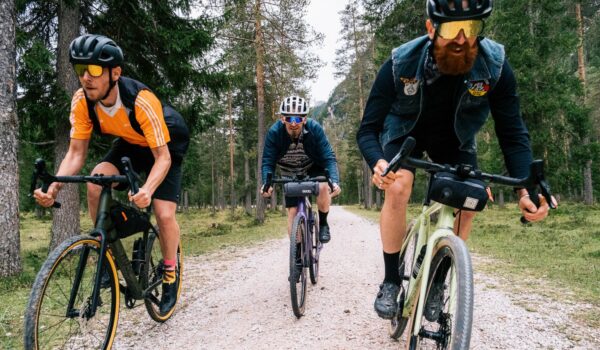

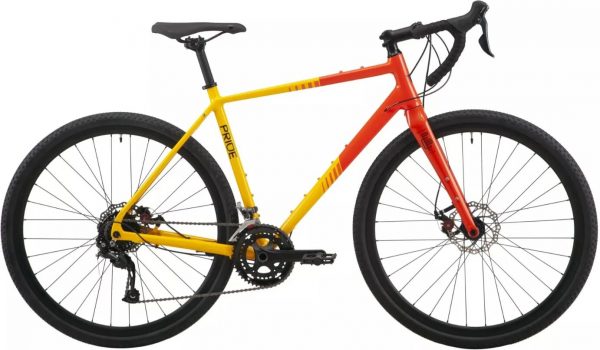

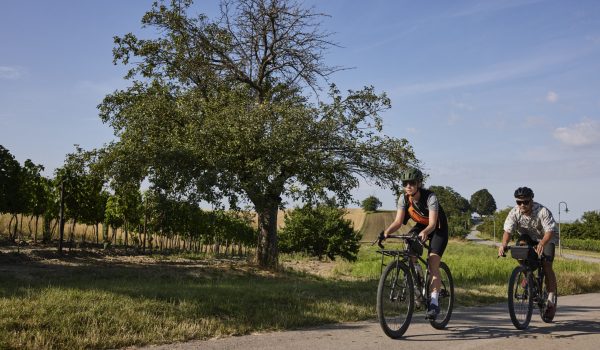


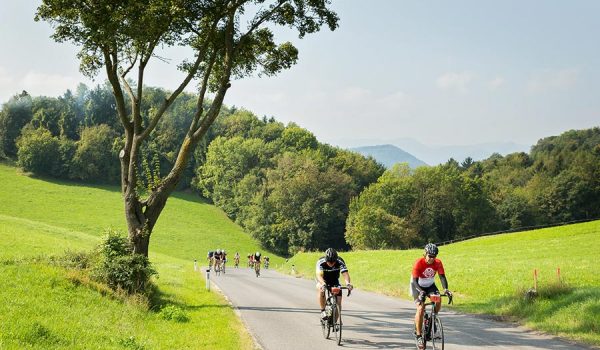

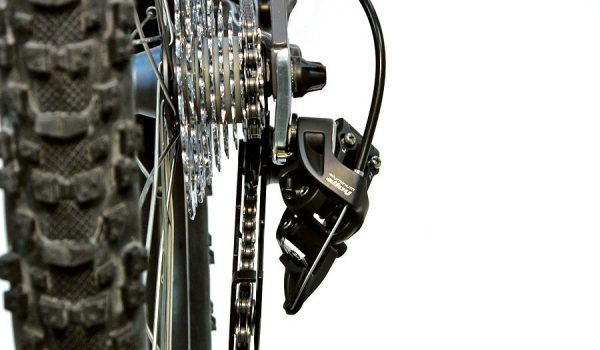


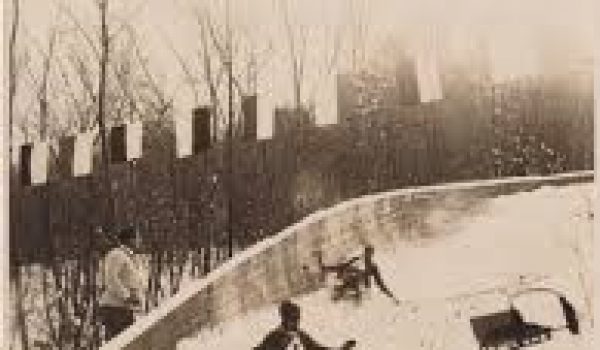


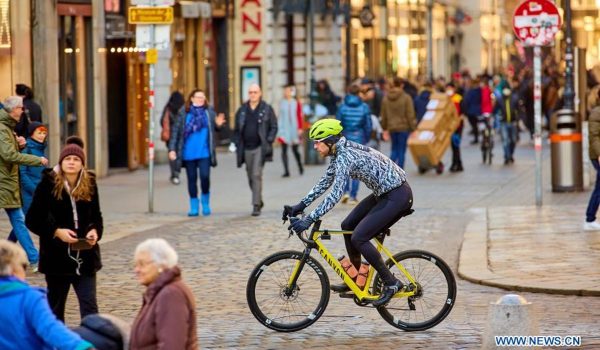

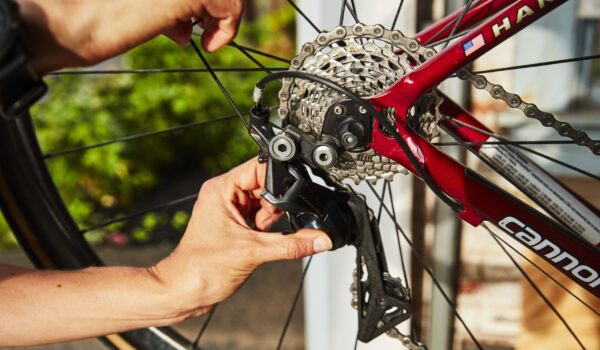
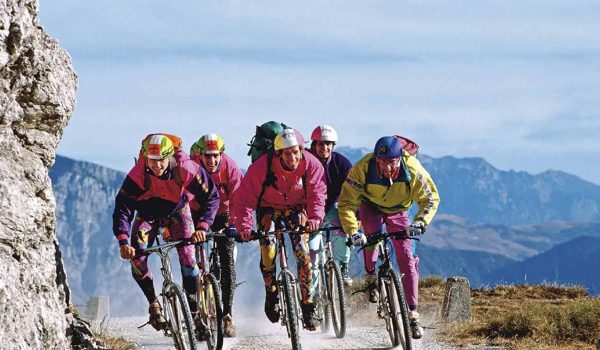

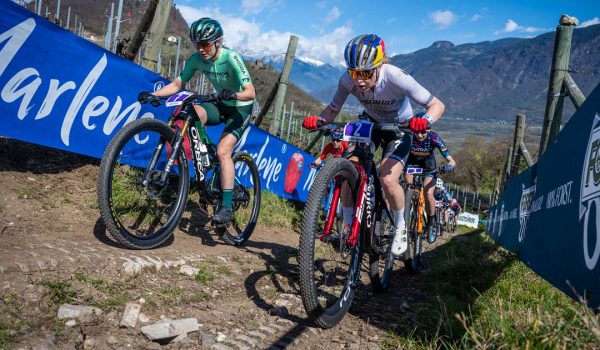





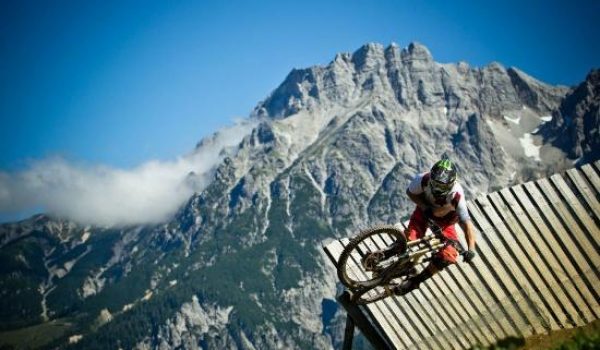




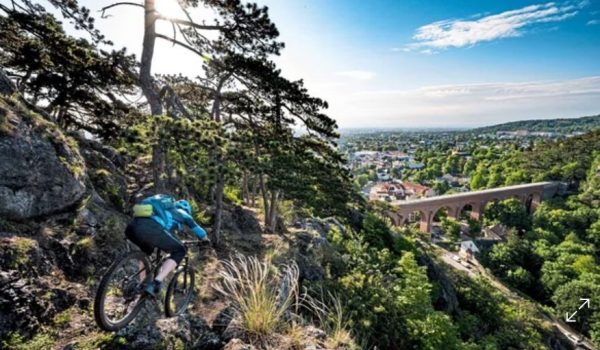


Follow Us